
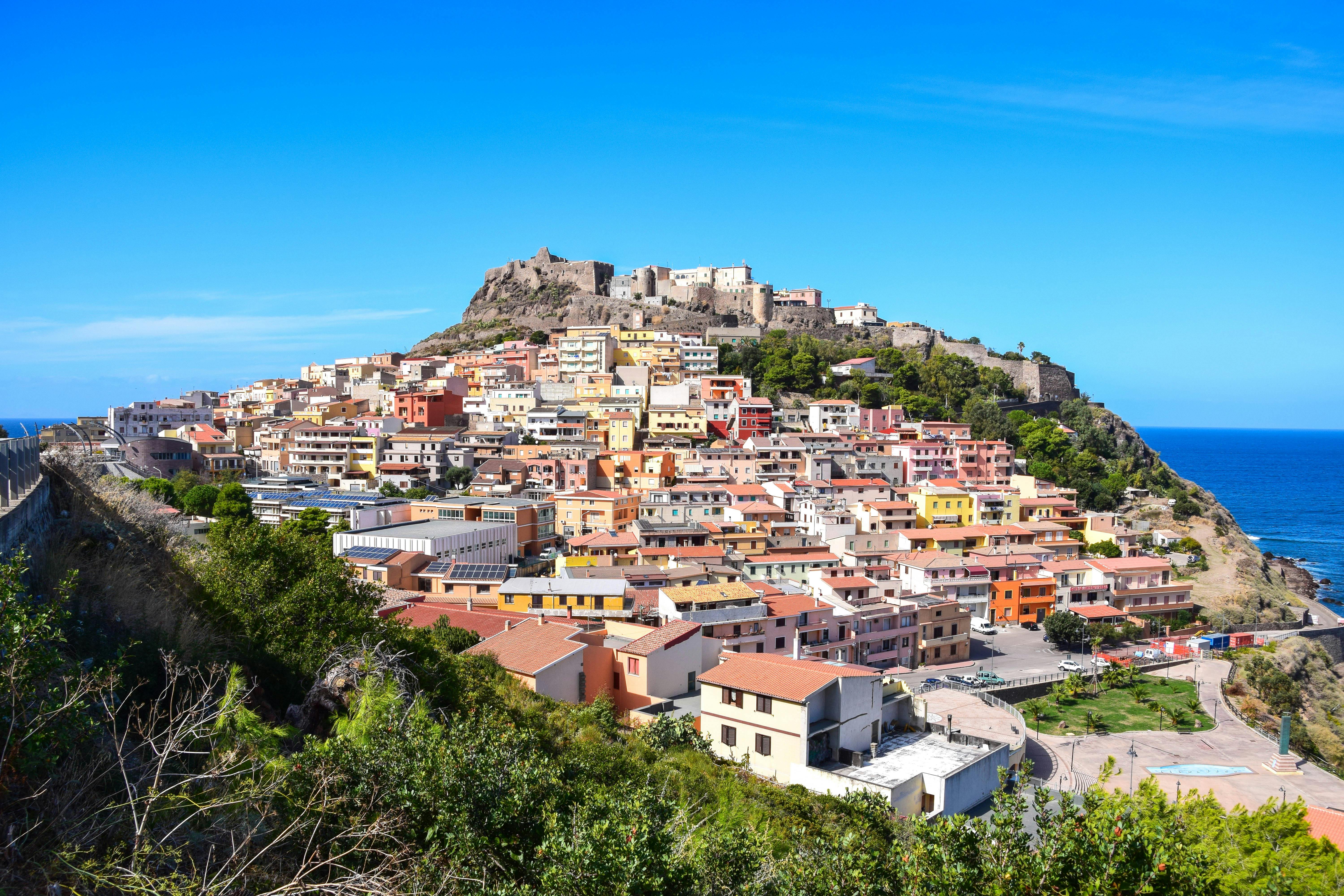
Castelsardo Medieval Town Genoese Stone Meets Sardinian Sea
The morning sun warms the ancient stone walls of Castelsardo, casting long shadows across cobbled streets that have echoed with footsteps for over 900 years. You hear the soft chime of bells from the 12th-century Cathedral of St. Antony, the distant murmur of locals gathering at a café in Piazza del Duomo, and the gentle rustle of the sea breeze through the olive trees on the hillside. Perched on a 114-meter (374-foot) high promontory overlooking the Gulf of Asinara, this fortified town was founded by the Genoese Doria family in 1102 as a strategic stronghold against Pisan rivals [[56]]. Its concentric ring of walls, narrow alleyways, and commanding views have made it one of Sardinia’s most iconic medieval villages. In an age of fleeting travel trends, Castelsardo matters now more than ever—it is a living testament to resilience, where every stone tells a story of conquest, faith, and Sardinian pride.
Why Castelsardo Medieval Town Embodies Strategic Resilience
Castelsardo’s enduring power lies in its perfect fusion of military strategy and spiritual sanctuary. Founded by the Genoese admiral Oberto Doria in 1102, the town—originally called Castelgenovese—was built as a fortress to control maritime trade routes and defend against Pisan incursions. Its location was chosen for its natural defenses: steep cliffs on three sides and a single, easily fortified land approach. The town’s layout follows a classic medieval concentric plan, with the imposing Doria Castle at the summit, surrounded by rings of walls that funnel visitors through a labyrinth of narrow, vaulted alleys designed to confuse invaders. This architecture “solved” a critical problem of its time: how to create a secure, defensible community in a region plagued by conflict. Over the centuries, the town passed from Genoese to Aragonese hands, and its name changed to Castelsardo in 1448 under King Alfonso V of Aragon. Today, this layered history fulfills a modern need—for authenticity in a world of curated experiences. Castelsardo isn’t a museum; it’s a vibrant neighborhood where laundry hangs between medieval walls and the scent of pane carasau drifts from family kitchens.
The Best Time to Experience Castelsardo Medieval Town
To experience Castelsardo in its most atmospheric and comfortable state, plan your visit for the specific windows of April 20–May 30 or September 10–October 15, 2026. During these periods, the weather in northern Sardinia is ideal, with daytime temperatures ranging from a pleasant 21–26°C (70–79°F), and the intense summer crowds have yet to arrive or have already departed [[11]]. The best time of day to explore is in the early morning, between 8:30 AM and 10:30 AM, when the light is soft, the streets are quiet, and you can have the panoramic viewpoints almost to yourself. It is strongly advised to avoid the peak summer months of July and August, when temperatures can soar above 33°C (91°F) and the narrow, unshaded alleys become uncomfortably hot [[75]]. For the most current information on opening hours, local festivals like the Festa di San Antonio (June 13), and guided tours, always consult the official tourism portal: comune.castelsardo.ss.it.
Approximate Budget for a 7-Day Trip (2026)
This budget is calculated for a solo traveler seeking a comfortable, culturally rich experience in northern Sardinia in 2026, based on current inflation trends and average regional costs.
- Accommodation: €85–€140 per night. Staying in a boutique hotel within the historic center offers an immersive experience. Options near the marina are more affordable but require a short walk uphill.
- Food: €45 per day. Breakfast (€5): a cappuccino and cornetto at a local bar. Lunch (€16): a plate of malloreddus (Sardinian gnocchi) at a trattoria near Piazza del Duomo. Dinner (€24): a main course like grilled sea bass with a glass of local Vermentino wine.
- Transportation: €120 total. A rental car for the week is essential for exploring the region (€40/day). Occasional taxi rides from Sassari Airport (€30).
- Attractions: Entry to the Doria Castle and Museum (€5). Guided walking tour of the medieval town (€20). Visit to the Church of Santa Maria (€3).
- Miscellaneous: €95. This covers a bottle of local wine (€15), several gelato stops (€3 each), a cooking class featuring Sardinian recipes (€40), and souvenirs like a piece of traditional coral jewelry.
Total Estimated Cost: €875–€995
6 Essential Castelsardo Medieval Town Experiences
- Walk the Ramparts at Sunrise: Climb to the top of the Doria Castle for a breathtaking view of the entire Gulf of Asinara. The morning light on the red rooftops and the sea beyond is unforgettable.
- Explore the Cathedral of St. Antony: This 12th-century cathedral houses a revered wooden statue of the saint and features a stunning rose window. Don’t miss the crypt with its ancient frescoes.
- Stroll Through Piazza del Duomo: The heart of the old town, this square is perfect for people-watching. Grab a coffee at Caffè Centrale and soak in the atmosphere of this timeless neighborhood.
- Visit the Museum of Mediterranean Weaving: Housed in the castle, this unique museum showcases the town’s famous basket-weaving tradition using local palm leaves—a craft passed down for generations.
- Discover the Legend of the Elephant Rock: Just below the town, a natural rock formation resembles an elephant drinking from the sea. Local legend says it’s a cursed invader turned to stone—a perfect photo opportunity.
- Dine on Traditional Sardinian Cuisine: Reserve a table at a family-run restaurant like Ristorante Il Camino. Savor dishes like cassola (fish stew) or porceddu (roasted suckling pig) in a setting that feels unchanged for centuries.
3 Hidden Gems Most Travelers Miss
- The Secret Garden of Palazzo Giordano: Behind the historic palace, a small public garden features rare Mediterranean plants and a peaceful fountain. It’s a favorite spot for locals but rarely visited by tourists.
- The View from Torre dell’Elefante: This lesser-known tower on the eastern edge of town offers a panoramic vista that includes the entire sweep of the gulf and the Asinara Island in the distance.
- The Church of Sant’Antonio Abate: Tucked away near Via Lungo Mare, this small 16th-century church has a stunning frescoed ceiling and a peaceful cloister. It’s often locked, but ask at the nearby tourist office for access.
Cultural & Practical Tips
- Wear sturdy walking shoes: The streets are steep, cobbled, and uneven. Good footwear is essential for exploring the hilltop town safely.
- Dress respectfully for churches: Shoulders and knees must be covered. Carry a light scarf or jacket even in summer.
- Learn a few key phrases: “Dov’è il castello?” (DOH-veh eel kah-STEHL-loh?) for “Where is the castle?”, and “Un caffè, per favore” (oon kah-FEH).
- Beware of the midday sun in summer: The white stone reflects intense heat. Wear a hat, sunglasses, and high-SPF sunscreen, especially between 11:00 AM and 3:00 PM.
- Respect the siesta: Many small shops and cafes close between 1:00 PM and 4:00 PM. Plan your hikes or visits to viewpoints during these hours.
- Tipping is appreciated but not expected: Rounding up the bill or leaving €1–€2 for exceptional service is a kind gesture.
Conclusion: Travel with Reverence, Not Just Curiosity
Castelsardo is not a backdrop for your vacation photos; it is a living chronicle of Sardinian history. In 2026, as we seek travel experiences that are both profound and grounding, this medieval town offers a rare gift: the chance to walk through centuries of human endeavor in a single afternoon. Your journey here should be one of reverence—not just seeing the castle, but feeling the weight of history in the cool stone, listening to the echo of generations in the alleyways, and understanding the resilience that built this town on a hill. By traveling with this mindful respect, you honor the legacy of Castelsardo and help preserve its power for future generations. Slow down. Sit on a step and watch the light change on the rooftops. In that quiet moment of communion with antiquity, you don’t just visit Castelsardo—you become part of its timeless, echoing story.