
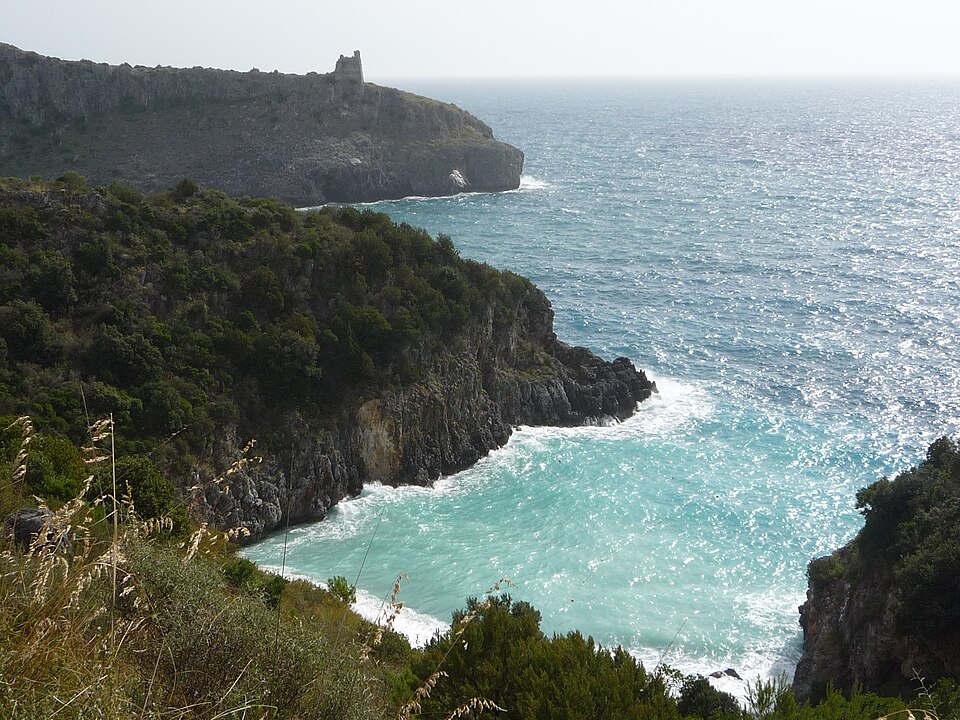
Cilento Coast Untamed Cliffs Meet Mediterranean Blue
The morning sun glints off the turquoise waters of the Tyrrhenian Sea, fracturing into a million shards of light that dance across the surface. You hear the gentle crash of waves against a secluded pebble beach, the distant cry of a peregrine falcon circling the sheer limestone cliffs, and the soft rustle of wild fennel in the coastal breeze. This is the Cilento coast—a 100-kilometer (62-mile) stretch of raw, unspoiled beauty south of Salerno, where the Mediterranean meets the rugged spine of the Apennines. A UNESCO World Heritage site since 1998, Cilento is not just a coastline but a living ecosystem, home to ancient Greek ruins like Paestum, medieval hilltop villages, and pristine beaches accessible only by foot or boat [[30]]. In an age of overtourism and predictable itineraries, the Cilento coast matters now more than ever—it is a sanctuary of authenticity, where nature, history, and slow living coexist in perfect, unforced harmony.
Why Cilento Coast Embodies Wild Harmony
The Cilento coast is a masterclass in sustainable coexistence between humanity and nature. Its unique character stems from its geography: a dramatic collision of mountain and sea that has historically limited large-scale development. The coastline is a mosaic of ecosystems—sandy coves like Marina di Camerota, hidden grottos such as the Grotta Azzurra, and towering cliffs that plunge directly into the sea. This natural fortress preserved a way of life that has remained largely unchanged for centuries. The region’s cultural significance is equally profound. It was here, in the 6th century BC, that the Greek philosopher Pythagoras founded his school in the town of Velia, seeking a place of quiet contemplation far from the chaos of the city [[30]]. Later, the area became a refuge for communities fleeing Saracen raids, leading to the creation of fortified hilltop villages like Roscigno Vecchia. This landscape “solved” a fundamental human need: how to live in balance with a powerful, untamed environment. Today, that same balance fulfills a modern longing—for a place where the primary soundtrack is the wind and the waves, not the roar of traffic, and where time is measured by the tides, not the clock.
The Best Time to Experience Cilento Coast
To experience the Cilento coast in its most serene and ecologically vibrant state, plan your visit for the specific windows of May 1–June 15 or September 10–October 20, 2026. During these periods, the weather is ideal, with daytime temperatures ranging from a comfortable 21–26°C (70–79°F), and the sea has warmed to a swimmable 20–23°C (68–73°F) [[11]]. The best time of day to explore is in the early morning, between 8:00 AM and 10:30 AM, when the light is soft, the trails are quiet, and you can often have a cove to yourself before any day-trippers arrive. It is essential to avoid the peak summer period of July 20–August 25, when the few accessible beaches become crowded, accommodation prices double, and the serene atmosphere gives way to a more bustling energy [[48]]. For the most reliable information on ferry schedules, trail conditions, and local events,
Approximate Budget for a 7-Day Trip (2026)
This budget is calculated for a solo traveler seeking a comfortable, nature-focused experience in Cilento in 2026, based on current inflation trends and average regional costs.
- Accommodation: €85–€150 per night. Staying in a family-run agriturismo near the coast offers an authentic experience. Options in towns like Agropoli or Castellabate are more varied.
- Food: €45 per day. Breakfast (€5): a cappuccino and cornetto at a local bar. Lunch (€16): a plate of seafood pasta at a beachside trattoria. Dinner (€24): a main course like grilled sardines with a glass of local Fiano wine.
- Transportation: €160 total. A regional train ticket from Naples to Agropoli (€7). A rental car for the week is essential for exploring the remote coast (€45/day). Occasional boat tours (€25).
- Attractions: Entry to the Cilento National Park visitor center (free). Guided hike to hidden beaches (€20). Boat tour of the caves and arches (€30).
- Miscellaneous: €100. This covers a bottle of local olive oil (€15), several gelato stops (€3 each), a guided snorkeling tour (€40), and souvenirs like handmade ceramics.
Total Estimated Cost: €920–€1,050
6 Essential Cilento Coast Experiences
- Swim at Cala Bianca: Often ranked among Italy’s most beautiful beaches, this crescent of white pebbles is accessible only by a 30-minute hike or by boat. Arrive early to secure your private slice of paradise.
- Take a Boat Tour from Marina di Camerota: Book a small-group tour to explore the dramatic coastline, including the Grotta Azzurra, whose water glows an intense blue, and the Arco degli Innamorati, a natural stone arch.
- Hike the Path to Baia Infreschi: This challenging but rewarding trail leads to a stunning, secluded bay surrounded by cliffs. The effort is rewarded with crystal-clear water and complete solitude.
- Explore the Ancient Ruins of Velia: Visit the archaeological site of this 6th-century BC Greek colony where Pythagoras taught. The seaside setting adds a profound layer of peace to the historical experience.
- Dine on Fresh Seafood in Acciaroli: This charming fishing village is famed for its longevity—many residents live past 100. Enjoy a simple meal of the day’s catch at a family-run restaurant on the harbor.
- Visit a Local Agriturismo: Spend an afternoon at a working farm to taste fresh mozzarella, sample organic wines, and learn about the Slow Food movement that thrives in Cilento.
3 Hidden Gems Most Travelers Miss
- Cala d’Arconte: A tiny, hidden cove near Palinuro, accessible only by a steep, unmarked path. Its isolation means you’ll likely have the turquoise water all to yourself. Ask a local fisherman for directions.
- The Watchtower of Torre del Telegrafo: Perched on a cliff near Pioppi, this 16th-century tower offers panoramic views of the coast. It’s a quiet spot for a picnic, far from the main tourist routes.
- The Olive Grove Path to Zingaro: Near the village of San Mauro, a quiet path through ancient olive trees leads to a small, rocky inlet. It’s a peaceful escape that offers a glimpse into the agricultural soul of Cilento.
Cultural & Practical Tips
- Rent a car: Public transport is extremely limited. A car is essential for exploring the diverse and remote corners of the coast.
- Bring water shoes and reef-safe sunscreen: Many beaches are pebbly or rocky, and the marine ecosystem is fragile. Protect your feet and the environment.
- Learn a few key phrases: “Dov’è la spiaggia più bella?” (DOH-veh lah spy-AH-jah PEE-oo BEL-lah?) for “Where is the most beautiful beach?”, and “Un caffè, per favore” (oon kah-FEH).
- Respect the protected area rules: Much of the coast is part of a National Park. Do not anchor on seagrass, do not remove any natural items, and stick to marked trails.
- Carry cash: Many small restaurants, boat operators, and even some B&Bs operate on a cash-only basis.
- Embrace the slow pace: Life in Cilento moves to its own rhythm. Don’t rush. Sit at a bar, order a granita, and let the place reveal itself to you.
Conclusion: Travel with Presence, Not Just a Checklist
The Cilento coast is not a destination to be ticked off a list; it is a place to be absorbed. In 2026, as we seek travel that is both meaningful and restorative, Cilento offers a powerful antidote to the noise of modern life. Your journey here should be one of presence—not just seeing its beauty, but feeling the salt on your skin, listening to the silence between the waves, and understanding the deep connection between land and sea that has sustained this region for millennia. By traveling with this mindful attention, you honor the fragile ecosystem and the resilient communities that call it home. Slow down. Let the rhythm of the tides set your pace. In that quiet communion with Cilento’s wild, beautiful shores, you don’t just find a vacation—you find a profound sense of belonging to the natural world.