
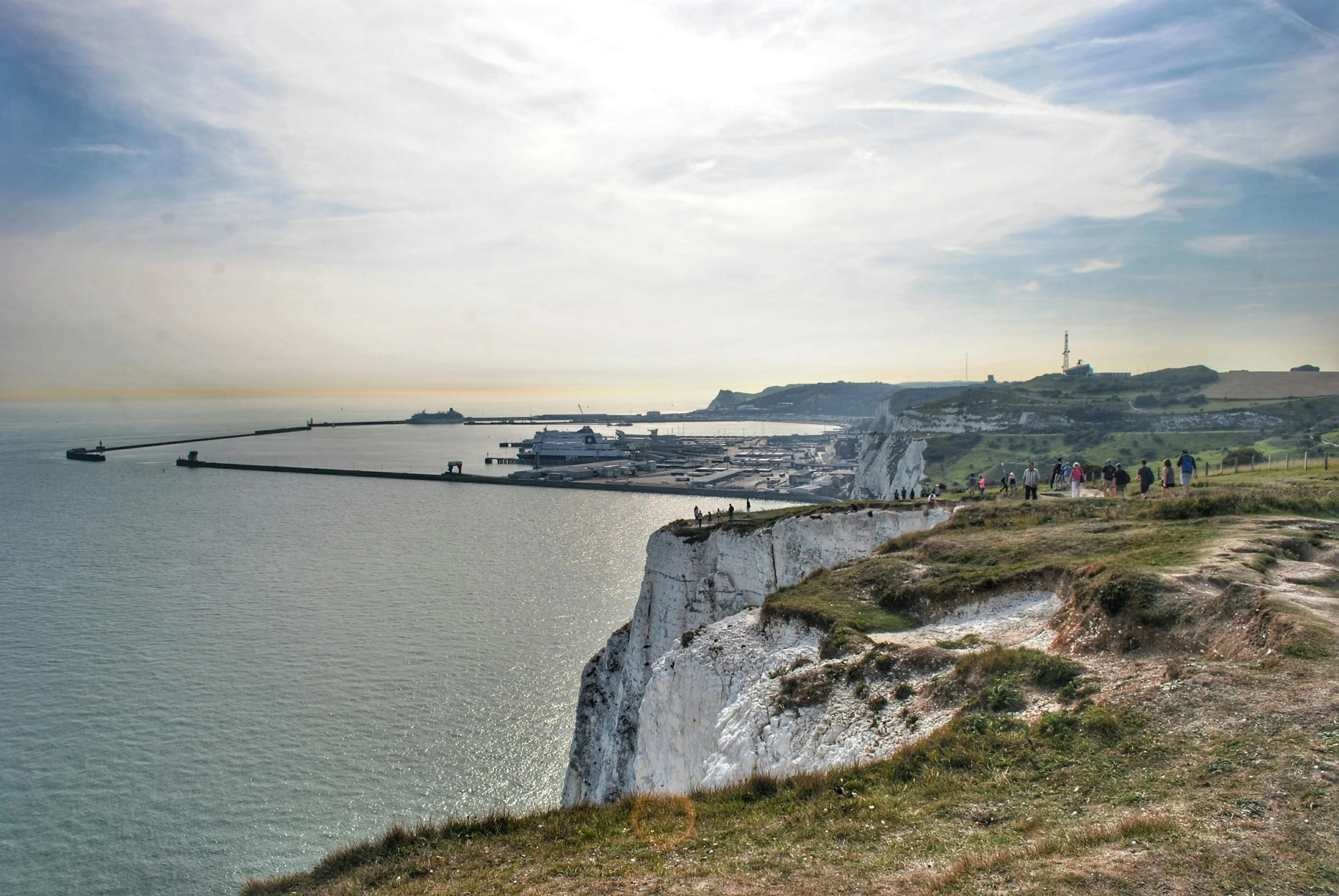
Dover White Cliffs Chalk Ramparts Meet English Channel Majesty
The wind howls—a sharp, salty whistle that cuts through the quiet of dawn—as you stand on the edge of the escarpment at 6:15 AM, watching the sun ignite the 110-meter-high chalk face. The air smells of brine and wildflowers; the silence hums with the weight of two thousand years of history carved into the stone. Stretching 13 kilometers along the Kent coast, the Dover White Cliffs stand as a natural fortress against the Continent, their dazzling white composition visible from France on clear days. You stand where Roman sentries once watched for invaders, where WWII spies departed for occupied Europe, and where modern pilgrims come to witness the edge of England. The chalk, formed 90 million years ago during the Cretaceous period, glows with an ethereal light that shifts from pearl to gold as the day progresses. In 2026, as coastal erosion threatens historic landscapes globally, visiting the Dover White Cliffs means engaging with a fragile monument of national identity. This place matters now because it remains the definitive symbol of British resilience, challenging visitors to confront the power of nature while navigating the legacy of human conflict.
Why Dover White Cliffs Embodies Natural and Military Heritage
The Dover White Cliffs solve the geological puzzle of creating a natural defensive barrier—a feat achieved through millions of years of sedimentary compression and erosion. Composed primarily of coccolithophores—microscopic algae skeletons—the chalk contains flint nodules that early humans used for tools, while the sheer verticality deterred invasion attempts for centuries. The cliffs rise up to 110 meters above sea level, utilizing the natural hardness of the chalk to withstand the relentless pounding of the English Channel waves. Engineering-wise, the Fan Bay Deep Shelter, dug 23 meters underground in 1941, features 125 steps carved directly into the chalk to house WWII soldiers, demonstrating the material's structural integrity. The National Trust manages 10 kilometers of the coastline, balancing public access with conservation efforts to combat erosion rates of up to 1 centimeter per year. Today, the site includes the Dover Castle complex, built upon the cliffs in the 12th century by Henry II, utilizing the height for artillery advantage. This unique status ensures the Dover White Cliffs remain not merely a scenic view but a protected landscape, blending natural beauty with military history in a manner few coastal sites sustain.
The Best Time to Experience Dover White Cliffs
For optimal visibility and manageable crowds, plan your visit between May 18–June 12 or September 10–October 15, when temperatures range from 15–22°C (59–72°F) and daylight extends until 9:00 PM. Arrive precisely at 8:00 AM when the visitor center opens to beat the tour buses that typically converge by 11:00 AM; the morning light illuminates the white face beautifully without the glare of midday sun. Evening visits during summer offer a romantic atmosphere as the sunset paints the chalk pink, though parking becomes limited after 6:00 PM. Avoid August 25–September 2 when the Bank Holiday weekend brings peak congestion, pushing parking queues beyond 30 minutes despite the paid lots. Winter months (December–February) offer shorter lines but temperatures drop to 2–8°C (36–46°F), and the wind chill makes the exposed paths uncomfortably cold. For tide times and path closures, verify the calendar at nationaltrust.org.uk before booking, as erosion can close sections unexpectedly. Tuesday and Wednesday mornings typically see the lowest visitor volume, allowing for quieter contemplation on the South Foreland path.
Approximate Budget for a 7-Day Trip (2026)
Kent remains a moderate destination, but staying near Dover provides immediate access to the cliffs without excessive transport costs. These 2026 estimates assume a moderate travel style, accounting for approximately 3-4% annual inflation in UK hospitality and attraction pricing.
- Accommodation: £100–£220 per night for a double room in Dover, Deal, or Canterbury; budget B&Bs from £70/night in nearby Folkestone
- Food: £45–75 per day—breakfast £8–12 (café pastry or full English), lunch £12–20 (pub meal or fish and chips), dinner £25–43 (mid-range restaurant with wine); traditional Kentish ale £6
- Transportation: £40.00 daily average for car rental and fuel; Train from London St. Pancras to Dover £40 return; Local bus day pass £8
- Attractions: White Cliffs Visitor Centre free, Fan Bay Shelter £10.00, Dover Castle £32.00, South Foreland Lighthouse £8.00, Canterbury Cathedral £20.00
- Miscellaneous: Souvenir guidebook £12, cliff postcards £5, windproof jacket (essential) £40, travel insurance £50 for week
Total for 7 days: £1,250–1,800 per person (excluding international flights)
7 Essential Dover White Cliffs Experiences
- Cliff Top Walk: Traverse the designated path along the escarpment edge. Open dawn–dusk; the view of France is clear on sunny days. The grass is soft underfoot; listen for the skylarks singing above the wind noise.
- Fan Bay Deep Shelter Tour: Descend the 125 steps into the WWII tunnels. Tours run hourly from 10:00 AM–4:00 PM; the chalk walls are cold and damp. The guide explains the secret operations; the acoustic echo in the tunnels is haunting.
- South Foreland Lighthouse Visit: Climb the Victorian tower for panoramic views. Open 11:00 AM–5:00 PM; the light mechanism is original. The view encompasses the cliffs and the shipping lane; the smell of oil lingers in the lantern room.
- Dover Castle Exploration: Walk the battlements overlooking the cliffs. Open 10:00 AM–6:00 PM; the medieval keep dominates the skyline. Look for the secret wartime tunnels beneath the castle; the history layers are palpable in the stone.
- Samphire Hoe Country Park: Visit the land created from Channel Tunnel spoil. Open 24 hours; the beach is pebbly and quiet. The view looking up at the cliffs from below offers a unique perspective; the sound of waves is constant.
- St. Margaret's Bay Walk: Hike the coastal path to the neighboring bay. The 3-kilometer loop takes 60 minutes; the chalk is brighter here. The beach is secluded; sit on the shingle to watch the ferries cross the channel.
- Sunset Photography: Capture the cliffs glowing in the evening light. Best light occurs at 8:00 PM in summer; the white stone turns gold. Use the visitor center terrace to frame the shot without obstructing the path.
3 Hidden Gems Most Travelers Miss
- Roman Phare (Lighthouse): This ancient tower stands within Dover Castle grounds, dating to 2nd century AD. Access via the castle ticket; open 10:00 AM–5:00 PM. Most tourists focus on the medieval keep, missing the oldest standing building in England which once guided Roman ships.
- Langdon Hole: This deep valley cuts through the cliffs north of the visitor center. Access via the footpath from the A258; open during daylight hours. The microclimate supports rare plants; it offers a secluded spot away from the main tourist crowds on the cliff top.
- The Battery Loop: A circular walk around the historic artillery batteries. Access via the cliff path; open 24 hours. The concrete emplacements are overgrown with wildflowers; it provides a quiet historical context often overlooked by visitors heading straight to the lighthouse.
Cultural & Practical Tips
- Safety first: The cliff edges are unstable and crumble easily; stay on the marked paths at all times. Do not approach the edge closer than 5 meters; falls are fatal and rescue is difficult.
- Photography rules: Photography is permitted in all outdoor areas for personal use without flash. Drones are prohibited without special permission from the National Trust due to wildlife and safety concerns.
- Weather preparedness: The cliffs are exposed to high winds; carry a windproof jacket (£40 from outdoor stores) and secure your hat. Rain makes the chalk paths slippery—wear shoes with good grip.
- Local phrases: Learn "Mind the gap" (watch the step), "Cheers" (thanks), and "Queue here" (wait in line); locals appreciate visitors who respect pedestrian flow on the narrow coastal paths.
- Parking logistics: Paid parking is available at the visitor center; arrive by 9:00 AM to secure a space during peak season. The lot is 500 meters from the cliff edge; allow 10 minutes to walk.
- Accessibility: The visitor center offers step-free access; wheelchair users can access some cliff views via paved paths. Contact visitors@nationaltrust.org.uk 48 hours ahead to arrange assistance for specific trails.
- Respectful behavior: Do not carve initials into the chalk or remove flint stones; the landscape is protected by law. Keep voices lowered near the memorial crosses; this is a site of wartime loss.
Conclusion: Travel with Reverence, Not Just Checklists
The Dover White Cliffs demand more than a snapshot beside the edge—it invites you to contemplate the weight of history resting on that fragile chalk. When you walk the paths in 2026, tracing the same lines worn by soldiers and smugglers for centuries, you're not just ticking a sightseeing box; you're witnessing the delicate balance between natural erosion and heritage preservation. As overtourism pressures historic landscapes, visiting mindfully means respecting the fragility of this institution, understanding that behind the scenic views, conservationists work tirelessly to hold the land together. Walk slowly across the grass, noticing how the light changes on the white face; listen to the wind not as background noise but as the voice of the channel. Leave only footprints on the path, take only memories of coastal grandeur, and carry forward the understanding that places like this endure because each generation chooses to protect them—not as backdrops, but as living testaments to nature, history, and the enduring human connection to the edge of the land.