
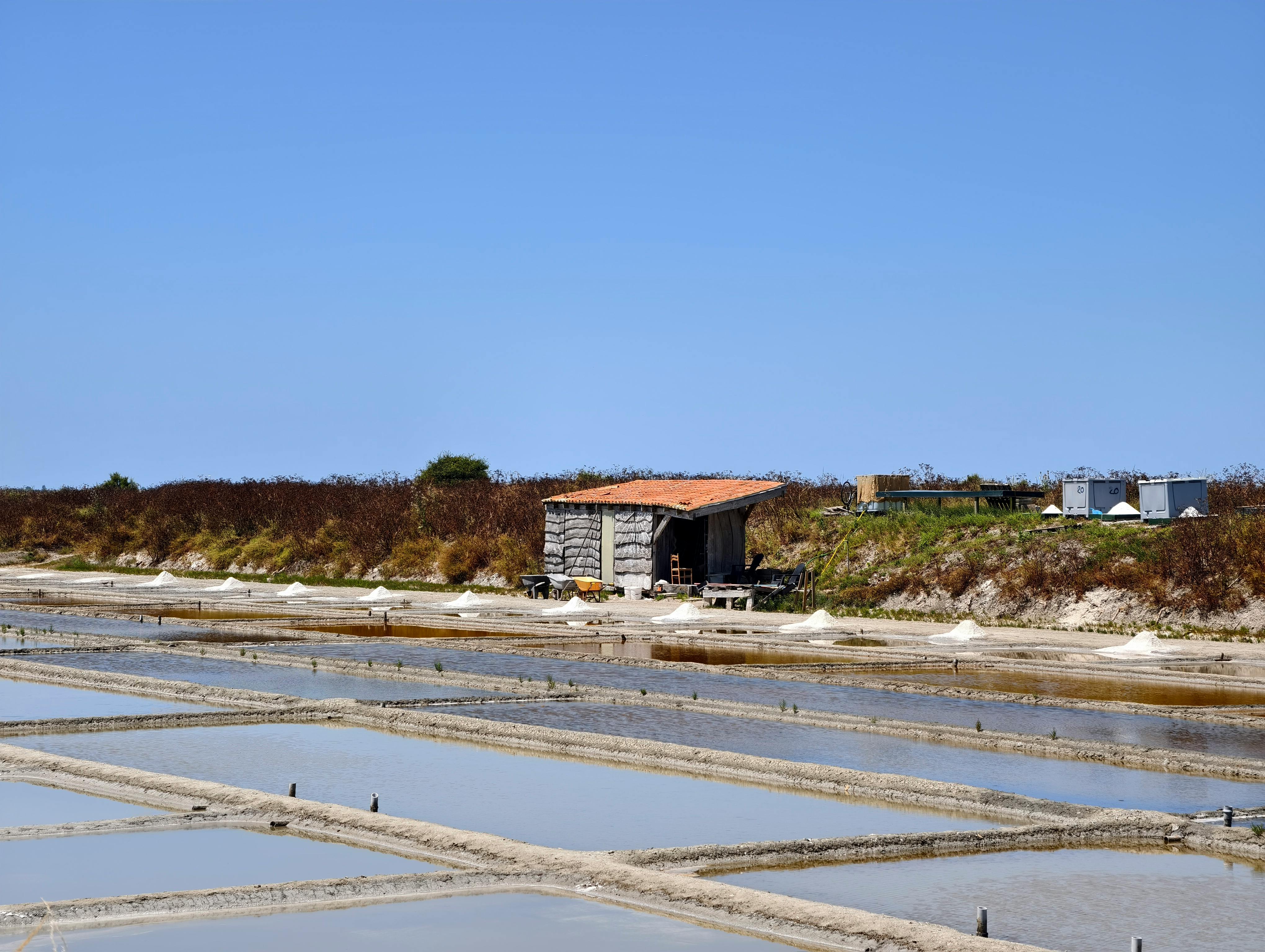
Île de Ré Beaches : Atlantic Gentleness Meets Salt-Marsh Serenity
The transformation begins subtly. As you cross the 3-kilometer bridge from La Rochelle, the mainland's urgency dissolves into island rhythm. Then, reaching Plage de la Conche at dawn, you witness the alchemy: Atlantic waters—usually tempestuous elsewhere—spill gently across a vast shelf of sand, creating shallow turquoise lagoons where children wade knee-deep a hundred meters from shore. The air carries the scent of salt marshes and sun-warmed pine, while wooden cabanes with weathered shutters stand sentinel along the dunes. This is not the Mediterranean's dramatic coastline but something more contemplative: a 30-kilometer ribbon of beaches where tide dictates time, oyster farmers work ancient concessions at low tide, and the only soundtrack is wind through marram grass and distant church bells from whitewashed villages. In 2026, Île de Ré beaches remain France's most authentically gentle shore—not for lack of power, but for wisdom in restraint.
Why Île de Ré Beaches Offer Atlantic Serenity
Île de Ré beaches embody more than scenic beauty—they represent a rare coastal equilibrium shaped by geology and human adaptation. Protected by a 10,000-hectare salt marsh system (marais salants) that buffers Atlantic swells, the island's western shore features gently sloping beaches with minimal undertow—unlike the powerful currents of nearby Île d'Oléron. This unique hydrology creates expansive tidal ranges (up to 6 meters) that transform the coastline twice daily: at low tide, vast sandbanks emerge perfect for shell-collecting and observing oyster farmers tending their parcs; at high tide, water laps within meters of dune grasses. Crucially, development remains strictly controlled under the island's 1974 preservation charter—no building exceeds two stories, all structures must be painted white with green shutters, and 40% of the island remains protected natural space. This intentional restraint creates rare authenticity: where beachgoers share shorelines with working salt harvesters raking fleur de sel at sunrise, and cycling paths weave between dunes without commercial interruption.
The Best Time to Experience Île de Ré Beaches
For optimal conditions—warm shallow waters, manageable crowds, and authentic tidal rhythms—visit between June 1 and June 20 or September 10–25. These windows deliver daytime temperatures of 20–25°C (68–77°F) with sea temperatures reaching 19–21°C—ideal for extended wading without summer's intensity. Crucially, time beach visits with tide tables (consult re-tourisme.com): arrive 2 hours before low tide to witness the dramatic exposure of sandbanks and oyster farmers beginning their work. Mornings between 8:00–10:00 AM offer the most magical light: low-angle sun transforms wet sand into mirrors reflecting sky while illuminating the wooden cabanes without harsh glare—a critical window before day-trippers arrive from La Rochelle. September provides a second excellent opportunity: departing crowds, stable weather, and autumn light that intensifies the salt marshes' russet tones during harvest season. Avoid July 15–August 15 when temperatures exceed 28°C (82°F), beaches become congested near access points, and many local artisans close shops for vacation. Note that winter months (November–February) offer stark beauty for birdwatching but water temperatures drop below 12°C.
Approximate Budget for a 7-Day Trip (2026)
Based on 2025 benchmarks adjusted for 4% inflation (per INSEE and Nouvelle-Aquitaine Tourism Board projections), here's a realistic mid-range budget for an Île de Ré-focused itinerary:
- Accommodation: €105–€150 per night for a family-run guesthouse in Saint-Martin-de-Ré or a cottage near Le Bois-Plage—essential for beach access without car dependency.
- Food: €85–€100 per day—breakfast at lodging, lunch of oysters and rillettes at beach cabane (€24–€30), dinner featuring fresh sea bass with Île de Ré wine (€45–€55).
- Transportation: €18 for a 7-day Ré Citadine pass (covers all buses). Bridge toll: €18 round-trip (free November–February). Bicycle rental essential: €16/day for quality hybrid bikes.
- Attractions: Marais salants guided tour: €14. Phare des Baleines climb: €9. Oyster farm tasting: €22. Boat trip to Fort de la Prée: €18. Allocate €110 total.
- Miscellaneous: €60 for fleur de sel from local paludiers, pine honey, or contributions to the Conservatoire du Littoral coastal protection fund.
Total Estimated Cost: €1,050–€1,450 for seven days, excluding international flights.
5 Essential Île de Ré Beach Experiences
- Plage de la Conche (Le Bois-Plage): The island's most expansive beach—arrive at low tide to walk 500 meters across exposed sandbanks while oyster farmers work their concessions in the distance.
- Plage des Gollandières (Saint-Martin-de-Ré): Sheltered cove facing the mainland with calm waters ideal for families—best experienced at 9:00 AM when morning light illuminates the fortified town's ramparts across the water.
- Plage de la Barbette (Ars-en-Ré): Western shore beach backed by dunes and pine forest—cycle the coastal path at dawn to witness salt harvesters collecting fleur de sel as mist rises from marshes.
- Tidal Flat Exploration: Join a guided walk across exposed mudflats at low tide near Loix—learn to identify oyster species and taste huîtres de claires shucked minutes after harvest.
- Cabane Beach Ritual: Rent a traditional wooden cabane (€25/day from municipal offices) at Plage de la Conche—store belongings securely while experiencing the beach as locals do for generations.
3 Hidden Gems Most Travelers Miss
- Plage de l'Arnerault Secret Coves: Between kilometer markers 4–5 on the coastal path north of Rivedoux, unmarked footpaths lead to secluded sandy pockets accessible only at low tide—favored by local artists for morning sketching.
- Pointe du Grouin Tide Pools: Accessible 90 minutes before/after low tide via rocky descent near the lighthouse—reveals anemone gardens and small crabs in pools carved by centuries of wave action (check tide tables at tourist office).
- Marais des Roseaux Bird Blind: Hidden within the salt marshes near Loix (ask at Maison du Sel for directions), this unmarked observation platform offers intimate views of avocets and spoonbills without tourist infrastructure.
Cultural & Practical Tips
- Tide Table Essential: Never venture onto tidal flats without consulting official tide tables at re-tourisme.com—rising tides move faster than walking speed. Download the free "Maree Info" app before arrival.
- Cycling Protocol: Île de Ré is France's most bicycle-friendly island (100km of dedicated paths)—always cycle single-file on shared paths, ring bells before passing pedestrians, and never lock bikes to dune vegetation.
- Beach Cabane Etiquette: If renting a cabane, never leave valuables visible through windows. Respect quiet hours after 8:00 PM when families with children occupy adjacent huts.
- Learn Key Phrases: "Bonjour," "Merci," and "Une douzaine d'huîtres, s'il vous plaît" show respect in this proudly maritime community where French is preferred over English.
- Environmental Responsibility: Never remove shells or marine life from tidal zones—these ecosystems are protected under Natura 2000. Carry reusable containers for purchased oysters to avoid single-use plastics.
Conclusion: Travel with Tidal Reverence, Not Just a Towel
Île de Ré beaches endure not as playgrounds for consumption, but as living classrooms in coastal reciprocity—where humans thrive by adapting to nature's rhythms rather than dominating them. As a conscious traveler, your presence should honor this balance: support salt harvesters practicing traditional marais techniques (look for "Fleur de Sel de l'Île de Ré" AOP certification), time explorations with tidal cycles rather than convenience, and understand that every grain of sand here has been shaped by centuries of patient negotiation between land and sea. Sit quietly on the dunes at dusk and watch the tide's return—the same rhythm that guided 17th-century salt traders and modern oyster farmers alike. By approaching these shores not as backdrop for leisure, but as teacher of temporal wisdom, you help ensure these beaches continue to shelter not just recreation, but resilience—for those who recognize that true coastal beauty resides not in dramatic spectacle, but in the gentle, daily gift of safe return.