
Kensington Palace Royal Privacy Meets Public Garden Grandeur
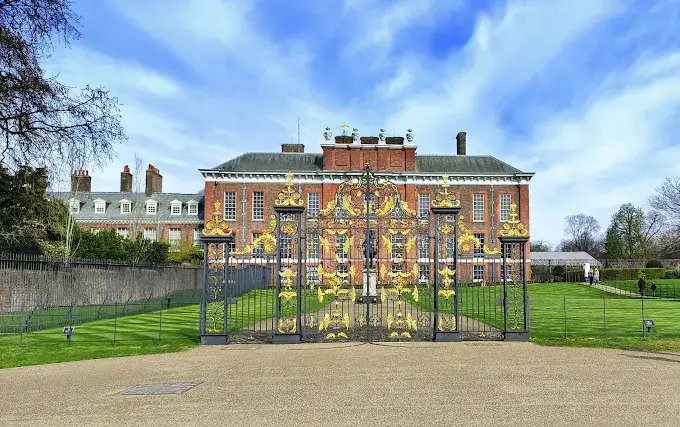
The gravel crunches—a sharp, rhythmic sound underfoot—as you walk the Long Walk at 8:45 AM, watching mist rise from the 14-hectare Kensington Gardens while the red brick facade of Kensington Palace glows in the dawn light. The air smells of cut grass and old mortar; the silence hums with the distant rumble of the Circle Line beneath the park. Built originally as a Jacobean mansion in 1605 and transformed by Sir Christopher Wren in 1689, this royal residence spans 1.2 hectares of inner London, serving as the birthplace of Queen Victoria and the current home of the Prince and Princess of Wales. You stand before the Cupola Room, where the 7-meter-high ceiling features gilt details that catch the morning sun, while the Sunken Garden blooms with 5,000 tulips in spring. Every window tells a story: Georgian courtiers plotting alliances, Victorian children playing in the nursery, and modern royals stepping onto the balcony. In 2026, as the monarchy navigates its role in a digital age, visiting Kensington Palace means engaging with a private home that opens its doors to public scrutiny. This place matters now because it remains a working royal residence that balances historical preservation with contemporary life, challenging visitors to respect the boundary between public interest and private sanctuary.
Why Kensington Palace Embodies Royal Domestic History
Kensington Palace solves the architectural need for a royal residence that offers proximity to the city while maintaining seclusion—a feat achieved through layered expansions over four centuries. When William III and Mary II purchased Nottingham House in 1689, they commissioned Wren to add the King's and Queen's Galleries, creating a 100-meter-long state apartment complex designed for court entertainment. The red brick facade, characteristic of the late 17th century, utilizes 300,000 bricks laid in Flemish bond, while the internal timber framing supports the heavy slate roofs without compromising the delicate plasterwork inside. Engineering-wise, the 18th-century additions by William Kent introduced the Cupola Room, featuring the first use of Corinthian pilasters in a domestic royal setting, standing 7.5 meters high to impress dignitaries. The palace served as the primary residence for Queen Victoria from her birth in 1819 until her marriage in 1837, leaving the nursery rooms preserved exactly as they were. Today, Historic Royal Palaces manages the site, balancing the private apartments of the Prince and Princess of Wales with public access to the State Rooms. This unique status ensures Kensington Palace remains not merely a museum but a living home where history is actively inhabited, blending Stuart grandeur with modern royal duty in a manner few palaces sustain.
The Best Time to Experience Kensington Palace
For optimal lighting and manageable crowds, plan your visit between May 15–June 20 or September 10–October 15, when London's temperatures range from 15–22°C (59–72°F) and daylight extends until 9:00 PM. Arrive precisely at 10:00 AM when doors open to beat the tour groups that typically converge by 11:30 AM; the morning light illuminates the State Rooms beautifully without the glare of midday sun. Evening visits during summer offer a serene atmosphere in the gardens, though the palace interiors close at 6:00 PM. Avoid December 20–January 5 when holiday crowds bring peak congestion, pushing entry queues beyond 45 minutes despite timed tickets. Winter months (December–February) offer shorter lines but temperatures drop to 2–8°C (36–46°F), and the gardens become muddy underfoot. For special exhibitions, verify the calendar at hrp.org.uk/kensington-palace before booking, as royal events can close sections unexpectedly. Tuesday and Thursday mornings typically see the lowest visitor volume, allowing for quieter contemplation in the King's Gallery.
Approximate Budget for a 7-Day Trip (2026)
London remains a premium destination, but staying in Zone 1 near Kensington provides immediate access to the palace without excessive transport costs. These 2026 estimates assume a moderate travel style, accounting for approximately 3-4% annual inflation in UK hospitality and attraction pricing.
- Accommodation: £140–£320 per night for a double room in Kensington, Notting Hill, or South Kensington; budget hostels from £50/night in nearby Earl's Court
- Food: £50–85 per day—breakfast £9–14 (café pastry or full English), lunch £14–22 (pub meal or market stall), dinner £27–49 (mid-range restaurant with wine); traditional afternoon tea £55
- Transportation: £8.10 daily cap for Zones 1-2 using contactless/Oyster; Heathrow Express £25 one-way or Elizabeth Line £12.80; Black Cab from Victoria £20 minimum
- Attractions: Kensington Palace £33.00 adult, Royal Albert Hall tour £20.00, Victoria and Albert Museum free, Hyde Park free, Thames cruise £18.00
- Miscellaneous: Souvenir guidebook £15, palace postcards £5, rain jacket (essential) £35, travel insurance £50 for week
Total for 7 days: £1,400–1,950 per person (excluding international flights)
7 Essential Kensington Palace Experiences
- State Rooms Tour: Walk the grand apartments used for royal ceremonies. Open 10:00 AM–6:00 PM; the audio guide details the history of each room. Look for the ornate ceilings in the Cupola Room and the paintings in the King's Gallery.
- Queen Victoria's Birthroom: Stand in the room where the queen was born in 1819. Located on the ground floor; the furniture remains as it was in the 19th century. The atmosphere is intimate, showcasing the confined space of her childhood.
- Sunken Garden Stroll: Explore the formal garden modeled after Hampton Court. Open dawn–dusk; the flower beds change seasonally. In May, 5,000 tulips bloom; sit on the benches to enjoy the symmetry of the layout.
- Orangery Lunch: Dine in the historic greenhouse built in 1704. Open 10:00 AM–5:00 PM; the baroque interior features gilt details. Try the scones and tea while watching visitors walk past the windows.
- Royal Ceremonial Dress Exhibition: View gowns worn by royals from Victoria to Diana. Located in the Cumberland Gallery; the textiles are light-sensitive so lighting is dim. The craftsmanship of the embroidery is visible up close.
- Kensington Gardens Walk: Traverse the 14-hectare park surrounding the palace. The 3-kilometer loop takes 45 minutes; notice the Italian Gardens and the Peter Pan statue. The trees provide shade during summer afternoons.
- Palace Green Photography: Capture the facade from the public square outside. Best light occurs at 8:00 AM or 7:00 PM; the red brick contrasts with the green lawn. Use the railings to frame the shot without obstructing the gate.
3 Hidden Gems Most Travelers Miss
- Queen Victoria Statue: This marble statue by her daughter Louise stands in the garden behind the palace. Access via the path to the right of the main entrance; open 24 hours. Most tourists photograph the front facade, missing the poignant depiction of Victoria as a young woman holding a doll.
- The Elfin Oak: Located in the children's playground within Kensington Gardens. Access via the Broad Walk; open during daylight hours. This 900-year-old stump is carved with miniature fairies and animals, delighting children since 1928 but often overlooked by adults.
- Diana Memorial Playground: This themed play area honors the Princess of Wales. Access via the Broad Walk gate; open 10:00 AM–dusk. The sensory trail and pirate ship are designed for children, but the memorial plaques offer a quiet moment for reflection on her legacy.
Cultural & Practical Tips
- Security screening: All visitors pass through airport-style security; prohibited items include large bags (nothing over 45×35×25cm), sharp objects, and tripods. Allow 20–30 minutes for security checks during peak summer hours (11:00 AM–2:00 PM).
- Photography rules: Exterior photography is permitted for personal use without flash. Interior photography is strictly prohibited in the State Rooms to protect light-sensitive artifacts. Phones must be silenced and stored during tours.
- Garden access: Kensington Gardens open at 6:00 AM and close at dusk; times vary by season. The palace grounds are separate from the public park; respect signage indicating private royal areas.
- Local phrases: Learn "Mind the gap" (watch the step), "Cheers" (thanks), and "Queue here" (wait in line); Londoners appreciate visitors who respect pedestrian flow on the narrow garden paths.
- Weather preparedness: The gardens are largely outdoors and exposed to rain; carry a compact umbrella (£10 from Boots pharmacy) and waterproof layers. Grass surfaces become slippery when wet—wear shoes with good grip.
- Accessibility: The palace offers step-free access via ramps and lifts; wheelchair users receive priority entry—contact access@hrp.org.uk 48 hours ahead to arrange assistance. Some garden paths are gravel and may be difficult.
- Respectful behavior: Keep voices lowered near the private apartments; this is a working home. Do not attempt to peer into windows or approach the guarded entrances; respect the privacy of the residents.
Conclusion: Travel with Reverence, Not Just Checklists
Kensington Palace demands more than a snapshot with the red brick facade—it invites you to contemplate the weight of history resting on those Georgian window sills. When you walk the State Rooms in 2026, tracing the same floors worn by queens and princesses, you're not just ticking a sightseeing box; you're witnessing the delicate balance between preserving heritage and acknowledging modern royal life. As overtourism pressures London's landmarks, visiting mindfully means respecting the residential nature of this institution, understanding that behind the ticket barriers, real people live and work within these walls. Walk slowly across the parquet floors, noticing how the light changes on the gilt ceilings; listen to the silence of the nursery not as emptiness but as memory. Leave only footprints on the gravel, take only memories of royal grandeur, and carry forward the understanding that places like this endure because each generation chooses to honor them—not as theme parks, but as living testaments to duty, history, and the enduring human story.