
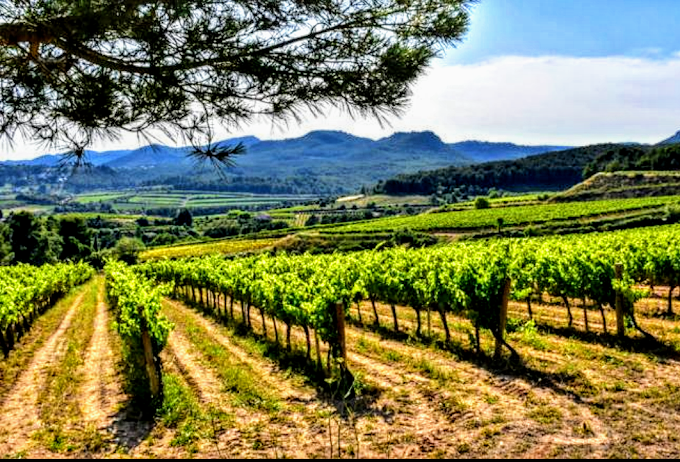
Penedès Wine Region Ancient Vines Meet Catalan Terroir
Morning mist clings to the rows of Xarel·lo vines as the sun crests the Montserrat massif—light filtering through the leaves to illuminate soil that has nurtured grapes for 2,500 years. You stand on the terrace of a centuries-old masia, breathing air scented with damp earth and ripening fruit, listening to the distant hum of bottling lines in the valley below. This is the Penedès wine region, a 40,000-hectare mosaic of vineyards stretching from the Mediterranean coast to the foothills of the Pyrenees, where the invention of Cava in 1872 revolutionized sparkling wine production. The silence here is deceptive; beneath the surface, roots delve into calcareous clay, drawing minerals that define the sharp acidity and floral notes of the region's flagship whites. In 2026, as industrial agriculture homogenizes flavor profiles globally, the Penedès wine region matters because it remains a stronghold of Denominació d'Origen Protegida (DOP) integrity—demanding visitors taste not just wine, but the history of a landscape that refuses to compromise quality for quantity.
Why Penedès Wine Region Embodies Catalan Viticulture
The Penedès wine region solves a fundamental enological need: the production of high-quality sparkling and still wines within a diverse microclimate system. Divided into three distinct zones—Penedès Superior (up to 800 meters elevation), Penedès Central (250–500 meters), and Penedès Marítim (sea level)—the region leverages altitude and proximity to the sea to create varied terroirs. The historical significance is profound; Roman writers like Martial praised the wines of Tarraconensis in the 1st century AD, but the modern identity was forged after the Phylloxera plague of 1887 devastated European vineyards. Penedès rebounded by grafting European vines onto American rootstock, leading to a renaissance that culminated in Josep Raventós producing the first bottle of Cava using the traditional method in 1872.
Technical specifications reveal the scale of production: the region hosts over 400 wineries, ranging from multinational corporations like Freixenet and Codorníu to family-owned estates producing fewer than 5,000 bottles annually. The primary grapes—Macabeo, Xarel·lo, and Parellada for whites; Tempranillo (Ull de Llebre) and Garnacha for reds—are cultivated on soils composed of clay, limestone, and sandstone. Conservation efforts, led by the Consell Regulador del Penedès, enforce strict yield limits (maximum 12,000 kg per hectare for whites) to ensure concentration of flavor. This preservation fulfills a need for authenticity; in 2026, amidst mass-produced beverages, the Penedès wine region offers a tangible connection to agricultural traditions where the hand of the grower is still visible in the glass.
The Best Time to Experience Penedès Wine Region
For optimal conditions—when the vines are lush and the harvest activities are in full swing—target September 1–October 15. During these weeks, daytime temperatures range 20–28°C (68–82°F), while nights cool to 12–16°C (54–61°F), perfect for evening tastings on outdoor terraces. For photography and vineyard walks, arrive at the winery gates by 9:00–10:00 AM, when the morning light illuminates the rows without the glare of midday sun.
The golden hour before sunset—approximately 8:30–9:30 PM in September, 7:00–8:00 PM in October—casts warm amber light onto the grape clusters, creating ideal conditions for capturing the texture of the vines against the backdrop of Montserrat. Visit Tuesday through Thursday to avoid weekend crowds from Barcelona; Saturday afternoons see visitor numbers exceed 3,000 people in Sant Sadurní d'Anoia, creating bottlenecks at popular Cava houses. Avoid August 1–20 unless you tolerate temperatures exceeding 32°C (90°F) and reduced opening hours; similarly, avoid December 24–January 6 when many family wineries close for holidays or operate on reduced schedules.
Verify current harvest events and winery opening hours at the official Penedès Tourism website: https://dopenedes.cat/ or call the Tourism Office at +34 938 900 161.
Approximate Budget for a 7-Day Trip (2026)
This budget reflects mid-range travel with comfortable accommodations, quality dining, and wine experiences—based on 2025 pricing adjusted for Spain's projected 3.2% inflation rate for 2026. Penedès is a rural destination; costs are moderate, but premium winery tours and tastings add to the expense. This itinerary assumes a base in Vilafranca or a rural masia.
Accommodation: €100–€200 per night
- Rural masia in vineyards: €100–€150 (Mas Tinell)
- 3-star hotel in Vilafranca: €130–€180 (Hotel Bolet)
- Boutique winery hotel: €180–€250 (Torres Hotel)
Food: €50–€85 per day
- Breakfast: €8–€12 (coffee, pastry, toast at local café)
- Lunch: €18–€30 (menú del día: grilled meat, seafood, or pasta with wine)
- Dinner: €25–€45 (traditional restaurant: steak, wine, dessert)
Transportation:
- Rental car (7 days, compact): €280–€350 (essential for winery hopping)
- Train Barcelona to Vilafranca (RENFE): €6 one-way, 45 minutes
- Fuel for regional exploration (400 km): €60–€75
- Taxi between wineries: €30–€50 per trip
Attractions & Experiences:
- Cava tasting (Freixenet/Codorníu): €15–€25
- Premium winery tour (Torres/Albet i Noya): €30–€50
- Vineyard picnic experience: €40 per person
- Wine Museum (Vilafranca): €6
- Harvest participation (seasonal): €50 per day
Miscellaneous:
- Wine purchases (shipping home): €100–€300
- Souvenirs and local food: €40–€70
- Travel insurance (7 days): €35–€55
- Emergency fund: €100 (recommended)
Total for 7 days (mid-range): €1,500–€2,100 per person (excluding international flights)
6 Essential Penedès Wine Region Experiences
- Tour the Codorníu Cellars: Located in Sant Sadurní d'Anoia, this National Monument features 25 kilometers of underground tunnels. Enter at 10:00 AM for the classic tour. The Gothic-style cellars date to 1551, predating the Cava production. You'll taste three Cavas in the tasting room. Allow 90 minutes. The architecture is as impressive as the wine. Photography is permitted in the tunnels but not in the tasting room. This experience is the historical anchor of the Penedès wine region.
- Visit Torres Winery: Located in Pacs del Penedès, this family estate combines tradition with innovation. Book the Wine Garden tour at 11:00 AM. The visit includes a walk through the organic vineyards and a tasting of five wines paired with local cheese. The modern architecture contrasts with the 19th-century buildings. Allow 2 hours. Reservations are essential; book 2 weeks ahead via their website. This experience showcases the future of sustainable viticulture.
- Explore Vilafranca del Penedès: The capital of the region features the Wine Museum (Museu de les Cultures del Vi). Open Tuesday–Saturday, 10:00 AM–7:00 PM. Entry €6. The collection includes ancient amphorae and modern bottling equipment. The Gothic palace housing the museum is worth the visit alone. Allow 60 minutes. This experience contextualizes the social history of wine in Catalonia. Photography permitted without flash.
- Enjoy a Vineyard Picnic: Several wineries, such as Albet i Noya, offer picnic baskets in the vines. Reserve for 1:00 PM. You'll receive local charcuterie, cheese, bread, and a bottle of wine. The table is set under the shade of oak trees among the rows. Best visited in May or September when weather is mild. Allow 2 hours. This experience offers relaxation away from the formal tasting rooms.
- Attend the Harvest Festival: If visiting in late September, the Festa de la Verema in Vilafranca celebrates the grape pick. Dates vary annually (last weekend of August/first of September). The parade features giant figures and grape carts. Entry to most events is free. Crowds are significant; arrive by 9:00 AM. This event highlights the community spirit of the Penedès wine region. Check dates at festaverema.cat.
- Taste Organic Biodynamic Wines: Visit Mas Comtal in La Llacuna for biodynamic production. Tour at 12:00 PM. The winery uses no chemicals, relying on lunar cycles for harvesting. The tasting includes natural wines with minimal intervention. Allow 90 minutes. This experience appeals to those interested in sustainability. The flavors are distinct from conventional wines. Booking required via phone (+34 938 993 000).
3 Hidden Gems Most Travelers Miss
- Celler de Can Rates: Located in the coastal sub-zone of Penedès Marítim, this small winery focuses on Malvasia and Garnacha. Access via car (30 minutes from Vilafranca). Tastings by appointment only (email info@canrates.com). The vineyards are just 2 kilometers from the sea, imparting salinity to the wine. It is overlooked because it is far from the main Cava route. Best visited in the afternoon. This experience offers a taste of the maritime terroir.
- Roman Villa of Els Munts: Located near Altafulla (edge of Penedès), this archaeological site features a 2nd-century AD wine press. Entry €4; open Tuesday–Saturday, 10:00 AM–6:00 PM. The preserved torcularium shows how Romans crushed grapes. It is special because it connects modern wine to ancient methods. Visit at 11:00 AM when the guide explains the process. This site is often missed by wine tourists focused on modern cellars.
- Sant Pau d'Ordal Hermitage: This 10th-century chapel sits on a hill overlooking vineyards in Subirats. Access via a 1-kilometer hike from the village. Entry free; open daylight hours. The view encompasses the entire Penedès valley. It is overlooked because it requires a short walk. Best visited at sunset. No facilities exist; bring water. This spot offers solitude and panoramic photography opportunities.
Cultural & Practical Tips
- Language etiquette: Catalan is the primary language; Spanish is widely understood. Key phrases: Bon dia (BON DEE-ah = good morning), Salut (sah-LOOT = cheers), Gràcies (GRAH-see-es = thank you), Parla anglès? (PAR-lah ang-LES = do you speak English?). Using Catalan greetings shows respect for local identity.
- Driving safety: Drink-driving laws are strict (0.5 g/L blood alcohol limit). Do not drive after tastings; use designated drivers or taxis. Police conduct random checkpoints, especially during harvest season. Fines start at €500. Plan your route to minimize driving between wineries. This is critical for safety and legal compliance in the Penedès wine region.
- Tasting etiquette: Spit buckets are provided; using them is not rude but expected if visiting multiple wineries. Do not wear strong perfume; it interferes with the aroma assessment. Arrive on time; tours start promptly. Photography in cellars is usually allowed, but ask before snapping. Respect the winemaker's time.
- Booking logistics: Small wineries require appointments 48 hours in advance. Large houses (Freixenet) accept walk-ins but booking saves time. Cancellations should be made 24 hours ahead. Many wineries close on Sundays; plan accordingly. This ensures you do not miss out on experiences.
- Weather considerations: Penedès can be hot in summer. The Mestral wind can be strong in spring. Check forecasts at meteocat.gencat.cat before traveling. Summer temperatures exceed 30°C; sun protection is critical. Wear SPF 50+ and hats. Winter nights can drop to 5°C; layer clothing.
- Dining schedules: Lunch runs 1:30–3:30 PM; dinner doesn't begin until 8:30 PM. Many restaurants close between 4:00–8:00 PM; plan accordingly. For authentic cuisine, try calçots (in season) or pa amb tomàquet. Reservations recommended for weekends. Tipping 5–10% is appreciated for good service.
- Shipping wine: Most wineries offer international shipping. Ask about customs limits for your home country. EU residents can transport unlimited wine for personal use; non-EU limits apply. Pack bottles in specialized boxes provided by the winery. This ensures your purchases arrive safely.
Conclusion: Travel with Mindfulness, Not Just Consumption
The Penedès wine region does not exist merely for your palate—it stands as a living archive of agricultural resilience and cultural identity. What it deserves is your mindfulness: the willingness to sip slowly without rushing to the next bottle, to understand that the wine in your glass represents a year of labor in the vines, to recognize that these vineyards are working farms first and tourist attractions second. In 2026, as climate change threatens viticulture globally, Penedès offers a model of adaptation—demonstrating how tradition can evolve without losing its soul. Sit on the terrace not to check a box, but to watch the light change on the Montserrat peaks. Taste the Cava not for intoxication, but to honor the monks who perfected the method. Let the vines teach you that patience yields the best fruit. Travel to Penedès not to consume, but to connect, ensuring your visit supports the growers who keep this landscape alive for future generations to enjoy.