
Costa Smeralda Emerald Waters Meet Mediterranean Luxury
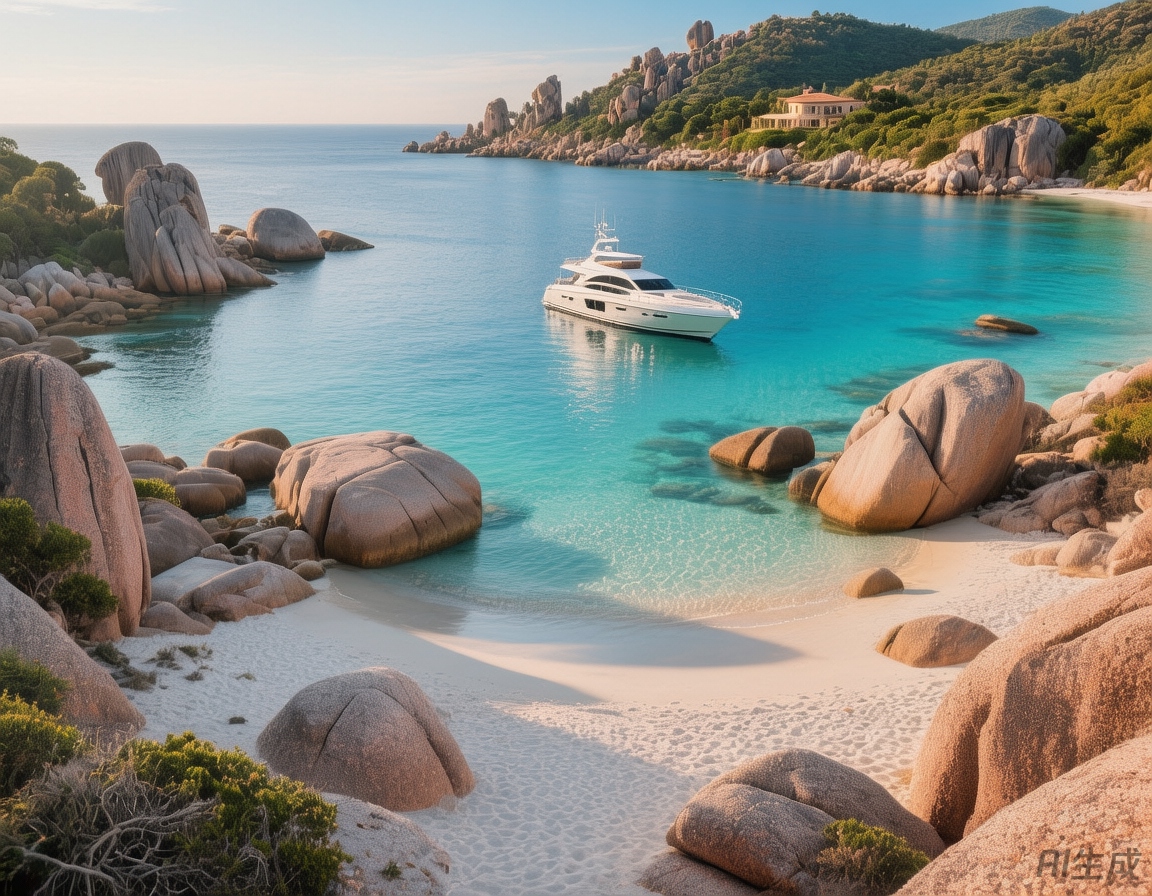
The morning sun glints off the turquoise waters of the Tyrrhenian Sea, fracturing into a million shards of light that dance across the surface. You hear the gentle lap of waves against the fine white sand of Spiaggia del Principe, the distant hum of a luxury yacht anchoring in the bay, and the soft rustle of Mediterranean maquis—wild rosemary, myrtle, and juniper—on the coastal breeze. This is the Costa Smeralda (“Emerald Coast”), a 55-kilometer (34-mile) stretch of Sardinia’s northeastern shore that has been synonymous with glamour since its creation in 1961 by Prince Karim Aga Khan and a consortium of investors [[47]]. The coastline is a masterpiece of natural drama: smooth granite boulders sculpted by wind and sea frame coves of blindingly white sand, while the water shifts from deep blue to an almost unreal emerald green. In an age of overtourism and fleeting trends, the Costa Smeralda matters now more than ever—it is a place where natural beauty and curated luxury coexist in perfect, unspoiled harmony.
Why Costa Smeralda Embodies Curated Elegance
The Costa Smeralda is not a naturally occurring resort; it is a visionary creation born from a desire to protect Sardinia’s pristine coastline from haphazard development. In 1961, Prince Karim Aga Khan, alarmed by the unchecked construction on other Mediterranean shores, assembled a consortium to develop this stretch of coast with strict architectural guidelines. The result was a masterplan that mandated low-rise buildings, local granite construction, and integration with the landscape—ensuring that the region’s natural beauty would remain the star [[47]]. The name “Emerald Coast” was coined by the prince himself, inspired by the water’s unique hue, created by the reflection of sunlight off the white sandy seabed and the surrounding granite. This approach “solved” a critical problem of its time: how to create a world-class destination without sacrificing environmental integrity. Today, it fulfills a modern need—for a place where luxury is not garish, but refined; where five-star resorts like Hotel Cala di Volpe blend seamlessly into the maquis, and where the primary soundtrack is the wind and the waves, not the roar of traffic.
The Best Time to Experience Costa Smeralda
To experience the Costa Smeralda in its most balanced and comfortable state, plan your visit for the specific windows of May 15–June 20 or September 10–October 5, 2026. During these periods, the weather is ideal, with daytime temperatures ranging from a pleasant 22–27°C (72–81°F), and the sea has warmed to a swimmable 20–23°C (68–73°F) [[11]]. The best time of day to enjoy the beaches is in the early morning, between 8:00 AM and 10:30 AM, when the light is soft, the water is calm, and you can often have a cove to yourself before the yachts arrive. It is essential to avoid the peak summer period of July 20–August 25, when the area becomes a hub for international jet-setters, accommodation prices triple, and the serene atmosphere gives way to a more bustling energy [[66]]. For the most current information on ferry schedules, local events, and guided tours, always consult the official tourism portal: costasmeralda.it.
Approximate Budget for a 7-Day Trip (2026)
This budget is calculated for a solo traveler seeking a comfortable, luxury-leaning experience in Sardinia in 2026, based on current inflation trends and average regional costs.
- Accommodation: €150–€300 per night. Staying in a boutique hotel in Porto Cervo offers access to the heart of the Costa Smeralda. Options in nearby San Teodoro are more affordable but require a car.
- Food: €60 per day. Breakfast (€8): a cappuccino and cornetto at a local bar. Lunch (€25): a plate of seafood pasta at a beachside trattoria. Dinner (€27): a main course like grilled lobster with a glass of local Vermentino wine.
- Transportation: €200 total. A rental car for the week is essential for exploring the coast (€60/day). Occasional taxi rides from Olbia Airport (€40).
- Attractions: Boat tour of the Archipelago of La Maddalena (€80). Guided hike through the Capo Testa nature reserve (€35). Visit to the Museo Nazionale Archeologico in Cagliari (€8).
- Miscellaneous: €150. This covers a bottle of local wine (€25), several gelato stops (€5 each), a private beach club day pass (€50), and souvenirs like handmade coral jewelry.
Total Estimated Cost: €1,420–€1,660
6 Essential Costa Smeralda Experiences
- Relax at Spiaggia del Principe: Arrive by 8:30 AM to secure a spot on this iconic beach, named after the Aga Khan. The water is so clear it feels like liquid glass, and the backdrop of pink granite boulders is unforgettable.
- Stroll Through Porto Cervo’s Piazzetta: Wander the charming harbor square, designed by architect Luigi Vietti. Admire the pastel-colored buildings, browse high-end boutiques, and watch the superyachts dock in the marina.
- Take a Boat Tour to La Maddalena: Book a small-group tour to the nearby archipelago. Swim in the crystal-clear waters of Budelli’s Pink Beach (viewing only) and explore the uninhabited islands of Spargi and Santa Maria.
- Dine at a Seaside Trattoria: Reserve a table at a family-run restaurant like Ristorante La Vela. Savor fresh seafood as you watch the sunset over the Tyrrhenian Sea.
- Explore the Hinterland of Gallura: Rent a car to discover the rugged interior—visit ancient Nuragic ruins, taste Vermentino wine at a local cantina, and hike through the fragrant Mediterranean scrub.
- Visit the Church of Stella Maris: This striking modern church in Porto Cervo, designed by Vietti, features a sail-like roof and stunning views over the harbor. It’s a peaceful retreat from the coastal bustle.
3 Hidden Gems Most Travelers Miss
- Cala Brandinchi: Often called “Little Tahiti,” this secluded cove near San Teodoro has powdery white sand and shallow, turquoise water. It’s less crowded than the main Costa Smeralda beaches and perfect for families.
- The View from Monte Moro: A short drive inland offers a panoramic vista of the entire Emerald Coast. It’s a favorite spot for photographers at sunset, far from the harbor crowds.
- The Secret Path to Capriccioli: Near the famous beach, a hidden trail leads to a smaller, quieter cove favored by locals. Ask a fisherman in the village for directions—they’re usually happy to help.
Cultural & Practical Tips
- Rent a car: Public transport is extremely limited. A car is essential for exploring the diverse beaches and interior of the Gallura region.
- Bring water shoes and reef-safe sunscreen: Many beaches have rocky entries, and the marine ecosystem is fragile. Protect your feet and the environment.
- Learn a few key phrases: “Dov’è la spiaggia più bella?” (DOH-veh lah spy-AH-jah PEE-oo BEL-lah?) for “Where is the most beautiful beach?”, and “Un caffè, per favore” (oon kah-FEH).
- Respect the environment: Much of the coast is part of a protected marine area. Do not anchor on seagrass, do not remove any natural items, and stick to marked trails.
- Dress smart-casual for dinner: Even in summer, many upscale restaurants in Porto Cervo expect collared shirts for men and elegant attire for women.
- Book in advance: For a summer 2026 trip, reserve your accommodation and boat tours by January 2026 to secure availability.
Conclusion: Travel with Presence, Not Just a Yacht
The Costa Smeralda is not just a playground for the wealthy; it is a testament to the power of thoughtful design and environmental stewardship. In 2026, as we seek travel experiences that are both luxurious and meaningful, this Sardinian gem offers a rare balance—where the emerald waters invite you to swim, the granite cliffs inspire awe, and the pace of life encourages you to slow down. Your journey here should be one of mindful presence—not just chartering a yacht, but feeling the warmth of the white sand, listening to the silence between the waves, and understanding the vision that preserved this paradise. By traveling with this deep attention, you honor the legacy of the Aga Khan and help ensure its beauty endures. Slow down. Let the tide set your schedule. In that quiet communion with the Tyrrhenian blue, you don’t just visit the Costa Smeralda—you become part of its timeless, luminous story.