
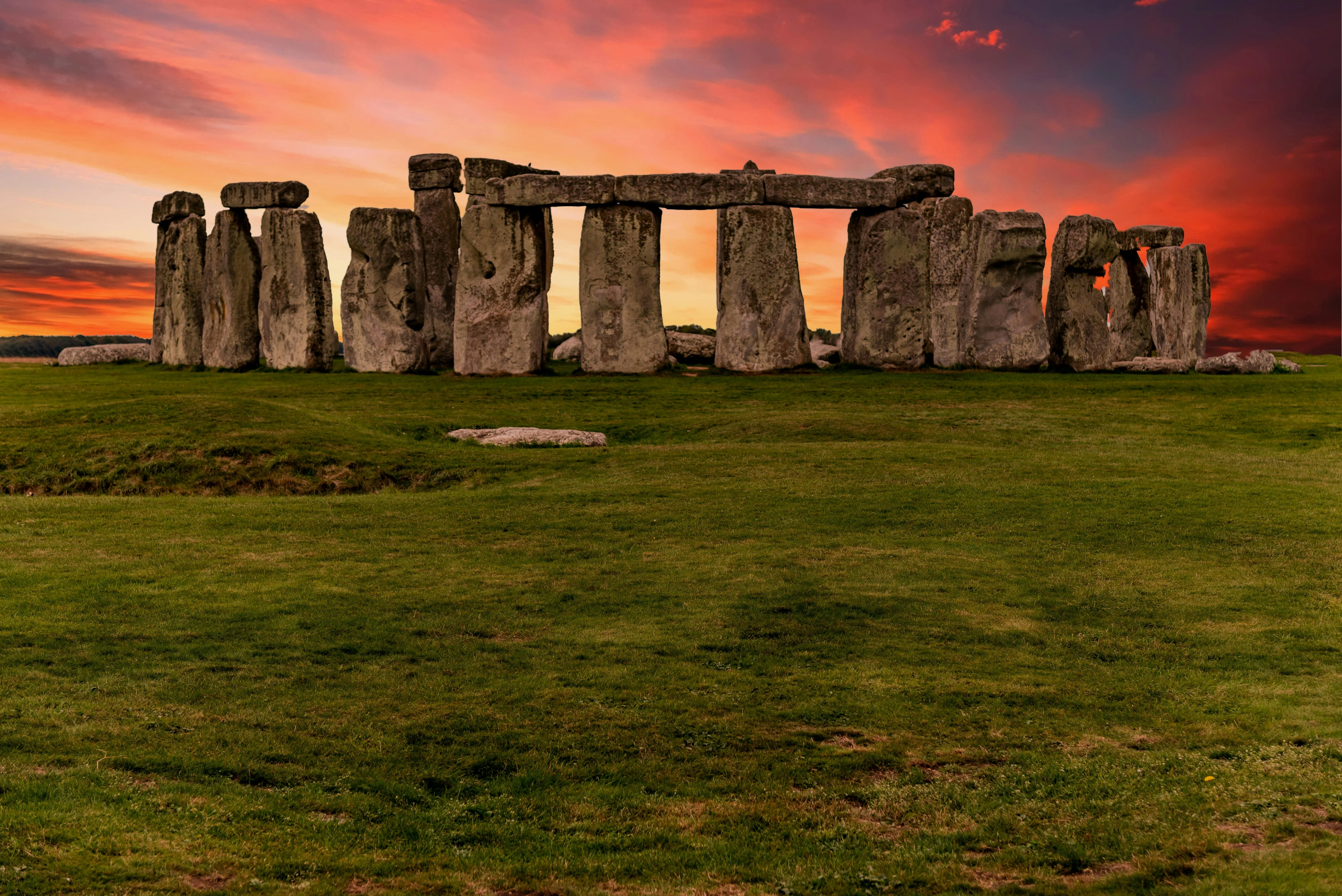
Stonehenge Prehistoric Monoliths Meet Neolithic Mystery
The wind whispers—a low, mournful tune that sweeps across the grass—as you stand 30 meters from the sarsen circle at 6:45 AM, watching mist cling to the 4-meter-high stones like ghostly breath. The air smells of damp earth and ancient chalk; the silence hums with the weight of 5,000 years of human history buried beneath the turf. Constructed in phases between 3000 BC and 2500 BC, Stonehenge dominates the Salisbury Plain with 82 bluestones and 30 massive sarsens, each weighing up to 25 tons. You stand on the solstice axis, where the Heel Stone aligns perfectly with the rising sun on the longest day, while the Aubrey Holes circle the perimeter like forgotten scars. Every weathered surface tells a story: Neolithic builders dragging logs, Bronze Age burials, and modern pilgrims gathering at dawn. In 2026, as digital distractions fragment our attention, visiting Stonehenge means engaging with a monument that demands patience and reverence. This place matters now because it remains the world's most sophisticated prehistoric calendar, challenging visitors to confront the deep time of human existence while navigating the mystery of ancestral engineering.
Why Stonehenge Embodies Prehistoric Engineering Mastery
Stonehenge solves the astronomical need to track solar cycles and honor the dead—a feat achieved through generations of tribal cooperation and precise stonemasonry. When the first earthworks began around 3000 BC, the site served as a cremation cemetery, evolving into the stone monument we recognize today by 2500 BC. The sarsen stones, sourced from Marlborough Downs 32 kilometers away, were shaped using stone axes and joined with mortise and tenon joints typically found in woodwork. Engineering-wise, the bluestones traveled 240 kilometers from the Preseli Hills in Wales, likely via raft and sled, requiring hundreds of people to move each 4-ton block. The circle spans 33 meters in diameter, oriented to capture the summer solstice sunrise and winter solstice sunset, acting as a massive solar clock. Today, English Heritage manages the site, balancing conservation with access by restricting close proximity to the stones except during special bookings. This unique status ensures Stonehenge remains not merely a ruin but a protected sanctuary, blending archaeological preservation with public education in a manner few ancient sites sustain.
The Best Time to Experience Stonehenge
For optimal lighting and manageable crowds, plan your visit between May 15–June 20 or September 10–October 15, when temperatures range from 15–22°C (59–72°F) and daylight extends until 9:00 PM. Arrive precisely at 9:30 AM when doors open to beat the tour buses that typically converge by 11:00 AM; the morning light illuminates the stones beautifully without the glare of midday sun. Evening visits during summer offer a romantic atmosphere, though the site closes at 7:00 PM except for special events. Avoid June 20–June 22 unless you have a ballot ticket for the Solstice, as crowds exceed 10,000 people and access is restricted. Winter months (December–February) offer shorter lines but temperatures drop to 2–8°C (36–46°F), and the plain becomes windy and cold. For special access, verify the calendar at before booking, as special stone circle tours sell out weeks in advance. Tuesday and Thursday mornings typically see the lowest visitor volume, allowing for quieter contemplation near the Cursus Barrows.
Approximate Budget for a 7-Day Trip (2026)
Wiltshire remains a moderate destination, but staying in Salisbury or Bath provides immediate access to Stonehenge without excessive transport costs. These 2026 estimates assume a moderate travel style, accounting for approximately 3-4% annual inflation in UK hospitality and attraction pricing.
- Accommodation: £100–£220 per night for a double room in Salisbury, Amesbury, or Bath; budget hostels from £40/night in nearby Devizes
- Food: £45–75 per day—breakfast £8–12 (café pastry or full English), lunch £12–20 (pub meal or café sandwich), dinner £25–43 (mid-range restaurant with wine); traditional ploughman's lunch £15
- Transportation: £15.00 daily average for bus/train combos; Train from London Waterloo to Salisbury £45 return; Stonehenge Tour Bus £25 return from station
- Attractions: Stonehenge £22.00 adult, Stone Circle Special Access £65.00, Salisbury Cathedral £20.00, Old Sarum £20.00, Bath Roman Baths £26.00
- Miscellaneous: Souvenir guidebook £12, stone postcards £5, windproof jacket (essential) £40, travel insurance £50 for week
Total for 7 days: £1,200–1,750 per person (excluding international flights)
7 Essential Stonehenge Experiences
- Outer Circle Walk: Traverse the path surrounding the monument for panoramic views. Open 9:30 AM–7:00 PM; the audio guide explains the construction phases. The wind is constant here, so secure your hat while listening to the Neolithic history.
- Special Stone Circle Access: Book a ticket to walk among the stones. Available before 9:30 AM or after 7:00 PM; you can touch the weathered surface. The silence inside the circle is profound, offering a connection unavailable to general visitors.
- Neolithic Houses Tour: Visit the reconstructed dwellings near the visitor center. Open during site hours; the thatched roofs and wattle walls show daily life. Look for the tools and pottery displayed inside the dimly lit interiors.
- Visitor Centre Museum: Examine the ancient artifacts recovered from the site. Open 9:30 AM–5:00 PM; the display includes human remains and stone axes. The 360-degree cinematic experience provides context on the landscape's evolution.
- Heel Stone Photography: Capture the iconic standalone stone from the path. Best light occurs at 6:00 AM or 8:00 PM in summer; the lichen-covered surface contrasts with the green grass. Use the path railing to frame the shot without obstructing others.
- Barrows Walk: Hike the ancient burial mounds surrounding the site. The 2-kilometer loop takes 45 minutes; notice the Bronze Age tumuli dotting the horizon. The view from the highest barrow encompasses the entire plain and the monument.
- Sunset Viewing: Watch the light fade over the sarsens during summer. Special tickets required for entry after hours; the stones glow amber in the low light. The temperature drops rapidly, so layer clothing for the evening chill.
3 Hidden Gems Most Travelers Miss
- Cursus Barrows: These ancient burial mounds lie west of the main circle. Access via the public footpath from the visitor center; open 24 hours. Most tourists stay near the shuttle stop, missing the quiet landscape where thousands were buried 4,000 years ago.
- Woodhenge: Located 3 kilometers away, this site marks where wooden posts once stood. Access via the A345 road; open dawn–dusk. The concrete markers outline the original posts, offering insight into the timber phase of the ritual landscape.
- The Avenue: This ceremonial pathway leads from the stones to the River Avon. Access via the field path south of the monument; open during daylight. Walk the grassy banks to understand how processions approached the circle from the water.
Cultural & Practical Tips
- Booking policy: Pre-book online to save 10% and guarantee entry; timed slots fill quickly during school holidays. Print tickets or use mobile QR codes for faster scanning at the turnstiles.
- Photography rules: Photography is permitted in most areas for personal use without flash. Tripods require permission for commercial shoots; respect signs indicating no photography inside the visitor center cinema.
- Weather preparedness: The plain is exposed and windy; carry a compact umbrella (£10 from Boots pharmacy) and windproof layers. Grass surfaces become slippery when wet—wear shoes with good grip.
- Local phrases: Learn "Mind the gap" (watch the step), "Cheers" (thanks), and "Queue here" (wait in line); locals appreciate visitors who respect pedestrian flow on the narrow shuttle paths.
- Accessibility: The site offers step-free access via paths and shuttles; wheelchair users receive priority entry—contact customers@english-heritage.org.uk 48 hours ahead to arrange assistance. Some grass areas may be uneven.
- Transport logistics: Take the train to Salisbury Station; the Stonehenge Tour Bus departs hourly. Driving is permitted but parking fills quickly; arrive by 9:00 AM to secure a space in the main lot.
- Respectful behavior: Do not climb the stones or remove chalk fragments; the site is protected by law. Keep voices lowered near the burial mounds; this is a sacred space for many modern druids and visitors.
Conclusion: Travel with Reverence, Not Just Checklists
Stonehenge demands more than a snapshot beside the stones—it invites you to contemplate the weight of time resting on that windswept plain. When you stand at the circle in 2026, tracing the alignment used by ancestors millennia ago, you're not just ticking a sightseeing box; you're witnessing the delicate balance between archaeological preservation and public access. As overtourism pressures historic landmarks, visiting mindfully means respecting the sacred nature of this institution, understanding that behind the ticket barriers, the land holds secrets yet undisturbed. Walk slowly across the grass, noticing how the light changes on the lichen; listen to the wind not as background noise but as the voice of history. Leave only footprints on the path, take only memories of ancient engineering, and carry forward the understanding that places like this endure because each generation chooses to protect them—not as attractions, but as living testaments to human curiosity, spirituality, and the enduring mystery of our origins.