
Syracuse Greek Ruins Ancient Columns Meet Sicilian Light
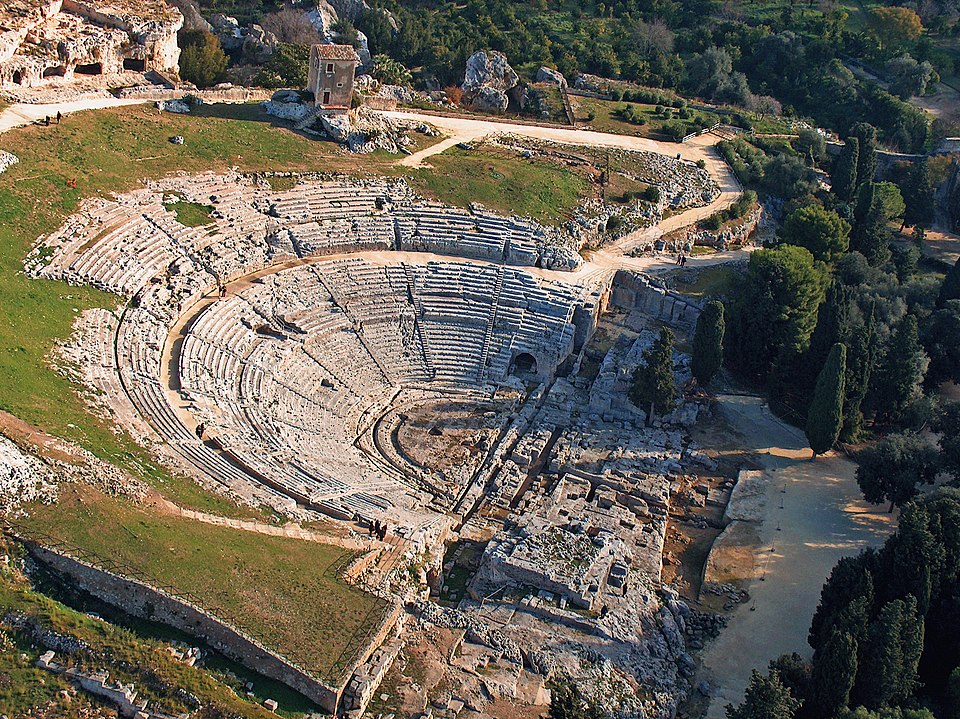
The morning sun in Sicily strikes the honey-colored limestone of the Temple of Athena, casting long, sharp shadows that accentuate every fluted column and weathered capital. You hear the soft buzz of cicadas in the surrounding pines, the distant murmur of the Ionian Sea just beyond the city walls, and the profound silence that hangs over this sacred archaeological park. This is the Neapolis Archaeological Park in Syracuse—a site where time seems to have paused, home to some of the most significant Greek ruins outside of Athens. The 5th-century BC Greek Theater, carved directly into the rock, once seated 15,000 spectators for performances of Aeschylus’ tragedies; nearby, the massive Altar of Hieron II was used for public sacrifices on a scale unmatched in the ancient world [[41]]. In an age of digital distraction and fleeting trends, Syracuse’s Greek ruins matter now more than ever—they are a place of elemental beauty, where the raw power of ancient architecture can be felt in every stone, offering a direct, unmediated connection to the cradle of Western civilization.
Why Syracuse Greek Ruins Embodies Timeless Grandeur
The Greek ruins of Syracuse are not merely archaeological relics; they are masterclasses in the enduring power of civic ambition and artistic vision. Founded by Corinthian colonists in 734 BC, Syracuse quickly became one of the most powerful and wealthy cities in the ancient Mediterranean. At its peak in the 5th century BC under the tyrant Hieron II, it rivaled Athens in cultural influence. The Greek Theater, with a diameter of 138 meters (453 feet), is the largest of its kind in Sicily and was ingeniously carved into the natural slope of the Temenite Hill, providing perfect acoustics and sightlines [[41]]. The adjacent Altar of Hieron II, measuring 198 by 22 meters (650 by 72 feet), was the largest altar in the Greek world—its sheer scale a testament to the city’s wealth and piety. These structures “solved” a fundamental problem of their time: how to create spaces that embodied the divine order and civic pride of a thriving metropolis. Today, their stark, unadorned beauty fulfills a modern need—for authenticity in a world of visual noise. Standing among them, you don’t just see history; you feel the weight of millennia in the cool stone and the vast, open sky.
The Best Time to Experience Syracuse Greek Ruins
To experience the ruins in their most atmospheric and comfortable state, plan your visit for the specific windows of April 15–May 25 or September 10–October 15, 2026. During these periods, the weather in eastern Sicily is ideal, with daytime temperatures ranging from a pleasant 21–26°C (70–79°F), and the intense summer crowds have yet to arrive or have already departed [[11]]. The best time of day to visit is in the early morning, between 8:30 AM and 10:30 AM, when the light is soft, the site is quiet, and you can have the ruins almost to yourself before the tour groups arrive. It is strongly advised to avoid the peak summer months of July and August, when temperatures can soar above 34°C (93°F) and the open archaeological site offers little shade, making exploration uncomfortable [[59]]. For the most current information on opening hours, special events like the annual Festival of Greek Theater,
Approximate Budget for a 7-Day Trip (2026)
This budget is calculated for a solo traveler seeking a comfortable, culturally rich experience in eastern Sicily in 2026, based on current inflation trends and average regional costs.
- Accommodation: €85–€140 per night. Staying in a boutique hotel in Ortygia, the historic island center, offers easy access to both the ruins and the old town. Options in the mainland part of Syracuse are more affordable.
- Food: €45 per day. Breakfast (€5): a cappuccino and brioche at a local bar. Lunch (€16): a plate of pasta alla Norma at a trattoria near the archaeological park. Dinner (€24): a main course like grilled swordfish with a glass of local Nero d’Avola wine.
- Transportation: €120 total. A regional train ticket from Catania to Syracuse (€7). A weekly pass for local buses (€15). Occasional taxi rides between Ortygia and the Neapolis Park (€10).
- Attractions: Entry to the Neapolis Archaeological Park (€10). Guided walking tour of Ortygia and the Greek ruins (€20). Visit to the Paolo Orsi Regional Museum (€6).
- Miscellaneous: €95. This covers a bottle of local olive oil (€15), several gelato stops (€3 each), a cooking class featuring Sicilian recipes (€40), and souvenirs like a replica of a Greek mask.
Total Estimated Cost: €875–€995
6 Essential Syracuse Greek Ruins Experiences
- Witness the Sunrise at the Greek Theater: Arrive just after opening to see the first light strike the massive stone seats. Imagine the roar of 15,000 spectators as you stand on the stage where Aeschylus himself presented his plays.
- Explore the Immense Altar of Hieron II: Walk the full length of this colossal structure, which was used for mass animal sacrifices. Its scale is a humbling reminder of Syracuse’s ancient power and piety.
- Visit the Ear of Dionysius: This limestone cave, shaped like a human ear, has legendary acoustics. Whisper at one end and be heard clearly 20 meters away—a feature that gave rise to tales of the tyrant eavesdropping on prisoners.
- Attend a Performance at the Greek Theater: During the summer, the ancient theater hosts concerts and classical plays. Check the schedule for a chance to experience the site as a living cultural venue.
- Combine Your Visit with Ortygia: After exploring the ruins, walk back to the island of Ortygia to see the Temple of Apollo and the stunning Cathedral, which was built around the columns of a Greek temple to Athena.
- Picnic in the Archaeological Park: Bring a simple lunch and find a quiet spot among the ruins. There’s no more powerful way to connect with the site than to sit in its peaceful embrace.
3 Hidden Gems Most Travelers Miss
- The Roman Amphitheater: Often overshadowed by the Greek Theater, this 3rd-century AD structure is equally impressive, with a complex system of underground tunnels for gladiators and animals. It’s located just a short walk from the main entrance.
- The Secret Garden of Villa Landolina: Behind the Paolo Orsi Museum, this small, peaceful garden features ancient statues and a tranquil atmosphere. It’s a favorite spot for locals but rarely visited by tourists.
- The View from Temenite Hill: Climb to the top of the hill behind the Greek Theater for a panoramic vista that includes the entire archaeological park, the city of Syracuse, and the Ionian Sea beyond.
Cultural & Practical Tips
- Wear a hat and sunscreen: The site is completely exposed to the sun. There is very little shade, so protect yourself, especially in the warmer months.
- Bring plenty of water: Dehydration is a real risk, particularly in summer. Carry at least 1 liter of water with you.
- Learn a few key phrases: “Dov’è il parco archeologico?” (DOH-veh eel PAHR-koh ahr-keh-oh-LAH-jee-koh?) for “Where is the archaeological park?”, and “Un caffè, per favore” (oon kah-FEH).
- Respect the ruins: Do not climb on the walls or touch the ancient stones. The oils from your skin can damage the surface over time.
- Combine your visit with other sites: Syracuse pairs perfectly with a trip to Noto, Ragusa, or Mount Etna. The train station is a 15-minute bus ride from the archaeological park.
- Tipping is appreciated but not expected: A small tip of €1–€2 for a knowledgeable guide is a kind gesture.
Conclusion: Travel with Reverence, Not Just Curiosity
The Greek ruins of Syracuse are not a backdrop for your vacation photos; they are silent teachers of time, beauty, and human aspiration. In 2026, as we seek travel experiences that are both profound and grounding, Syracuse offers a rare gift: the chance to stand in the presence of something truly eternal. Your journey here should be one of reverence, not just curiosity. Feel the weight of the ancient stone, listen to the wind in the columns, and let the vast Sicilian sky put your own life into perspective. By traveling with this mindful respect, you honor the legacy of the Greeks who built these monuments and help preserve their power for future generations. Slow down. Sit on the grass and watch the light change on the columns. In that quiet moment of communion with antiquity, you don’t just visit Syracuse—you become part of its timeless, echoing story.
Image Description: Sun-drenched Greek Temple of Athena in Syracuse with dramatic Doric columns and the blue Sicilian sky at mid-morning