
Andermatt Ski Resort Alpine Powder Meets Swiss Precision
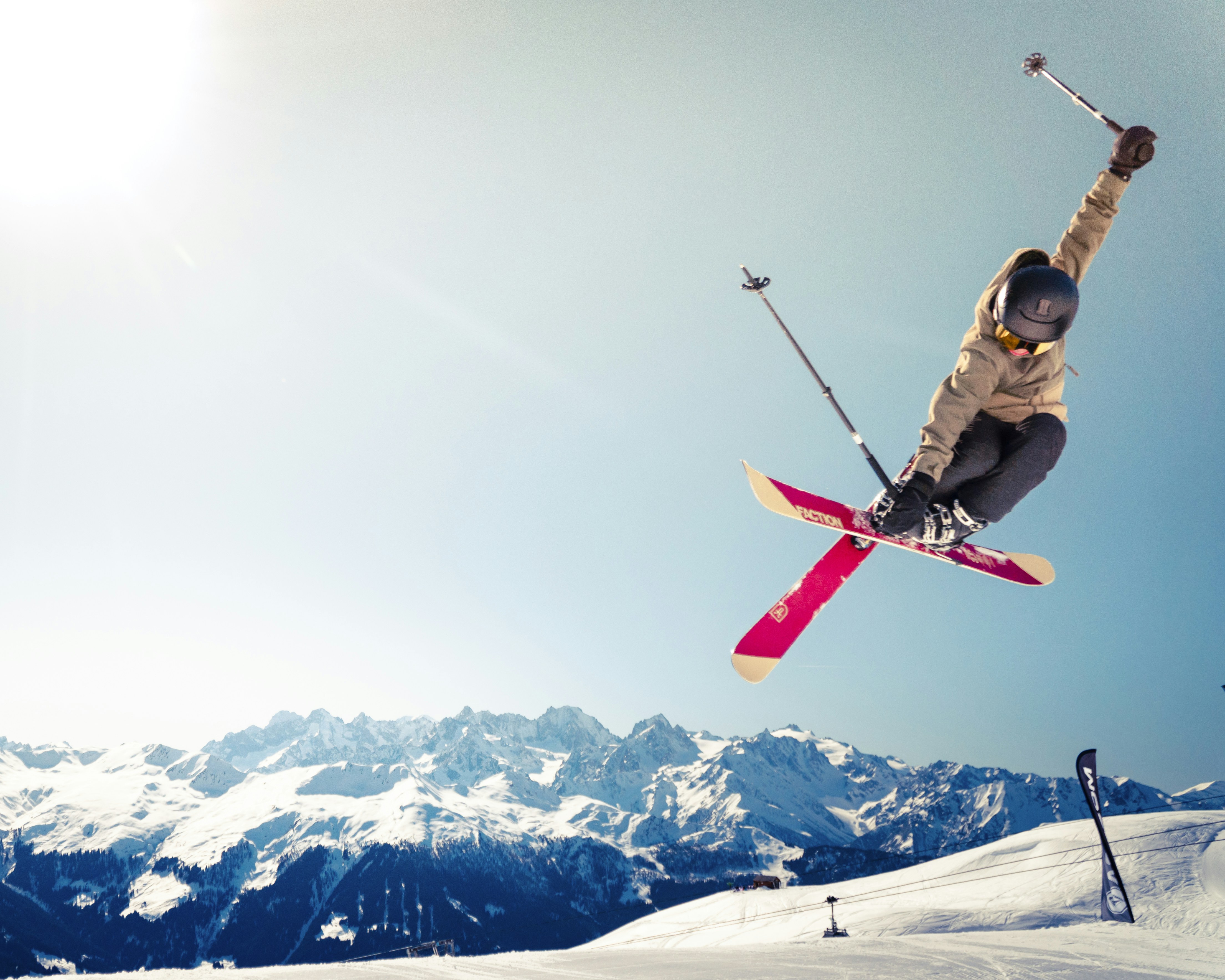
The air bites at your cheeks—crisp, thin, and carrying the scent of frozen pine and distant woodsmoke—as the gondola cable hums beneath the cabin, vibrating with the rhythm of the ascent. You stand at 2,961 meters (9,715 feet) on the summit of Gemsstock, looking down across a sea of white where the Urseren Valley unfolds like a crumpled map below. The silence here is profound, broken only by the sharp carve of skis on hardpack and the distant rumble of an avalanche control charge echoing off the granite faces. Since the major redevelopment began in 2007 under investor Samih Sawiris, Andermatt has transformed from a quiet military town into a world-class destination, yet the raw power of the Alps remains untamed. In 2026, as ski tourism increasingly battles warming temperatures and overcrowding, the Andermatt ski resort stands as a bastion of reliable snow and expansive terrain—a place where the sheer scale of the high Alps demands respect, reminding you that nature still dictates the terms of engagement regardless of luxury amenities.
Why Andermatt Ski Resort Embodies Alpine Transformation
The Andermatt ski resort represents a unique fusion of traditional Swiss village culture and modern luxury engineering, solving the historical problem of fragmented ski areas through ambitious infrastructure development. For decades, the three mountains—Gemsstock, Nätschen, and Gütsch—operated independently, limiting the skiable terrain to disconnected pockets. The completion of the SkiArena in 2014 linked these domains, creating 120 kilometers of prepared pistes and 60 kilometers of off-piste terrain accessible via a single lift pass. The engineering feat involved constructing the Gütsch Express gondola, which climbs 1,000 meters in just six minutes, utilizing bubble-heated cabins to ensure comfort in temperatures dropping to -15°C (5°F).
Beyond mechanics, the resort fulfills a cultural need for high-altitude reliability in an era of climate uncertainty. Situated in the heart of the Swiss Alps, Andermatt benefits from a microclimate that preserves snow quality later into the spring than lower resorts. The investment of over 1.5 billion Swiss francs since 2007 has revitalized the local economy, transforming abandoned buildings into five-star hotels like The Chedi and Radisson Blu while preserving the historic Old Village. Today, the infrastructure balances preservation with access: snowmaking systems cover 30% of the pistes to guarantee early-season conditions, while strict environmental regulations protect the surrounding wildlife zones. This living heritage proves that modern development can coexist with Alpine tradition while maintaining the raw authenticity of the mountain environment.
The Best Time to Experience Andermatt Ski Resort
For optimal conditions combining reliable snow coverage, clear visibility, and manageable lift queues, visit between December 15–January 8 or February 5–March 15. During these windows, summit temperatures range from -10 to -2°C (14–28°F), while the valley floor stays between -5 and 5°C (23–41°F). The ideal time to hit the slopes is 8:30–10:00 AM, when the morning sun warms the snow surface without creating afternoon slush and the first lifts open with minimal wait times.
Early season visits (November–early December) offer lower prices but limited terrain, as only 40% of lifts operate until natural snowfall accumulates. The Christmas period brings festive atmosphere but also peak pricing and crowds that exceed 5,000 daily visitors. Spring skiing (late March–April) provides warmer days up to 10°C (50°F) but requires early starts to avoid icy morning conditions and wet afternoon snow. The valley breeze can make perceived temperatures feel 5°C colder than recorded values.
Avoid these periods: November 1–December 10 (limited opening due to snow dependency), Easter Weekend (massive crowds and variable snow quality), and late April (closure of upper lifts). For real-time snow reports and lift status, verify conditions at andermatt.ch or check the Swiss Meteo Office at meteoswiss.admin.ch for avalanche warnings before departure.
Approximate Budget for a 7-Day Trip (2026)
This budget estimate reflects mid-range travel preferences for a solo traveler or couple, based on 2026 pricing adjusted for Switzerland's 2.5% annual inflation rate (Swiss Federal Statistical Office data). Andermatt is a premium destination, but strategic planning with the Swiss Travel Pass offers significant value for extensive exploration including the ski resort and surrounding valleys.
Accommodation:
• Budget hostel (dorm bed): CHF 70–CHF 95 per night (Youth Hostel Andermatt, 10-minute walk from center)
• Mid-range hotel (3-star, valley center): CHF 250–CHF 350 per night (Hotel Gotthard or Bären Andermatt)
• Upscale boutique (4-star, ski-in/ski-out): CHF 500–CHF 800 per night (The Chedi or Radisson Blu)
Food: CHF 90–CHF 140 per day
• Breakfast: CHF 25–CHF 35 (hotel buffet with Swiss muesli and local bread)
• Lunch: CHF 35–CHF 55 (mountain hut Rösti or pizza)
• Dinner: CHF 60–CHF 90 (traditional fondue or fine dining)
• Coffee/pastry: CHF 10–CHF 18
Transportation:
• Swiss Travel Pass (8 days, 2nd class): CHF 432 (covers trains, buses, some mountain railways)
• Vignette (Highway Toll): CHF 45 (required for road tunnels)
• Airport transfer (Zürich to Andermatt): covered by Swiss Travel Pass or CHF 60 train
• Local bus (Line 1, 2): CHF 4.20 per ride (free with Swiss Travel Pass)
Attractions:
• Andermatt Ski Pass (6 days): CHF 380
• Ski Equipment Rental: CHF 250 (high-performance skis)
• Glacier Express Train: CHF 150 (50% off with Swiss Travel Pass)
• Spa Access (The Chedi): CHF 120 per day
• Guided Off-Piste Tour: CHF 150 per day
Miscellaneous:
• Souvenirs (Cheese, wine, cowbell): CHF 80–CHF 250
• Travel insurance (7 days): CHF 60–CHF 90
• SIM card/data (Swisscom 10GB): CHF 45
• Emergency fund: CHF 200
Total estimated cost (mid-range): CHF 3,200–CHF 4,500 for 7 days
Budget traveler option: CHF 1,800–CHF 2,200
Luxury experience: CHF 8,000–CHF 15,000+
7 Essential Andermatt Ski Resort Experiences
1. Gemsstock North Face Descent: Take the gondola to the summit at 8:30 AM. The north face offers steep off-piste terrain for advanced skiers. Hire a guide for safety (CHF 150). The view of the Urseren Valley is panoramic. Open daily 8:00 AM–4:00 PM. Cost: Included in ski pass. Allow 3 hours. Wear avalanche gear.
2. Gütsch Express Ride: Board the heated gondola at 9:00 AM. The six-minute ascent climbs 1,000 meters smoothly. The cabins offer 360-degree views during rotation. Open daily 8:30 AM–4:30 PM. Cost: Included in ski pass. Best visited: Morning for light. The station architecture is modern.
3. Nätschen Sunny Slopes: Ski the south-facing runs at 11:00 AM. The terrain is gentler, ideal for intermediates. The sun exposure makes it warmer than Gemsstock. Open daily 9:00 AM–4:00 PM. Cost: Included in ski pass. Best visited: Midday for warmth. The restaurant offers terrace dining.
4. Old Village Walk: Explore the historic streets at 2:00 PM. The buildings date to the 19th century. The church tower dominates the skyline. Free access. Best photographed: Late afternoon for shadows. Allow 60 minutes. The shops sell local crafts.
5. Spa Experience: Book a treatment at The Chedi Spa at 4:00 PM. The heated outdoor pool overlooks the slopes. The sauna uses local pine scents. Open daily 10:00 AM–9:00 PM. Cost: CHF 120 per day. Reservations essential. Best visited: After skiing.
6. Glacier Express Journey: Board the train in Andermatt at 9:00 AM. The panoramic windows show the Oberalp Pass. The route connects to St. Moritz. Cost: CHF 150 (50% off with Swiss Travel Pass). Reservation mandatory: CHF 33. Allow 8 hours.
7. Mountain Hut Dining: Eat at the Bergrestaurant Gemsstock at 12:30 PM. Order the Käseschnitzel or local cheese platter. The rustic interior dates to 1950. Prices: CHF 40–CHF 60. Reservations recommended. Best visited: Lunchtime. The terrace offers sun.
3 Hidden Gems Most Travelers Miss
• St. Peter and Paul Church: Located in the Old Village, this 19th-century church houses baroque altars. Most skiers rush to the lifts without noticing. Access: Walk from the center. Open daily 9:00 AM–5:00 PM. Free entry. Insider tip: The acoustic resonance in the nave is remarkable; speak softly.
• Schöllenen Gorge: Located north of the resort, this gorge features the Devil's Bridge. Most visitors stay on the slopes. Access: Bus 1 from Andermatt (10 minutes). Open 24 hours. Free entry. Best visited: Morning light. The historical significance is profound.
• Hospental Valley: A quiet neighboring village accessible via bus. The landscape is untouched by large hotels. Access: Bus 1 from Andermatt (15 minutes). Open daily dawn to dusk. Free entry. Insider tip: The hiking trails here are peaceful; bring water. No facilities.
Cultural & Practical Tips
• Avalanche safety: Always check the bulletin at slf.ch. Carry a transceiver, probe, and shovel when off-piste. Guided tours are recommended for unfamiliar terrain. Fines for triggering avalanches negligently are high.
• Language basics: The region speaks Swiss German. Learn these phrases: "Grüezi" (GRÜE-tsi) for hello, "Danke vilmal" (DAHN-keh feel-mahl) for thank you, "Piste" (PIST-eh) for slope. English is widely spoken.
• Photography guidelines: Tripods are permitted on public paths but not on lifts (safety hazard). Drone usage requires FOCA authorization. Respect privacy; do not photograph other skiers without consent.
• Tipping customs: Service charges are included in prices. Rounding up is appreciated. For a CHF 47 meal, paying CHF 50 is appropriate. For ski instructors, tip 5–10% if service was exceptional.
• Weather considerations: Summit weather changes rapidly. Even in winter, sunburn is possible due to reflection. Wear sunscreen SPF 50. Afternoon storms are common; descend before 3:30 PM.
• Equipment rental: Book skis online in advance for discounts. Helmets are mandatory for children under 16. Storage lockers are available at most lift stations for CHF 10 per day.
Conclusion: Travel with Reverence, Not Just Checklists
The Andermatt ski resort stands not merely as a playground for the wealthy, but as a gateway to the raw power of the high Alps—a rhythm that persisted through centuries of military passage and modern tourism. As you carve down the Gemsstock face in 2026, listening to the wind mingle with the hum of the gondola, remember that this mountain survives because visitors respect its dangers. Responsible travel means staying within marked boundaries, supporting the local economy, and understanding that the silence of the summit is a fragile resource worth protecting. Slow down. Feel the snow beneath your skis. Watch the light change on the peaks. Leave no trace on the slopes. This resort will endure long after your visit ends, carrying the stories of future generations who seek connection with the Alps. Carry forward not just photographs, but a deeper appreciation for the balance between enjoying winter wonders and preserving them for those who will ski these lines in 2126.