
Drottningholm Palace Royal Versailles Meets Swedish Archipelago Light
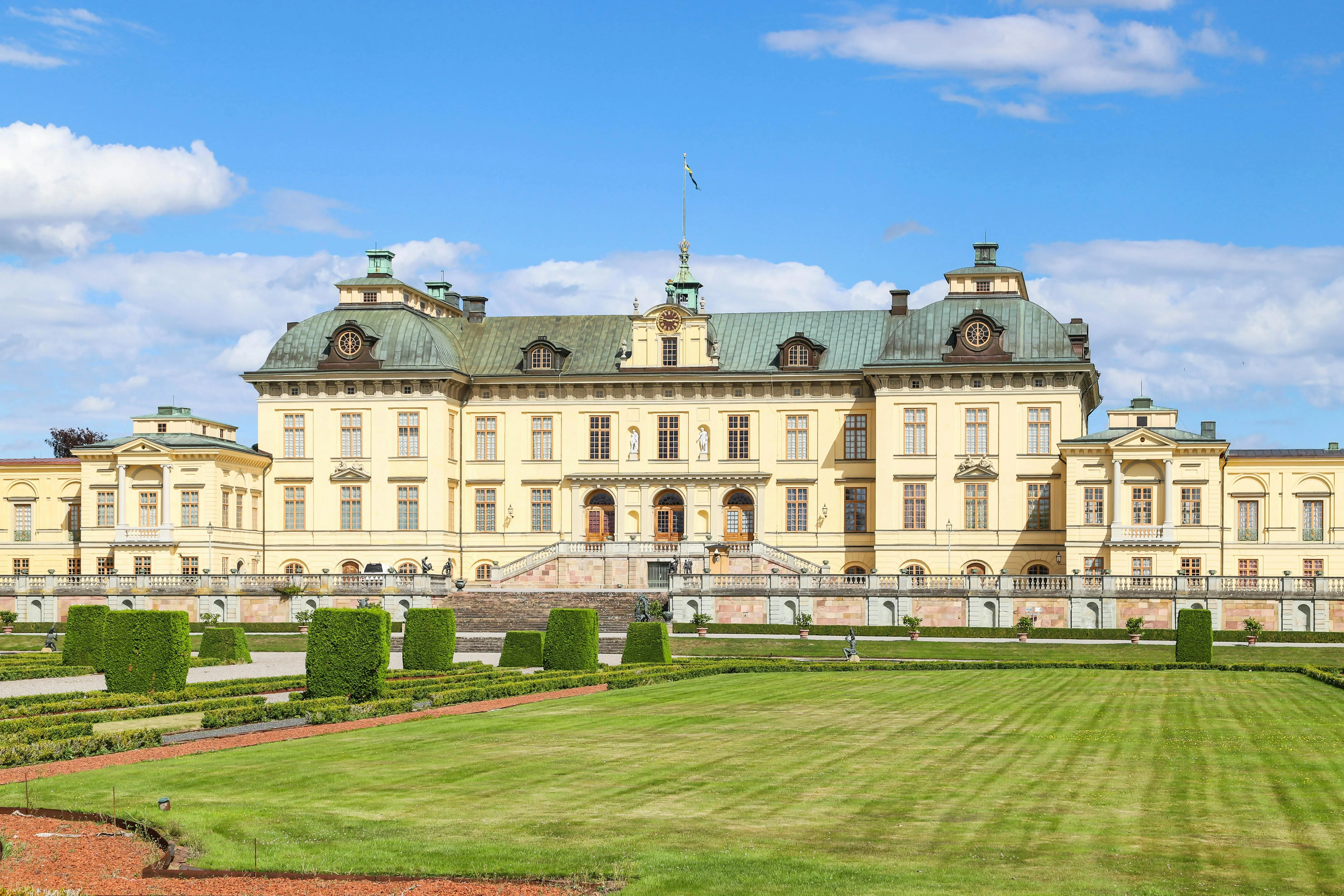
The water laps gently against the hull of the electric boat as you approach Lovö island, the air thick with the scent of lime blossoms and cut grass. It's 10:30 AM on a crisp June morning, and the light catches the ochre façade of Drottningholm Palace, making the stone glow like honey against the deep blue sky. You step onto the quay, where gravel crunches underfoot—a sound unchanged since Queen Hedwig Eleonora walked these paths in 1662. This UNESCO World Heritage site, preserved since 1991, spans 400 rooms across two wings, yet remains a living residence for the Swedish royal family. The formal gardens stretch 300 meters behind the building, trimmed with geometric precision that rivals Versailles. In 2026, as heritage sites worldwide struggle between preservation and accessibility, this palace offers a rare balance: it is both a museum and a home. This is why you come now: to witness monarchy in motion, to walk where queens plotted and kings rested, and to understand that history is not frozen—it breathes within these walls.
Why Drottningholm Palace Embodies Swedish Royal Heritage
The Drottningholm Palace isn't merely a summer residence—it's the best-preserved royal castle in Sweden, a architectural testament to the nation's transition from military power to cultural diplomacy. Originally built in the 16th century, the stone structure burned down in 1661, prompting Queen Hedwig Eleonora to commission Nicodemus Tessin the Elder to design a new Baroque masterpiece. Construction began in 1662 and continued under his son, Nicodemus Tessin the Younger, who completed the interior in 1681. The building solves a symbolic problem: how to project royal grandeur without the fortifications of a medieval fortress. The result is a structure defined by harmony rather than defense, featuring a central corps de logis flanked by curved wing buildings that embrace the courtyard.
Technically, the palace is an engineering marvel of its era. The foundation rests on wooden piles driven into the clay soil of Lake Mälaren, requiring constant monitoring to prevent subsidence. The State Apartments feature parquet floors made from 12 different species of wood, arranged in complex geometric patterns that have survived 300 years of foot traffic. The Palace Theater, built in 1766, retains its original wooden stage machinery, allowing scene changes to be executed by hand using ropes and counterweights. Over 500,000 visitors tour the grounds annually, yet the northern wing remains the private residence of King Carl XVI Gustaf and Queen Silvia. In 2026, Drottningholm Palace fulfills a profound human need for continuity; in an era of digital ephemera, these stone walls offer tangible permanence. It stands as a bridge between the absolutist past and the constitutional present, open to the public while serving its original function.
The Best Time to Experience Drottningholm Palace
Timing your visit to Drottningholm Palace requires balancing Stockholm's dramatic seasonal light shifts with tourist density. The optimal window runs from May 15 to June 12 and August 20 to September 15, when daylight extends to 18 hours and temperatures average 15–22°C (59–72°F). For the quietest experience with optimal photography light, target June 1–10, arriving at the ticket desk between 9:30–10:30 AM. Morning visits allow you to capture the façade before cruise ship passengers disembark at the nearby Stadsgården terminal. The soft northern light enhances the ochre plaster textures without creating harsh shadows.
Avoid the period from July 1 to July 20, when European school holidays create peak congestion; wait times for the State Apartments can exceed 60 minutes, and garden paths become bottlenecked. Winter visits (December–February) offer magical Christmas markets but limited daylight (6 hours) and colder temperatures averaging -3–2°C (27–36°F), making extended outdoor walking uncomfortable. For real-time opening hours and closure notices due to royal events, check the official website at kungligaslottet.se. The Palace updates visitor information via their info line at +46 8 402 62 80 before traveling. Verify specific museum hours via their individual websites, as holiday schedules vary.
Weather on Lovö can be windier than central Stockholm due to lake exposure. If visiting in late autumn, dress in layers; the wind channeling across the courtyard can drop perceived temperatures by 5°C. Late August offers the added bonus of outdoor concerts in the Baroque garden, where classical music echoes among the sculptures. Plan your visit around the guided tour times (usually hourly) to maximize the interior experience.
Approximate Budget for a 7-Day Trip (2026)
Visiting Stockholm requires budgeting for Northern European price levels, which have risen approximately 4.5% annually due to inflation (Statistics Sweden, 2025). The following estimates reflect 2026 pricing for a moderate travel style: comfortable mid-range accommodation, mix of casual dining and self-catering, and efficient public transport use. These costs assume a base in Stockholm with day trips to Drottningholm Palace as a primary focal point.
- Accommodation: €200–€380 per night. Hotels in Kungsholmen or Norrmalm average €300/night for a double room. Budget hostels near Central Station: €110/night for dorm beds. Airbnb apartments on Södermalm: €240–€380/night. Book 4–6 months ahead for summer dates.
- Food: €75–€110 per day. Breakfast: €18–€25 (coffee €6, smörgås open sandwich €10, fruit €5). Lunch: €25–€35 (husmannskost traditional plate €22, coffee €6). Dinner: €40–€60 (grilled salmon €38, local beer €11, dessert €12). Grocery shopping at ICA or Coop reduces daily food costs to €45–€60.
- Transportation: SL 72-hour Travelcard: €50 (covers buses, trams, metro). Bus 177 to Drottningholm: €4 per ride. Boat from City Hall: €25 round-trip via Strömma Kanalbolaget. Airport Arlanda Express train: €35 round-trip. Taxi from airport: €75–€95 (avoid unless necessary).
- Attractions: Drottningholm Palace entry: €20 per adult (free for under 19). Palace Theater: €15. Chinese Pavilion: €15. Garden entry: Free. Stockholm Pass (3-day): €155 (includes Palace).
- Miscellaneous: Waterproof jacket rental: €30/week. Souvenirs: Dala horse (wood) €40, Swedish wool blanket €130, museum guidebook €28. Travel insurance: €55–€95 for 7 days. Coffee filter for room brewing: €18.
Total estimated cost for 7 days: €2,900–€4,200 per person (based on double occupancy; solo travel increases costs by 40%)
7 Essential Drottningholm Palace Experiences
- Tour the State Apartments: Enter through the main gate to access the royal living quarters. You walk through the Hall of State, where the ceiling frescoes depict Swedish victories. The rooms retain original furniture from the 17th and 18th centuries. Audio guides are included in the €20 entry fee. Spend 60 minutes here to absorb the details. The lighting is dim to protect textiles; let your eyes adjust. Photography without flash is permitted in most rooms.
- Watch a Performance at the Palace Theater: This wooden theater from 1766 is still used for summer opera festivals. Check the schedule at drottningholmsteatern.se. Tickets range €40–€80. The stage machinery is operated by hand, creating unique visual effects. Sit in the center rows for optimal acoustics. This experience connects you to the cultural function of the palace. It is less crowded than the daytime tours. Performances usually occur on weekends in July.
- Explore the Baroque Garden: Located behind the palace, this formal garden features sculptures, fountains, and trimmed hedges. Walk the central axis for the best view of the façade. Visit at sunset when the light hits the statues. Benches along the path offer spots to rest. The breeze off the water connects the indoor exhibits to the maritime reality. This perspective helps you visualize the palace's scale. It is free and accessible 24 hours.
- Visit the Chinese Pavilion: A 10-minute walk through the English Park leads to this exotic folly built in 1769. The interior features lacquerware and silk wallpapers imported from Asia. Entry fee €15. Open daily 10:00 AM–5:00 PM. The contrast with the Baroque main palace is striking. Allow 30 minutes. It reflects the 18th-century European fascination with Chinoiserie. The building is small but densely decorated.
- Walk the English Park: Designed in the 18th century, this landscape garden covers 140 hectares. Paths wind through groves of oak and lime trees. Visit in late afternoon when shadows lengthen. The Grotto, an artificial ruin, is located here. It offers a quiet contrast to the formal gardens. The collection of sculptures includes works by Johan Tobias Sergel. It is ideal for a peaceful stroll away from crowds.
- Take the Boat from Stockholm: Depart from City Hall pier at 10:00 AM. The 30-minute journey offers views of the archipelago. Tickets cost €25 round-trip via Strömma Kanalbolaget. You see the palace approach from the water, as royalty once did. The commentary explains historical landmarks along the shore. This adds a maritime dimension to the visit. Return boats leave at 4:00 PM and 6:00 PM.
- Attend the Changing of the Guard: This ceremony takes place at the outer courtyard at 12:15 PM on weekdays. Arrive by 11:45 AM to secure a spot near the front railing. The marching band plays traditional military music while soldiers swap positions. The event lasts 45 minutes and is free to watch. It offers a living connection to the monarchy's history. Bring a zoom lens; crowds make close photography difficult.
3 Hidden Gems Most Travelers Miss
- The Palace Church (Slottskyrkan): Located within the palace complex, this church is often skipped by tourists. Access is included with the Palace ticket. Open during summer services (Sundays 11:00 AM). You see the royal pew and original organ from 1730. Why it's overlooked: Tourists focus on the State Apartments. Insider tip: Ask the guide about the royal wedding ceremonies held here. It offers a spiritual dimension to the visit. The acoustics are exceptional for choral music.
- The Grotto in the English Park: Located deep within the landscape garden. Access via the main path behind the Chinese Pavilion. Built in the 1780s as a decorative ruin. Why it's overlooked: It requires a 15-minute walk from the palace. Insider tip: Visit at dusk when the shadows enhance the artificial decay. It was designed for contemplation rather than utility. Bring a flashlight; the interior is dim.
- Café Victoria: Located near the ticket office, but most tourists eat in Stockholm. Order the prinsesstårta (princess cake) with marzipan. Open daily 10:00 AM–5:00 PM. Why it's overlooked: Visitors rush to return to the city. Insider tip: Sit on the terrace overlooking the canal. The cake is made fresh daily using a royal recipe. It offers a genuine taste of Swedish fika culture.
Cultural & Practical Tips
- Respect the fika culture: Swedes value coffee breaks as social rituals. Don't rush your café visit; lingering is expected. Order a kanelbulle (cinnamon bun) with your coffee. Pronunciation: FEH-kah. This pause reflects the Swedish value of lagom (balance/moderation). Rushing through meals is considered impolite in shared spaces.
- Photography guidelines: Flash photography is strictly prohibited inside the Drottningholm Palace to protect artifacts from light damage. Tripods are not permitted on busy days. Selfie sticks are banned entirely. Commercial photography requires written permission from the communications department. Respect other visitors; do not block viewing platforms for extended shots.
- Queue etiquette: Swedes value orderly lines. Do not cut queues, even if they seem unstructured. Wait for your turn at ticket kiosks. If unsure, ask: "Var är kön?" (Var air kern?) = Where is the line? Pushing or crowding is frowned upon. Patience is viewed as a virtue in Scandinavian culture. Let people exit trains before you board.
- Weather preparedness: Stockholm weather is unpredictable. Pack: waterproof jacket, layers (temperatures vary 10°C daily), comfortable walking shoes (cobblestones are slippery when wet). Check smhi.se for marine forecasts. Even in summer, harbor winds can drop temperatures to 12°C (54°F). Carry a compact umbrella. Rain can start suddenly without warning.
- Language basics: While 90% of Swedes speak English, learning basics shows respect. "Tack" (Tahck) = Thank you; "Hej" (Hay) = Hello; "Ursäkta" (Ur-shock-tah) = Excuse me. Pronunciation is soft; avoid harsh consonants. Staff appreciate efforts to speak Swedish even if imperfect. It bridges the gap between tourist and guest.
- Accessibility information: The Palace has elevator access to most levels but some historic areas are stairs only. Wheelchairs are available for loan at the information desk (free, first-come-first-served). Service dogs are permitted throughout. Restrooms include accessible stalls. Verify specific needs via email: info@kungligaslottet.se before arrival. Some garden paths are gravel and difficult for mobility devices.
- Payment systems: Sweden is nearly cashless. The Palace accepts cards only; cash is not accepted at ticket kiosks. Ensure your credit card has a PIN code. Contactless payment (Apple/Google Pay) works everywhere. Inform your bank of travel to avoid blocks. Small purchases (€5) can be made by card. Carry minimal cash for emergencies only.
Conclusion: Travel with Reverence, Not Just Reservations
The Drottningholm Palace doesn't need your selfie—it survived fires, wars, and modernization without social media validation. What it asks, what this Baroque giant demands, is something rarer than a tagged photo: your patience, your curiosity, your willingness to stand quietly before a testament to human hubris and resilience. In 2026, as museums compete with virtual reality and digital distractions, the Palace remains anchored in physical reality. This is the paradox of preservation: the more we touch, the more we risk; the more we observe, the more we understand. Come to Stockholm not just to check a box, but to witness the delicate balance between monarchy and democracy. The stone walls will remain long after your film rolls are developed. But you—standing here, breathing the same air that surrounds these 18th-century halls—will carry a reminder that history is not dead, it is inhabited. That is the true currency of travel: not the places you've seen, but the history you've honored. Come to the Palace. But come slowly, come quietly, come ready to listen to the stone.