
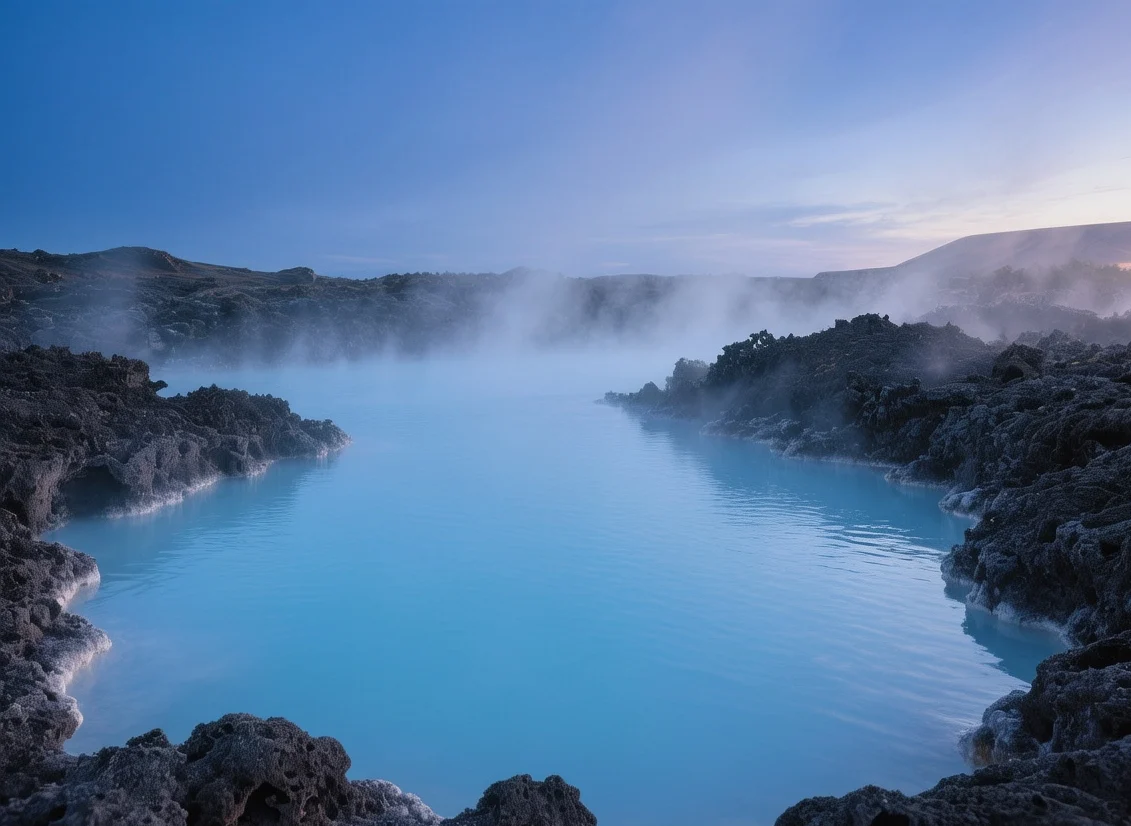
Mývatn Nature Baths Geothermal Blue Meets Volcanic Silence
The air smells of earth and sulfur—a primal scent that signals you are standing on living ground. You step onto the wooden deck, and the cold North Iceland wind bites at your exposed skin, but the water before you steams with inviting warmth. This is the Mývatn Nature Baths, a lagoon of milky blue geothermal water nestled amidst black lava fields and rhyolite mountains. The temperature is a perfect 36–40°C (97–104°F), heated by the Bjarnarflag power station that has tapped the earth's energy here since 1969. Steam rises in ethereal columns, catching the pale Arctic light, while the silence of the surrounding highlands is broken only by the gentle lap of mineral-rich water against the shore. This isn't just a spa; it's a testament to Icelandic ingenuity, turning industrial runoff into a sanctuary of wellness in 2004. In 2026, as the world seeks sustainable wellness and connection to nature, the Mývatn Nature Baths matter now more than ever—a place where geothermal power heals the body while reminding the soul of the volcanic forces simmering beneath the crust.
Why Mývatn Nature Baths Embody Icelandic Wellness
The Mývatn Nature Baths represent far more than a tourist attraction—they are Iceland's northern answer to the Blue Lagoon, rooted in local community needs rather than corporate tourism. Opened in 2004, the baths were built to utilize excess hot water from the nearby Bjarnarflag geothermal power station, which has operated since 1969. This engineering solution solved a critical resource problem: how to maximize the utility of geothermal fluid without wasting energy. The water is drawn from 2,500 meters (8,200 feet) underground, where it is heated by magma chambers to over 200°C (392°F) before cooling to bathing temperature. This process ensures a constant supply of mineral-rich fluid regardless of surface weather.
Technical specifications highlight the unique composition of the lagoon. The water is rich in silica, algae, and minerals like magnesium and calcium, known to soothe skin conditions and relax muscles. The lagoon covers 5,000 square meters, with a depth ranging from 0.9 to 1.4 meters (3–4.5 feet). Two natural steam caves, formed by volcanic vents, allow bathers to experience 100% humidity at 45°C (113°F) while partially submerged. Designated a key wellness destination in North Iceland, the site draws 150,000+ visitors annually. The Mývatn Nature Baths fulfill a human need for restoration in a harsh climate, offering a tangible link to the earth's internal heat. It proves that industrial infrastructure can coexist with natural beauty, creating a legacy of sustainable tourism that benefits the local economy of Mývatn.
The Best Time to Experience Mývatn Nature Baths
Timing your visit to the Mývatn Nature Baths requires balancing weather contrast, daylight, and crowd density. For the classic experience of soaking in warmth while snow falls, target November 1–March 31. During these winter months, air temperatures range from -5–5°C (23–41°F), creating a dramatic contrast with the 40°C (104°F) water. Daylight is limited to 4–7 hours, so plan your visit between 11:00 AM–3:00 PM for safety and visibility. The steam caves are particularly atmospheric in the cold. For midnight sun soaking, visit between June 15 and July 31. Temperatures rise to 10–15°C (50–59°F), and the sun never fully sets. Crowds are manageable if you book the last entry slot at 8:00–9:00 PM.
However, avoid December 20–January 10 unless prepared for extreme weather; storms can close Route 1 temporarily, and road conditions to the baths (Route 863) may be icy. Also skip July 10–August 10 if you dislike congestion; this peak summer window brings tour buses from Akureyri. For real-time road conditions and weather.
Approximate Budget for a 7-Day Trip (2026)
Exploring the Mývatn Nature Baths anchors a week-long North Iceland adventure. This budget assumes a 7-day trip based in Mývatn or Akureyri with day trips to the geothermal area. Prices reflect 2026 rates, accounting for Iceland's average 3.8% annual inflation from 2024–2026 (source: Statistics Iceland). All amounts shown in euros; multiply by 1.08 for USD equivalents. Note that Iceland uses ISK, but € is provided for international comparison.
Accommodation: €150–€320 per night
• Budget guesthouse in Mývatn (Reykjahlíð): €150–€200
• Mid-range hotel (Akureyri area): €220–€280
• Luxury (Hotel Laxá or similar): €380–€550
• Camping (seasonal, Mývatn): €25 per person
Food: €55–€95 per day
• Breakfast: €12–€18 (hotel buffet or bakery pastry + coffee)
• Lunch: €18–€28 (Icelandic lamb soup, fish of the day, or hot dog)
• Dinner: €25–€49 (pan-fried Arctic char or traditional lamb)
• Groceries (self-catering): €35/day
Transportation:
• Keflavík Airport to Akureyri Flight: €120 round-trip
• Rental car (4x4 SUV, 7 days): €450 + €180 fuel
• North Iceland day tour: €110
• Reykjavík city bus (Strætó): €3.50 per ride
• Mývatn parking: Free
Attractions:
• Mývatn Nature Baths entry: €75
• Hverir geothermal area: Free
• Dettifoss waterfall: Free
• Perlan Museum: €30
• Blue Lagoon day trip: €110
• Golden Circle tour: €95
• Whale watching Akureyri: €85
Miscellaneous:
• Icelandic wool sweater (lopapeysa): €110–€180
• Thermal base layers: €90
• Travel insurance: €55
• Souvenirs (lava rock, handicrafts): €40
• Tips (not expected but appreciated): €25
Total for 7 days (mid-range): €2,350–€2,700 per person
Total (budget-conscious): €1,550–€1,800 per person
6 Essential Mývatn Nature Baths Experiences
1. Soak in the Geothermal Lagoon: Enter the main lagoon and find a spot near the edge. The water is rich in minerals; let it soothe your skin. Visit at 4:00–6:00 PM for fewer crowds. The temperature is consistent throughout. This is the core experience of the Mývatn Nature Baths.
2. Experience the Steam Caves: Locate the two natural steam caves on the lagoon's edge. Sit on the submerged benches and let the volcanic steam open your pores. Visit at 2:00–4:00 PM when the caves are warmest. Limit sessions to 10 minutes to avoid overheating. This experience connects you directly to the earth's heat.
3. Swim to the In-Water Bar: Make your way to the submerged bar in the center of the lagoon. Order a local beer or a non-alcoholic smoothie. Visit at 5:00–7:00 PM for sunset views. The bar is a unique social hub. This adds a touch of luxury to the natural setting.
4. Apply the Silica Mud Mask: Head to the shower area before entering the lagoon. Apply the white silica mud mask available free of charge. Let it dry for 5 minutes before rinsing. Visit at start of your session. The minerals exfoliate and nourish the skin. This is a signature wellness treatment included in entry.
5. Watch the Sunset Over Krafla: From the lagoon, look north toward the Krafla volcano mountains. In summer, the sun sets after 11:00 PM. Visit at 10:00–11:00 PM in June. The light reflects off the steam. This perspective emphasizes the volcanic landscape surrounding the baths.
6. Combine with Hverir Geothermal Area: Drive 10 minutes east to Hverir. The boiling mud pots and fumaroles complement the bath experience. Visit at 1:00–3:00 PM before bathing. The smell of sulfur is stronger here. This combination reveals the full power of the Mývatn geothermal system.
3 Hidden Gems Most Travelers Miss
• Jarðbaðshólar Hills: Located 5 kilometers west of the baths on Route 863. These colorful rhyolite hills offer hiking trails with views of the lagoon. Access via a small parking pull-off. Why overlooked: Tourists head straight to the baths; the hills require a short detour. Best visited at 9:00–10:00 AM. Insider tip: The red and yellow soil contrasts beautifully with the blue sky.
• Geobath Secret Spot: Located near the power station (restricted access, but visible from road). While you cannot enter, viewing the source of the water provides context. Access via Route 863. Why overlooked: Industrial area; not marked as a sight. Best viewed at 12:00–2:00 PM. Insider tip: Respect the fencing; do not trespass on power station grounds.
• Mývatn Bird Reserve: Located 10 kilometers south of the baths. This wetland area hosts dozens of duck species. Access via Route 848. Why overlooked: Requires driving away from the main tourist track. Coordinates: 65.6000° N, 16.9000° W. Best visited at 7:00–8:00 AM for bird activity. Insider tip: Bring binoculars; the duck diversity is unique in Europe.
Cultural & Practical Tips
• Shower thoroughly: Icelandic hygiene standards require nude showering with soap before entering the lagoon. This is strictly enforced by staff. The rule exists to keep the geothermal water clean without heavy chemicals. Bring flip-flops for the communal showers.
• Protect your hair: The high silica content can leave hair stiff. Apply the complimentary conditioner liberally before entering the water. Avoid submerging your head. If your hair does get stiff, use the "Silica Solution" conditioner available at the shop.
• Learn these Icelandic phrases:
— Takk (tahk): Thank you
— Góðan daginn (go-than dy-in): Good day
— Jarðbað (yarth-bath): Geothermal bath
— Fallegt (fah-lekt): Beautiful
Icelanders appreciate effort; pronunciation matters less than attempting the language.
• Photography guidelines: Photography is allowed in the lagoon but respect other guests' privacy. No drones without written permission. The steam can obscure lenses; bring a cloth. Best light: Evening (6:00–9:00 PM) in summer; midday (12:00–2:00 PM) in winter.
• Booking strategy: Reserve your entry at least 2 weeks in advance for summer visits. Slots sell out 3–4 weeks ahead during peak season. Choose "Standard" entry minimum—the towel rental costs €15 if purchased separately.
• Weather considerations: North Iceland weather changes rapidly. Even in summer, bring a warm robe for the walk from changing room to lagoon. Wind chill can make 10°C (50°F) feel like 2°C (36°F). The walk is outdoors.
Conclusion: Travel with Restoration, Not Just Relaxation
The Mývatn Nature Baths demand more than a quick soak—they ask for restoration. As you sit in water heated by magma chambers two kilometers below, surrounded by lava that cooled centuries ago, consider the responsibility that comes with accessing such wonder. Iceland's geothermal resources are finite, and the balance between extraction and preservation is delicate. In 2026, as wellness tourism grows, the Mývatn Nature Baths offer both comfort and lesson: that healing flows from understanding our planet's rhythms. Slow down. Feel the minerals settling on your skin. Watch how the steam catches light differently at noon versus midnight. Understand that this blue isn't artificial—it's the result of light refracting through silica suspended in water filtered through volcanic rock. When you visit the Mývatn Nature Baths in 2026, don't just check a box. Let the geothermal warmth seep into your bones, yes, but also let the knowledge seep into your consciousness: that preservation and pleasure are partners. Iceland's landscapes are young, fragile, and fiercely alive. Treat them that way.