
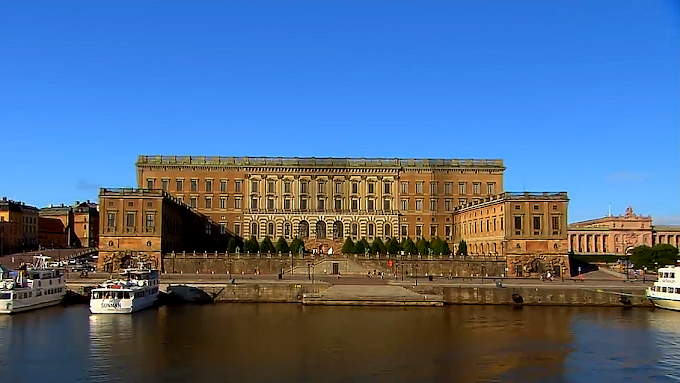
Stockholm City Hall Nobel Banquet Halls Meet Nordic Brick Mastery
The air smells of old wax, polished wood, and the salty tang of Lake Mälaren drifting through open windows. It's 10:00 AM on a crisp June morning, and the light filters through the arched courtyard, casting long shadows across the red brick pavement. You stand before the Stockholm City Hall, a monumental structure rising 106 meters (348 feet) into the Scandinavian sky, its tower crowned by the Three Crowns symbol of Sweden. Completed on June 23, 1923, exactly 400 years after Gustav Vasa entered Stockholm, this building represents the pinnacle of National Romanticism. The guide's voice echoes softly in the Blue Hall, where 1,300 guests dine annually during the Nobel Prize banquet. In 2026, as modern architecture favors glass and steel, this brick giant remains a defiant testament to craftsmanship and democratic ideals. This is why you come now: to walk where laureates have walked, to touch bricks laid by hand, and to understand that beauty in governance is an active choice against the sterile efficiency of the modern age.
Why Stockholm City Hall Embodies Nordic Craftsmanship
The Stockholm City Hall isn't merely a municipal building—it's a cathedral of democracy constructed from 8 million red bricks over 12 years of labor. Designed by architect Ragnar Östberg, the structure solves a critical cultural problem: how to create a seat of power that feels accessible rather than oppressive. Unlike the royal palaces of Europe, this building belongs to the people; its courtyards are open, its halls available for guided tours, and its tower accessible to anyone willing to climb. The engineering relies on traditional techniques; the bricks were handmade in Uppsala, and the mortar mixed using recipes from the 17th century to ensure durability against Nordic frost. The Blue Hall, despite its name, reveals red brick because Östberg loved the material so much he abandoned the blue paint plan.
Technically, the interior is a masterpiece of decorative arts. The Golden Hall (Gyllene Salen) features 18 million glass and gold mosaics designed by Einar Forseth, depicting the Queen of Lake Mälaren surrounded by historical figures. The ceiling in the Council Chamber boasts a wooden ship hull inverted, symbolizing Stockholm's maritime heritage. Over 500,000 visitors tour these halls annually, making it one of Sweden's most significant cultural sites. In 2026, the Stockholm City Hall fulfills a profound human need for tangible history; in an era of digital governance, these stone walls offer physical permanence. The building stands as a testament to the belief that public spaces should inspire citizens rather than merely house bureaucrats. It remains the spiritual heart of the city, hosting both weddings and political debates under the same roof.
The Best Time to Experience Stockholm City Hall
Timing your visit to the Stockholm City Hall requires balancing Stockholm's dramatic seasonal light shifts with tourist density. The optimal window runs from May 15 to June 12 and August 20 to September 15, when daylight extends to 18 hours and temperatures average 15–22°C (59–72°F). For the quietest experience with optimal photography light, target June 1–10, arriving at the ticket desk between 9:00–10:00 AM. Morning visits allow you to capture the courtyard before cruise ship passengers disembark at the nearby Stadsgården terminal. The soft northern light enhances the brick textures without creating harsh shadows.
Avoid the period from July 1 to July 20, when European school holidays create peak congestion; wait times for guided tours can exceed 60 minutes, and viewing platforms become bottlenecked. Winter visits (December–February) offer magical Christmas markets but limited daylight (6 hours) and colder temperatures averaging -3–2°C (27–36°F), making extended outdoor waiting uncomfortable. For real-time tour schedules and closure notices due to official events, check the official website at stadshuset.stockholm.se. The City Hall updates visitor information via their info line at +46 8 508 290 58 before traveling. Verify specific museum hours via their individual websites, as holiday schedules vary.
Weather in Stockholm can shift rapidly due to harbor exposure. If visiting in late autumn, dress in layers; the wind channeling across the courtyard can drop perceived temperatures by 5°C. Late August offers the added bonus of the Stockholm Culture Festival, where stages set up nearby host free performances, enhancing the atmosphere without increasing entry costs. Plan your visit around the guided tour times (usually hourly) to maximize the interior experience.
Approximate Budget for a 7-Day Trip (2026)
Visiting Stockholm requires budgeting for Northern European price levels, which have risen approximately 4.5% annually due to inflation (Statistics Sweden, 2025). The following estimates reflect 2026 pricing for a moderate travel style: comfortable mid-range accommodation, mix of casual dining and self-catering, and efficient public transport use. These costs assume a base in or near the Stockholm City Hall with the Kungsholmen district as a primary focal point.
- Accommodation: €200–€380 per night. Hotels in Kungsholmen or Norrmalm average €300/night for a double room. Budget hostels near Central Station: €110/night for dorm beds. Airbnb apartments on Södermalm: €240–€380/night. Book 4–6 months ahead for summer dates.
- Food: €75–€110 per day. Breakfast: €18–€25 (coffee €6, smörgås open sandwich €10, fruit €5). Lunch: €25–€35 (husmannskost traditional plate €22, coffee €6). Dinner: €40–€60 (grilled salmon €38, local beer €11, dessert €12). Grocery shopping at ICA or Coop reduces daily food costs to €45–€60.
- Transportation: SL 72-hour Travelcard: €50 (covers buses, trams, metro). Airport Arlanda Express train: €35 round-trip. Djurgården Ferry from Slussen: €14 round-trip (included in some SL cards). Taxi from airport: €75–€95 (avoid unless necessary).
- Attractions: City Hall guided tour: €20 per adult (free for under 19). Nobel Prize Museum: €16. Vasa Museum: €24. Stockholm Pass (3-day): €155 (includes City Hall). Organ concert ticket: €15.
- Miscellaneous: Waterproof jacket rental: €30/week. Souvenirs: Dala horse (wood) €40, Swedish wool blanket €130, museum guidebook €28. Travel insurance: €55–€95 for 7 days. Coffee filter for room brewing: €18.
Total estimated cost for 7 days: €2,900–€4,200 per person (based on double occupancy; solo travel increases costs by 40%)
7 Essential Stockholm City Hall Experiences
- Join the Guided Tour: Entry to the interior is only possible via guided tour. Tours depart hourly from the visitor center. The guide leads you through the Blue Hall and Golden Hall. Listen closely for stories about the Nobel Banquet preparations. The tour lasts 45 minutes and covers 1 kilometer of walking. Wear comfortable shoes; the floors are hard stone. Photography is allowed without flash. This is the only way to see the ceremonial rooms.
- Stand in the Blue Hall: This is the main banquet hall where the Nobel Prize dinner occurs every December 10. Notice the red brick walls despite the name. The organ above the entrance has 10,270 pipes and is one of Europe's largest. Stand in the center and look up at the arched ceiling. The acoustics are designed for orchestral music. Imagine the 1,300 guests seated at long tables. The space feels vast yet intimate due to the brick warmth.
- Marvel at the Golden Hall: Located on the first floor, this room features mosaics made of 18 million glass and gold pieces. The central figure is the Queen of Lake Mälaren. The light reflects off the gold tiles creating a shimmering effect. Spend 10 minutes here letting your eyes adjust to the brightness. The guide explains the historical figures depicted on the walls. Do not touch the walls; oils from skin damage the mosaics.
- Climb the Tower: For an additional fee (€10), you can climb the tower. It involves 365 steps to the first platform and 54 more to the top. The view over Stockholm's archipelago is panoramic. You see the Old Town, Djurgården, and the harbor. Visit on clear days only; fog obscures the view. The wind is strong at the top; secure loose hats. It offers the best photo opportunity of the city.
- Listen to an Organ Concert: The Blue Hall organ hosts concerts regularly. Check the schedule at stadshuset.stockholm.se. Tickets range €15–€25. The sound fills the entire hall with rich bass tones. Sit in the middle rows for optimal acoustics. This experience connects you to the musical function of the hall. It is less crowded than the daytime tours. Concerts usually occur on weekends at 12:30 PM.
- Walk the Courtyard: The outer courtyard is open to the public without a ticket. Statues line the walls depicting Swedish historical figures. Visit at sunset when the brick glows orange. Benches along the path offer spots to rest. The breeze off the water connects the indoor exhibits to the maritime reality. This perspective helps you visualize the building's scale. It is free and accessible 24 hours.
- Visit the Council Chamber: Included in the guided tour, this room features a wooden ceiling resembling an upside-down ship. The walls are draped in blue cloth. Politicians debate here on weekdays. If sessions are not in progress, you can enter. The chairs are original from 1923. Notice the intricate wood carvings on the desks. It represents the working heart of the city government.
3 Hidden Gems Most Travelers Miss
- The Prince's Gallery: Located on the second floor, this room is often skipped on standard tours. Access requires requesting a special guide at the visitor desk. Cost €5 extra. The walls feature paintings by Prince Eugen depicting Swedish landscapes. Why it's overlooked: It is not on the main route. Insider tip: Ask about the hidden door behind the tapestry. It leads to a private balcony with a unique view of the harbor. Available by appointment only.
- The Basement Vault: Beneath the building lies a storage area for historical artifacts. Occasionally open during heritage days (September 15–20). Access via special ticket (€10). You see old furniture and ceremonial objects not on display. Why it's overlooked: It requires specific timing and advance booking. Insider tip: Contact the archives at arkiv@stockholm.se to inquire about open dates. It offers a behind-the-scenes look at preservation.
- Hantverkargatan Cafés: Located on the street behind the City Hall. This area is filled with local cafés away from tourist traps. Try Café Pascal for fresh pastries. Open daily 8:00 AM–6:00 PM. Why it's overlooked: Tourists stay in the courtyard. Insider tip: Sit outside on the patio to watch locals commute. The coffee is cheaper than inside the venue. It offers a genuine neighborhood vibe.
Cultural & Practical Tips
- Respect the fika culture: Swedes value coffee breaks as social rituals. Don't rush your café visit; lingering is expected. Order a kanelbulle (cinnamon bun) with your coffee. Pronunciation: FEH-kah. This pause reflects the Swedish value of lagom (balance/moderation). Rushing through meals is considered impolite in shared spaces.
- Photography guidelines: Flash photography is strictly prohibited inside the Stockholm City Hall to protect artifacts from light damage. Tripods are not permitted on busy days. Selfie sticks are banned entirely. Commercial photography requires written permission from the communications department. Respect other visitors; do not block viewing platforms for extended shots.
- Queue etiquette: Swedes value orderly lines. Do not cut queues, even if they seem unstructured. Wait for your turn at ticket kiosks. If unsure, ask: "Var är kön?" (Var air kern?) = Where is the line? Pushing or crowding is frowned upon. Patience is viewed as a virtue in Scandinavian culture. Let people exit trains before you board.
- Weather preparedness: Stockholm weather is unpredictable. Pack: waterproof jacket, layers (temperatures vary 10°C daily), comfortable walking shoes (cobblestones are slippery when wet). Check smhi.se for marine forecasts. Even in summer, harbor winds can drop temperatures to 12°C (54°F). Carry a compact umbrella. Rain can start suddenly without warning.
- Language basics: While 90% of Swedes speak English, learning basics shows respect. "Tack" (Tahck) = Thank you; "Hej" (Hay) = Hello; "Ursäkta" (Ur-shock-tah) = Excuse me. Pronunciation is soft; avoid harsh consonants. Staff appreciate efforts to speak Swedish even if imperfect. It bridges the gap between tourist and guest.
- Accessibility information: The City Hall has elevator access to most levels but some historic areas are stairs only. Wheelchairs are available for loan at the information desk (free, first-come-first-served). Service dogs are permitted throughout. Restrooms include accessible stalls. Verify specific needs via email: info@stadshuset.stockholm.se before arrival. Some cobblestone areas are difficult for mobility devices.
- Payment systems: Sweden is nearly cashless. The City Hall accepts cards only; cash is not accepted at ticket kiosks. Ensure your credit card has a PIN code. Contactless payment (Apple/Google Pay) works everywhere. Inform your bank of travel to avoid blocks. Small purchases (€5) can be made by card. Carry minimal cash for emergencies only.
Conclusion: Travel with Reverence, Not Just Reservations
The Stockholm City Hall doesn't need your selfie—it survived wars, political shifts, and modernization without social media validation. What it asks, what this brick giant demands, is something rarer than a tagged photo: your patience, your curiosity, your willingness to stand quietly before a testament to human hubris and resilience. In 2026, as museums compete with virtual reality and digital distractions, the City Hall remains anchored in physical reality. This is the paradox of preservation: the more we touch, the more we risk; the more we observe, the more we understand. Come to Stockholm not just to check a box, but to witness the delicate balance between democracy and art. The brick walls will remain long after your film rolls are developed. But you—standing here, breathing the same air that surrounds these 20th-century halls—will carry a reminder that history is not dead, it is inhabited. That is the true currency of travel: not the places you've seen, but the history you've honored. Come to the City Hall. But come slowly, come quietly, come ready to listen to the brick.