
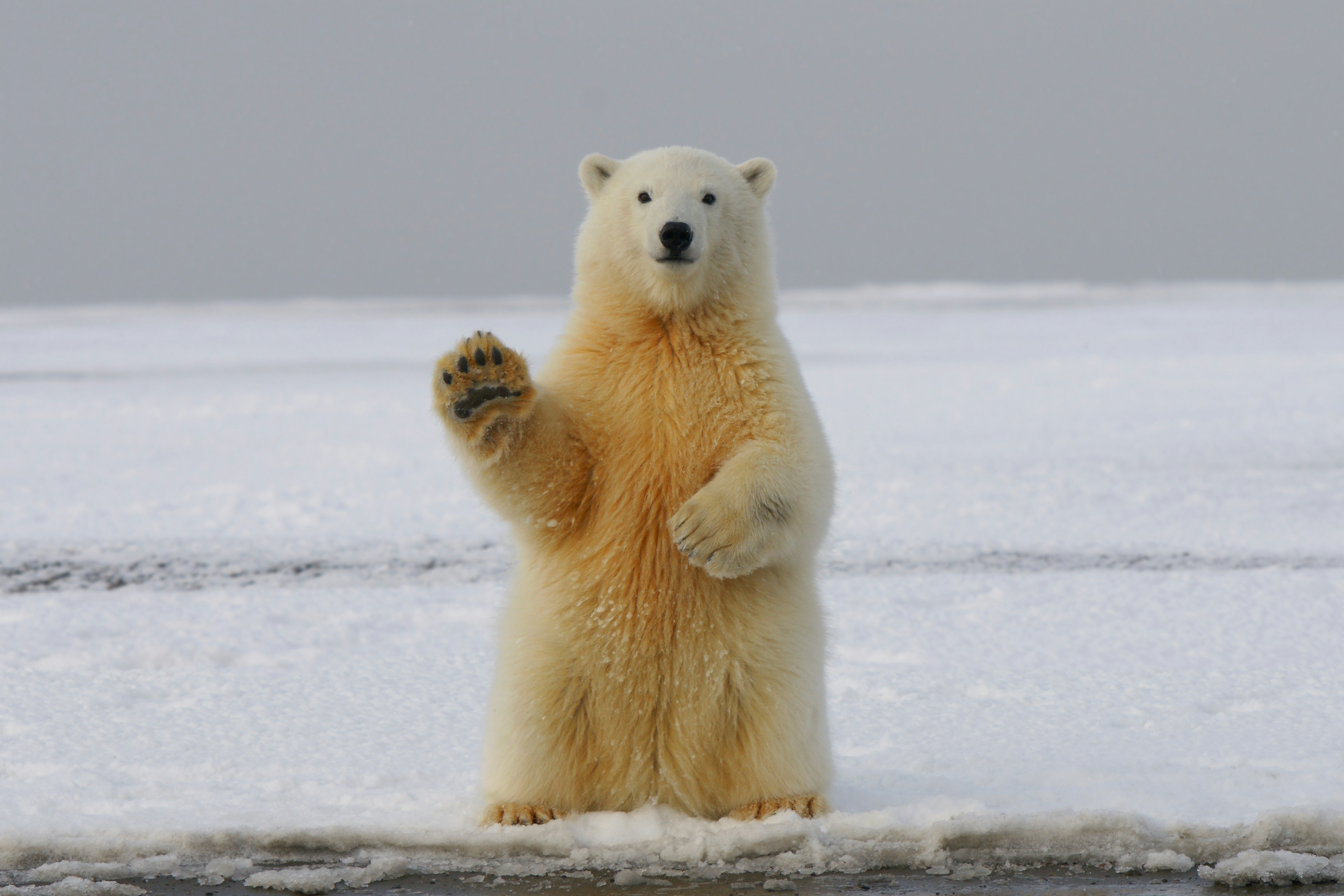
Svalbard Polar Bears Arctic Ice Meets Apex Predator
The silence is absolute—broken only by the crunch of crampons on glacial ice and the distant crack of a calving glacier—as you stand on the deck of an expedition vessel at 2:00 AM. It is June 2026, and the sun hangs low over the Barents Sea, casting a perpetual golden glow across the Svalbard polar bears' hunting grounds. You hear the low hum of the engine, the cry of ivory gulls circling the mast, and the sudden, sharp exhale of a bear breaking the surface 200 meters away. This archipelago—located at 78 degrees north, halfway between mainland Norway and the North Pole—hosts a population of approximately 3,000 polar bears, representing one of the largest subpopulations in the world. It is 2026, and the Svalbard polar bears stand at a critical juncture. Sea ice melts earlier each year; shipping lanes encroach on feeding grounds; yet the ancient rhythm of the hunt persists. You are not just observing wildlife; you are witnessing a fragile ecosystem where climate change meets evolutionary resilience—and where your presence must be mindful to ensure these kings of the Arctic continue to roam.
Why Svalbard Polar Bears Embodies Arctic Conservation
The Svalbard polar bears are not merely a tourist attraction; they are an indicator species for the health of the entire Arctic ecosystem. Historically, this location served as a hunting ground for trappers and explorers, with the first protected status granted in 1965 and a full hunting ban enacted in 1973. The population, which had dwindled to dangerous levels, has since recovered to stable numbers, though climate change poses a new threat. The geography solves a logistical problem for researchers: the concentration of bears around the pack ice edge allows for non-invasive study without requiring deep penetration into the central polar basin. Most Arctic destinations require icebreakers to reach bear habitat; here, the Gulf Stream's edge brings the ice close enough for observation during summer months.
What distinguishes this site is the strict regulatory framework applied to tourism. Operators adhere to guidelines set by the Governor of Svalbard (Sysselmesteren), limiting approach distances to 30 meters for vessels and prohibiting landing if bears are within 500 meters of the shore. Vessels are engineered for ice navigation, typically strengthened with steel hulls to withstand 1-meter thick ice. In 2026, the Svalbard polar bears tourism community faces the challenge of balancing accessibility with preservation. Over-tourism in Longyearbyen has pushed visitors onto the water, increasing pressure on marine mammals. Operators now utilize hydrophones and thermal imaging to locate bears without disturbing them, minimizing unnecessary engine use. This interplay between historical exploitation and modern conservation creates a unique narrative. You walk through a landscape where the economy once depended on killing bears; now it depends on keeping them alive and their habitat intact.
The Best Time to Experience Svalbard Polar Bears
For the optimal bear viewing experience, plan your visit between May 15 and June 25—the peak sea ice window when daylight persists 24 hours, temperatures range from -5–5°C (23–41°F), and ice conditions allow vessels to reach hunting grounds. During this period, the best photography light occurs between 10:00 PM and 2:00 AM, when the sun hovers just above the horizon, bathing the ice in soft, diffuse gold. For autumn wildlife, the optimal window shifts to August 20 to September 15, when sea ice retreats, temperatures hover around 0–4°C (32–39°F), and bears congregate near land waiting for freeze-up. The bears are visible on approximately 70% of expeditions during this window.
Avoid traveling between November 1 and February 15 unless you seek polar night conditions: the sun does not rise, temperatures drop to -20°C (-4°F), and sea ice becomes too thick for most tourist vessels. Many tour operators cease operations due to weather volatility and darkness. For current ice conditions, verify at yr.no and expedition reports at visitnorway.com. The shoulder season (July 1–August 10) offers a compelling alternative: midnight sun, blooming tundra, and prices 15% lower than peak May, though bears may be further north on the ice. Always check wind forecasts at met.no; winds exceeding 15 m/s cancel most small-boat excursions.
Approximate Budget for a 7-Day Trip (2026)
Visiting Svalbard polar bears requires a base in Longyearbyen, making this budget reflective of a 7-day regional trip centered around the capital. The following estimates assume a mid-range travel style: staying in local hotels or guesthouses, eating a mix of self-catered meals and local seafood, joining guided excursions, and using local transport. Prices reflect 2026 estimates with a 3.5% inflation adjustment based on 2025 Statistics Norway (SSB) data for Svalbard.
- Accommodation: €200–€350 per night for a double room in Longyearbyen Sentrum; budget hostels start at €100/night; expedition cabins €400/night
- Food: €90–€120 per day: breakfast €20 (included at most lodgings), lunch €30 (reindeer stew or fish soup), dinner €50–€70 (fresh Arctic char or lamb with local beer)
- Transportation: €150 total: airport transfer €40 round-trip, local bus day pass €20, snowmobile rental €80/day (winter only), boat transfer €50
- Attractions: €1,200 total: 7-day expedition cruise €1,000, museum entries €50, guided hiking tour €100, dog sledding €150, coal mine tour €50
- Miscellaneous: €150: souvenirs (wool sweater €80, polar bear plush €30, local aquavit €40), thermal gear rental €20, emergency buffer €20
Total for 7 days: €2,490–€3,070 per person (based on double occupancy)
6 Essential Svalbard Polar Bears Experiences
- Join an Expedition Cruise: Begin at 10:00 AM from Longyearbyen harbor. The 7-day voyage covers 500 kilometers in an ice-strengthened vessel. Guides monitor radar and thermal imaging to locate bears. You stop at 2–3 locations daily, spending 2 hours at each site via Zodiac boats. The guide provides thermal suits and hot drinks. If bears appear, the engine cuts to reduce noise. The success rate for these tours in peak season is 85%. Bring a tripod; handheld shots blur in the low light. This experience immerses you in the logistics of marine biology.
- Visit the Svalbard Museum: Located in Longyearbyen, open 10:00 AM–6:00 PM daily (June–August). Spend 90 minutes exploring exhibits on polar history and wildlife conservation. The guided tour departs at 11:00 AM and 3:00 PM (€25). Don't miss the polar bear skeleton hall and the original trapping equipment. The facility focuses on conservation and education. The building itself dates to 1991, preserving the industrial heritage of the region.
- Hike with an Armed Guide: Position yourself at the trailhead at 8:00 AM. The 4-hour hike takes you 10 kilometers over rocky terrain. A guide carries a rifle for safety (mandatory outside town limits). From the summit, you see the open ocean where bears surface. The light at 10:00 PM in June renders the scene surreal—shadows disappear, and the ice turns to mirror glass. Bring sturdy boots; the path is uneven. Carry a headlamp with red light mode to preserve night vision.
- Explore the Global Seed Vault: Located outside town, open for exterior viewing 24 hours. Spend 30 minutes photographing the iconic entrance. The structure is designed to withstand nuclear war and climate change. The light at 11:00 PM in June renders the scene surreal—shadows disappear, and the concrete glows white. Bring windproof layers; temperatures at the site are 3°C cooler than town. This experience immerses you in the symbolic heart of global security.
- Dog Sledding on Glaciers: Book a 3-hour tour departing at 1:00 PM from Longyearbyen (€150). Wear provided flotation suits and thermal boots. You'll drive your own sled team across frozen fjords. The silence of the glacier allows you to hear the dogs and wind without motor noise. Tours operate March–May, weather permitting. No prior experience needed; briefings provided. This moment—standing on a glacier at midnight, bathed in golden light—defines the experience.
- Watch the Midnight Sun from the Harbor: Arrive at 11:30 PM in late June. The main quay, backed by mountains, offers one of the best vantage points for the sun dipping toward the horizon without setting. Bring a thermos of coffee and a warm blanket. The stone retains heat from the day, making it comfortable to sit even at night. Swim if you dare—the water temperature averages 4°C (39°F) in summer. This moment—standing on an Arctic quay at midnight, bathed in golden light—defines the experience.
3 Hidden Gems Most Travelers Miss
- Pyramiden Ghost Town: While everyone visits Longyearbyen, the abandoned Soviet mining settlement of Pyramiden offers equally iconic views. Located 50 kilometers north, this spot offers a glimpse into 20th-century history. Access is via boat tour (open June–September). Best visited at 8:00 PM when light is soft. Why it's overlooked: most visitors drive straight into Longyearbyen without exploring the outer settlements. Insider tip: Use a telephoto lens (70-200mm) to capture the statue against the glacier. Watch for boat schedules; departures are weather-dependent.
- Liefdefjorden Whale Platform: Just 100 kilometers north lies the Liefdefjorden, hosting unique views of the lights reflecting off glaciated peaks. This spot hosts unique marine life adapted to brackish water. Open daily 24 hours. The wooden cabins contrast beautifully with the snowy landscape. Why it's missed: most tourists stop in Longyearbyen and skip the northern fjords. Insider tip: Visit the coffee shop on the waterfront for homemade waffles (€8). The view back toward the Alps from here is unique and less crowded.
- Hiorthhamn Mine Ruins: Accessible only by foot or boat, this historic mining site near Longyearbyen requires a 15-minute boat ride from the city center (look for the stop "Hiorthhamn"). The ruins feature white wood and vertical cliffs that amplify sound. Service times matter: visit outside Sunday 11:00 AM for quiet reflection. Check opening times at svalbardmuseum.no. Why it's overlooked: no signage and requires moderate fitness. Insider tip: Bring a waterproof bag for your phone; waves can splash high during incoming tide. No facilities exist here—pack out all trash.
Cultural & Practical Tips
- Respect Wildlife: Svalbard polar bears tours rely on non-intrusive observation. Turn off car engines and dim phone screens when bears appear. Do not use white flashlights; use red light mode to preserve night vision for yourself and others.
- Learn three Norwegian phrases: Takk (tahk—thank you), Unnskyld (oon-shuld—excuse me), and Ha det bra (hah deh bra—goodbye). Locals appreciate the effort, though 95% speak fluent English.
- Photography guidelines: Drone flights require permission from the Norwegian Civil Aviation Authority (apply at luftfartstilsynet.no). Drones are prohibited near populated areas without special permit. Respect privacy—do not photograph tourists without consent. Tripods are permitted in public areas.
- Weather preparedness: Weather changes rapidly; pack layers (wool base, fleece mid, waterproof outer). Even in July, temperatures can drop to 5°C (41°F) with wind chill. Rain occurs on 220 days annually. Waterproof boots are essential for walking.
- Battery management: Cold drains batteries quickly. Keep spares in an inner pocket close to your body heat. Lithium-ion cells lose 40% capacity at -20°C. Bring hand warmers to attach to the camera body.
- Accessibility note: Most tour buses have wheelchair lifts, but wilderness sites are uneven. Request the accessible travel guide at visitsvalbard.no. Some cabins have ramp access.
- Emergency contacts: Medical emergencies: 113. Police: 112. Tourist information: +47 79 02 70 00. Nearest hospital: Longyearbyen Sykehus (2 km), 24-hour emergency. Coastguard: 120. Mobile coverage is excellent in the city center but spotty in wilderness.
Conclusion: Travel with Wonder, Not Just Checklists
The Svalbard polar bears experience demands more than your camera; it requires your patience. This phenomenon—driven by ocean currents, framed by Arctic darkness, and witnessed by resilient communities—is not a light show but a cosmic interaction where every photon matters. When you visit in 2026, remember that the darkness is a resource, the cold is a teacher, and the silence is a privilege for residents who endure winter nights so you can see the sky. The bears are unpredictable; the weather is volatile. So travel slowly. Buy local crafts from the Sami, not imported souvenirs. Stay on marked paths to protect the tundra. Listen to the stories of the guides who still read the clouds like maps.
In an era of instant gratification and checklist tourism, the Arctic asks you to wait—to stand in the cold for an hour without seeing a thing, to feel the wind without rushing indoors, to understand that you are a guest in a place that operates on solar time, not human schedules. Travel with wonder, and you ensure that the Svalbard polar bears industry remains not just a revenue stream, but a bridge between humanity and the universe. The stars will shine long after we are gone; let us ensure we remain humble enough to deserve their light.