Chora Church Mosaics: Where Byzantine Gold Meets Divine Narrative
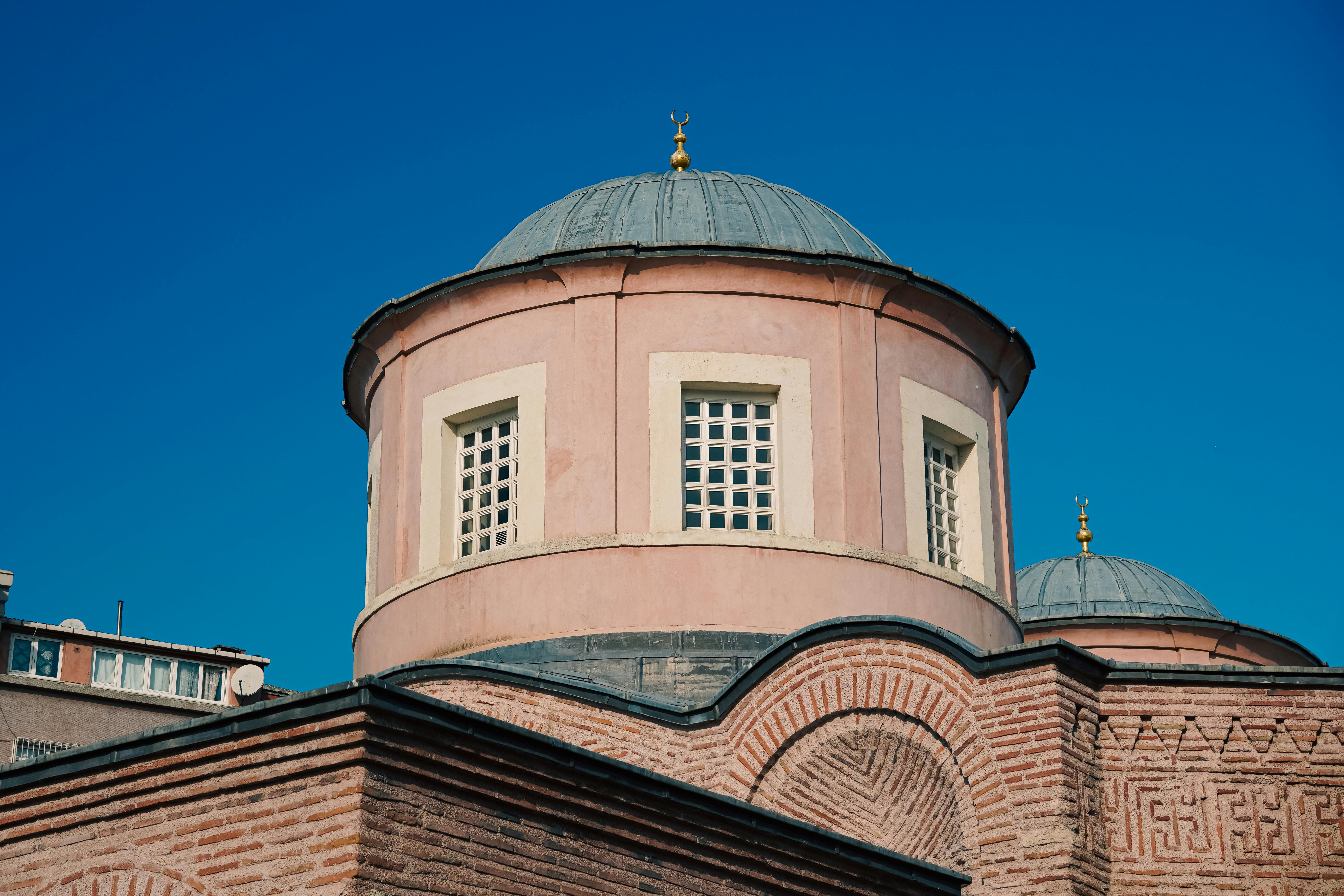
Chora Church Mosaics: Where Golden Light Meets Sacred Story
I step through the doorway at ten in the morning. The air feels cool and still. Light slants through narrow windows and catches thousands of tiny gold tiles set into vaulted ceilings. Figures look down from every curve. Christ and the Virgin Mary, saints and angels, each face rendered with care across seven hundred years. The ticket cost me twenty euros at the entrance booth. Few people stand inside yet. Voices stay quiet or fall entirely away. You do not need to understand every story to feel the weight of what surrounds you. Gold tesserae glow differently depending on where you stand. The light shifts and the images seem to breathe.
Why Chora Church Mosaics Matter
The building began in the 4th century, though the mosaics we see today were created between 1315 and 1321 under the patronage of Theodore Metochites, a powerful statesman and scholar. He poured his wealth into commissioning decoration that narrates the lives of Christ and the Virgin Mary across walls and vaults. Art historians regard these mosaics as the finest surviving example of the late Byzantine Palaiologan Renaissance—emotional, detailed, and filled with a gentler naturalism that departed from earlier, more rigid styles. The building has changed roles many times: church, mosque, museum, and mosque again. Plaster once protected the mosaics during centuries of different use. Today, that protection brings limits. Some sections remain closed to visitors. Prayer times interrupt viewing. Large areas sit covered or kept out of bounds. You cannot see everything, and signs explain very little.
The Best Time to Experience Chora Church Mosaics
Visit Tuesday through Thursday, between nine and ten in the morning. Temperatures stay mild year-round, ranging from 8°C (46°F) in winter to 28°C (82°F) in summer. The space feels small and fills fast. By eleven, tour groups arrive and voices echo. Fridays close entirely to tourists. Each day, five prayer times pause visitation for roughly thirty minutes each. These schedules shift seasonally and are not always clearly posted. Summer runs April through September; hours extend longer but heat and crowds test your patience. Winter brings shorter days, fewer visitors, and softer light that suits the gold particularly well. Avoid weekends entirely.
Approximate Budget for a 7-Day Istanbul Trip
These figures apply to one traveler staying centrally and visiting Chora as one stop among many:
- Accommodation: $315 — comfortable room with breakfast near Sultanahmet
- Food & Drink: $210 — daily meals, tea, and water
- Transport: $60 — transit card, trams, and short taxi rides
- Chora & Other Sites: $85 — Chora entry plus other entrance fees
- Incidentals: $40 — water, snacks, and small purchases
Total: Around $710 per person
Nearby cafés charge premium prices for simple tea and food. Walk five minutes toward the main road and pay half as much at local shops.
Essential Chora Church Mosaics Experiences
- Walk through the outer narthex — Here mosaics tell the early life of Christ. Each panel forms part of a continuous narrative. Step back and let the whole ceiling come into view. Skip detailed inspection if you suffer neck strain; the vaults sit high and looking up tires you fast.
- Study the inner narthex cycles — These panels trace the life and genealogy of the Virgin Mary. Golden backgrounds make figures stand out vividly. Notice how faces show emotion rather than solemnity. This warmth distinguishes Chora from other Byzantine sites.
- Stand beneath the Dome of the Pantocrator — Christ appears at the center, surrounded by ancestors. The curve and gold tiles catch light differently as you move. Stand still and watch how the glow shifts.
- See the Anastasis fresco — In the side chapel, Christ pulls Adam and Eve from their tombs. This image stands among the most powerful surviving works of its era. Color and movement feel alive. It rewards close, quiet attention.
- Look at the Deesis mosaic — Christ and the Virgin Mary appear together in quiet, tender composition. The detail in their faces and hands shows the skill of the artists. You see why Chora matters beyond its size.
- Notice the marble and floor — Painted patterns and carved surfaces surround the mosaics themselves. Every part was decorated. Nothing feels accidental or unconsidered.
Hidden Gems Most Travelers Miss
- Theodore Metochites offering mosaic — Above the entrance, the patron presents a model of the church to Christ. Small and easy to overlook. It reminds you that a real person commissioned this beauty.
- Scenes along the side vaults — Most visitors focus on the central domes. Walk slowly along the outer walls. Smaller panels and details reveal themselves only at walking pace.
- City walls walk afterward — Theodosian fortifications stand nearby. Walk west through the neighborhood and see ancient stone towers catching the same light. Quiet and rewarding.
- Postcard and guide selection — The small gift area sells printed guides and reproductions at very high prices. Buy a book elsewhere; the selection here feels overpriced for what you receive.
Cultural & Practical Tips
- Check prayer times before you go. The building closes to visitors roughly five times each day. If you arrive mid-session, you may wait thirty minutes or longer. No refunds apply.
- The Istanbul Museum Pass is not accepted. Many travelers arrive expecting free entry and must pay unexpectedly. Carry cash or euros to avoid delays.
- Dress respectfully. Shoulders and knees covered. Women need headscarves. This is a place of worship as well as a historic site. People pray in the central hall.
- Photography rules shift. Flash remains forbidden. Tripods are banned. Some areas allow photos; others do not. Follow signage and staff instructions. Disagreements happen often.
- Read before visiting. Very little information appears inside. You will appreciate the mosaics far more if you know what scenes to look for. Guidebooks cost extra and sell out fast.
- Go Tuesday to Thursday. Fridays close entirely. Saturdays and Sundays fill with tour groups. Quiet viewing matters more than you think.
- Allow extra travel time. Chora sits well away from Sultanahmet. Tram plus walk or taxi takes twenty to thirty minutes. Plan accordingly.
Essential Visitor Information
Location & Access: Kariye Mahallesi, Kariye Cami Sokak No:6, Fatih, Istanbul. Nearest tram: Edirnekapı (T4 line), then ten-minute walk. From Sultanahmet: tram to Eminönü then bus or taxi (~25 minutes). From Taksim: taxi or bus via Unkapanı (~30 minutes).
Tickets & Booking: Twenty euros per foreign visitor. No advance booking. Museum passes not accepted. Free entry for children under eight and for worshipers. Pay at entrance booth only.
Operating Hours: Daily 9:00 AM to 6:00 PM. Closed Fridays for tourist visits. Also closes roughly 30 minutes before each daily prayer time. Confirm locally before traveling.
Visit Duration: Minimum one hour. Allow ninety minutes to walk slowly, look closely, and rest without rushing.
Family Suitability: Children welcome. Steps and uneven floor present difficulty for strollers. Restrooms outside main entrance. No seating inside except along walls.
Timing: Arrive 9:00 AM, Tuesday–Thursday. Light looks best and crowds stay smallest. Avoid Fridays and all afternoons.
Highlights: Outer narthex life of Christ mosaics, inner narthex Virgin cycles, Pantocrator dome, Anastasis fresco, Deesis mosaic.
Nearby & Day Trip: Theodosian city walls walk 5 minutes away. Tekfur Sarayı (Palace of the Porphyrogenitus) 10 minutes by foot. Chora plus walls plus palace make a satisfying half-day. Return to Sultanahmet or visit Eyüp nearby.
Conclusion: Travel with Reverence, Not Just a Camera
Chora Church mosaics represent one of humanity's great artistic achievements. Gold and glass set into stone tell stories that have survived war, earthquake, conversion, and time itself. Yet the building serves now as a place of worship. Some areas remain closed. Prayer interrupts viewing. You must adjust your expectations and your pace. Walk slowly, speak softly, and look closely. The gold does not shine for photographs alone. It shines for anyone who stands still long enough to see. What draws you most—the art, the history, or the quiet light?
Post a Comment