Süleymaniye Mosque: Where Ottoman Grandeur Meets Golden Horn Serenity
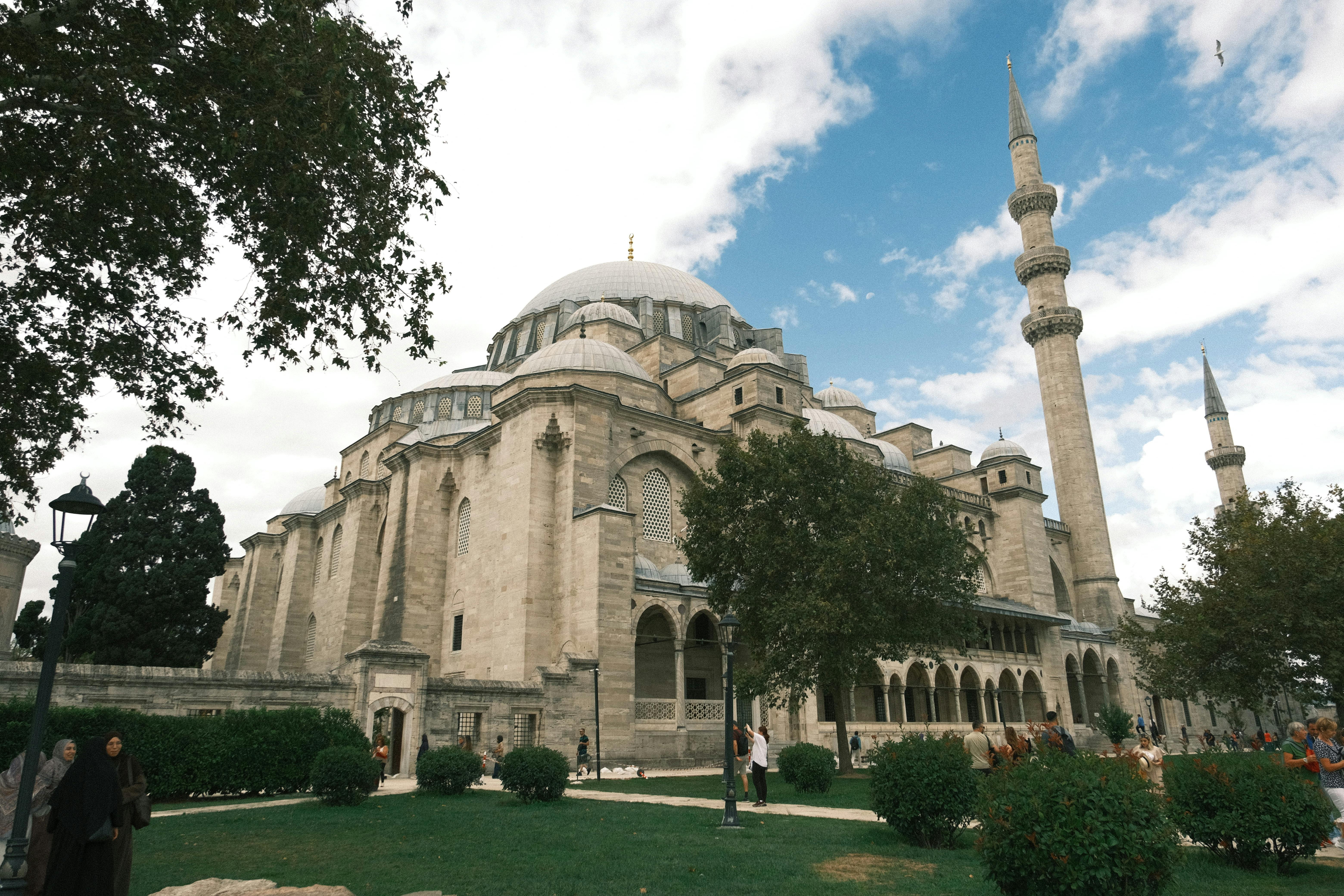
Süleymaniye Mosque: Where Ottoman Heritage Meets Istanbul’s Skyline
I stand before the main courtyard just after sunrise. The air holds a faint, cool breeze that carries the scent of old stone and dry grass. Sunlight slants across the domes, turning white lead panels to warm gold. Birds circle high above the central dome, their calls echoing between minarets. Few people are here yet. The space feels quiet, almost private. I paid nothing to enter, and I have already spent twenty minutes just standing and looking. This place does not shout. It waits for you to notice the care in every line.
Why Süleymaniye Mosque Matters
Built in the sixteenth century under Sultan Süleyman the Magnificent, this mosque stands as one of the most important works in the city. The architect Sinan designed it to anchor the skyline and serve both spiritual and community life. It once included schools, a hospital, baths, and markets. Many of those still function or remain open to visit. The design balances grand scale with careful proportion. Every element feels placed with purpose. Still, restoration work has gone on for years. Some sections stay covered, and scaffolding can block views from certain angles. Do not expect every corner to look finished. Even so, the overall impression stays strong.
The Best Time to Experience Süleymaniye Mosque
Spring runs from late March to early June. Temperatures sit between 15°C and 25°C (59°F–77°F). Days feel long and pleasant. Rain falls occasionally. Summer brings hot, dry weather from mid-June to September. Readings often reach 28°C to 33°C (82°F–91°F). Walking uphill becomes tiring in the afternoon heat. Autumn arrives from late September to November. Temperatures drop from 24°C to 12°C (75°F–54°F). Light rain returns by October. Winter spans December through February. Expect 5°C to 11°C (41°F–52°F), occasional rain, and rare light snow. Go early in the morning, right after sunrise, for the clearest views and quietest atmosphere. Avoid Friday midday, when crowds gather for weekly prayers.
Approximate Budget for a 7-Day Trip
Costs below cover one person staying in Istanbul and visiting Süleymaniye Mosque plus other sites across the city.
- Accommodation: $280 – Mid-range double room with private bathroom, seven nights. Closer to the historic district means higher prices.
- Food & Drink: $210 – Three meals a day, mostly local restaurants and street food. Tea and small snacks included.
- Transport: $45 – Public transit card plus occasional short taxi rides up steep hills.
- Attractions & Entry Fees: $85 – Most historic mosques cost nothing to enter; this covers museums, hill viewpoints, and small sites.
- Miscellaneous: $40 – Bottled water, extra snacks, and small personal items.
Total estimated cost: $660
Watch out for carpet shops and souvenir stalls right outside the mosque. Prices run two or three times higher than elsewhere in the city. Walk ten minutes downhill toward the main bazaar streets. You will find similar items at fair prices.
Essential Süleymaniye Mosque Experiences
- Step inside the prayer hall and look up at the central dome. Light filters through dozens of windows. The space feels wide and open, not cramped.
- Walk the outer courtyard and notice the four minarets of differing heights. They mark historical rank and status. Each one shows careful stonework.
- Visit the surrounding tombs where Sultan Süleyman and his family rest. The tiles here carry richer patterns than inside the mosque.
- Climb to the viewpoint behind for a broad look across the Golden Horn. The city spreads out below. Skip this if you have trouble with steep steps or uneven ground.
- Explore the old medreses that once served as schools. Many now hold quiet cafes and small workshops. You can sit and rest without crowds pressing in.
- Stop at the nearby bathhouse built as part of the original complex. It still operates. Check opening times before you walk over.
Hidden Gems Most Travelers Miss
- The small cemetery on the north side holds old gravestones with delicate carvings. Few visitors walk here. It stays quiet even when the courtyard fills up.
- A narrow path leads downhill past the outer walls to a quiet tea house with terrace seating. It costs less than places right at the main gate.
- The large public park below the southern walls offers grassy space and shade. You can picnic and watch light change across the domes through the day.
- Do not spend too much time or money at the so-called “historic inn” right beside the entrance. It feels restored for tourists, lacks authenticity, and serves overpriced food of average quality.
Cultural & Practical Tips
- Cover your shoulders and knees before entering. Scarves sit at the entrance for visitors who need them. Wear modest clothing to avoid being turned away or standing apart to cover up.
- Remove your shoes at the doorway. Carry a small bag to hold them so you can walk comfortably across the courtyard and into other areas later.
- Do not walk across the prayer rugs during prayer times. Stand at the edges or wait until the service ends. Entering the main hall during prayer causes disturbance and draws unwanted attention.
- Keep voices low everywhere. This remains an active place of worship. People come here to pray, not to hear loud conversation.
- Watch your step. Uneven stone and sloped ground appear throughout the complex. The path up from the main road gets slippery after rain. Wear sturdy shoes.
- Friday noon draws very large crowds. Visit on another day or come before 11:00 if you prefer space and quiet.
Essential Visitor Information
Location & Access: Süleymaniye Mosque sits on a prominent hill in the Fatih district of Istanbul. It lies roughly 4 kilometers northwest of Sultanahmet Square. You can reach it by bus from Eminönü, by tram plus a steep 15-minute walk, or by ferry to Karaköy then crossing the bridge and walking uphill. Bus offers the easiest route.
Tickets & Booking: Entry to the mosque and courtyard costs nothing. No booking required. Some tombs or special exhibits may charge a small fee on site.
Operating Hours: Open daily from roughly one hour before sunrise until one hour after sunset. The interior closes briefly during five daily prayer times. On Friday, the main service at midday limits entry for about an hour.
Visit Duration: Allow at least 60 minutes. Plan 2 to 3 hours if you want to explore the tombs, walk the grounds, and sit at a viewpoint.
Family Suitability: Children may visit. Strollers face difficulty due to steps, slopes, and narrow doorways. Restrooms exist near the courtyard. Carry water and snacks for little ones, as few shops sit close by.
Timing: Go early morning for soft light and fewer people. Late afternoon also works well. Avoid midday in summer, when heat and crowds peak.
Highlights: The central dome interior, the four minarets and courtyard proportions, the tombs of Süleyman and Hürrem Sultan, and the panoramic views toward the Golden Horn.
Nearby & Day Trip: Walk downhill to the Spice Bazaar and Eminönü waterfront in 20 minutes. The Grand Bazaar lies about 25 minutes away by foot. Chora Church sits roughly 30 minutes by bus. You can visit all these in the same trip without rushing too much.
Conclusion: Travel with Purpose, Not Just Sightseeing
Süleymaniye Mosque stands apart from other landmarks because it feels lived-in. It still serves the city every day, not just as an attraction. You leave with more than photographs. You gain a sense of how the people who built and used this place lived. Look past the famous views. Notice the small details, the worn stones, and the quiet corners. Ask yourself what matters most when you visit somewhere new. Is it checking a list, or understanding the place itself?
Post a Comment