
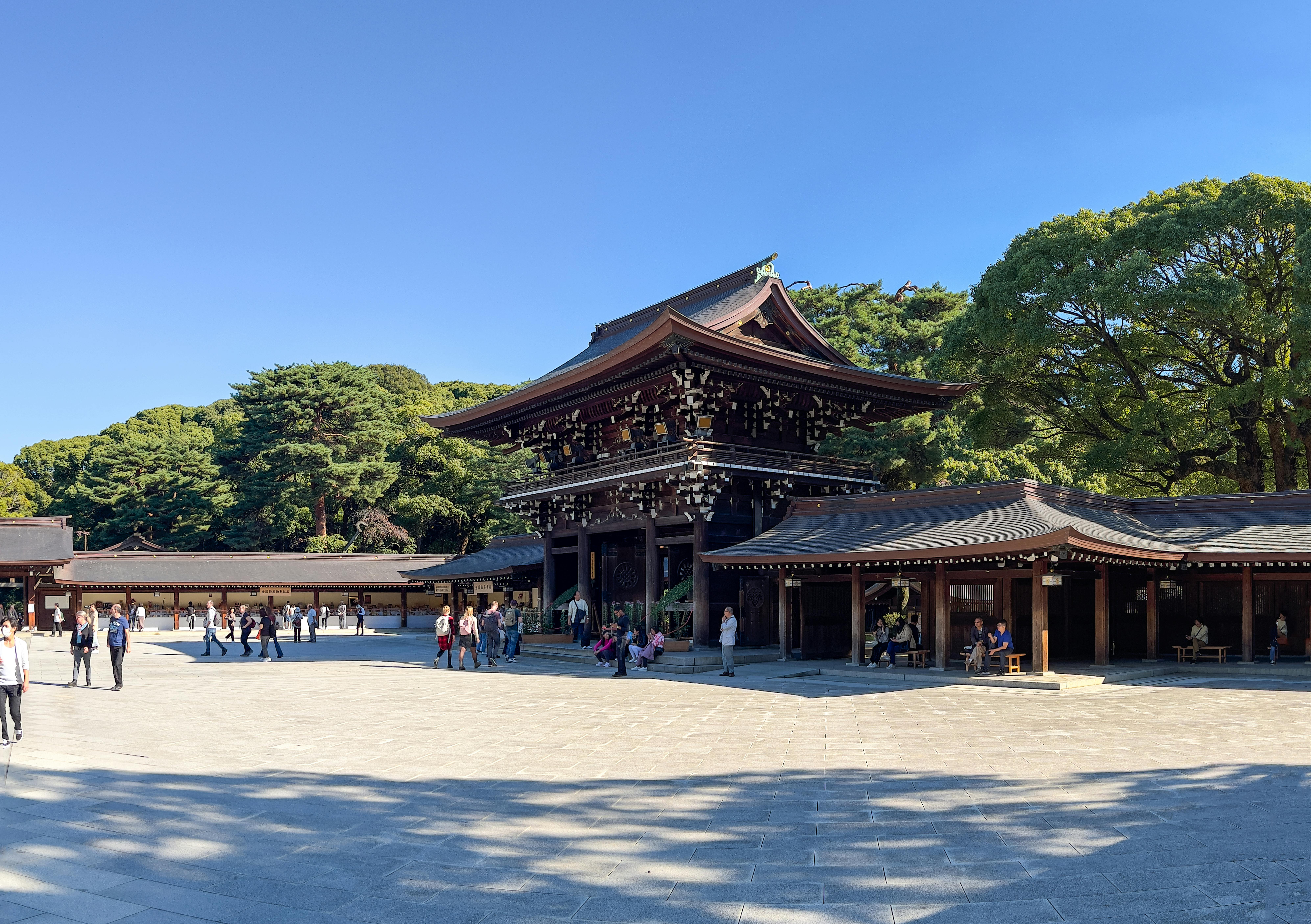
Meiji Shrine: Where Ancient Forest Meets Imperial Spirit
The air shifts the moment you pass beneath the towering torii gate—humidity drops, the city's mechanical roar fades to a soft rustle of leaves, and the scent of damp earth and Japanese cypress replaces exhaust fumes. You've stepped from Harajuku's neon chaos into Tokyo's most sacred forest, a 700,000-square-meter (175-acre) oasis planted with 120,000 trees donated from across Japan . This is Meiji Jingu, dedicated to Emperor Meiji (1852-1912) and Empress Shoken (1850-1914), the visionary leaders who guided Japan from feudal isolation to modern nationhood . The original shrine, designed by architect Chuta Ito and completed in 1920, was destroyed during the World War II Tokyo air raids. Yet the Japanese people—through public fundraising—rebuilt it by October 1958, proving that reverence outlasts any structure . Here, in Shibuya's embrace, 10 million annual visitors discover why sacred silence matters deeply in the world's most frenetic metropolis.
Why Meiji Shrine Embodies Japanese Spiritual Resilience
The shrine solves a profound cultural problem: how to honor transformative leadership while maintaining Shinto's ancient nature-worship traditions. Emperor Meiji, whose reign began in 1868 and ended with his death in 1912, modernized Japan through unprecedented technological and industrial development. Yet he never abandoned Japanese spiritual identity. The shrine's architecture—reconstructed in the nagare-zukuri style—uses Japanese cypress for its water resistance and natural beauty, leaving the wood unpainted. Copper plates clad the roofs, their green rust considered beautiful rather than weathered . The massive torii gate at the entrance stands 12 meters (13.2 yards) tall with a 9.1-meter (10-yard) span, making it one of Japan's largest . These measurements aren't arbitrary—they represent Shinto's emphasis on harmony between human craftsmanship and natural materials. The shrine's inner precinct (Naien) houses the main worship hall, while the outer precinct (Gaien) contains the Meiji Memorial Picture Gallery, featuring 80 wall paintings depicting the imperial couple's lives . What problem does this solve? It transforms abstract historical reverence into tangible, walkable experience—a forest where pilgrims can physically connect with Japan's journey from samurai to skyscraper.
The Best Time to Experience Meiji Shrine
To experience Meiji Shrine at its most serene—when morning light filters through 120,000 trees and you share the gravel paths only with crows and early worshippers—arrive between March 20–April 15 (spring) or October 15–November 30 (autumn). Spring temperatures average 10-20°C (50-68°F), with cherry blossoms framing the main gate in early April . Autumn offers 8-22°C (46-72°F) with maple trees turning crimson, creating the city's most photographed foliage. The sacred window for crowd-free exploration is 6:00–7:30 AM, before tour groups arrive from 9:00 AM . June brings a different magic—the Inner Garden's 1,500 irises bloom, though humidity reaches 70-80% and temperatures hit 23-31°C (73-88°F) . Avoid December 29–January 3, when Hatsumōde (first shrine visit of the year) draws over 3 million pilgrims, creating two-hour queues for the offering box. Also avoid late April–early May during Golden Week, when domestic tourism peaks. For official hours (typically 6:00 AM–5:00 PM, extended during summer) and seasonal event schedules, consult: www.meijijingu.or.jp .
Approximate Budget for a 7-Day Trip Including Meiji Shrine
This breakdown allocates Meiji Shrine as a free cultural centerpiece within a broader Tokyo itinerary, assuming mid-range independent travel. Prices in Japanese Yen (¥) and US Dollars ($), based on 2025-2026 data.
- Accommodation: ¥9,000–¥16,000 ($60–$110) per night near Harajuku or Shibuya. Budget: Wise Owl Hostels Shibuya (¥4,500 / $30 dorm). Mid-range: Hotel Wing International Premium Shibuya (¥12,000 / $80). Splurge: TRUNK HOTEL (¥45,000 / $300) .
- Food: ¥3,500–¥6,000 ($23–$40) daily. Convenience store breakfast: ¥600 ($4). Lunch near Harajuku Station (ramen, soba): ¥800–¥1,200 ($5–$8). Takeshita-dori crepe for snack: ¥600 ($4). Dinner in Shibuya: ¥2,000–¥3,500 ($13–$23) .
- Transportation: JR Yamanote Line single ride to Harajuku Station: ¥180 ($1.20). One-week Tokyo Metro pass: ¥1,500 ($10). From Narita Airport via Keisei Skyliner: ¥2,570 ($17).
- Attractions (Meiji-focused): Meiji Shrine main precinct: FREE . Meiji Jingu Museum (opened 2019, designed by Kengo Kuma): ¥1,000 ($6.60) . Inner Garden (Gyoen, iris garden): ¥500 ($3.30) during seasonal openings. Omamori (protective charm): ¥500–¥1,000 ($3.30–$6.60). Ema (votive tablet): ¥500 ($3.30).
- Miscellaneous: Traditional Japanese sake barrel photo opportunity: FREE . Calligraphy goshuin stamp: ¥300 ($2). Harajuku Takeshita-dori shopping budget: ¥2,000–¥5,000 ($13–$33) for crepes, accessories, vintage clothing. Omikuji fortune paper: ¥100 ($0.65) .
Total 7-day mid-range budget including Meiji Shrine: ¥85,000–¥115,000 ($560–$760) per person, excluding international flights. Staying near Harajuku adds convenience but raises accommodation costs by 15-20% compared to neighboring Shinjuku.
7 Essential Meiji Shrine Experiences
- Perform the Temizu Purification Ritual Correctly: Just past the second torii gate, the stone water pavilion demands proper execution. Scoop water with the wooden ladle using your right hand, pour over your left hand, switch the ladle to your left hand and pour over your right hand. Next, pour water into your cupped left palm and rinse your mouth—never transfer water directly from ladle to lips. Finally, tip the ladle vertically to wash the handle. This ritual cleanses physical and spiritual impurities before approaching the main hall. Most tourists perform it incorrectly; watch two Japanese visitors before trying yourself .
- Write Your Wish on an Ema at Sunrise: Wooden votive tablets called ema (¥500 each) hang on dedicated racks near the main hall. Write your prayer or intention on the back using the provided permanent markers. The front features this year's zodiac animal or shrine-specific imagery. Early morning offers quiet reflection without the pressure of watching crowds. Your tablet joins thousands of others—wishes for health, exam success, relationship harmony, and safe travels—each swaying gently in Tokyo's breeze, anonymous yet collectively powerful.
- Photograph the Sake Barrel Array at 8:00 AM: Near the main worship hall stands an Instagram-famous display: dozens of wooden sake barrels stacked three high, each bearing a different brewery's calligraphy . These barrels represent offerings from Japan's sake distilleries to honor Emperor Meiji, who encouraged the modernization of traditional industries. The parallel display of wine barrels (from Burgundy and Bordeaux) acknowledges the Emperor's embrace of Western culture. Golden hour (8:00–9:00 AM) illuminates the barrels' cedar wood and red kanji characters. Most tourists crowd this spot by 10:00 AM; arrive early for reflection-free photography.
- Walk the Iris Garden Path in Early June: The Inner Garden (Gyoen) sits between the second torii gate and the main shrine, accessible for ¥500 during seasonal openings. Empress Shoken personally designed this 37,000-square-meter garden, and its 1,500 irises reach peak bloom between June 10–25 . Purple, white, and deep blue flowers frame a central pond where herons fish. Wooden bridges cross tributaries, and bamboo groves create dappled shade. The garden opens at 8:00 AM; arrive early to photograph flowers before the crowds crush the gravel paths. No tripods permitted, but handheld macro lenses capture stunning iris detail.
- Commission a Goshuin Stamp from the Calligrapher: At the shrine office near the main hall, a seated calligrapher in traditional dress presses red temple seals into goshuinchō (stamp books) and adds hand-brushed calligraphy of the shrine's name and date. Each stamp costs ¥300 ($2). Buy a blank book (¥1,000–¥2,000) at the shrine shop before approaching. Staff appreciate the request phrase: Goshuin, onegai shimasu (Go-shoo-in, oh-neh-guy shee-mahs). The calligrapher works silently; bow slightly when receiving your book. Collecting stamps across Japan becomes a meditative journey—and Meiji Jingu's elegant brushwork makes it a treasured first entry.
- Attend a Traditional Shinto Wedding Ceremony (If You're Lucky): Weekends between 10:00 AM and 2:00 PM, you may witness a Shinzen kekkon (Shinto wedding) procession. The bride wears a white kimono and hood (tsunokakushi), while the groom wears formal montsuki haori hakama. A Shinto priest leads the couple and their families through the main gate toward the hall, accompanied by shrine maidens in red and white. Photography is permitted from a respectful distance; do not block the procession. Weddings occur year-round but peak in autumn. No advance schedule exists—consider pure luck as your guide.
- Walk to Takeshita-dori for Contrast Therapy: Exit Meiji Shrine through its southeastern gate, walk five minutes east, and you'll crash-land into Takeshita-dori—Harajuku's 400-meter carnival of crepes, rainbow cotton candy, vintage shops, and teenage fashion tribes . The jarring transition from sacred forest to pop-culture chaos is intentional: Japanese tourism pairs spiritual purification with earthly indulgence. Eat an Angels Heart crepe (strawberry chocolate, ¥600), browse secondhand designer clothes, and reflect on how Tokyo contains multitudes without contradiction. By 6:00 PM, most shrine visitors have left; you'll have the forest's evening calm to yourself after the sugar rush subsides.
3 Hidden Gems Most Travelers Miss
- Meiji Jingu Museum (Kengo Kuma Architecture): Opened in 2019, this museum designed by renowned architect Kengo Kuma (who also designed Tokyo's New National Stadium) sits quietly near the shrine's southern entrance . Most visitors pass it without entering. The building's signature feature: eaves constructed from wooden louvers that filter sunlight into the 3,200-square-meter interior. Inside, rotating exhibitions display personal belongings of Emperor Meiji and Empress Shoken—including the Emperor's writing desk, the Empress's wedding kimono, and diplomatic gifts from 19th-century world leaders. Entry costs ¥1,000 ($6.60). The museum gift shop sells exhibition catalogues unavailable anywhere else. Access: follow signs for "Museum" from the main courtyard. Open 10:00 AM–4:30 PM, closed Thursdays.
- The Imperial Fishing Platform (Gyoshijo): Hidden in the forest's northwestern corner, a raised wooden platform extends into a pond where Emperor Meiji and Empress Shoken fished together—a rare glimpse into their private leisure. Few visitors know this exists . The platform requires walking 15 minutes from the main shrine past the treasure museum, following signs toward "Fishing Platform" (Japanese: Gyoshijo). The surrounding garden features stones arranged to represent cranes and turtles—symbols of longevity in Japanese culture. Access requires the Inner Garden entry fee (¥500). Best visited in morning light (9:00–10:00 AM) when the pond reflects surrounding maple trees. No food or drinks; bring bug spray during summer months.
- Cicada Shell Hunting in the Forest at Dusk: From late July through August, the shrine's 700,000-square-meter forest fills with the deafening buzz of cicadas. But most visitors miss the forest floor's secret: thousands of empty cicada shells clinging to tree trunks and roots . The shells—perfect insect-shaped husks left behind when nymphs molt into adults—crunch underfoot. Children collect them for luck. The best hunting ground: the quieter northern paths away from the main courtyard, particularly the trail leading toward the Imperial Fishing Platform. Visit between 5:00–6:00 PM, when golden light illuminates the translucent shells. Take only photographs—collecting shells is discouraged as forest rangers consider them part of the ecosystem. The physical memorial on-site offers water fountains for post-hunt handwashing.
Cultural & Practical Tips
- Shrine Etiquette (The Two Bows, Two Claps, One Bow): Before the main hall, toss a ¥5 coin into the offering box (pronounced go-en, meaning "good fortune" or "relationship"). Bow twice deeply, clap twice sharply to wake the gods, make your wish silently, then bow once more. This is Japan's most consistent shrine ritual . Most tourists skip the claps or clap incorrectly—listen for the wooden hyoshigi clappers that shrine staff sometimes demonstrate.
- Photography Rules: You may photograph anywhere outdoors—torii gates, forest paths, main hall exterior. Inside the main hall's inner sanctum where priests perform rituals, photography is prohibited (small signs in English at the entrance). The sake barrel array permits photography, but do not touch the barrels or climb on them. The iris garden bans tripods during peak bloom weeks (June 10–25) to prevent congestion; handheld photography allowed.
- Essential Phrases for Shrine Visits: Omamori o kudasai (Oh-mah-moh-ree oh koo-dah-sigh): "May I have a charm, please?"—used at the shrine shop counter. Koko wa nan to iu kanban desu ka? (Koh-koh wah nahn to ee-oo kahn-bahn dess kah?): "What does this sign say?" Useful at historical markers. Kinen shashin o totte moraemasu ka? (Kee-nen shah-sheen oh toht-teh moh-ray-mas kah?): "Can you take a commemorative photo?"—most Japanese visitors will happily oblige.
- Avoid Crowds Strategically: Beyond arriving at 6:00 AM, visit on Tuesdays or Wednesdays (domestic tourists peak on weekends). Rainy mornings (forecast above 70% chance) reduce crowds by 60%—bring an umbrella and photograph wet gravel paths reflecting torii gates. The shrine's vast size means even on crowded days, walking 15 minutes from the main courtyard leads to near-empty forest trails. The northwestern paths toward the fishing platform rarely see tourist traffic before 10:00 AM.
- What to Wear for Seasonal Conditions: August demands heat vigilance—wear moisture-wicking fabrics, carry a hand towel (Japanese style: tuck into waistband), and hydrate at vending machines (water ¥120). January requires coats, gloves, and hand warmers (kairo from any drugstore) as morning temperatures drop to 1°C (34°F) . Comfortable walking shoes are non-negotiable—you'll cover 3–5 kilometers exploring the precincts. The gravel paths are unforgiving to thin soles.
- Cash vs. Card at the Shrine: Omamori charms, ema tablets, and goshuin stamps require cash only—enter the shrine grounds with ¥2,000–¥5,000 ($13–$33) in small bills and coins. The Meiji Jingu Museum accepts credit cards for entry. The nearest reliable ATMs: 7-Eleven outside Harajuku Station's Takeshita exit (3-minute walk) or Shibuya Station's east exit (10-minute walk).
- Photography Etiquette at Weddings: If you encounter a wedding procession, do not block the path. Stand at least 5 meters away. Turn off flash—it disturbs the ceremony and photographs appear washed-out anyway. Do not follow the couple into restricted areas (marked by ropes or signs). The best unobtrusive photos come from behind the procession, capturing the bride's white kimono against dark forest green. Do not post photos of identifiable Japanese wedding guests on social media without consent—privacy norms differ from Western expectations.
Conclusion: Travel with Reverence, Not Just Checkmarks
Ten million visitors pass beneath those towering cypress torii gates each year, and most commit the same error: they rush. They rush from the shrine to Harajuku, from Harajuku to Shibuya, collecting destinations like merit badges, never understanding that Meiji Jingu offers not just history but a manual for slowing down. Consider this: 120,000 trees were planted here—by hand, by Japanese citizens from every prefecture—to create not just a shrine but an ecosystem that would mature for decades. Those trees now stand 40 meters tall, their roots holding soil that survived the 1923 earthquake, the 1945 firebombings, the 2011 tsunami. The forest endured. The shrine was destroyed and rebuilt. The Japanese people fundraised for its resurrection—not because they needed a tourist attraction but because reverence for past leadership, for nature's rhythms, for sincere heart (magokoro) is how Tokyo remains Tokyo amidst constant reinvention . Walk slowly. Bow correctly. Leave your wish on an ema without photographing it. Notice how the air changes when you pass the final torii—how sounds soften, how shoulders drop, how breathing deepens. That shift is the shrine's real gift. Carry it back to the city with you. Let it remind you what reverence looks like, even among crowds.