
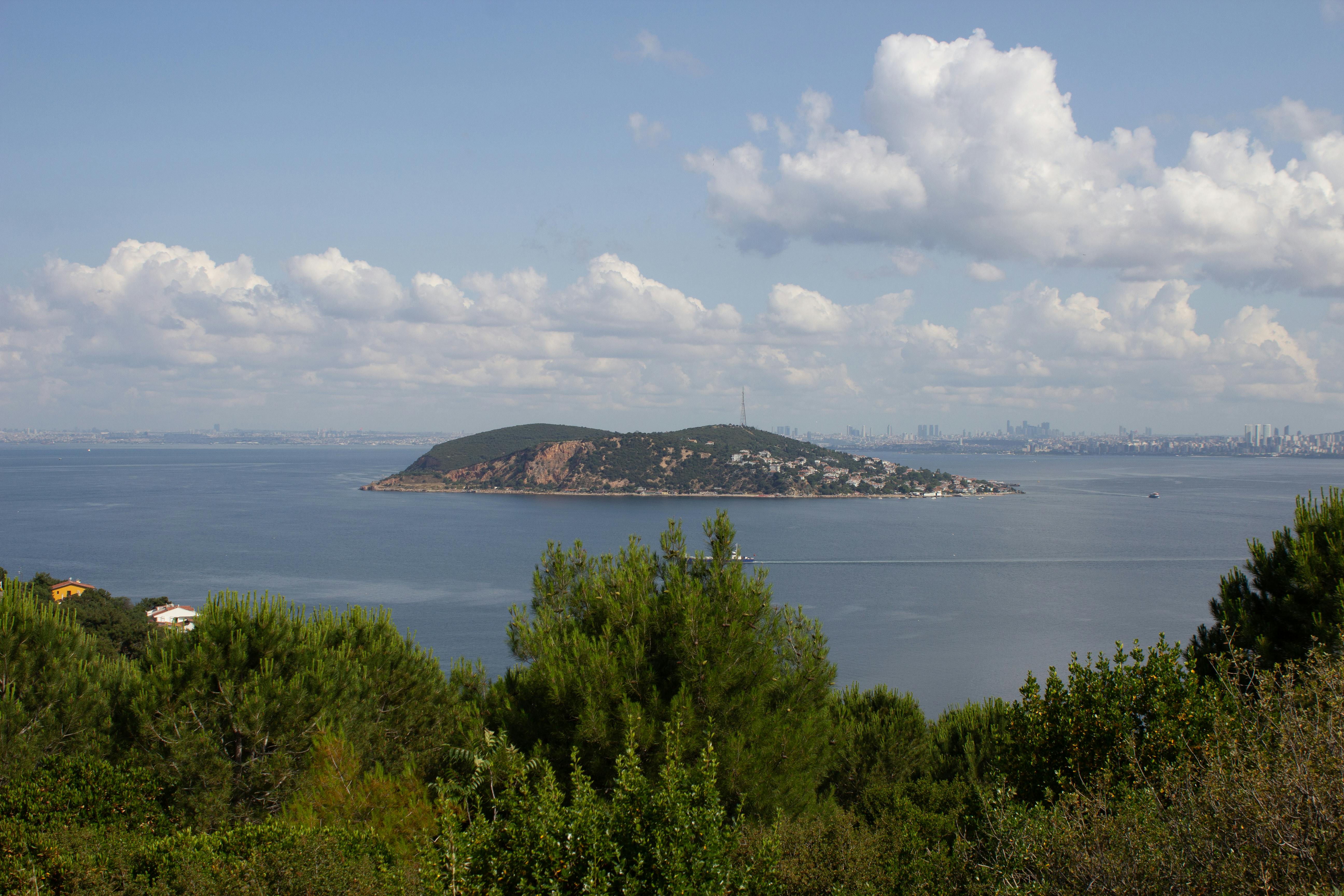
Princes' Islands: Where Ottoman Elegance Meets Aegean Tranquility
The ferry departs Kabataş pier as morning light gilds the Bosphorus, and you feel the gentle rock of the vessel beneath your feet—a rhythmic sway that carries you away from Istanbul's urban pulse toward a quieter world. You step onto the deck of a Princes' Islands ferry, where the air shifts from city exhaust to the briny scent of the Sea of Marmara mingled with distant pine. Ahead, nine emerald dots emerge on the horizon: Büyükada's graceful silhouette, Heybeliada's forested slopes, Burgazada's rocky coves. As you approach Büyükada—the largest island, measuring just 5.4 square kilometers (2.1 square miles)—horse-drawn carriages clip-clop along waterfront promenades, Victorian-era wooden mansions with ornate balconies peek through cypress trees, and the only motorized sounds come from electric service vehicles. This is not merely an island escape; it is a living time capsule where cars were banned over a century ago, where Byzantine exiles once contemplated faith in seaside monasteries, and where Istanbul's elite still retreat to summer yalıs painted in pastel hues. Standing here, you understand why these islands matter: they offer a rare glimpse of slow living in a fast world, where time is measured not in traffic jams but in the gentle lap of waves against stone.
Why Princes' Islands Embody Timeless Escape
The Princes' Islands—known locally as Adalar—represent one of travel's most elegant solutions to a fundamental human need: the desire to disconnect without traveling far. Located just 20 kilometers (12 miles) from Istanbul's historic peninsula, this archipelago of nine islands has served as a sanctuary for over 1,500 years, solving the challenge of finding peaceful refuge within reach of imperial power. During the Byzantine era, deposed royalty and political prisoners were exiled here—the islands' isolation provided security while their natural beauty offered solace. Later, under Ottoman rule, the islands transformed into summer retreats for Istanbul's wealthy, who built over 600 wooden yalıs (waterside mansions) featuring intricate latticework, wraparound verandas, and gardens cascading to the sea.
Architecturally, the islands showcase a unique vernacular style: two- and three-story wooden structures built on stone foundations, designed to capture sea breezes while withstanding humid maritime conditions. The car-free policy—enforced since the early 20th century—preserves not only air quality but a slower pace of life; transportation relies on bicycles, electric shuttles, and the iconic fasıl (horse-drawn carriages) that clip-clop along 14 kilometers (8.7 miles) of paved pathways. Büyükada's highest point, Yücetepe Hill, rises 203 meters (666 feet) above sea level, offering panoramic views that stretch from the Bosphorus to the Marmara coast. Materials reflect local availability: pine timber from island forests, stone quarried from Burgazada, and terracotta tiles fired in traditional kilns.
Beyond their physical charm, the Princes' Islands fulfill a profound cultural need: creating a shared space where urban dwellers can reconnect with nature, history, and each other. The islands' monasteries—like the 6th-century Hagia Yorgi on Büyükada—continue to welcome pilgrims; the seaside promenades host families sharing simit at sunset; the pine-shaded paths invite contemplative walks. In an age of constant connectivity, the Adalar remind us that true luxury isn't excess—it's the freedom to slow down, to listen to birdsong instead of notifications, to measure a day not by tasks completed but by moments savored.
The Best Time to Experience Princes' Islands
Timing your visit to the Princes' Islands requires balancing weather, crowds, and seasonal activities for the optimal experience. The ideal window runs from April 15–May 31 and September 15–October 31, when temperatures hover between 15–22°C (59–72°F), humidity remains moderate, and the islands' pine forests release their fragrant resin in the warm air. During these shoulder seasons, you'll experience the Adalar at their most serene: ferry queues are manageable, bicycle rentals are readily available, and the light creates ideal conditions for photographing Victorian mansions against turquoise waters.
For the most magical experience, book a 9:00–10:00 AM ferry departure from Kabataş or Bostancı. This allows you to arrive on Büyükada by mid-morning, when the island awakens: bakery doors open with the scent of fresh poğaça, fishermen return with the morning catch, and the paths are still cool for cycling. Alternatively, choose a 4:00–6:00 PM departure to witness sunset from Hagia Yorgi Monastery, when the sky blazes in rose and amber over the Marmara. Ferries run hourly year-round; the journey takes 75–90 minutes from central Istanbul.
Avoid June 15–August 31 if possible: temperatures climb to 28–35°C (82–95°F), humidity exceeds 75%, and weekend crowds create ferry queues exceeding 60 minutes. The islands' narrow paths can feel congested, and bicycle rentals sell out by midday. Also skip Turkish national holidays (April 23, August 30, October 29) when domestic tourism surges.
Winter months (December–February) offer atmospheric mist and peaceful solitude, with temperatures of 3–8°C (37–46°F), but many restaurants and shops reduce hours.
Approximate Budget for a 7-Day Trip
Istanbul and the Princes' Islands offer exceptional value for travelers seeking cultural immersion and natural beauty, with costs remaining moderate despite recent inflation. The following budget assumes mid-range travel with comfortable accommodations on Büyükada or in nearby Kadıköy, quality Turkish cuisine, and comprehensive sightseeing including island exploration. All prices reflect current rates in euros (€1 ≈ 35 Turkish Lira).
Accommodation: €50–€110 per night
• Budget pension on Büyükada: €30–€50/night
• Mid-range boutique hotel (3-star): €50–€85/night
• Upscale seaside mansion rental: €110–€180/night
7 nights total: €350–€770
Food: €20–€40 per day
• Breakfast: €4–€7 (Turkish tea, simit, menemen, olives, feta)
• Lunch: €6–€12 (fresh fish, balık ekmek, lentil soup, pide)
• Dinner: €10–€21 (mezze platter, grilled octopus, lamb şiş)
• Street food/snacks: €2–€4 (simit, roasted chestnuts, Turkish coffee)
7 days total: €140–€280
Transportation:
• Istanbulkart (reloadable transit card): €2 initial fee
• Airport transfer (Havaist bus): €4 each way
• Tram/Metro/Bus rides: €0.50 per trip
• Ferry to Princes' Islands: €2.50 round-trip
• Bicycle rental on islands: €8/day
7 days total: €40–€60
Attractions:
• Princes' Islands ferry: €2.50
• Hagia Yorgi Monastery: Free
• Büyükada Museum: €3
• Heybeliada Naval Museum: €4
• Horse-drawn carriage tour: €15/hour
• Bosphorus cruise (2-hour): €12
Total: €36–€46
Miscellaneous:
• Swimming gear rental: €10
• Souvenirs (local crafts, ceramics): €25–€80
• Travel insurance: €35
• SIM card (10GB data): €12
Total: €82–€137
TOTAL 7-DAY BUDGET: €648–€1,293
7 Essential Princes' Islands Experiences
1. Ferry Approach at Sunrise: Board the 8:00 AM ferry from Kabataş and claim a seat on the starboard side. As the vessel glides past the Maiden's Tower and into open water, watch the Istanbul skyline recede while the Princes' Islands emerge on the horizon. The morning light casts golden reflections on the Sea of Marmara, and seabirds wheel overhead. Bring a light jacket—the sea breeze can be cool even in summer. This 75-minute journey is part of the experience, not just transportation.
2. Cycle Büyükada's Coastal Path: Upon arrival, rent a bicycle (€8/day) from a shop near the ferry terminal. Follow the 7-kilometer (4.3-mile) coastal path that circles the island, passing Victorian mansions with ornate wooden balconies, secluded coves with turquoise water, and pine forests scented with resin. Stop at Aya Nikola Bay for a swim; the water is calm and clear. Allow 2–3 hours for the full loop, with time for photos and spontaneous detours.
3. Hike to Hagia Yorgi Monastery: Ascend Yücetepe Hill (203 meters/666 feet) to reach the 6th-century monastery dedicated to St. George. The 20-minute climb rewards with panoramic views stretching from the Bosphorus to the Marmara coast. Inside, Byzantine frescoes glow in candlelight, and pilgrims tie prayer ribbons to a sacred tree. Visit on April 23 (St. George's Day) to witness vibrant local celebrations—or choose a weekday for quiet contemplation.
4. Explore Victorian-Era Mansions: Wander Büyükada's residential streets to admire over 600 wooden yalıs built in the late Ottoman era. Look for intricate latticework (kafes), wraparound verandas, and gardens cascading to the sea. The island's architectural heritage reflects a unique fusion of Ottoman craftsmanship and European design sensibilities. Respect private property—photograph from public pathways only. Guided walking tours (€12) provide historical context for the most significant structures.
5. Swim in Secluded Coves: Büyükada and Heybeliada offer numerous rocky coves with crystal-clear water ideal for swimming. Aya Nikola Bay on Büyükada and Değirmenburnu on Heybeliada are particularly picturesque. Bring water shoes for rocky entries, and pack a towel—beach facilities are minimal. The best swimming conditions occur in late morning (10:00 AM–12:00 PM) when the water is calm and sun-warmed.
6. Savor Fresh Seafood at Waterfront Tavernas: For lunch, choose a family-run taverna along Büyükada's waterfront. Order levrek (sea bass) grilled with olive oil and herbs, kalamar (calamari) fried to golden perfection, or balık ekmek (fish sandwich) served with pickled vegetables. Pair your meal with rakı diluted with water or a crisp local white wine. Expect to pay €10–€18 for a satisfying meal with sea views.
7. Ride a Horse-Drawn Carriage: Experience the islands' iconic fasıl—horse-drawn carriages that clip-clop along shaded avenues. A 30-minute tour (€15) covers major sights: the clock tower, historic Greek orphanage, and seaside promenade. Drivers often share local stories and point out architectural details you might miss on foot. Tip 10–15% for exceptional service. This leisurely pace embodies the islands' philosophy: slow down and savor.
3 Hidden Gems Most Travelers Miss
• The Greek Orphanage (Prinkipo Greek Orthodox Orphanage): Perched on Büyükada's highest point, this massive wooden structure—once the largest wooden building in Europe—served as an orphanage from 1903 to 1964. Though currently closed for restoration, its exterior offers a haunting glimpse into early 20th-century institutional architecture. Access: Hike 15 minutes from Hagia Yorgi or take a carriage; view from the perimeter path. Best photographed at golden hour when light accentuates the weathered wood. A poignant reminder of the islands' multicultural past.
• Heybeliada's Naval Museum and Library: Tucked within the Turkish Naval Academy campus on Heybeliada, this small museum houses artifacts from Ottoman maritime history, including navigational instruments, ship models, and photographs. The adjacent library contains rare Ottoman-era texts. Access: Open to visitors 9:00 AM–4:00 PM weekdays; bring ID for campus entry. Most travelers skip Heybeliada for Büyükada, missing this quiet treasure. Allow 45 minutes to appreciate the collection and the campus's peaceful gardens.
• Burgazada's Sait Faik Abasıyanık Museum: Dedicated to Turkey's beloved short-story writer who found inspiration on Burgazada, this modest house-museum preserves his study, library, and personal effects. The garden overlooks a secluded cove where Faik often swam. Access: Open Tuesday–Sunday, 10:00 AM–5:00 PM; €3 entry. Literary travelers will appreciate the intimate connection between place and creativity. Visit mid-afternoon when light filters through the garden's olive trees.
Cultural & Practical Tips
• Respect the car-free policy: The Princes' Islands ban private motor vehicles to preserve air quality and tranquility. Transportation relies on bicycles, electric shuttles, and horse-drawn carriages. Embrace this slower pace—it's central to the islands' charm. If you require mobility assistance, contact ferry staff in advance for electric vehicle arrangements.
• Photography etiquette: Photography is permitted throughout public areas, but always ask before photographing private residences or individuals. Some mansion owners value privacy after decades of tourist attention. The phrase "Fotoğraf çekebilir miyim?" (foh-toh-raf cheh-keh-bee-leer mee-yim) means "May I take a photo?" Respect refusals gracefully.
• Ferry strategy: Purchase an Istanbulkart for seamless ferry access; single tickets cost €2.50 round-trip. Ferries depart hourly from Kabataş, Bostancı, and Kadıköy. Arrive 15 minutes early during peak season to secure outdoor seating. Download the "Şehir Hatları" app for real-time schedules.
• Pack for variable conditions: The islands' maritime climate means weather can shift quickly. Bring a light jacket even in summer for evening breezes, water shoes for rocky coves, and sunscreen for exposed paths. In winter, temperatures feel 5–8°C (9–14°F) cooler on the water—layer accordingly.
• Learn essential Turkish phrases: "Teşekkür ederim" (teh-shek-kur eh-deh-rim) = Thank you; "Adalar çok güzel" (ah-dah-lar chok gew-zel) = The islands are very beautiful; "Ne kadar?" (neh kah-dar) = How much? Attempting Turkish shows respect and often sparks warm interactions with locals.
• Support sustainable tourism: The islands' fragile ecosystem depends on visitor cooperation. Dispose of trash properly, stay on marked paths to protect pine forests, and choose locally owned businesses over international chains. Consider joining a beach cleanup event organized by island conservation groups.
• Combine with mainland attractions: Pair your island day with visits to nearby Kadıköy's vibrant markets or the historic walls of Constantinople. Plan a flexible itinerary: morning ferry, island exploration, late-afternoon return, evening dinner in Kadıköy. This balance offers both escape and urban energy.
Conclusion: Travel with Presence, Not Just Passage
The Princes' Islands demand more than a day-trip checklist—they invite presence. As you cycle past wooden mansions where generations have summered, hike to monasteries where exiles once sought solace, and swim in coves unchanged for centuries, remember that you are not merely a visitor but a participant in a tradition of mindful escape. These islands offer a narrative of balance: proximity to Istanbul without its pace, natural beauty without exploitation, history without heaviness.
Travel here with intention. Pause to listen to the clip-clop of carriage horses on stone. Accept the simit offered by a seaside vendor with gratitude. Choose a locally owned pension over an international chain. These small acts of respect accumulate into something larger than tourism—they become participation in preserving a fragile model of slow living in a fast world.
The Princes' Islands will outlast us all, their pine forests continuing to scent the sea breeze while their wooden mansions whisper stories of summers past. Your visit should honor that continuity, supporting the delicate balance between access and preservation that allows future generations to experience this magic. Slow down. Breathe the pine-scented air. Let the rhythm of the waves remind you that the most luxurious escape isn't distance—it's presence. That is how you truly experience the Princes' Islands.