
Slavonia Wine Roads: Where Golden Graševina Meets Pannonian Soul
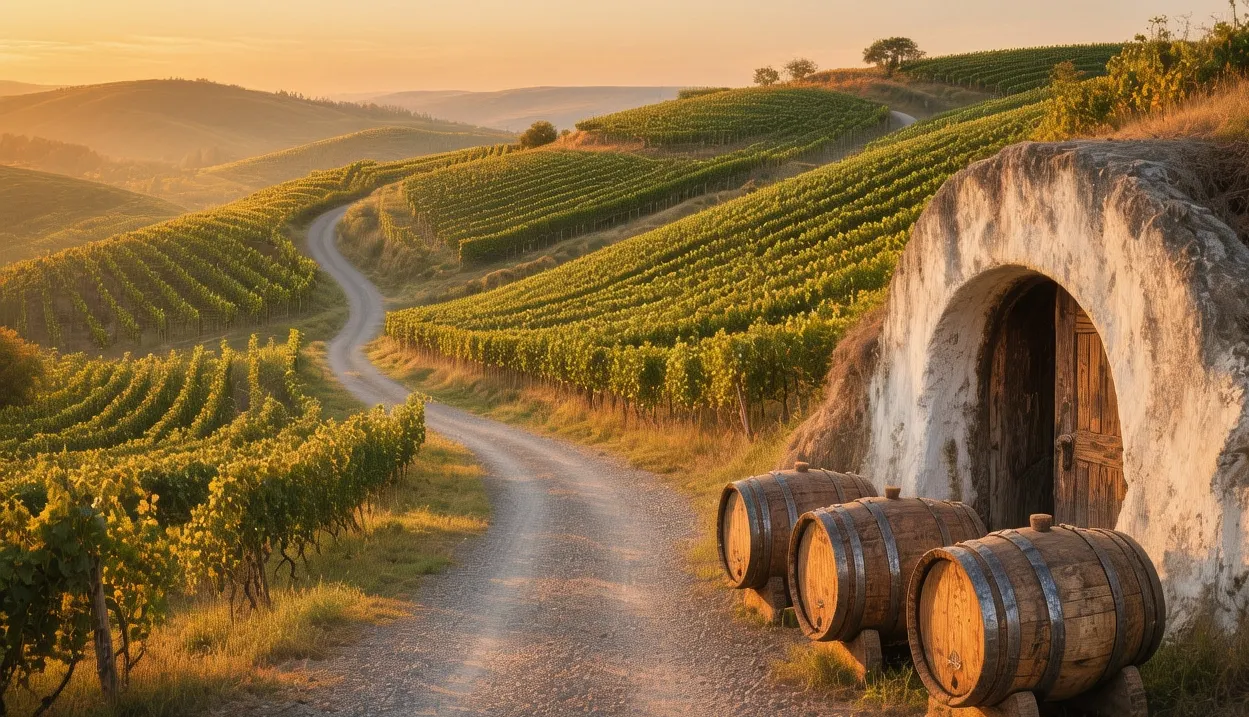
The late afternoon sun gilds endless rows of Graševina vines stretching across Slavonia's gentle slopes, casting long shadows over traditional podrumi (wine cellars) carved into loess hillsides where oak barrels rest in cool darkness. You hear it before you taste the wine—the soft rustle of leaves in the Pannonian breeze, the distant clink of glasses from a family estate terrace, the gentle murmur of winemakers discussing fermentation in Croatian and German. This is Croatia's most underrated wine region, where over 2,000 hectares of vineyards produce some of Europe's finest white wines, from crisp Graševina to robust Frankovka, all nurtured by fertile plains where the Drava and Sava rivers converge. Within these sun-drenched landscapes, where centuries-old winemaking traditions meet contemporary innovation and the scent of ripe grapes mingles with wild thyme, Slavonia's wine roads matter not merely as a tasting itinerary but as a living testament to terroir—a place where you can walk through rows of golden vines while breathing air scented with earth, oak, and the quiet pride of families who have cultivated these slopes for seven generations.
Why Slavonia Wine Roads Embody Authentic Terroir
Slavonia's wine region represents far more than a scenic driving route—it embodies one of Europe's most authentic expressions of Pannonian terroir, where geology, climate, and human tradition converge to create wines of distinctive character and remarkable value. The region's 2,100 hectares of vineyards, concentrated around Kutjevo, Đakovo, and Ilok, solve a fundamental winemaking challenge: producing elegant, food-friendly whites in a continental climate where temperature swings between day and night can exceed 15°C (27°F). Winemakers leverage Slavonia's unique geology: loess soils (wind-deposited silt up to 30 meters thick) provide excellent drainage while retaining moisture, clay subsoils impart mineral complexity, and south-facing slopes maximize sun exposure for optimal grape ripening [[4]].
Beyond viticultural significance, Slavonia fulfills a profound cultural need: preserving traditional winemaking methods while embracing sustainable innovation. Family estates like Kutjevo d.d. (founded 1232, one of Europe's oldest continuously operating wineries) and small artisan producers maintain centuries-old practices—hand-harvesting, spontaneous fermentation with native yeasts, aging in Slavonian oak barrels crafted from local Quercus petraea—while investing in temperature-controlled fermentation and organic certification [[7]]. The region's signature grape, Graševina (Welschriesling), accounts for over 60% of plantings and produces wines ranging from bone-dry to lusciously sweet, each expressing the subtle variations of micro-terroirs across Slavonia's rolling hills. This commitment to authenticity, combined with exceptional value (premium wines often priced at €8–€15 per bottle), has earned Slavonia growing recognition among sommeliers and wine enthusiasts seeking alternatives to more famous European regions.
The Best Time to Experience Slavonia Wine Roads
Timing your Slavonia wine journey dramatically shapes your encounter with this Pannonian treasure. For optimal conditions—harvest activity, pleasant weather, and vibrant cellar-door hospitality—plan your arrival between September 10 and October 20 or May 15 and June 25. During these shoulder seasons, daytime temperatures range from 18–26°C (64–79°F), with refreshing river breezes keeping humidity comfortable. Morning tastings between 9:00–11:00 AM offer the clearest palates for evaluating wines, while late afternoon visits from 4:00–6:00 PM capture golden-hour light that transforms vineyards into amber landscapes [[12]].
Summer brings lush vineyards but also heat: from June 26 through September 9, temperatures climb to 27–33°C (81–91°F), and some estates reduce visiting hours during midday heat. However, this period features extended daylight hours and warm evenings of 20–24°C (68–75°F), perfect for outdoor tastings on estate terraces overlooking vines. If visiting during peak season, schedule tastings before 10:00 AM or after 5:00 PM to avoid heat and secure personalized attention from winemakers [[15]].
Avoid November through February unless you specifically seek solitude and don't mind temperatures of -3–8°C (27–46°F) with frequent fog, rain, or occasional snow. While winter offers atmospheric mist-shrouded vineyards and intimate cellar visits, many estates reduce tasting room hours, and vineyard walks become challenging due to mud or ice.
For current harvest updates, estate opening hours, and wine route maps, visit the https://visitslavonia.hr/ official tourism website, which provides comprehensive visitor information for Slavonia's wine region in Croatian, English, and German [[2]].
Approximate Budget for a 7-Day Trip
Slavonia offers exceptional value among European wine destinations, with tastings often complimentary and premium wines priced accessibly. The following budget assumes a mid-range travel style with comfortable accommodations, quality dining featuring local specialties, and active exploration of the wine roads.
- Accommodation: €55–€125 per night for a double room in a family-run agritourism estate or boutique hotel within Slavonia's wine villages. Budget guesthouses start at €40/night; upscale wine-themed suites with vineyard views run €95–€160/night during harvest season. Booking directly with properties often yields 10–15% discounts.
- Food: €30–€54 per day per person
- Breakfast: €5–€9 (coffee €2, pastry €2.50, or full breakfast €7 at local konoba)
- Lunch: €11–€18 (štrukli pastry €13, grilled river fish €15, kulen and local cheese board €12)
- Dinner: €16–€28 (three-course Slavonian meal with wine pairing at family restaurant; mid-range dinner for two averages €52)
- Transportation:
- Car rental: €32–€50/day (essential for exploring wine roads; parking at estates is free)
- Fuel: €35 total for week (Slavonia wine region spans approximately 120 km east-west)
- Zagreb Airport transfers: €70 one-way taxi or €15 bus to Osijek + €10 local transport
- Attractions:
- Wine tastings at family estates: €8–€15 per person (often complimentary with purchase)
- Guided wine road tour (full day): €45 per person (includes transportation, 4–5 tastings)
- Harvest experience participation: €25 per person (half-day, September–October)
- Slavonian oak barrel workshop: €18 per person
- Visit to Kutjevo Monastery cellars: €5
- Miscellaneous:
- Wine purchases: €10–€40 per bottle (premium Graševina €12–€25, limited editions €30–€50)
- Tourist tax: €1.00 per person per night (April–September); €0.60 off-season
- Travel insurance: €22–€36 for week-long coverage
Total estimated cost for 7 days: €680–€1,210 per person (based on double occupancy; solo travelers should add 25–35% for single-room supplements)
7 Essential Slavonia Wine Roads Experiences
- Join a harvest morning at a family estate: Book a harvest experience with a small producer in Kutjevo or Ilok (typically September 15–October 10, €25 per person, advance reservation essential). Arrive by 7:00 AM to join winemakers and their families hand-picking Graševina grapes at dawn, when sugars are highest and temperatures coolest. You'll learn to identify ripe clusters, understand yield decisions, and experience the communal spirit of harvest. After picking, participate in destemming and pressing, then enjoy a traditional Slavonian breakfast of fresh bread, kulen, and young wine. Bring sturdy shoes, long sleeves for sun protection, and a camera for authentic moments [[12]].
- Taste Graševina verticals at Kutjevo d.d.: Visit Europe's oldest continuously operating winery (founded 1232) for a guided tasting of Graševina vintages spanning 10–15 years (€15 per person, daily at 10:00 AM and 3:00 PM). The 60-minute experience includes cellar tours through historic vaults, explanations of Slavonian oak aging, and comparative tasting of dry, off-dry, and late-harvest styles. Note how minerality evolves with age while acidity maintains freshness. The tasting room's panoramic windows overlook estate vineyards, enhancing the terroir connection. Purchase bottles directly at estate prices (10–20% below retail).
- Walk the Ilok hillside vineyards at sunset: Drive to Ilok, Croatia's easternmost wine town, and follow the marked vineyard path (2.3 kilometers, 45–60 minutes at leisurely pace) that loops through Graševina and Frankovka plantings on slopes overlooking the Danube. Visit between 5:30–7:00 PM in summer, when the setting sun casts golden light across vines and the river shimmers below. Look for informational panels explaining soil variations and microclimates; bring binoculars to spot birds nesting in vineyard edges. Conclude at a hilltop viewpoint for panoramic photography opportunities.
- Experience a Slavonian oak barrel workshop: Several cooperages near Đakovo offer demonstrations of traditional barrel-making using local Quercus petraea oak (€18 per person, Tuesdays and Thursdays at 2:00 PM, advance booking required). The 90-minute session includes watching master coopers shape staves, toast interiors over open flames, and assemble barrels using techniques unchanged since the 1700s. Learn how Slavonian oak's tight grain imparts subtle vanilla and spice notes without overwhelming fruit character. Participants receive a small oak-aged wine sample and a certificate of participation.
- Attend an evening wine-and-music pairing: During summer months, select estates host outdoor concerts paired with wine tastings (typically Fridays at 7:00 PM, €22 per person including three wines and appetizers). The combination of live tamburica music (traditional Slavonian folk instruments), vineyard views, and carefully matched wines creates an immersive cultural experience. Arrive by 6:30 PM to claim seating on the terrace; dress smart-casual. Menus feature local specialties like fiš paprikaš (spicy fish stew) that complement the wines' acidity and minerality [[15]].
- Explore the Kutjevo Monastery cellars: Descend into the 13th-century cellars beneath Kutjevo's Franciscan monastery (open daily 9:00 AM–4:00 PM, entry €5) to discover where Cistercian monks first cultivated Slavonia's vineyards. The guided tour (45 minutes, included with entry) reveals vaulted chambers lined with historic barrels, explains medieval winemaking techniques, and includes a tasting of monastery-produced wines. The cool, dim environment (constant 14°C/57°F) preserves both wine and history. Bring a light jacket even in summer.
- Participate in a blind tasting challenge: Several estates offer advanced tasting experiences where you evaluate Slavonian wines without label information (€20 per person, Saturdays at 11:00 AM, small groups of 6–8). Guided by a certified sommelier, you'll assess appearance, aroma, and palate to identify grape varieties, vintages, and terroir influences. This educational format sharpens tasting skills while revealing Slavonia's stylistic diversity. Participants receive detailed tasting notes and a certificate; suitable for intermediate to advanced enthusiasts.
3 Hidden Gems Most Travelers Miss
- The abandoned cellar of Podrum Staro Grožđe: Hidden along a little-used forest road 3.2 kilometers northeast of Kutjevo, this 19th-century stone cellar was once used by a noble family to age premium Graševina. Most visitors never venture this far from main wine roads. Access via the unmarked dirt track from the Kutjevo-Ilok road (GPS coordinates 45.4281°N, 17.8456°E); the 15-minute walk follows an overgrown vineyard path. The cellar's vaulted interior, still lined with original oak barrels, offers atmospheric photography opportunities and quiet reflection. No facilities; bring water and wear sturdy shoes. Visit mid-morning (10:00–11:30 AM) when light filters through the entrance.
- The wild grapevine reserve near Čepin: Along the eastern edge of Slavonia's wine region, a protected forest patch preserves native Vitis vinifera sylvestris—the wild ancestor of cultivated grapes. Most tourists focus on estate vineyards and miss this botanical treasure. Access via the marked trail from Čepin village center; the reserve lies 1.8 kilometers along the path. Visit late spring (May–June) when wild vines flower and pollinators are active. Rangers occasionally offer guided walks—check the official tourism website for announcements. No picking allowed; photograph and enjoy.
- The family archive tasting at Vina Belje: Behind the main tasting room at this historic estate near Kneževi Vinogradi, a small private cellar houses library vintages and family documents dating to the 1800s. While primarily for serious collectors, the estate welcomes interested visitors by appointment (email archive@vinabelje.hr at least 72 hours ahead). The 45-minute experience (€30 per person, includes three library wines) reveals fascinating stories: harvest records from drought years, correspondence with Habsburg nobility, and sketches of historic vineyard layouts. Open Tuesday–Thursday 2:00–4:00 PM; bring notebook for journaling.
Cultural & Practical Tips
- Language essentials: Croatian is the official language, though Hungarian and German are also spoken in eastern Croatia due to the region's multicultural heritage. Essential phrases: Dobar dan (DOH-bar dahn) for "Good day," Hvala (HVAH-lah) for "Thank you," Oprostite (oh-PROH-stee-teh) for "Excuse me," and Živjeli (ZHEE-vyeh-lee) for "Cheers." Estate signage is often multilingual (Croatian/English/German).
- Tasting etiquette: Slavonian wine culture values thoughtful appreciation over rapid consumption. Sip slowly, ask questions about terroir and winemaking, and avoid strong perfumes that interfere with aroma evaluation. Most estates provide spittoons; using them is expected and respectful. Purchase at least one bottle if you receive complimentary tastings—a gesture of appreciation for the winemaker's time.
- Transportation safety: Designate a driver or hire a local wine tour service—Slavonia's wine roads involve narrow rural lanes and limited public transport. Many estates offer pickup from nearby towns for a small fee (€15–€25). If driving, allow extra time for scenic stops and spontaneous estate visits; GPS signal can be unreliable in rural areas.
- Currency and payments: Croatia adopted the Euro (€) in January 2023. While larger estates accept credit cards, small family producers and rural vendors often prefer cash. ATMs are available in Kutjevo, Đakovo, and Ilok; bring €50–€100 in small denominations for tastings, purchases, and tips.
- Weather preparedness: Continental climate means distinct seasons. Even in summer, bring layers—mornings can be 8–10°C cooler than afternoons. Pack sun protection (hat, SPF 30+ sunscreen) for vineyard walks and a light rain jacket for afternoon thunderstorms common in summer. Wear closed-toe shoes with good grip for uneven vineyard terrain.
- Respect harvest rhythms: During September–October harvest, estates operate on tight schedules dictated by grape ripeness and weather. Arrive punctually for booked experiences, follow staff guidance in vineyards, and understand that last-minute changes may occur due to weather or fruit quality. Flexibility and patience enhance your experience.
- Accessibility information: Many historic cellars feature steps and uneven floors; contact estates in advance to confirm accessibility. Modern tasting rooms often accommodate wheelchairs; outdoor vineyard paths may be challenging. Consult the official tourism website for detailed accessibility notes and staff assistance options.
Conclusion: Travel with Curiosity, Not Just Consumption
Slavonia's wine roads invite a different rhythm of travel—one measured not in bottles purchased but in connections forged: between soil and sip, between winemaker and guest, between ancient tradition and contemporary craft. To rush through this Pannonian landscape, treating tastings as mere checklist items without pausing to understand the loess beneath your feet or listen to the stories embedded in every barrel, is to miss its essential gift: the opportunity to slow down, to appreciate the patience required to transform grape into wine, to let terroir recalibrate your sense of place and time.
Your journey through Slavonia carries gentle responsibility: support small producers by purchasing directly and sharing their stories respectfully; honor the land by treading lightly in vineyards and respecting sustainable practices; and recognize that Slavonia's magic lies not in fame but in authenticity. Leave space in your itinerary for unplanned discoveries—the impromptu invitation to a family dinner, the unexpected view of a vineyard at dawn, the realization that sometimes the most profound travel experiences arrive not from grand gestures but from simply being present.
Walk these wine roads not as a tourist collecting labels, but as a guest honored to share in a centuries-old tradition of cultivating beauty from earth. Let the vines inspire your curiosity, let the oak-aged wines deepen your appreciation, and let Slavonia's quiet confidence remind you that the greatest luxury is not speed but stillness—the courage to linger, to notice, to truly arrive.