
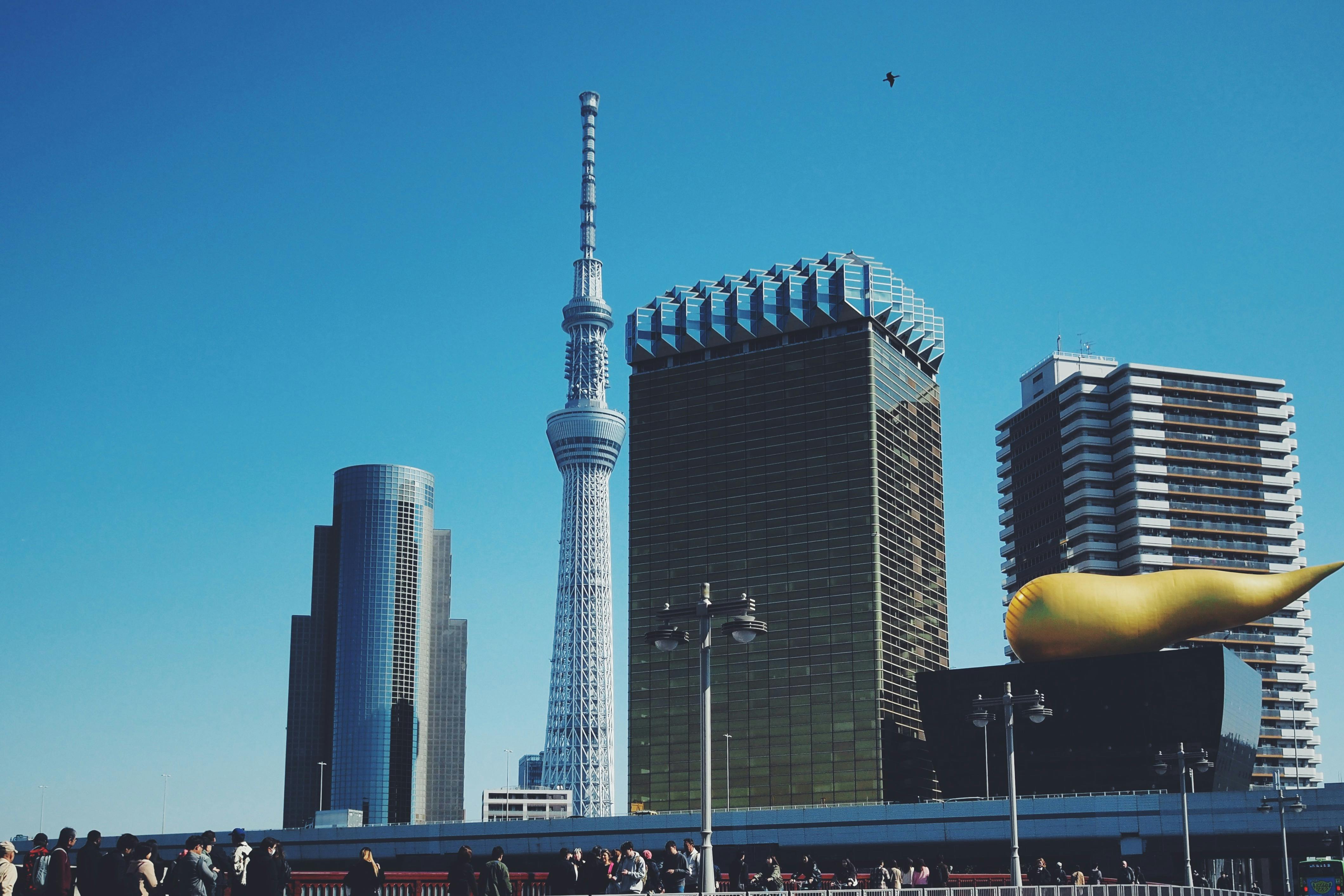
Tokyo Skytree: Where Neo-Futurist Steel Meets Edo Skyline Poetry
The elevator doors slide shut at 9:15 AM, and in fifty seconds—precisely fifty—you rocket 350 meters skyward, ears popping gently as a digital display tracks your ascent through the tower's reinforced concrete core. When the doors open on the Tembo Deck, Tokyo unfurls below you like a living circuit board: the Sumida River coiling silver through Asakusa, Mount Fuji just visible on the southeastern horizon, nearly two thousand square kilometers of megalopolis humming at your feet. This is Tokyo Skytree, the world's tallest tower at 634 meters (2,080 feet), standing sentinel over the Kantō region since its completion on 29 February 2012 . Built not for vanity but necessity—older Tokyo Tower could not provide complete digital terrestrial broadcasting coverage amid surrounding high-rises—this structure solved a practical problem with breathtaking ambition . Every lattice strut, every oil damper, every LED illumination tells the story of a city that builds upward when it cannot build outward.
Why Tokyo Skytree Embodies Japanese Earthquake Engineering Genius
Constructing a 634-meter tower in one of the world's most seismically active zones required solving an existential problem: how to stand firm when the ground moves. The answer lies in Skytree's three-part seismic proofing system, a marvel of Japanese engineering. The tower features a central shaft of reinforced concrete attached to the outer steel lattice for the first 125 meters (410 feet). From 125 to 375 meters, oil dampers act as cushions between the inner and outer structures, absorbing lateral movement during earthquakes . Above 375 meters, an added mass control mechanism—essentially a tuned mass damper—moves out of step with the building's sway, keeping the tower's center of gravity as central as possible. According to its designers, these dampers can absorb fifty percent of an earthquake's energy . The tripod base, inspired by traditional Japanese architecture yet executed in neo-futurist steel, distributes weight across three points rather than four, reducing the tower's footprint while increasing stability. When the 9.0 magnitude Tōhoku earthquake struck on 11 March 2011, Skytree stood at 500 meters—under construction yet completely unscathed. That survival proved the system before the tower even opened.
The Best Time to Experience Tokyo Skytree
To witness Tokyo transforming from daylight sprawl to electric constellation, target the golden window of 16:30–18:30, when you can experience daytime clarity, sunset's amber wash, and nighttime illumination in a single visit . For weather-dependent Mount Fuji views, plan between November 15–February 28, when winter's dry air offers visibility up to 50 kilometers (31 miles)—though expect temperatures of 2-10°C (36-50°F) at ground level, colder at the top. Cherry blossom season (late March to early April) frames the tower through blooming sakura along the Sumida River, with extended hours until 22:00 for yozakura night-viewing . Avoid weekends from 14:00–18:00, when queue times can exceed 90 minutes. Also note that April 1, 2026 marks a significant change: the ticket system shifts to dynamic pricing, eliminating weekday/weekend distinctions . Prices now vary daily from ¥1,800–¥3,600 ($12–$24) for the Tembo Deck, and ¥3,000–¥4,800 ($20–$32) for combined Deck+Galleria access . For official hours (typically 9:00–22:00, last entry 60 minutes before close) and current pricing, consult: www.tokyo-skytree.jp .
Approximate Budget for a 7-Day Trip Including Skytree
This breakdown allocates approximately 20% of your Tokyo budget to the Skytree experience, with the remainder covering general Tokyo costs for independent mid-range travelers. Prices in Japanese Yen (¥) and US Dollars ($), based on 2026 data.
- Accommodation: ¥10,000–¥18,000 ($65–$120) per night in Asakusa or Oshiage (neighborhoods within walking distance of Skytree). The Tobu Levant Tokyo (3-minute walk from Skytree) starts at ¥15,000 ($100) .
- Food: ¥3,500–¥6,000 ($23–$40) daily. Breakfast at convenience store: ¥600 ($4). Lunch at Tokyo Solamachi food hall (ramen, soba): ¥1,200–¥1,800 ($8–$12). Dinner: ¥2,000–¥3,500 ($13–$23) for izakaya or conveyor-belt sushi. Skytree Cafe snacks: ¥500–¥1,000 ($3.30–$6.60).
- Transportation: One-week Tokyo Metro pass: ¥1,500 ($10) for unlimited subway (excluding JR lines). Individual trips to/from Skytree: ¥180–¥310 ($1.20–$2) from central Tokyo. Tobu Skytree Line from Asakusa to Tokyo Skytree Station: ¥150 ($1) .
- Attractions (Skytree-focused): Tembo Deck (350m) admission: ¥1,800–¥3,600 ($12–$24) depending on dynamic pricing . Tembo Galleria (450m) add-on: ¥1,200 ($8) when purchased with Deck ticket . Sumida Aquarium (located at Skytree complex): ¥2,500 ($17) . Konica Minolta Planetarium: ¥1,800 ($12) .
- Miscellaneous: Skytree-exclusive Tokyo Banana ¥1,080 ($7.20). Original frame stamp from observation deck post box: ¥940 ($6.30) including postcard. Skytree mascot Sorakara-chan plush keychain: ¥800 ($5.30) .
Total 7-day mid-range budget (including Skytree attraction costs): ¥95,000–¥125,000 ($630–$830) per person, excluding international flights. Budget travelers can reduce this to ¥65,000–¥85,000 ($430–$560) by visiting Skytree on lowest-price days (weekday afternoons), skipping the Galleria, and eating at convenience stores rather than restaurants.
7 Essential Tokyo Skytree Experiences
- Rush the First Elevator at 9:00 AM: Arrive at the 4th floor entrance by 8:30 AM to be among the first five groups ascending. The 50-second elevator ride features seasonal illuminated ceiling panels—cherry blossoms in spring, maple leaves in autumn. When you emerge onto the Tembo Deck at 350 meters, the morning light cuts horizontally across Tokyo, casting building shadows that stretch to the horizon. You'll have approximately fifteen minutes of near-solitude before crowds arrive—enough time to photograph the empty glass floor without strangers' reflections .
- Walk the Tembo Galleria's Spiraling Skywalk: From the main deck, purchase the ¥1,200 upgrade to ascend another 100 meters via the Galleria—a glass-enclosed spiral ramp that climbs the final five meters to the 451.3-meter upper platform. This intermediate space feels like walking through clouds on clear days, with angled glass panels creating the sensation of floating above Tokyo. The highest accessible point (software-controlled) offers a 360-degree panorama where the city's grid dissolves into organic sprawl, revealing how the Sumida River shaped Edo-era settlement patterns visible today .
- Visit the Post Office at 450 Meters: Hidden at the Tembo Galleria's upper level sits the world's highest-altitude post office (open 10:00–20:00). Purchase original frame stamps depicting the tower—¥940 for a sheet of five—and mail postcards to friends from 450 meters. The postmark reads "Tokyo Skytree Tembo Galleria," a souvenir no app can replicate. Staff will hand-cancel stamps upon request, preserving them uncirculated for collectors .
- Photograph the Tower's Reflection in the Sumida River: Skip the observation decks entirely one evening and walk ten minutes south to Sumida Park's riverside promenade. From the bridge near Azumabashi, the tower reflects perfectly in calm waters between 6:00–7:00 PM during spring and autumn. The double-image—steel lattice and its liquid twin—creates the composition professional Tokyo photographers covet. Bring a tripod and neutral density filter; the tower's LED lighting changes from Iki (blue) to Miyabi (purple) on alternating days, so check the schedule online before heading out .
- Eat Skytree-Exclusive Sweets at the Cafe: On the 340th floor of the Tembo Deck, the Skytree Cafe serves pastries you cannot purchase anywhere else. The Skytree Tower Pudding (¥600 / $4)—layered vanilla and caramel custard molded in the tower's silhouette—arrives with a chocolate wafer antenna. The Sky Matcha Mont Blanc (¥800 / $5.30) combines Uji matcha cream with chestnut paste, piped to resemble the tower's lattice. Window seats face Mount Fuji on clear days; arrive by 14:00 to claim one before the sunset crowd descends .
- Attend a Seasonal Illumination Changing Ceremony: Daily at sunset (exact time varies by season), a one-minute ceremony transitions the tower's LED lighting from daytime white to evening patterns—either cool blue Iki (chic) or purple Miyabi (elegance), alternating daily . Watch from the Tembo Deck's western windows for the moment the entire tower transforms, or better yet, from ground level at the tower base, where you can see the light travel upward from foundation to antenna. Staff announce the exact time on the Skytree app; no tickets required for ground-level viewing.
- Explore Tokyo Solamachi After Dark: The commercial complex at Skytree's base houses over 300 shops and restaurants, most open until 21:00. After descending the observation decks, visit Kiriko (4th floor) for handcrafted Edo glassware, or Ganso Shokuhin Sample-ya (3rd floor), where you can make realistic fake food samples—a peculiarly Japanese craft. The complex's fourth-floor food hall, Solamachi Dining, serves late-night ramen (Ichiran open until 23:00) and skewers. Most tourists leave immediately after descending, missing the complex's evening energy entirely .
3 Hidden Gems Most Travelers Miss
- Sumida Aquarium's Jellyfish Tunnel: Located inside Tokyo Solamachi on the 5th and 6th floors, this modern aquarium (opened 2012) gets overshadowed by the tower above. The jellyfish kurage hall features a completely dark, cylindrical tank where moon jellies pulse to ambient music—no flashing lights, no text overlays, just bioluminescent drift. Most visitors rush past toward the tower elevators; those who pause find that the aquarium's 10:00 AM opening coincides with Skytree's first rush, meaning you'll share the space with only three or four other people for the first hour. Admission ¥2,500 ($17) .
- Mimeguri Shrine's Skytree Frame: Fifteen minutes east of the tower, this small Shinto shrine (established 1660) offers the most photographed perspective of Skytree in Tokyo—and almost no tourist knows it exists. From the shrine's main gate, the tower rises directly behind the vermilion torii gate, framed by ancient zelkova trees. The composition juxtaposes Edo-period spirituality against 21st-century engineering. Access: From Oshiage Station, exit A-2, walk east 10 minutes, turn right onto Meiji-dori for 200 meters. No signs in English. Open 24 hours; best light at 7:00 AM when the rising sun hits the tower's eastern face .
- Hikifune-gawa Shrine's Tiny Observation Deck: On the 8th floor of the Tobu Skytree Line's Hikifune Station (one stop south of Tokyo Skytree Station), a little-known public observation deck offers eye-level views of the tower surrounded by low-rise residential neighborhood. Unlike Skytree's 360-degree panorama, this perspective shows the tower in context—looming over houses, schoolyards, and laundromats. It's the view that reminds you people actually live here, that this is a neighborhood first and a tourist attraction second. Access: From Hikifune Station's south exit, take the elevator to 8F. Free, open station hours (5:30 AM–11:30 PM) .
Cultural & Practical Tips
- QR Code Entry from April 1, 2026: Starting April 1, 2026, online ticket purchasers can scan QR codes directly at the gate—no need to exchange for physical tickets at the counter . The ticket counter moves from the west side to the east side of the 4th floor, with both north and south entrances permanently open. Book tickets up to three months in advance to secure lowest dynamic pricing tiers .
- Avoid Cloudy Days At All Costs: The single biggest visitor mistake: arriving on overcast days. If cloud cover is above 500 meters (1,640 feet), the Tembo Galleria becomes a white void—you'll see nothing. Use the Skytree app's "real-time visibility" feature before leaving your hotel. Clear winter days (November–February) offer visibility to Mount Fuji 80% of mornings; summer offers only 35% .
- Elevator Etiquette: Skytree's 13 elevators are among the fastest in the world at 600 meters per minute (approximately 36 km/h or 22 mph) . Each elevator car has an attendant who recites a brief script about the tower's construction. Remove your backpack and hold it at your feet before boarding; the attendant will ask otherwise. Photography is permitted inside the elevator but not flash.
- Photography Restrictions: Tripods are prohibited on both observation decks without a ¥10,000 ($67) commercial permit. Handheld photography is welcome everywhere except inside the Sumida Aquarium's jellyfish hall (no flash—it harms the animals). The glass floor (340m) allows shoes only; remove any footwear with metal heels or cleats .
- Essential Japanese Phrases: Tembo kippu wa doko de kaemasu ka? (Tem-bo key-p-poo wah doh-ko deh kah-e-mahs kah?)—"Where can I buy observation tickets?" Fuji-san ga miemasu ka? (Foo-jee-san gah mee-eh-mahs kah?)—"Can you see Mount Fuji?" Ask the elevator attendant this upon arrival; they track daily visibility .
- Disability Access: The tower is fully wheelchair accessible, with priority elevator boarding (inform the attendant at the 4th floor entrance). Wheelchairs available for free rental at the ground floor information desk (first-come, first-served; reserve via website). Guide dogs permitted on all observation decks and in the aquarium .
- Night Photography Best Practices: For sharp images from the Tembo Deck at night, set ISO to 800–1600 and aperture to f/2.8 if available. The glass windows create glare; press your lens directly against the glass and use a rubber lens hood to block ambient light. The best reflections come from the western windows overlooking Asakusa, where the Senso-ji pagoda joins the frame .
Conclusion: Travel with Perspective, Not Just Altitude
Standing at 450 meters, watching the sun sink behind Mount Fuji's snow-capped pyramid, you might mistake Tokyo for a circuit board you could lift with one hand. But perspective is not control—it is understanding. From this height, you see the city's shape: the Sumida River's ancient course, the concentric rings of settlement radiating from the Imperial Palace, the dense pockets where millions live without ever feeling small because they orient themselves by this tower. You are not above Tokyo here; you are simply seeing it whole for the first time. Step down from the elevators, yes. Buy the overpriced pudding, mail the postcards, click the shutter. But also walk to Mimeguri Shrine afterward, stand beneath the torii gate, and watch local grandmothers bow to the tower as they finish their prayers. That bow—not the ticket stub—is what you came for. Let Skytree give you not just the world's highest selfie but a new way of looking down at things, and up at them, both.