
Senso-ji Temple: Where Ancient Devotion Meets Tokyo's Living Heart
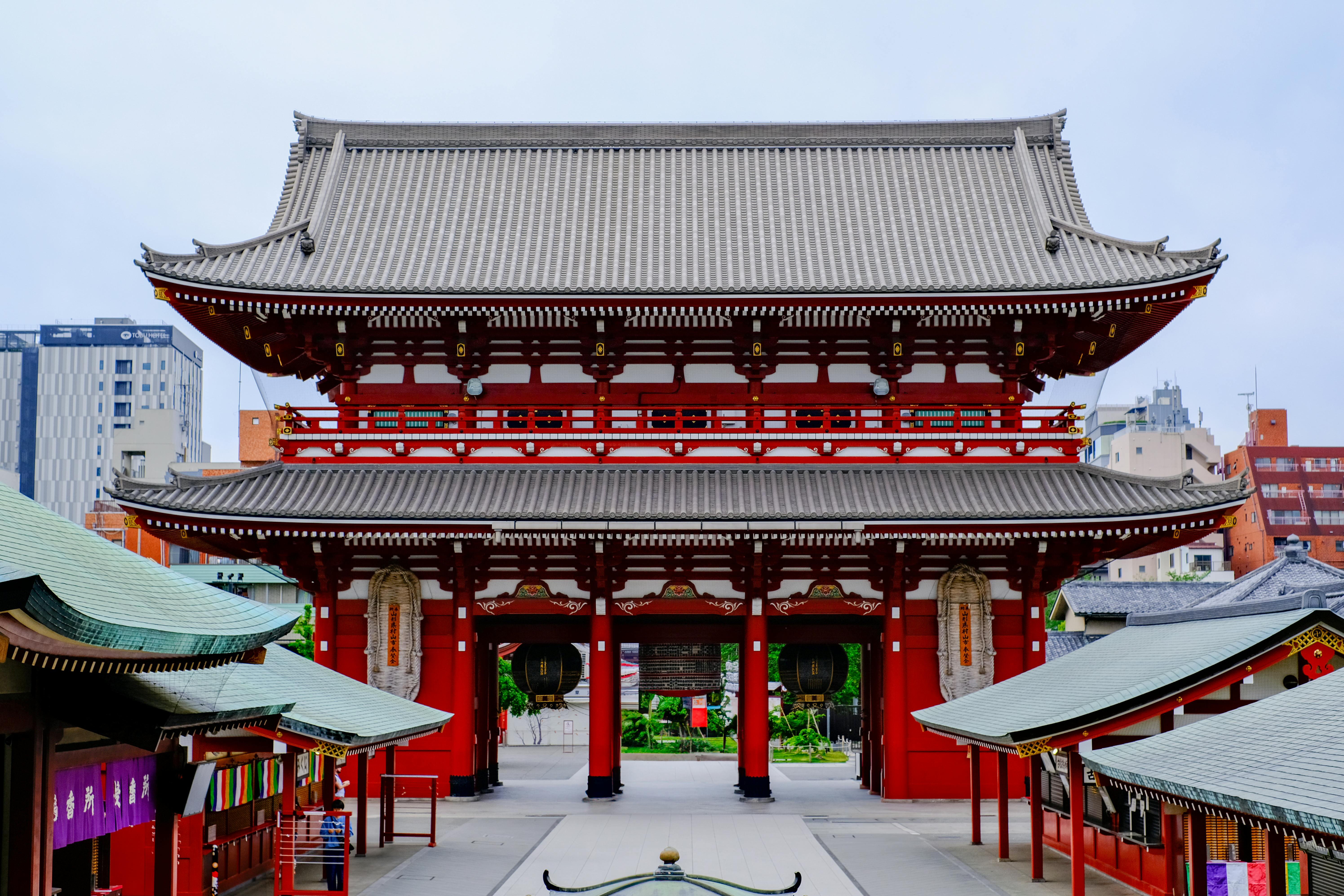
The scent of senko incense drifts through cool morning air as a bronze temple bell echoes across the precincts at precisely 6:00 AM. You stand before the Kaminarimon—the Thunder Gate—its massive chōchin lantern glowing crimson against the steel-blue Tokyo sky. This is Senso-ji, Tokyo's oldest temple, founded in 628 AD when two brothers fishing in the Sumida River pulled a 5.5-centimeter statue of Kannon, the goddess of mercy, from their nets . Despite repeated destruction—fire claimed the original gate in 1865, wartime bombing scarred the main hall—the temple has risen each time, a phoenix of faith in a city of constant reinvention. Eleven point seven meters tall and eleven point four meters wide, the current Kaminarimon dates from 1960, a post-war reconstruction that honors 941 AD origins . Here, forty million annual visitors brush incense smoke over their bodies, draw numbered oracle sticks, and discover why sacred space matters deeply in the world's most futuristic metropolis.
Why Senso-ji Embodies Japanese Spiritual Resilience
The story of Senso-ji solves a theological puzzle: how did Buddhism become woven into Tokyo's DNA? After the fishermen brothers discovered the Kannon statue, village headman Haji no Nakamoto recognized its divinity and converted his own home into a temple, founding what would become Tokyo's oldest continuously operating religious site. The problem Nakamoto solved was spiritual accessibility—creating a fixed location where ordinary people could venerate a goddess who had arrived through humble labor, not imperial decree. By 645 AD, the temple had gained imperial recognition, and by the 17th century, Tokugawa Ieyasu had designated Senso-ji as the Tokugawa clan's personal prayer temple. The architectural ensemble you see today—the five-story pagoda at 53 meters (174 feet), the Hōzōmon (Treasure House Gate) with its 500-kilogram (1,102-pound) sandals hanging beneath, the Main Hall rebuilt in 1958 with 2,075 square meters (22,335 square feet) of worship space—represents layered reconstruction as religious practice. Each rebuilding reaffirms devotion, transforming destruction into renewal. The problem Senso-ji ultimately solved was mortality itself: in a city leveled by earthquakes, firebombs, and time, this temple taught Tokyo how to persist .
The Best Time to Experience Senso-ji
For the most transcendent Senso-ji experience—when morning light paints vermilion pillars gold and you share the grounds only with crows and caretakers—arrive between March 20–April 15 or October 15–November 30. Spring temperatures average 11-20°C (52-68°F), with cherry blossoms peaking in early April, framing the five-story pagoda in cotton-candy clouds . Autumn offers 14-26°C (57-79°F) with crisp air and gingko trees turning saffron. The sacred window for crowd-free exploration is 6:00–7:30 AM, before Nakamise-dori's 90 shops open at 9:00 AM and the first tour buses arrive . July through September brings oppressive humidity (23-29°C / 73-84°F) with June's rainy season dumping 253.7 mm (10 inches) of rain, though the May 17-18 Sanja Matsuri—one of Tokyo's three great festivals, drawing 2 million spectators—may justify the discomfort . Avoid December 29–January 3 when Hatsumōde (first shrine visit of the year) packs 3 million pilgrims into the grounds, creating two-hour queues for the offering box. For official updates on festival dates and special openings, consult the temple's official website: www.senso-ji.jp .
Approximate Budget for a 7-Day Trip
Tokyo offers excellent value considering its world-class infrastructure and safety record. The following breakdown assumes independent mid-range travel with a mix of budget efficiency and genuine experience. All prices in Japanese Yen (¥) and US Dollars ($), based on 2025-2026 data.
- Accommodation: ¥10,000–¥20,000 ($65–$135) per night in Asakusa or Ueno. Airbnb apartments near Senso-ji average ¥15,000 ($100), while business hotels like The Celestine provide compact (17m²) but impeccably clean rooms from ¥13,000 ($87) . Capsule hotels from ¥4,000 ($27).
- Food: ¥3,500–¥6,500 ($23–$45) daily. Convenience store breakfast (onigiri, egg sandwich, coffee): ¥600 ($4). Standing soba or ramen lunch: ¥800–¥1,200 ($5–$8). Dinner: ¥2,000–¥4,000 ($13–$27) for ramen (tonkotsu ¥1,800), conveyor belt sushi (2-5 plates at ¥300-¥500 each), or katsu curry. Splurge: ¥6,000–¥10,000 ($40–$67) for tempura omakase or yakiniku.
- Transportation: Keisei Skyliner from Narita Airport to Ueno: ¥2,570 ($17). Tokyo Metro 24-hour pass: ¥800 ($5). Single subway rides: ¥180–¥310 ($1.20–$2). Suica card recharge per week: ¥5,000 ($33) for moderate exploration.
- Attractions: Senso-ji Temple Main Hall and grounds: FREE . Guided 2-3 hour Asakusa walking tour (English available): ¥3,000 ($20) . Omikuji (fortune-telling paper): ¥100 ($0.65). Ema (votive tablet): ¥500 ($3.30). Tokyo Skytree (15-minute walk): ¥3,100 ($21) for Tembo Deck.
- Miscellaneous: Traditional yukata rental (day): ¥3,000–¥5,000 ($20–$33). Hand-dipped incenses from Nakamise-dori: ¥600 ($4). Kaminarimon magnetic bookmark: ¥400 ($2.65). Japanese face masks (sheet masks, 5-pack): ¥800 ($5.30) .
Total 7-day mid-range budget: ¥95,000–¥140,000 ($630–$930) per person, excluding international flights. Budget travelers can reduce this to ¥60,000–¥80,000 ($400–$530) using hostels, convenience store meals, and walking instead of subway.
7 Essential Senso-ji Experiences
- Draw Omikuji at the Main Hall Before 7 AM: The hexagonal wooden box beside the main offering hall holds numbered sticks, each corresponding to a written fortune in a metal drawer. Insert ¥100 into the slot, shake the cylinder until one stick emerges, find the matching drawer, and unfold your fate. Dai-kichi (great blessing) means joy; kyō (curse) means you tie the paper to nearby wooden racks—leaving misfortune at the temple rather than carrying it home. The early hour ensures no queue and genuine solitude for whatever the oracle reveals .
- Purify at the Temizuya Correctly: Before approaching the main hall, the stone water pavilion demands proper ritual. Scoop water with the wooden ladle using your right hand, pour over your left hand, switch the ladle to your left hand and pour over your right hand. Then pour water into your cupped left palm, rinse your mouth (never transfer water directly from ladle to lips), then tip the ladle vertically to wash the handle. Visitors perform this incorrectly—a hundred times daily—so watch two locals before attempting. The water represents physical and spiritual cleansing before encountering Kannon's compassion.
- Walk Nakamise-dori Backward at 8 AM: Most tourists start at Kaminarimon and flow toward the temple, fighting crowds for 250 meters. Instead, arrive by 6 AM, experience the main hall in silence, then walk back toward the Thunder Gate at 8 AM. You'll face oncoming traffic—but you'll be the only person seeing Kaminarimon approach you while Nakamise-dori's 90 shops unlock their wooden shutters one by one. This reverse perspective reveals architecture and anticipation rather than souvenir stalls and selfie sticks .
- Climb Asakusa Culture Tourist Information Center at Sunset: Just steps from Kaminarimon, this eight-story building offers a free observation deck on floor six. Arrive 30 minutes before sunset (exact time varies seasonally) to watch Senso-ji's pagoda catch the last horizontal light while Tokyo Skytree to the east illuminates in purple and gold. The deck opens until 8:00 PM, and the building also houses a tourist information desk with free English maps and advice on nearby vegan ramen shops .
- Commission a Goshuin Temple Stamp Book: Scattered across the Senso-ji grounds—at the main hall, the pagoda, and Asakusa Shrine—calligraphers sit at small wooden desks pressing red temple seals into goshuinchō (stamp books) and adding hand-brushed calligraphy of the temple's name and date. Each stamp costs ¥300 ($2), and no two are alike. Buy a blank book (¥1,000–¥2,000) at any temple shop before starting; the collection becomes a meditative journey across Japan with each carefully pressed seal. Staff appreciate the onegai shimasu (oh-neh-guy shee-mahs) request.
- Cross to Asakusa Shrine for Shinto-Buddhist Syncretism: Seventy meters northeast of Senso-ji's main hall, Asakusa Shrine honors the three men who discovered Kannon's statue. The contrast matters: where Senso-ji approaches through grand gates and incense smoke, Shinto shrines feature simple torii gates, unpainted wood, and purification through rinsing hands and mouth at a different style of water font. Notice how most Japanese visitors pray at both sites in one morning—Buddhism for afterlife concerns, Shinto for worldly blessings. Understanding this coexistence solves Tokyo's spiritual riddle .
- Return at 7 PM for Yozakura and Night Illuminations: While the Main Hall closes at 5:00 PM, the temple grounds remain open 24 hours. Evening transforms Senso-ji dramatically—the Kaminarimon lantern glows from within, pagoda uplighting carves shadows across 1958 reconstruction details, and the hozuki market (July only) twinkles with paper lanterns. If visiting during cherry blossom season (late March–early April), night illuminations continue until 9:30 PM, creating yozakura—night sakura—a Japanese concept proving that beauty intensifies when glimpsed between darkness and electric light .
3 Hidden Gems Most Travelers Miss
- Denpo-in Temple Garden: Hidden behind high green walls just south of Senso-ji's Main Hall, Denpo-in serves as a subtemple primarily open to the public during special spring and autumn viewings (usually April 1–10 and November 1–10). Enter through an unmarked wooden gate on the temple's south side, paying ¥700 ($4.60) to access a 17th-century Zen garden designed by Kobori Enshu, featuring a carp pond, tea ceremony pavilion, and maple trees that turn blood-red in November. Most of Senso-ji's 40 million visitors never know it exists. Check the www.senso-ji.jp calendar before visiting.
- Fugaku-ju Jigoku-dani (Mount Fuji Hell Valley) Tile Relief: Inside the massive sandals hanging beneath Hōzōmon Gate lies an easily overlooked detail: ceramic relief tiles from 1964. On the southern side of the gate's base, finding the 1.5-meter-tall panel depicting Mount Fuji amid flames—a visual pun where "hell valley" (jigoku-dani) refers to both volcanic geothermal zones and Buddhist damnation. Most visitors crane necks at the sandals but miss ground-level artistry. Rub your hand across the unglazed clay; craftsmen fired these tiles in Tokoname, Japan's oldest ceramic center, and their textured survival through Tokyo's humidity and earthquakes constitutes minor miracle.
- Nishi-sando (West Approach Alley): While 80% of tourists jam into Nakamise-dori, the parallel alley running west from Hōzōmon Gate toward the Tobu train tracks offers better photography and genuine craft shops. Here, Kaneso (open 9-5, closed Wednesdays) sells handmade woodblock prints starting at ¥1,800 ($12) versus Nakamise's ¥5,000 tourist versions. Asakusa Menchi (open 10-6) serves deep-fried minced pork cutlets for ¥350 ($2.30)—no queue, unlike Nakamise's famous croquettes. The alley also reveals Showa-era architecture from the 1920s that survived the 1923 Great Kantō Earthquake, visible in its decorative concrete and copper rain chains. Access: from Hōzōmon Gate, turn right instead of left, walk 40 meters, and escape 90% of the crowd .
Cultural & Practical Tips
- Temple Etiquette: Before entering the Main Hall, bow once at the door. Inside, toss a ¥5 coin (considered auspicious because go-en sounds like "good fortune") into the offering box, bow twice, clap twice, bow once more while making your wish. Outside the hall, hover your hands over the incense cauldron and gently waft smoke toward your head and shoulders—believed to grant wisdom and healing .
- Photography Rules: You may photograph anywhere outdoors including the Main Hall's exterior and Kaminarimon. Inside the Main Hall's inner sanctum, photography is prohibited—look for small signs in English near the entrance. The most magical unexpected shot: reflected incense smoke in the glass panels outside the Main Hall at 7 AM, creating double exposures of lanterns and dawn.
- Essential Phrases: Omikuji, onegai shimasu (oh-mee-koo-jee, oh-neh-guy shee-mahs): "Fortune, please." Kore wa nan desu ka? (ko-reh wah nahn dess kah?): "What is this?"—useful at Nakamise-dori food stalls. Gochisousama deshita (go-chee-soh-sah-mah desh-ee-tah): "Thank you for the meal"—said after eating anywhere.
- Crowd Avoidance Strategy: Beyond arriving at 6 AM, visit on Tuesdays or Wednesdays (domestic tourists peak weekends). Rainy mornings (forecast above 70% chance) reduce crowds by 60%—bring an umbrella and photograph wet stone pathways reflecting vermillion gates. The second week of January offers post-Hatsumōde calm before Chinese New Year crowds arrive .
- Cash Necessity: While Tokyo is increasingly card-friendly, many Nakamise-dori stalls, the omikuji booth, and small alleys like Nishi-sando operate cash-only. Withdraw ¥5,000–¥10,000 ($33–$67) before entering the temple grounds. The closest reliable ATMs are at 7-Eleven (outside Kaminarimon to the right) or Asakusa Station.
- Seasonal Dress Reality: August demands heatstroke vigilance—wear a moisture-wicking cap, carry a hand towel (Japanese men tuck them into waistbands for brow-dabbing), and hydrate at vending machines (water ¥120 / $0.80). January requires coats, scarves, and hand warmers (kairo from any drugstore). December visitors receive the gift of fewer crowds but the challenge of 5°C (41°F) morning photography fingers.
- Sanja Matsuri Survival: If attending the third weekend of May, understand that the festival's portable shrines (mikoshi) get carried by shouting, sake-drinking devotees who may bump into you. Protect your camera by wearing it across your body, expect train stations to be overwhelmed (allow double transport time), and consider watching from Asakusa Shrine rather than Senso-ji proper—the same participants, half the compression .
Conclusion: Travel with Reverence, Not Just Checkboxes
Forty million visitors pass through Kaminarimon annually, and most commit the same sin: they rush. They rush past the temizuya, rush through their omikuji reading, rush from Senso-ji to Skytree to Shibuya without ever understanding that this temple teaches patience through architecture. Each lantern, each sandal, each peeling wooden pillar asks you to slow down—not because Tokyo demands efficiency but because sacred space unwilling to reveal itself quickly rewards those who linger. Sit on the wooden bench beside the pagoda for twenty minutes. Watch the grandmothers guiding grandchildren through proper clapping rituals. Notice how the light shifts across incuse carvings. Senso-ji will still be here in another 1,400 years—the question is whether you will have truly arrived or merely landed. Reverence transforms tourism into pilgrimage, and that transformation begins the moment you stop rushing toward the next thing and simply breathe incense-laden air.