Topkapı Palace: Where Imperial Power Meets Bosphorus Serenity
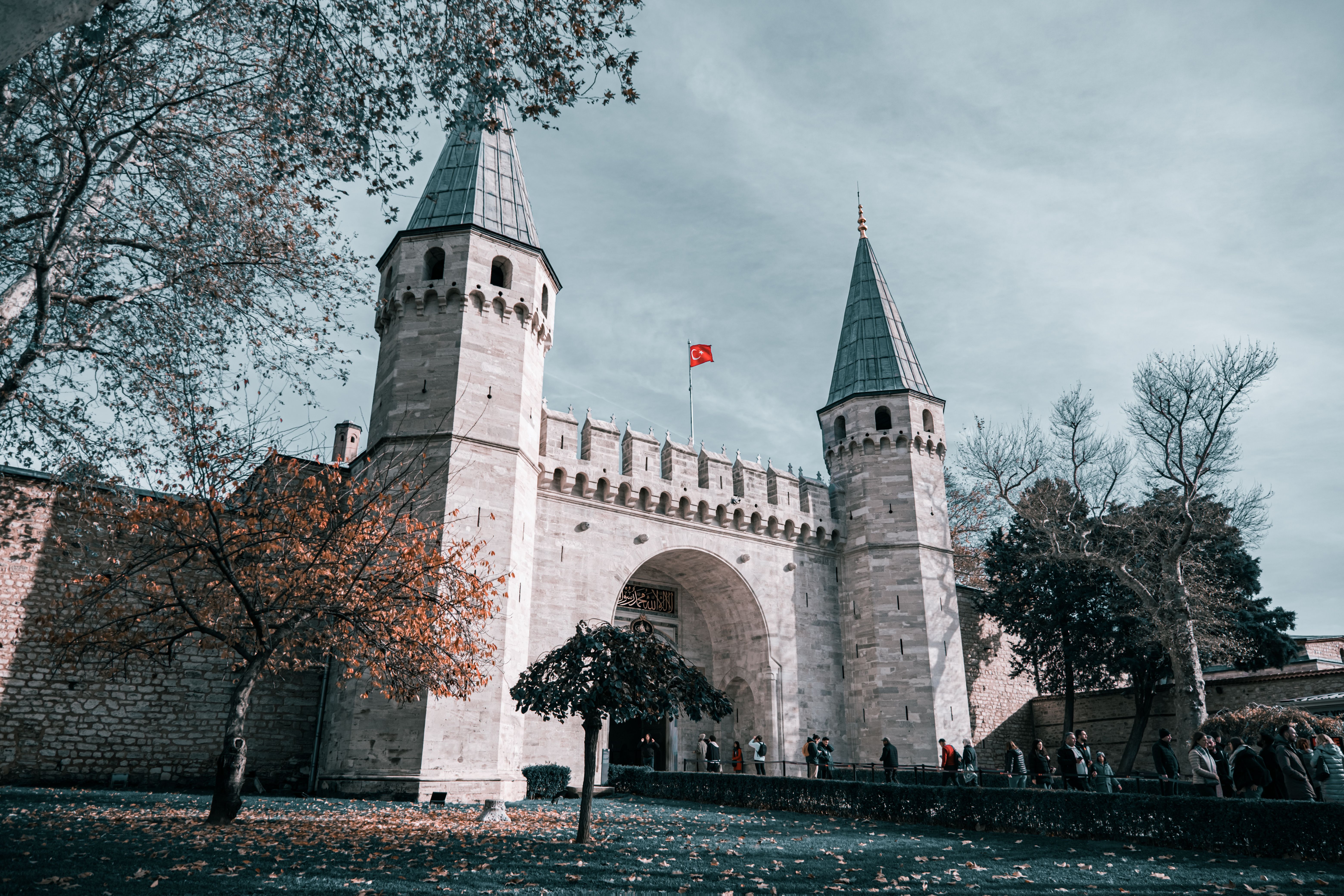
The morning sun climbs over the Bosphorus, casting long shadows across the cypress-lined courtyards of Topkapı Palace—a sprawling complex of seventy hectares that once housed the heart of an empire stretching from Budapest to Baghdad. You pass through the Imperial Gate, its stone worn smooth by centuries of footsteps, and hear the distant call to prayer mingle with the rustle of silk robes imagined from another era. Inside the First Courtyard, the air carries the scent of jasmine and aged stone; peacocks once strutted where tourists now photograph the Church of Hagia Eirene, its Byzantine dome a silent witness to the palace's layered history. Beyond the Gate of Salutation, the Second Courtyard opens like a stage set: the Divan chamber where viziers debated empire, the Harem's labyrinthine corridors where power whispered behind latticed windows, and the Treasury glittering with emeralds the size of quail eggs. This is not merely a museum; it is the architectural embodiment of Ottoman sovereignty, where sultans ruled for four centuries from a palace designed not to impress with height but to overwhelm with complexity—four courtyards, each more restricted than the last, mirroring the concentric circles of imperial authority. Standing here today, you feel the weight of decisions that shaped continents, the quiet dignity of a civilization that mastered the art of governing through both spectacle and secrecy.
Why Topkapı Palace Embodies Ottoman Sovereignty
The Topkapı Palace—constructed between 1459 and 1478 under Sultan Mehmed II, the Conqueror—represents a revolutionary approach to imperial architecture: rather than a single monolithic structure, it unfolds as a series of courtyards, pavilions, and gardens that mirror the Ottoman philosophy of governance through layered access and controlled visibility. The complex spans approximately 700,000 square meters (173 acres) on Seraglio Point, a promontory offering commanding views of the Bosphorus, Golden Horn, and Sea of Marmara—a strategic location that served both defensive purposes and symbolic dominance. Architecturally, the palace solved a fundamental challenge: how to house not only a ruler but an entire imperial administration—including the Divan (council), Treasury, Harem, kitchens serving 10,000 meals daily, and workshops producing everything from manuscripts to armor—within a secure yet functional compound.
The palace's design reflects meticulous attention to both aesthetics and security. Thick stone walls, fortified gates with iron-reinforced doors, and a progression from public to private spaces created a physical manifestation of Ottoman hierarchy. The Fourth Courtyard, reserved for the sultan's private use, features terraced gardens with marble pavilions like the Baghdad Kiosk (1635) and Revan Kiosk (1638), both adorned with Iznik tiles and mother-of-pearl inlay. Engineering innovations included sophisticated water systems—underground cisterns, fountains, and baths—and earthquake-resistant construction using flexible wooden frames within stone walls. Materials were sourced from across the empire: porphyry from Egypt, marble from Marmara Island, cedar from Lebanon. The Harem, expanded under Murad III in the late sixteenth century, contains over three hundred rooms connected by narrow corridors, its layout designed to ensure privacy while enabling the complex politics of imperial succession. This architectural masterpiece fulfilled a profound need: creating a space where the sacred authority of the sultan, the practical demands of governance, and the intimate life of the dynasty could coexist in harmonious, controlled tension.
The Best Time to Experience Topkapı Palace
Timing your visit to Topkapı Palace requires strategic planning, as the complex's vast size and popularity can lead to overwhelming crowds. The optimal window runs from April 15–May 31 and September 15–October 31, when Istanbul's temperatures hover between 15–22°C (59–72°F), humidity remains moderate, and the light filtering through cypress trees creates ideal conditions for photography in the palace gardens. During these shoulder seasons, you'll experience comfortable weather without the oppressive heat of summer or the biting winds that sweep across the Bosphorus in winter.
For the most serene experience, arrive at 9:00–10:30 AM when the palace opens, allowing you to explore the Imperial Treasury and Harem before midday crowds arrive. Alternatively, visit between 3:00–5:00 PM when tour groups thin and the afternoon sun casts golden light on the Iznik tiles. Avoid June 15–August 31 if possible: temperatures soar to 28–35°C (82–95°F) with humidity exceeding 75%, cruise ship arrivals create queues exceeding two hours, and the intense midday sun makes waiting in the open courtyards uncomfortable. Also skip Turkish national holidays (April 23, August 30, October 29) and religious holidays when domestic tourism surges.
Winter months (December–February) offer the fewest visitors and atmospheric mist rising from the Bosphorus, but bring temperatures of 3–8°C (37–46°F) with frequent rain and wind; however, the empty courtyards and dramatic skies can create hauntingly beautiful photography opportunities. Note that the Harem requires a separate ticket and has limited capacity—book online in advance during peak periods. Verify current opening hours, ticket prices, and special exhibitions at: www.millisaraylar.gov.tr
Approximate Budget for a 7-Day Trip
Istanbul offers exceptional value for cultural travelers, with costs remaining moderate despite recent inflation. The following budget assumes mid-range travel with comfortable accommodations near Sultanahmet, quality Turkish cuisine, and comprehensive sightseeing including Topkapı Palace and other historic sites. All prices reflect current rates in euros (€1 ≈ 35 Turkish Lira).
Accommodation: €50–€110 per night
• Budget pension in Sultanahmet: €25–€40/night
• Mid-range boutique hotel (3-star): €50–€80/night
• Upscale hotel with Bosphorus view: €110–€180/night
7 nights total: €350–€770
Food: €20–€40 per day
• Breakfast: €4–€7 (Turkish tea, simit, menemen, olives, feta)
• Lunch: €6–€12 (kebap, köfte, lentil soup, pide)
• Dinner: €10–€21 (mezze platter, grilled sea bass, lamb şiş)
• Street food/snacks: €2–€4 (simit, roasted chestnuts, Turkish coffee)
7 days total: €140–€280
Transportation:
• Istanbulkart (reloadable transit card): €2 initial fee
• Airport transfer (Havaist bus): €4 each way
• Tram/Metro/Bus rides: €0.50 per trip
• Ferry to Kadıköy: €0.75
• Taxi from Sultanahmet to Topkapı: €5–€8
7 days total: €30–€45
Attractions:
• Topkapı Palace: €15 (Harem extra €10)
• Hagia Sophia: Free
• Blue Mosque: Free
• Basilica Cistern: €10
• Galata Tower: €8
• Bosphorus cruise (2-hour): €12
• Archaeology Museums: €10
Total: €65–€75
Miscellaneous:
• Turkish bath (hamam) experience: €30–€55
• Souvenirs (ceramics, textiles, spices): €25–€80
• Travel insurance: €35
• SIM card (10GB data): €12
Total: €102–€182
TOTAL 7-DAY BUDGET: €687–€1,352
7 Essential Topkapı Palace Experiences
1. Explore the Imperial Treasury: Enter the Third Courtyard to discover one of the world's most dazzling collections of jewels and artifacts. The 86-carat Spoonmaker's Diamond—surrounded by 49 smaller diamonds—glitters in a glass case, while the Topkapı Dagger, with its emerald-studded hilt and hidden watch, tells tales of diplomacy and intrigue. Don't miss the Throne of Ahmed I, inlaid with mother-of-pearl and tortoiseshell, and the ceremonial armor of sultans. Visit early morning (9:00–10:00 AM) to avoid crowds and appreciate the craftsmanship in peaceful contemplation.
2. Wander the Harem's Labyrinth: Purchase the separate Harem ticket and enter a world of whispered power. The 300+ rooms include the Sultan's private chambers, the Queen Mother's apartments, and the dormitories of concubines and eunuchs. Notice the intricate Iznik tiles in the Murad III Room, the gilded ceilings of the Imperial Hall, and the narrow corridors designed to control movement and visibility. Audio guides provide essential context; allow at least 90 minutes to fully appreciate this architectural masterpiece of privacy and politics.
3. Contemplate the Baghdad Kiosk: In the Fourth Courtyard's terraced gardens, locate this exquisite pavilion built by Murad IV in 1635 to celebrate his victory in Baghdad. The interior features hand-painted floral motifs, mother-of-pearl inlay, and a fountain that once scented the air with rosewater. Sit on the marble divan and gaze through the lattice windows at the Bosphorus—the same view that inspired sultans to compose poetry and plan campaigns. Visit during late afternoon when golden light illuminates the tilework.
4. Study the Sacred Relics Collection: In a quiet chamber near the Harem exit, discover one of Islam's most revered collections: the mantle of Prophet Muhammad, his sword, bow, and footprints in stone, plus letters written by early caliphs. The room is dimly lit to preserve the artifacts, creating a reverent atmosphere. Non-Muslim visitors are welcome but should maintain silence and respect. This collection, assembled over centuries, underscores the Ottoman claim to leadership of the Islamic world.
5. Enjoy the Palace Gardens: The Fourth Courtyard's terraced gardens offer panoramic views of the Bosphorus and Sea of Marmara. Stroll among cypress trees, rose bushes, and marble pavilions like the Revan Kiosk and Iftar Kiosk. The gardens were designed for contemplation and private ceremonies; today, they provide a peaceful respite from the palace's crowded interiors. Bring a light jacket—even in summer, the Bosphorus breeze can be cool. Sunset (around 7:30 PM in summer) casts magical light on the water.
6. Observe the Imperial Council Chamber: In the Second Courtyard, locate the Kubbealtı where the Divan (imperial council) met. Through a golden lattice window, the sultan could observe debates without being seen—a perfect metaphor for Ottoman governance. The chamber features original woodwork and calligraphic panels. Stand where viziers once stood and imagine discussions that determined the fate of empires. Visit mid-morning when guides explain the council's protocols.
7. Photograph the Gate of Felicity: This ornate entrance to the Third Courtyard, with its gilded calligraphy and intricate stonework, marks the boundary between the administrative and private realms of the palace. The inscription above reads: "The gate of the sultan's happiness." Frame your shot to include the cypress trees and the glimpse of the Bosphorus beyond. Early morning light (8:30–9:30 AM) creates the best illumination for the gold leaf details.
3 Hidden Gems Most Travelers Miss
• The Palace Kitchens Museum: Located in the Second Courtyard, this often-overlooked section displays an extraordinary collection of Chinese and Japanese porcelain—over 10,000 pieces—used in the imperial kitchen that once prepared meals for 10,000 people. The vaulted brick chambers house silver serving dishes, copper cookware, and ceremonial utensils. Access is included with palace admission; allow 30 minutes to appreciate the scale of Ottoman culinary artistry. The kitchens are typically quieter than main attractions, offering a peaceful interlude.
• The Library of Ahmed III: Tucked behind the Ahmed III Fountain in the First Courtyard, this rococo masterpiece (1719) features a stunning interior with hand-painted ceilings, mother-of-pearl inlaid cabinets, and a collection of illuminated Qurans. The building's exterior blends Ottoman and European baroque styles—a rare architectural fusion. Access requires asking permission from staff; it's open 10:00 AM–4:00 PM, closed during prayer times. The library's tranquil courtyard offers a moment of reflection away from crowds.
• The Basket-makers' Kiosk (Sepetçiler Köşkü): Located just outside the palace walls on the seaside, this small pavilion was used by sultans for fishing and private gatherings. Built in the 17th century, it features original tilework and offers one of Istanbul's most romantic views of the Bosphorus at sunset. Access is limited; inquire at the palace information desk about occasional opening hours. The kiosk is often empty, providing a rare moment of solitude with a breathtaking panorama.
Cultural & Practical Tips
• Dress modestly: While Topkapı is a museum, it remains a site of cultural and religious significance. Shoulders and knees should be covered out of respect. Comfortable walking shoes are essential—the complex covers 70 hectares with uneven stone paths and many stairs.
• Photography guidelines: Photography is permitted in most outdoor areas and many interiors, but flash is prohibited in the Treasury and Harem to protect delicate artifacts. Never photograph other visitors without permission. The phrase "Fotoğraf çekebilir miyim?" (foh-toh-raf cheh-keh-bee-leer mee-yim) means "May I take a photo?"
• Audio guides and maps: Rent an audio guide (€8) at the entrance—it provides essential historical context in multiple languages. Pick up a free map to navigate the complex's labyrinthine layout; the courtyards are numbered but easy to miss connecting passages.
• Security screening: Expect airport-style security with metal detectors and bag checks. Large backpacks and tripods are not permitted; use the cloakroom (€2). Arrive 15 minutes early to clear security, especially during peak season when queues can exceed 30 minutes.
• Learn essential Turkish phrases: "Teşekkür ederim" (teh-shek-kur eh-deh-rim) = Thank you; "Affedersiniz" (af-feh-der-si-niz) = Excuse me; "Müze" (mew-zeh) = Museum. Attempting Turkish, even poorly, earns warm smiles from staff and vendors.
• Weather considerations: The palace courtyards offer little shade in summer—bring a hat, sunscreen, and water. In winter, stone paths become slippery when wet; wear shoes with good traction. The Bosphorus breeze can make temperatures feel 5–8°C (9–14°F) cooler than inland—bring layers year-round.
• Respect the space: Speak softly in the Harem and Treasury. Do not touch artifacts or lean on historic walls. Remember that you are walking through spaces where history was made; mindfulness enhances both your experience and preservation efforts.
Conclusion: Travel with Reverence, Not Just Curiosity
The Topkapı Palace demands more than casual observation—it asks for reverence. As you wander courtyards where sultans once walked, gaze upon jewels that funded armies, and stand in chambers where empires were governed, remember that you are not merely a tourist but a guest in a space that witnessed the rise and fall of a civilization. This palace offers a narrative of complexity: power exercised through both spectacle and secrecy, beauty crafted by artisans whose names are lost, governance that balanced tradition with innovation.
Travel here with intention. Walk slowly across the stone courtyards. Listen to the echo of your footsteps in the Harem's corridors. Appreciate the craftsmanship of a tile before moving to the next. Purchase your tea from the family-run café near the palace gates rather than the tourist trap on the main square. These small acts of respect accumulate into something larger than sightseeing—they become participation in the ongoing story of this extraordinary place.
Topkapı Palace will outlast us all, its stones continuing to whisper tales of ambition, artistry, and authority. Your visit should honor that continuity, leaving the complex as you found it: a testament to humanity's capacity for both grandeur and grace. Slow down. Look closely. Let the weight of history settle upon you. That is how you truly experience Topkapı Palace.