Blue Mosque: Where Ottoman Grandeur Meets Byzantine Sky
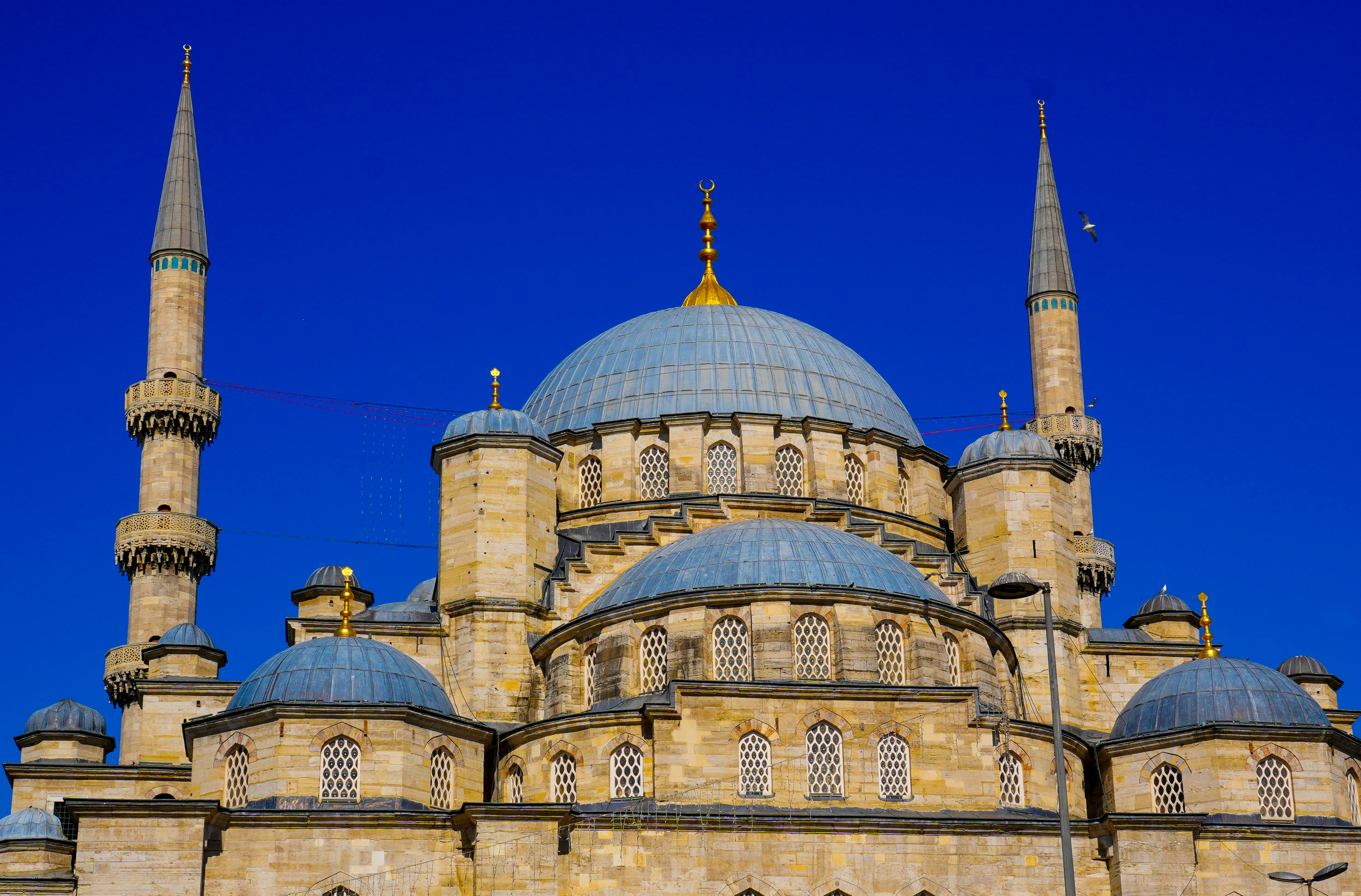
Blue Mosque: Where Ottoman Design Meets Living Faith
I stand at the tourist entrance shortly after eight thirty in the morning. The air carries a soft freshness before the heat rises. I have dressed in long trousers and carry a light scarf in my bag. Entry costs nothing, though donations are welcome. Security personnel guide the line forward. Stone floors feel cool beneath my shoes. I pause at the threshold, adjusting the scarf over my shoulders. Light filters through stained glass, casting shifting patterns across carpets that stretch toward the distant dome. Voices hush. The space breathes around me.
Why Blue Mosque Matters
Commissioned by Sultan Ahmed I and completed in 1616, this mosque took its place at the heart of Istanbul’s historic peninsula. Built to rival the great Byzantine church standing just across the square, it brought together imperial ambition and deep religious purpose. More than twenty thousand hand-painted Iznik tiles line its interior, displaying floral patterns and masterful craftsmanship that still impress four centuries later. Six minarets mark it as exceptional — a distinction once reserved for the holiest sites. Yet the building carries real flaws. The visitor flow inside is strictly channelled through roped paths, so you cannot wander freely or pause where you wish. On busy days, you move in a steady stream with little room to stop and look closely. The loaner scarves provided at the gate are thin, worn, and often in short supply. Still, the scale and care in every tile and arch leave a lasting impression.
The Best Time to Experience Blue Mosque
April through June offers the most pleasant conditions. Temperatures range from 15°C to 25°C (59°F–77°F), and crowds remain manageable before summer peaks. September and October work nearly as well, with similar temperatures and softer light. July and August regularly climb above 30°C (86°F), and queues can stretch forty-five minutes or longer in the heat. Winter months bring fewer people and shorter waits, but temperatures drop to 4°C–8°C (39°F–46°F), and some days feel damp and cold. Visit between 08:30 and 11:30, or after 14:00 until roughly 16:45. The mosque closes briefly during each of the five daily prayer times, and on Fridays it remains shut to tourists until around 14:30. Plan around those windows.
Approximate Budget for a 7-Day Trip
All figures are per person in US dollars.
- Accommodation: $210 – clean mid-range hotel within walking distance
- Food & Drink: $165 – mix of neighborhood eateries and street food
- Transport: $55 – Istanbulkart for tram, bus, and ferry rides
- Attractions: $85 – nearby sites; Blue Mosque itself is free
- Miscellaneous: $55 – water, snacks, small essentials
Total: around $570 per person
Watch out for restaurants and carpet shops right beside the mosque entrance. Prices run two or three times higher than they do five minutes away. Walk toward Divan Yolu or deeper into Sultanahmet neighborhood. You find better meals at fair prices and avoid the steep tourist markup. Also, ignore anyone claiming the mosque is closed and offering to sell tickets or take you elsewhere. That is a common scam.
Essential Blue Mosque Experiences
- The Interior Tile Gallery — Look upward and around. The blue and white Iznik tiles show hundreds of floral designs and geometric borders. Light catches them differently as the sun moves. Skip if you rush through — you will miss the subtle shifts in color and pattern.
- The Central Courtyard — Stand in the open space before entering. The domes rise in layered waves above you, and the minarets frame the sky. This perspective often stays with visitors longer than what they see inside.
- The Prayer Hall Under the Great Dome — Step softly. The vast space feels different when you slow down. The mihrab and minbar stand toward the front, crafted from marble and tile. Respect those at prayer nearby; keep voices low and paths clear.
- Exterior Views from Sultanahmet Square — Step back across the park. The full silhouette of domes and minarets reveals itself best from a short distance. This is where many of the most memorable photographs are taken.
- Quiet Moments Between Prayers — Sit briefly on the carpet if space allows. Listen to the acoustics and watch light change across tile surfaces. It is not a museum; it is a living space. Treat it that way.
- Perspective from the Hippodrome Side — Walk around the mosque to see how it sits within the city. The rear and side views show architectural details missed from the main approach.
Hidden Gems Most Travelers Miss
- The small courtyard and passageways on the east side remain quiet even on busy days. You see tile samples and stonework without the main entrance crowds.
- Visit the nearby Hippodrome park for sunset. The mosque lights turn on as sky darkens, and the silhouette stands beautifully against deepening blue. Few people stay this late.
- One honest note: the so-called “secret viewpoints” promoted in some tourist guides are usually just crowded corners with poor angles. Walk around slowly instead of rushing to reach one specific spot.
Cultural & Practical Tips
- Bring your own scarf if you are a woman. Loaners exist but are limited, thin, and not always clean. Having your own speeds entry and feels more respectful.
- Check prayer times before you walk over. Arriving during closure means standing outside thirty to sixty minutes with no shelter from heat or rain.
- Do not arrive on Friday morning. The mosque stays shut to tourists until roughly 14:30. Many visitors turn up then and find doors closed.
- Use the tourist entrance on the south side, not the main courtyard entrance facing the square. The main entrance is for worshippers only. Going to the wrong one sends you to the back of a longer queue.
- Carry your shoes in the plastic bags provided. Do not leave them unattended on the racks. Shoes occasionally go missing.
- Keep bags and valuables in front of you in the queue. Pickpockets work the crowded entry line.
Essential Visitor Information
Location & Access: Sultanahmet Mahallesi, Atmeydanı Caddesi No:7, Fatih, Istanbul. Reach it by T1 tram to Sultanahmet stop (3-minute walk), by bus to Sultanahmet station, or on foot from Sirkeci through Divan Yolu (about 15–20 minutes uphill). Tram is fastest and most reliable.
Tickets & Booking: Entry is free. No ticket or advance booking needed. Voluntary donations are welcome near the exit.
Operating Hours: Generally 08:30 to 18:30 daily, with closures during each of the five prayer times. On Fridays, tourist access begins around 14:30. Visiting windows are roughly 08:30–11:30, 13:00–14:30, and 15:30–16:45.
Visit Duration: Minimum 30 minutes. Plan 45–60 minutes to see the courtyard and interior without rushing.
Family Suitability: Children welcome. Strollers face difficulty on stone steps and inside narrow roped lanes. Restrooms exist near the courtyard entrance.
Timing: Best seasons: April–June and September–October. Best daily windows: 08:30–10:00 and 15:30–16:45.
Highlights: Interior Iznik tilework, central courtyard, great dome prayer hall, exterior silhouette at sunset, marble mihrab.
Nearby & Day Trips: Hagia Sophia (5-minute walk), Basilica Cistern (5 minutes), Topkapı Palace (15 minutes), Hippodrome and German Fountain (3 minutes). All fit comfortably within one full day on the historic peninsula.
Conclusion: Travel with Respect, Not Just Sightseeing
The Blue Mosque offers more than tiles and architecture. It offers a place where people gather, pray, and find peace four hundred years after construction finished. You are a guest in an active house of worship, not just a visitor to a landmark. Dress thoughtfully, speak softly, and time your visit around prayer hours. Look closely at the tiles. Notice how light changes as you move. Ask yourself what it meant to build something so grand as an act of faith. Then walk out into the city and see how it continues to shape the skyline every day.
Post a Comment