
Varaždin Baroque: Where Imperial Elegance Meets Croatian Soul
The late afternoon sun gilds the honey-colored facades of Varaždin's old town, casting long shadows across cobblestones polished smooth by three centuries of footsteps. You hear it before you see the full splendor—the distant chime of church bells from St. Nicholas, the soft murmur of café conversations spilling onto pedestrian streets, the gentle rustle of silk dresses during a summer Baroque festival. This is Croatia's "Little Vienna," a compact jewel of 18th-century architecture where over 80% of the historic core remains authentically Baroque, preserving a legacy that began when Varaždin served as Croatia's capital from 1756 to 1776. Within these carefully restored walls, where rococo scrollwork adorns window frames and pastel stucco facades glow in the Adriatic light, you walk through a living museum that never closed its doors. The scent of freshly baked medenjaci (honey cookies) drifts from a corner bakery, mingling with the fragrance of linden trees planted along the main square. Varaždin matters not merely as a postcard-perfect destination but as a testament to cultural resilience—a place where imperial grandeur was never abandoned but lovingly maintained, where every ornate balcony and curving staircase whispers stories of nobles, artists, and citizens who chose beauty as a form of resistance against time's relentless erosion.
Why Varaždin Baroque Embodies Architectural Preservation
Varaždin represents far more than a charming provincial town—it embodies one of Central Europe's most successful urban conservation achievements, where an entire historic core was preserved not through reconstruction but through continuous, respectful adaptation. When fire devastated much of the town in 1776, prompting the capital's relocation to Zagreb, Varaždin faced an existential crisis: without political prominence, would its architectural heritage survive? The answer emerged through a quiet revolution in preservation philosophy. Beginning in the 1950s and accelerating after Croatia's independence, local authorities implemented rigorous conservation standards: original lime-based mortars replaced cement repairs to allow historic masonry to "breathe," facade restoration followed documented 18th-century color palettes verified through pigment analysis, and adaptive reuse policies ensured that Baroque palaces remained functional as museums, galleries, and municipal offices rather than becoming frozen exhibits [[4]].
The town's Baroque ensemble solves a fundamental urban planning challenge: creating visual harmony while accommodating modern life. The main square, Trg kralja Tomislava, measures approximately 120 by 80 meters—intimate enough to feel human-scale yet spacious enough for markets and festivals. Buildings adhere to a consistent cornice height of 12–14 meters, while facade widths vary between 6 and 10 meters, creating rhythmic variety without visual chaos. Architectural details follow precise proportions: window-to-wall ratios average 1:3, balcony depths maintain 1.2-meter projections for shade without obstructing pedestrian flow, and ornamental stucco work uses traditional techniques that have changed little since the 1700s [[7]]. This meticulous attention to historical accuracy extends underground: restored cellars with vaulted limestone ceilings now house wine bars and galleries, preserving the town's vertical layers of history.
Beyond aesthetics, Varaždin fulfills a profound cultural need: demonstrating that heritage preservation and contemporary vitality can coexist. The town hosts over 200 cultural events annually, from the internationally renowned Špancirfest street festival to intimate chamber concerts in Baroque courtyards, ensuring that historic spaces remain living venues rather than museum dioramas. This philosophy has attracted UNESCO recognition and made Varaždin a model for sustainable heritage tourism across the Balkans—a place where you don't just observe history but participate in its ongoing story.
The Best Time to Experience Varaždin Baroque
Timing your Varaždin visit dramatically shapes your encounter with this Baroque sanctuary. For optimal conditions—pleasant weather, vibrant cultural programming, and manageable crowds—plan your arrival between May 15 and June 25 or September 8 and October 15. During these shoulder seasons, daytime temperatures range from 18–25°C (64–77°F), with refreshing breezes from the nearby Drava River keeping humidity comfortable. Morning strolls between 8:00–10:00 AM offer the softest light for photographing pastel facades, while late afternoon walks from 5:00–7:00 PM capture golden-hour warmth that makes Baroque stuccowork glow.
Summer brings festival energy but also increased visitation: from June 26 through September 7, temperatures climb to 26–31°C (79–88°F), and the town sees peak crowds during the Špancirfest festival (typically August 18–27), when street performers and artisan markets fill every square. However, this period features extended daylight hours and warm evenings of 19–23°C (66–73°F), perfect for outdoor concerts in Baroque courtyards. If visiting during peak season, arrive before 9:00 AM or after 6:00 PM to experience Varaždin's tranquility and secure unobstructed viewpoints [[12]].
Avoid November through February unless you specifically seek solitude and don't mind temperatures of 1–8°C (34–46°F) with frequent fog and occasional snow. While winter offers atmospheric mist-shrouded streets and empty cafés, many outdoor attractions reduce hours, and the famous Baroque gardens enter dormancy.
For current event calendars, guided tour bookings, and interactive maps of Varaždin's Baroque route, visit the https://vbv.hr/en/ official tourism website, which provides comprehensive visitor information in Croatian, English, German, and Italian [[2]].
Approximate Budget for a 7-Day Trip
Varaždin offers exceptional value among European heritage destinations, with most Baroque attractions free to explore. The following budget assumes a mid-range travel style with comfortable accommodations, quality dining, and active cultural immersion.
- Accommodation: €55–€120 per night for a double room in a restored Baroque building within the old town or nearby residential quarter. Budget guesthouses start at €40/night; upscale boutique hotels with period furnishings run €90–€160/night during festival season. Booking directly with properties often yields 10–15% discounts.
- Food: €28–€50 per day per person
- Breakfast: €5–€9 (coffee €2, pastry €2.50, or full breakfast €7 at café)
- Lunch: €10–€16 (štrukli pastry €12, grilled river fish €14, local cheese and pršut board €11)
- Dinner: €15–€26 (three-course traditional meal with wine at konoba; mid-range dinner for two averages €48)
- Transportation:
- Local bus (one zone within Varaždin): €1.50 per ride
- Regional bus to Zagreb or Čakovec: €6–€12 depending on distance
- Car rental: €30–€45/day (useful for exploring northern Croatia; parking in old town averages €1/hour)
- Zagreb Airport transfers: €60 one-way taxi or €10 bus to Varaždin + €3 local transport
- Attractions:
- Varaždin Castle museum entry: €4 per person
- Old Cemetery guided tour: €6 per person
- Baroque Evening concert tickets: €8–€15
- Špancirfest festival entry: Free (workshops €3–€8)
- Wine tasting at local vineyards: €8–€15
- Miscellaneous:
- Souvenirs: €8–€30 (Baroque-themed crafts, local honey, lavender products)
- Tourist tax: €1.33 per person per night (April–September); €0.80 off-season
- Travel insurance: €20–€35 for week-long coverage
Total estimated cost for 7 days: €650–€1,150 per person (based on double occupancy; solo travelers should add 25–35% for single-room supplements)
7 Essential Varaždin Baroque Experiences
- Walk the Baroque Trail at sunrise: Begin at Trg kralja Tomislava by 7:00–8:00 AM, when the old town is quiet and morning light illuminates the ornate facades of the Herzer Palace and Patačić Palace. Follow the marked Baroque Trail (approximately 2.5 kilometers, 90 minutes at leisurely pace), pausing to photograph details: rococo window frames, wrought-iron balcony railings, and stucco medallions depicting mythological scenes. The soft light enhances the texture of 300-year-old plasterwork, and you'll capture images without crowds. Bring a polarizing filter to reduce glare on pastel surfaces [[4]].
- Explore Varaždin Castle and the Town Museum: Enter the 14th-century fortress (open daily 9:00 AM–5:00 PM, entry €4) to discover exhibitions on Varaždin's Baroque golden age. Allow 60–75 minutes to engage with period furnishings, historical documents, and interactive displays about 18th-century urban life. The castle courtyard hosts summer concerts; check the schedule for evening performances featuring period instruments. Don't miss the view from the castle terrace, offering panoramic perspectives of the red-tiled roofs that define Varaždin's skyline.
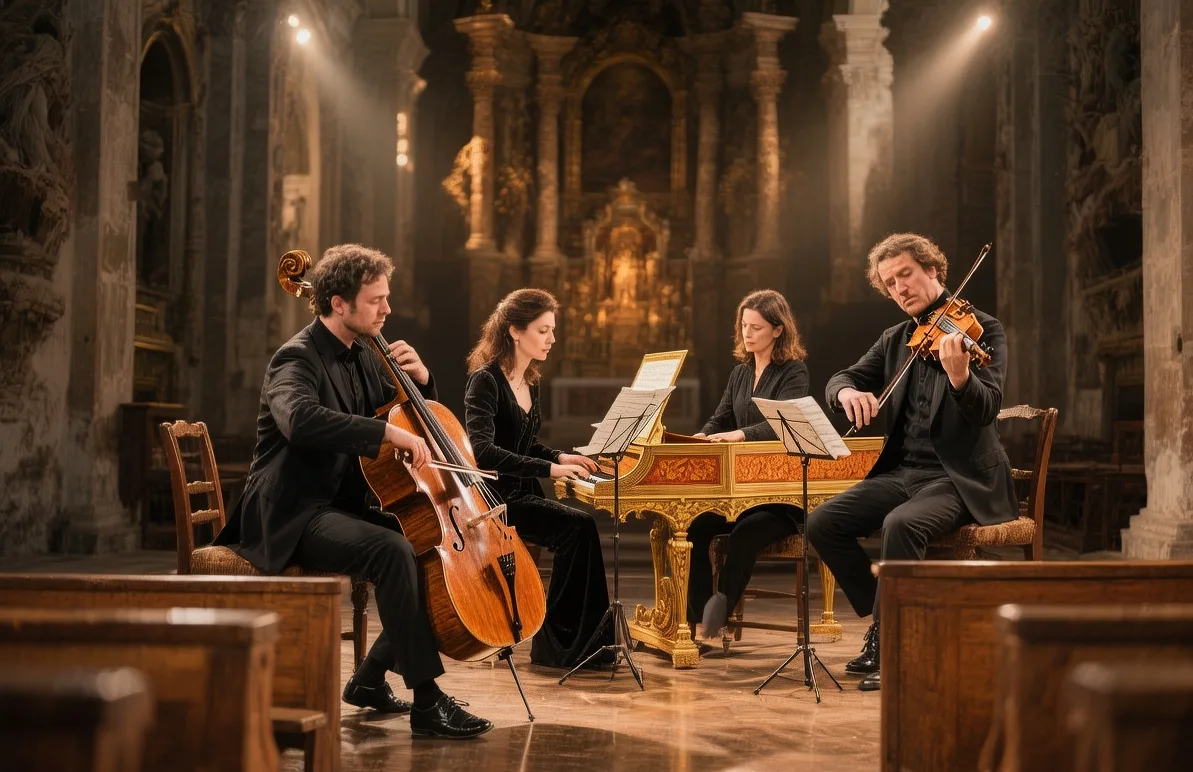
- Attend a Baroque Evening concert: During summer months, historic venues host chamber music performances featuring works by Haydn, Mozart, and Croatian Baroque composers. The Church of St. Nicholas (acoustics renowned for choral music) and the Castle's ceremonial hall offer intimate settings where you can hear every bow stroke and breath. Tickets range €8–€15; arrive 20 minutes early to claim seating. Dress smart-casual; Croatians appreciate cultural events with respectful attire.
- Experience Špancirfest street festival: If visiting in late August, immerse yourself in this 10-day celebration of street theater, artisan crafts, and historical reenactments. The festival transforms Varaždin's pedestrian zones into a living Baroque stage: musicians in period costume perform on every corner, artisans demonstrate traditional crafts, and food stalls serve historical recipes. Free admission; arrive by 10:00 AM to secure good viewing spots for parades. The evening illumination of Baroque facades creates magical photography opportunities [[12]].
- Visit the Old Cemetery (Stari groblje): This 17th-century necropolis, often called the "Croatian Père Lachaise," features elaborate Baroque and Neo-Classical tombstones carved by master stonemasons. Enter through the iron gates (open daily 8:00 AM–6:00 PM, free entry) and follow the central path to discover monuments adorned with angels, skulls, and floral motifs. The cemetery's cypress-lined avenues create a serene atmosphere perfect for contemplation. Allow 30–40 minutes; guided tours (€6, Saturdays at 11:00 AM) reveal stories of Varaždin's notable citizens.
- Savor coffee at a historic café: Pause at Café Corso or Kavana Pod Zidom, establishments housed in restored Baroque buildings with original frescoed ceilings. Order a kava (Croatian coffee, similar to espresso) for €2 and a slice of štrudla (fruit strudel) for €3.50, then linger while observing the rhythm of local life. Morning visits (8:00–10:00 AM) provide the most authentic atmosphere, when residents gather to discuss politics and culture over their second coffee.
- Photograph the Town Hall at golden hour: Conclude your Baroque exploration at the main square's centerpiece: the 17th-century Town Hall with its distinctive clock tower and ornate balcony. Position yourself on the eastern side of the square approximately one hour before sunset (6:30–7:30 PM in summer) to capture the building's facade illuminated in warm amber light. The clock's hourly chime provides an authentic soundtrack; stay for the evening illumination when floodlights accentuate architectural details against the darkening sky.
3 Hidden Gems Most Travelers Miss
- The Baroque Pharmacy Museum: Hidden within a restored 18th-century apothecary on Ivanova Street, this small museum preserves original wooden cabinets, ceramic jars, and medical instruments from Varaždin's Baroque era. Most visitors rush past the unmarked entrance; look for the green pharmacy cross above the door. Open Tuesday–Saturday 10:00 AM–2:00 PM (entry €3, cash only). The scent of dried herbs still lingers in the air, and the knowledgeable curator (speaks English and German) shares fascinating stories about historical remedies. Allow 20–30 minutes; combine with a visit to the nearby Weaver's House museum.
- The Secret Garden of Patačić Palace: Behind the ornate facade of Patačić Palace on Trg G. Senoe lies a private courtyard garden rarely accessible to tourists. During summer months, the palace occasionally opens its gates for afternoon tea experiences (call +385 42 210 444 to inquire; €12 per person includes herbal tea and traditional pastries). The garden features period plantings: lavender, rosemary, and heirloom roses that would have been familiar to 18th-century nobility. Visits typically occur Thursday and Saturday afternoons 3:00–5:00 PM; advance booking essential. This tranquil oasis offers a rare glimpse into aristocratic Baroque life.
- The Underground Cellar Walk: Beneath Varaždin's old town lies a network of restored medieval and Baroque cellars, now connected by a guided tour route. The "Varaždin Underground" experience (€8 per person, Saturdays at 4:00 PM, meeting point at Tourist Office) takes you through vaulted limestone chambers that once stored wine, preserved food, and served as refuge during conflicts. The temperature remains a constant 14°C (57°F) year-round, so bring a light jacket even in summer. The tour concludes with a tasting of local wines in a 300-year-old cellar—ask about the rare Graševina varieties grown on nearby slopes.
Cultural & Practical Tips
- Language essentials: Croatian is the official language, though German and English are widely understood in tourist areas. Essential phrases: Dobar dan (DOH-bar dahn) for "Good day," Hvala (HVAH-lah) for "Thank you," Oprostite (oh-PROH-stee-teh) for "Excuse me," and Živjeli (ZHEE-vyeh-lee) for "Cheers." Many signs are bilingual (Croatian/English).
- Photography etiquette: Varaždin's old town is a public space, but respect residents' privacy when photographing windows or private courtyards. Avoid using tripods during peak hours (10:00 AM–4:00 PM) to prevent obstructing pedestrian flow. Interior photography in churches requires permission; flash is prohibited in all sacred spaces.
- Footwear recommendations: Varaždin's cobblestone streets are charming but uneven. Wear comfortable walking shoes with good grip—heels are impractical on historic paving. The old town is largely flat, making it accessible for most mobility levels.
- Currency and payments: Croatia adopted the Euro (€) in January 2023. While most cafés and shops accept credit cards, smaller vendors and museum entry fees may require cash. ATMs are plentiful in the city center; bring €20–€50 in small denominations for incidental purchases.
- Weather preparedness: Continental climate means distinct seasons. Even in summer, bring a light jacket for evenings—the Drava River valley can cool quickly after sunset. In spring and fall, pack layers; temperatures can vary by 10°C (18°F) between morning and afternoon. Check forecasts for occasional afternoon thunderstorms in summer.
- Respect festival etiquette: During Špancirfest and other cultural events, maintain reasonable noise levels in residential areas after 10:00 PM. Many locals live above ground-floor businesses; quiet hours are observed even during festivals. Applaud performers generously—Croatian audiences are enthusiastic but respectful.
- Accessibility information: Varaždin's old town is largely wheelchair-accessible, with smooth paving on main pedestrian streets. Some historic buildings feature steps; consult the official tourism website for detailed accessibility notes. Accessible restrooms are available at the Tourist Office and Castle Museum.
Conclusion: Travel with Intention, Not Just Itinerary
Varaždin invites a different rhythm of travel—one measured not in landmarks checked but in moments noticed: the way morning light catches the curve of a Baroque balcony, the sound of a violin echoing through a stone courtyard, the shared smile with a local who pauses to admire the same facade you're photographing. To rush through this Baroque jewel, snapping photos without pausing to feel the texture of 300-year-old stucco or listen to the stories embedded in every ornate detail, is to miss its essential gift: the opportunity to slow down, to appreciate craftsmanship that valued beauty over speed, to let imperial elegance recalibrate your sense of what endures.
Your visit carries gentle responsibility: support preservation by purchasing from local artisans and respecting historic surfaces; honor the residential nature of this living community by observing quiet hours and treading lightly on ancient cobblestones; and recognize that Varaždin's magic lies not in spectacle but in authenticity. Leave space in your itinerary for unplanned discoveries—the impromptu conversation with a stonemason restoring a facade, the unexpected view of a hidden courtyard garden, the realization that sometimes the most profound travel experiences arrive not from grand gestures but from simply being present.
Walk Varaždin not as a tourist collecting destinations, but as a guest honored to share in a centuries-old tradition of aesthetic devotion. Let the Baroque facades inspire your eye, let the cobblestones ground your steps, and let this "Little Vienna" remind you that the greatest luxury is not speed but stillness—the courage to linger, to notice, to truly arrive.