Ginzan Onsen: Where Taisho Romance Meets Snowbound Silence
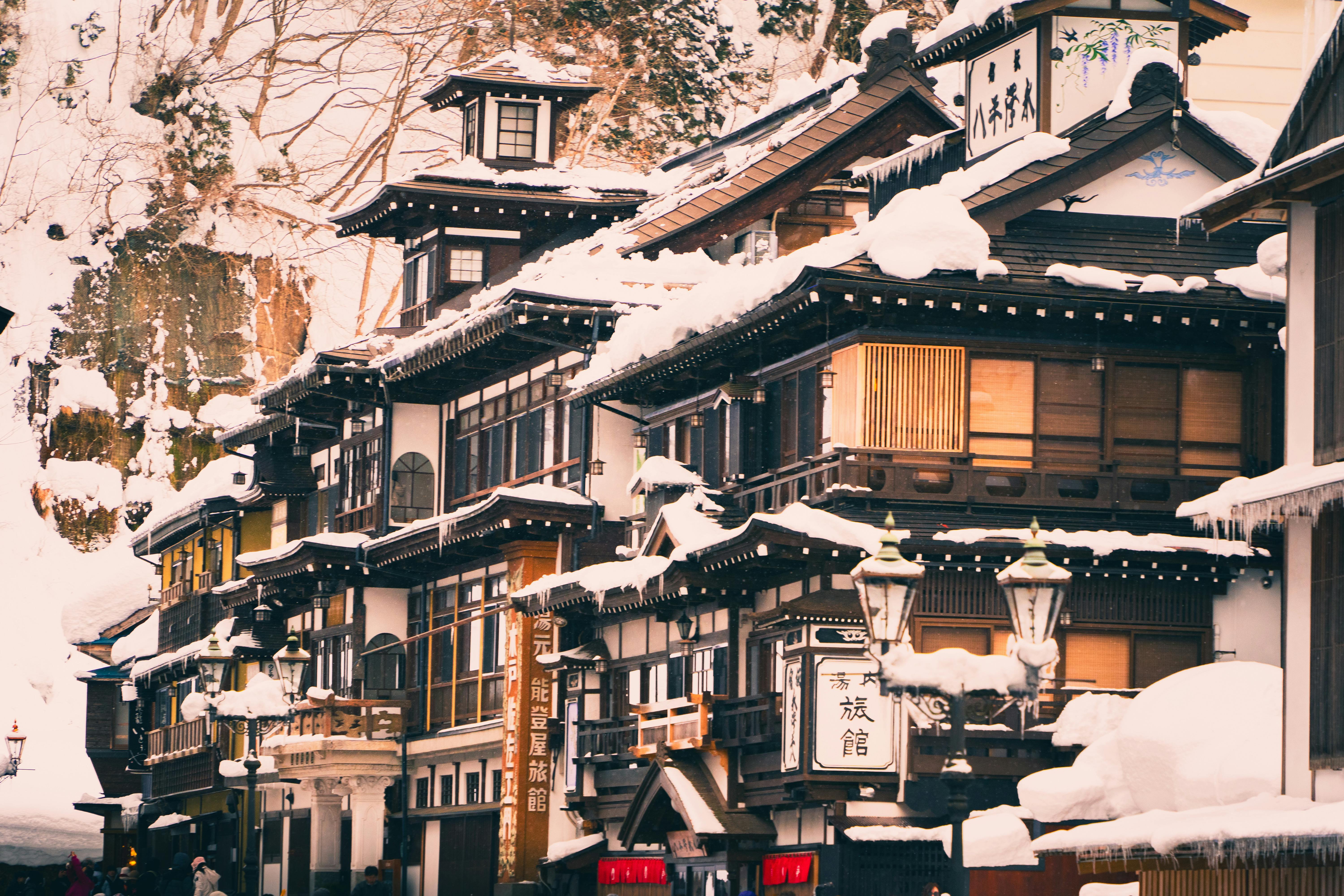
Ginzan Onsen: Where Historic Hot Springs Meet Snowy Mountain Scenery
At 4:40 p.m., I pay 1,500 yen for a day-use bath and step into the warm water at a small public facility in Ginzan Onsen. Outside, the temperature sits just below freezing. Inside, the room smells of cedar, mineral water, and wet wool from travelers drying their coats. A narrow river runs through the center of town, with old wooden inns rising on both sides. Gas lamps begin glowing as daylight fades, and guests in rented yukata walk carefully across the stone paths. Ginzan Onsen is one of Japan’s most recognizable hot spring towns, yet it feels smaller and less convenient than photographs suggest. The central street is short. Dining choices are limited. Overnight rooms can sell out months ahead, especially during the snowy season. Still, the setting has real character, and staying here offers something a busy city hotel cannot provide: time that follows the pace of a mountain village. Come prepared for cold weather, early dinner hours, and a quiet evening after the day-trippers leave.
Why Ginzan Onsen Matters
Ginzan Onsen grew around a silver mine discovered in the early Edo period. Silver production shaped the settlement for several centuries before the mine declined. The hot springs later became the area’s main attraction, and traditional inns developed along the Ginzan River.
Many of the buildings seen today date from the late Meiji and Taisho periods, with wooden facades, narrow balconies, tiled roofs, and exterior walkways. The architecture is not a single restored set created for visitors. It reflects several periods of repair and rebuilding, which gives the street a slightly uneven, lived-in appearance.
The town is also linked to Japanese television and film. Its old-fashioned streets have appeared in popular productions, leading more travelers to add Ginzan Onsen to their Yamagata itineraries. That attention has helped local businesses, but it has also created pressure on a very small community.
The main criticism is simple: Ginzan Onsen can feel overcrowded during peak winter evenings. The street is narrow, accommodation is limited, and many visitors arrive for photographs without staying overnight. Some travelers expect a large resort town with many baths, restaurants, and shops. Instead, Ginzan is a compact settlement with a handful of public bathing options and a mostly residential rhythm.
That small scale is part of its appeal. It is also the reason planning matters so much.
The Best Time to Experience Ginzan Onsen
Ginzan Onsen is open throughout the year, but each season changes the practical experience. Winter is the most famous period because snow gathers on the roofs and along the river. It is also the busiest and most difficult season for transport.
- December 15 to February 28: Temperatures usually range from -6–4°C, or 21–39°F. Snow is common, and evening streets can become slippery. Book rooms well ahead.
- March 1 to April 15: Expect around -1–12°C, or 30–54°F. Snow may remain, but conditions can change quickly and some paths become wet or muddy.
- April 16 to June 15: Temperatures generally sit between 7–23°C, or 45–73°F. This is a comfortable period for walking, with fewer visitors than winter.
- June 16 to August 31: Expect around 17–30°C, or 63–86°F. Summer is greener and easier for transport, but humid afternoons can be uncomfortable.
- September 1 to November 30: Temperatures range from 8–24°C, or 46–75°F. Autumn color can be excellent, particularly on the approach roads and nearby trails.
For the classic snowy view, visit between late December and mid-February. Arrive before sunset if you are visiting for the evening atmosphere. Overnight guests have the advantage because day visitors usually leave after the final buses.
Spring and autumn are better for travelers who want to walk, hike, and explore without heavy clothing. Summer is the easiest season for road access, but it does not offer the image most people associate with Ginzan Onsen. Check weather and transport conditions before traveling in winter, especially after heavy snowfall.
Approximate Budget for a 7-Day Trip to Ginzan Onsen
Ginzan Onsen itself is usually a one- or two-night stop within a wider Yamagata trip. The estimate below covers seven days in Yamagata, including two nights in or near the hot spring area, for one traveler.
- Accommodation: ¥70,000–¥150,000 for six nights. A business hotel in Yamagata City may cost ¥7,000–¥14,000 per night, while a traditional inn in Ginzan Onsen can cost ¥25,000–¥45,000 per person with dinner and breakfast.
- Food: ¥35,000–¥60,000 for seven days. Inn meals are often included in the room rate, while casual city meals cost around ¥800–¥2,500.
- Transport: ¥20,000–¥45,000 for trains, buses, local taxis, and the journey to Ginzan Onsen. Regional rail passes may help if visiting several parts of Tohoku.
- Attractions: ¥6,000–¥15,000 for public baths, museums, temple visits, and seasonal activities.
- Miscellaneous: ¥10,000–¥20,000 for drinks, snacks, lockers, souvenirs, and rental items.
Estimated total: ¥141,000–¥290,000 per person for seven days, excluding travel from Tokyo or another distant starting point.
The most expensive item is often a winter ryokan stay with meals. The price can be worthwhile, but it is not always good value if you dislike fixed dinner times or traditional bedding. A cheaper alternative is to stay in Obanazawa or Yamagata City and visit Ginzan Onsen for the day. You lose the quiet late-night atmosphere, but you may save tens of thousands of yen. Taxis are another costly option, especially if you miss the local bus, so check departure times before leaving the station.
Essential Ginzan Onsen Experiences
- Walk the riverfront after sunset: The central lane is most atmospheric when the old lamps are lit and the day crowds begin to thin. Snowy evenings can be cold, so wear shoes with good grip.
- Stay in a traditional ryokan: An overnight stay allows you to use the baths, wear a yukata, and experience dinner served in several courses. Ask about meal times when booking.
- Try a public bath: Shiroganeyu and other local bathing facilities offer a more affordable introduction to the hot springs. Facilities are simple, and towels may cost extra.
- Visit the old silver mine: The former mine area lies beyond the main town and can be reached on foot when conditions allow. Some sections may close during winter or heavy rain.
- Cross the small bridges: The bridges over the Ginzan River provide good views of the inn facades, waterfalls, and narrow valley. They can become slippery after snow.
- Eat local soba and sweets: Try regional buckwheat noodles, steamed buns, and Yamagata cherries when in season. Some shops close early, so do not wait until late evening.
- Skip the winter visit if you dislike cold and limited choices: Ginzan Onsen is not a large resort. Travelers needing nightlife, shopping, or many restaurants may prefer a bigger hot spring town.
Hidden Gems Most Travelers Miss
- Shiroganeyu footbath: A short soak can warm you quickly after walking through snow, although the small area may be full during peak hours.
- Shiroganeyu public bath: This compact bathhouse is easy to miss because visitors often focus on the street views and hotel facades.
- Warabe Jizo: Small roadside statues and local religious markers appear along the paths toward the former mine area.
- Taisho Romankan: This small cultural stop provides a look at local history and traditional goods away from the main riverfront.
- Ginzan River upper path: Continue beyond the busiest section for a quieter walk and views of the valley walls. Snow conditions may restrict access.
- Obanazawa local markets: The nearby city offers regional produce, sweets, and cherry products at lower prices than the central hot spring shops.
- The most famous river bend: The classic photograph is popular but somewhat overrated if you visit only for that single view. The entire street looks better when explored slowly, especially early in the morning.
Cultural & Practical Tips for Ginzan Onsen
- Remove your shoes where your accommodation asks you to do so. Traditional inns often provide slippers and separate footwear for indoor and outdoor use.
- In public baths, wash your body before entering the water and keep towels out of the bath itself.
- Do not assume every inn accepts day visitors for bathing. Some facilities are reserved for overnight guests or operate only during specific hours.
- Book dinner in advance if you are not staying at a ryokan. Many restaurants close early, and the number of evening choices is small.
- Do not walk on snowy paths in smooth-soled shoes. Ice can form under fresh snow and is difficult to see at night.
- Carry cash. Small shops, public baths, local buses, and vending machines may not accept international cards.
- Keep voices low near inns and private homes, particularly late at night. Ginzan Onsen is a working community, not an open-air stage set.
Essential Visitor Information for Ginzan Onsen
Location & Access: Ginzan Onsen is located in Ginzan Shinhata, Obanazawa, Yamagata 999-4333, Japan. Approximate GPS coordinates are 38.5685, 140.5283. The main hot spring street is about 40 kilometers from Murayama Station and approximately 50 kilometers from Yamagata Airport.
- Train and bus: Take the Yamagata Shinkansen to Oishida Station, then use the local bus to Ginzan Onsen. The bus journey usually takes about 40 minutes.
- Airport transfer: From Yamagata Airport, use the seasonal or scheduled bus connection when available, or combine a bus with a taxi. Travel times vary with weather.
- Car: Drive to the parking area outside the central district, then continue on foot or use the local shuttle when operating. Private vehicles generally cannot enter the narrow main street.
Tickets & Booking: Walking through the town is free. Public bath entry is commonly around ¥500–¥1,500, depending on the facility. Some day-use baths may charge more or restrict access to guests. Booking is not usually required for a public bath, but a traditional inn should be reserved well ahead, especially from late December through February. Dinner reservations are essential for visitors staying outside a ryokan.
Operating Hours: The town itself is open all day, but shops and public baths commonly operate from around 8:00 a.m. or 10:00 a.m. until 5:00 p.m. or 6:00 p.m. Hours vary by facility, and winter weather can cause temporary changes. Many restaurants close by early evening. The silver mine path may have seasonal closures, particularly during heavy snow.
Visit Duration: A quick visit requires at least three hours, including transport connections and a short walk. One night is recommended for the evening lights, bath access, and quieter morning atmosphere. Two nights work well if you plan to explore the mine area or surrounding countryside.
Family Suitability: Children are welcome, but the narrow paths, cold weather, and hot water require supervision. Stroller access is difficult on snowy or uneven streets, and carrying a baby may be easier. Most inns provide toilets and indoor facilities, but some traditional rooms have limited space for large luggage. Confirm sleeping arrangements before booking with young children.
Timing: Late December through mid-February is best for snowy views, while April through June and September through November offer easier walking conditions. Visit the main street before 8:00 a.m. or after 5:00 p.m. for fewer visitors. Daytime can be crowded when buses arrive.
Highlights: The Ginzan River street, the historic inn facades, Shiroganeyu, the local footbaths, the former silver mine, and the evening lamps are the main sights.
Nearby & Day Trip: Oishida town, Obanazawa city, Mount Gassan, and the Yamagata wine region are possible additions. A day trip from Yamagata City can be done, but the journey is long and bus schedules limit flexibility. Staying one night is a better choice if the purpose of the visit is bathing and evening scenery.
Conclusion: Travel with Patience, Not Just Pretty Photographs
Ginzan Onsen rewards travelers who accept its small scale. The town is not designed for constant activity, late dinners, or quick sightseeing. Its value lies in the pauses: warming up after a snowy walk, sitting beside a bath, and watching the river move below the old inns. Plan your transport carefully, reserve accommodation early, and bring shoes suitable for ice and uneven paths. If you visit only for a photograph, the experience may feel brief. Stay overnight, slow down, and let Ginzan Onsen become more than a scenic stop on a Yamagata itinerary.
Post a Comment