Zao Fox Village: Where Wild Fur Meets Sacred Shinto Myth
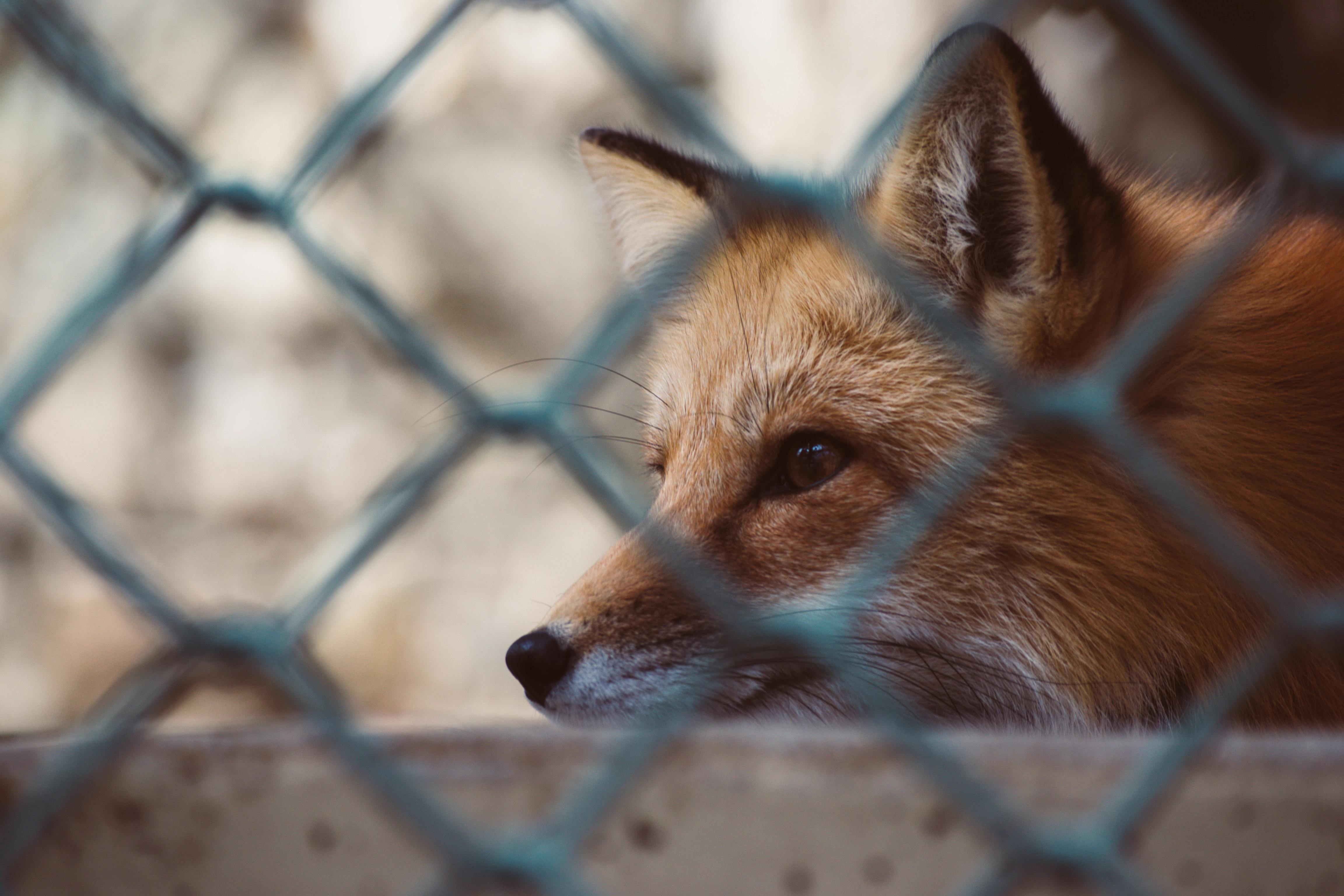
Zao Fox Village: Where Free-Roaming Foxes Meet Japanese Mountain Culture
At 10:15 a.m., after paying 1,500 yen at the entrance, I walk through the wooden gate at Zao Fox Village with a small bag of fox food in one hand. The air smells of pine, damp soil, and animal feed. Within minutes, several red foxes appear along the path, some watching visitors with sharp amber eyes while others sleep in the shade. Zao Fox Village sits in the hills outside Shiroishi in Miyagi Prefecture, and it is far less polished than a normal wildlife park. The foxes are not trained performers. They wander, nap, ignore people, and occasionally come close when food is available. That unpredictability is part of the appeal. It also means visitors need to follow the rules carefully. There are steep paths, limited public transport, and no guarantee that every animal will be active. I spend about two hours walking through the enclosure, watching foxes compete for a quiet patch of ground and listening to their short, sharp calls. This is a memorable stop, but it requires realistic expectations.
Why Zao Fox Village Matters
Zao Fox Village opened in 1990 and has become one of the best-known places in Japan for seeing foxes in a semi-natural setting. The facility houses several species, including Japanese red foxes, silver foxes, platinum foxes, and cross foxes. Unlike a traditional zoo, the main enclosure allows the animals to move freely through a large wooded area while visitors follow designated walking routes.
Foxes have a long connection with Japanese folklore. The kitsune appears in stories as a clever spirit capable of changing form, sometimes helping people and sometimes causing trouble. Shrines dedicated to Inari, the deity associated with rice and prosperity, often use fox figures as messengers. Zao Fox Village is not a religious site, but the cultural background helps explain why foxes hold such a strong place in Japanese popular imagination.
The visit also offers a useful reminder that wild-looking animals are not automatically domesticated. The foxes at the village are accustomed to people, but they remain animals with sharp teeth, strong instincts, and individual temperaments. Visitors cannot pick them up, pet them, or feed them ordinary snacks.
The main criticism is that the facility can feel basic for its admission price. Some paths are uneven, information in English is limited, and the animals may spend much of the day sleeping. The foxes are the focus, not elaborate visitor facilities. Anyone expecting a polished theme park or a hands-on petting experience may leave disappointed.
The Best Time to Experience Zao Fox Village
Zao Fox Village is open throughout much of the year, but conditions change sharply between seasons. The village sits in a mountain area where winter snow and summer humidity can affect both access and animal activity.
- March 1 to May 31: Temperatures usually range from 5–20°C, or 41–68°F. Spring is a good period for cooler walks, and young foxes may be more active.
- June 1 to August 31: Expect around 18–30°C, or 64–86°F. Visit early because midday heat can leave many foxes sleeping in shaded areas.
- September 1 to November 30: Temperatures commonly sit between 10–24°C, or 50–75°F. Autumn brings comfortable walking weather and changing forest color.
- December 1 to February 28: Temperatures can fall from -5–8°C, or 23–46°F, with snow and icy paths possible. Check road conditions before setting out.
Spring and autumn are the easiest seasons for most travelers. Arrive shortly after opening, when the paths are quieter and the foxes may be more alert. Avoid the hottest part of the afternoon in July and August. Weekends, public holidays, and school vacation periods can make the small entrance area crowded.
Heavy snow sometimes affects buses and taxis in winter. Comfortable waterproof shoes are useful year-round, especially after rain. Umbrellas are awkward on the wooded paths, so a rain jacket works better.
Approximate Budget for a 7-Day Trip to Zao Fox Village
Zao Fox Village is usually visited as part of a wider Miyagi or Tohoku itinerary rather than as a week-long destination by itself. The estimate below assumes one traveler spending seven days in the region, with a visit to the fox village included.
- Accommodation: ¥49,000–¥105,000 for six nights in a business hotel, guesthouse, or simple ryokan, based on ¥7,000–¥17,500 per night.
- Food: ¥28,000–¥49,000 for casual breakfasts, lunches, dinners, drinks, and snacks. Allow around ¥4,000–¥7,000 per day.
- Transport: ¥18,000–¥40,000 for regional trains, local buses, and the journey from Shiroishi or Shiroishi-Zao Station. A taxi to the village can cost roughly ¥4,000–¥6,000 one way, depending on the starting point and traffic.
- Attractions: ¥5,000–¥12,000 for Zao Fox Village, museums, hot springs, and other regional sites.
- Miscellaneous: ¥8,000–¥15,000 for lockers, drinks, souvenirs, laundry, and small purchases.
Estimated total: ¥108,000–¥221,000 per person for seven days, excluding travel from Tokyo or another distant starting point.
The overpriced part is often the taxi when travelers arrive without checking the return journey. A round trip can cost more than the entrance fee and food combined. The cheaper alternative is the seasonal or limited local bus from Shiroishi Station, although departures are infrequent and must be planned carefully. Do not assume that a taxi will be waiting outside when you finish. Arrange a pickup or confirm return transport before entering.
Essential Zao Fox Village Experiences
- Walk the main fox enclosure: Follow the marked route slowly and watch how the foxes interact. Some claim sunny spots, while others keep to shaded corners and avoid the crowd.
- Buy the approved fox food: Food is sold inside the facility and must be given from the designated feeding area. Throwing food directly toward animals can encourage aggressive behavior.
- Observe the different coat colors: Along with familiar orange-red foxes, you may see silver, white, black, and mixed-color coats. Their appearances vary by season and individual animal.
- Visit the small animal areas: Depending on the day and season, the site may include rabbits, goats, ponies, or other animals. These areas are separate from the main fox enclosure.
- See the foxes in winter: Snow can make the setting attractive for photography, and some foxes remain active in cold weather. Wear proper footwear because paths may become slippery.
- Watch the feeding routine: Staff sometimes provide food at scheduled times. This can draw foxes into one area, but the timing may change and is not guaranteed.
- Skip the visit if you expect to pet foxes: The animals are for observation only. Visitors who want close physical contact should choose a different animal experience.
Hidden Gems Most Travelers Miss
- Shiroishi Castle: This reconstructed castle sits in the city and makes a useful stop before or after the fox village. The surrounding streets are quieter than those in major Japanese castle towns.
- Kamasaki Onsen: This hot-spring area offers traditional inns and bathing facilities near the Zao mountains. It is a good overnight option for travelers who want more than a quick animal visit.
- Shiroishi Umenosato: Local plum-related products and regional food provide a small taste of the area’s agricultural side.
- Zao Dairy Center: Stop for local dairy products, soft-serve ice cream, and a short break if traveling by car.
- Shiroishi Castle History Exploration Museum: This compact museum gives useful context about the castle and the Date clan’s influence in the region.
- Mount Zao crater area: The Okama crater is a strong day-trip option when the weather is clear, although access can be restricted by snow or road conditions.
- The fox baby photo area: This is often treated as the main attraction by visitors, but it can be overrated when the animals are inactive or the viewing time is very short. The main enclosure usually offers a better overall visit.
Cultural & Practical Tips for Zao Fox Village
- Follow every feeding instruction from staff. Foxes can move quickly, and fingers should never be placed near their mouths.
- Do not open food bags while standing along the walking route. This can attract several animals at once and create unnecessary competition.
- Do not try to pet, chase, photograph from inches away, or block a fox’s path. A calm distance is safer for both visitors and animals.
- Wear closed shoes with good grip. The paths include slopes, dirt, gravel, and uneven sections that become difficult after rain.
- Bring water and a small snack for yourself. Food choices inside the facility are limited, and the area is not a convenient place for a full meal.
- Keep children close, especially near feeding points and narrow paths. Foxes may look gentle but can bite when stressed or excited.
- Download transport details before leaving Shiroishi. Mobile service and return connections may be less convenient than expected in the hills.
Essential Visitor Information for Zao Fox Village
Location & Access: Zao Fox Village is located at 11-3 Kawarago, Fukuokayatsumiya, Shiroishi, Miyagi 989-0733, Japan. Approximate GPS coordinates are 38.0050, 140.5420. The village is about 12 kilometers from Shiroishi Station and around 14 kilometers from Shiroishi-Zao Station.
- Train and bus: Take a train to Shiroishi Station, then use the limited local bus service when operating. Confirm the return departure before entering the village.
- Taxi: A taxi from Shiroishi Station usually takes around 20 minutes. Reserve the return trip because taxis may not wait outside.
- Rental car: Driving is the easiest option for combining the village with Zao Onsen, Shiroishi Castle, or the Okama crater. Parking is generally available near the entrance.
Tickets & Booking: General admission is approximately ¥1,500 for adults. Children’s prices may be lower, depending on age and current policy. Fox food usually costs around ¥100 per portion. Advance booking is generally not required for standard entry, but special animal experiences, seasonal programs, or group visits may require arrangements in advance.
Operating Hours: Regular hours are generally 9:00 a.m. to 5:00 p.m., with last entry around 4:30 p.m. Winter hours may shorten to around 9:00 a.m. to 4:00 p.m. The village is commonly closed on Wednesdays, although holiday periods and seasonal schedules can change. Check the operating calendar before traveling.
Visit Duration: The minimum useful visit is about 90 minutes. Allow two to three hours for the fox enclosure, feeding area, other animals, photographs, and a relaxed walk. Add transport time separately, as the journey can take longer than expected.
Family Suitability: Older children generally enjoy the animals and outdoor setting. Young children need close supervision because foxes can bite and the paths are uneven. Strollers are difficult inside the main enclosure and may not work well on slopes or gravel. Baby carriers are more practical. Toilets and basic visitor facilities are available, but food and indoor seating are limited.
Timing: Spring and autumn offer the most comfortable walking conditions. Visit soon after opening for cooler temperatures, fewer people, and a better chance of seeing active foxes. Avoid the hottest afternoon hours in summer and check snow conditions before a winter visit.
Highlights: The free-roaming fox enclosure, the approved feeding area, the different fox coat colors, the small animal section, and the surrounding Zao mountain landscape are the main highlights.
Nearby & Day Trip: Shiroishi Castle is around 12 kilometers away and works well before or after the village. Kamasaki Onsen is a practical overnight or bathing stop. The Zao Okama crater is feasible as a longer day trip when roads are open. Zao Onsen is also reachable by car, but public transport connections can make the journey slow. A visit from Sendai is possible in one day, though the schedule feels rushed without a rental car.
Conclusion: Travel with Respect for Animals, Not Just Curiosity
Zao Fox Village is best understood as an observation visit, not a petting attraction. The foxes decide when they are visible, active, or interested in food. That makes the experience less predictable, but also more honest than a staged animal encounter. Plan your transport before arriving, wear shoes suited to uneven paths, and keep a respectful distance from every animal. If you combine the village with Shiroishi Castle or a local hot spring, the journey feels more worthwhile. Arrive early, move slowly, and let the foxes set the pace of the visit.
Post a Comment