
Isuien Garden and Neiraku Museum: Where Borrowed Landscapes Meet Edo-Era Tranquility
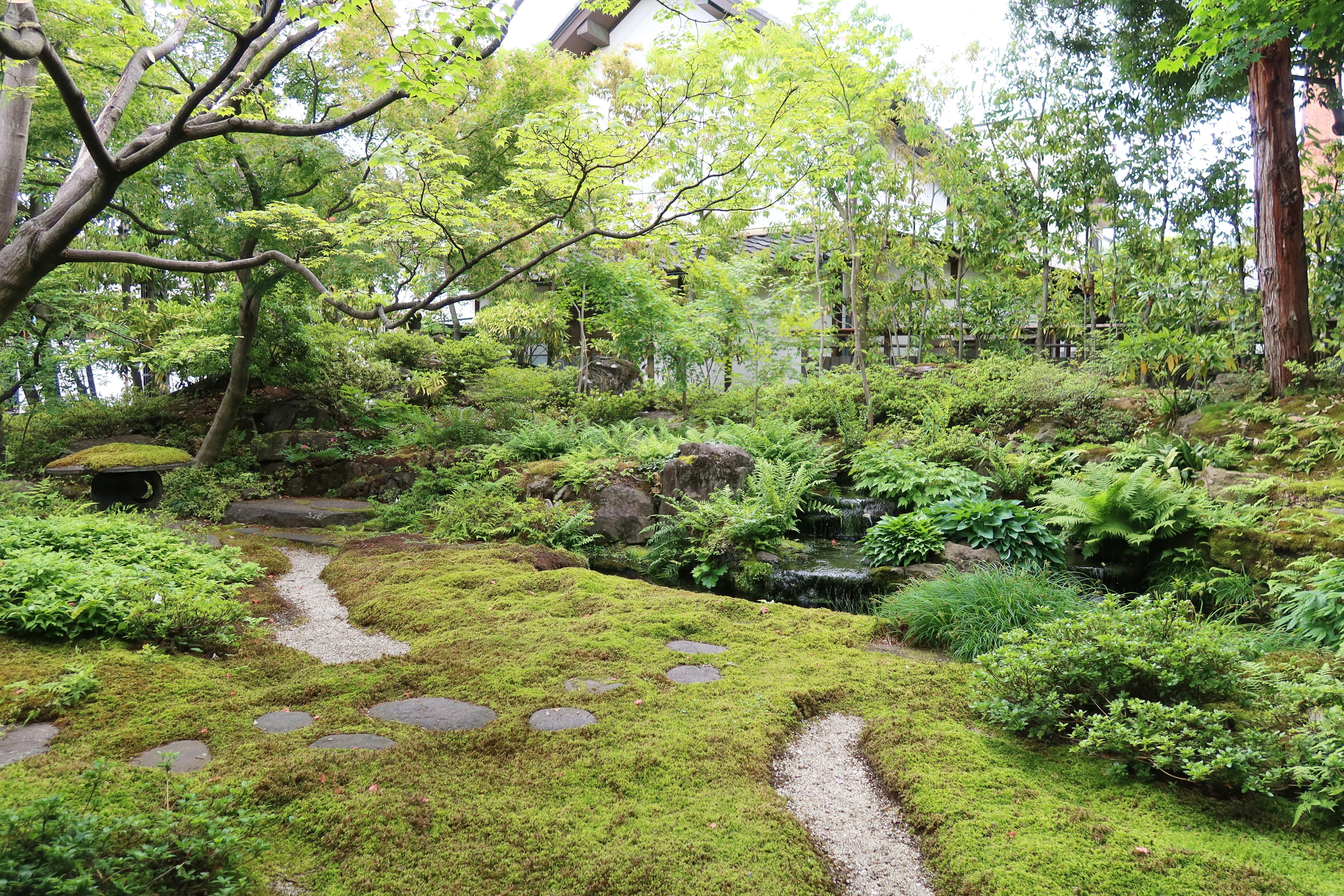
Dawn breaks over Nara—soft light spills across raked gravel, illuminating moss-covered stones that have rested undisturbed since the eighteenth century. The gentle ripple of koi breaking the pond's mirror-like surface echoes through the garden; beyond the carefully framed vista, Mount Wakakusa rises like a sleeping giant, its slopes incorporated into the composition through the masterful technique of shakkei—borrowed scenery. You stand on the wooden veranda of Sanshutei tea house, watching mist lift from the water, while the air carries the subtle scent of pine and damp earth. This is not merely a garden—it is a living painting, composed across two distinct eras: the front garden, completed in 1754, and the rear garden, finished in 1899, together spanning nearly 17,000 square meters of meticulously orchestrated nature. Within this sanctuary lies the Neiraku Museum, housing centuries of ceramic artistry and bronze masterpieces that whisper stories of Chinese dynasties and Japanese shogunates. Isuien Garden matters because it preserves not just plants and stones, but an entire philosophy of harmony between human intention and natural beauty—a meditation on timelessness in an increasingly hurried world.
Why Isuien Garden Embodies Refined Japanese Aesthetics
Isuien Garden stands as one of Nara's most sophisticated examples of kaiyū-shiki-teien—strolling garden design—where every angle reveals a deliberately composed scene. The garden solves a fundamental challenge of Japanese landscape architecture: how to create expansive beauty within constrained urban space. Through borrowed scenery, the designers incorporated Mount Wakakusa (588 meters elevation) and the surrounding Nara Basin into the composition, effectively multiplying the garden's perceived size by tenfold. The front garden, commissioned by wealthy merchant Kiyosumi Dōai in 1754 during the Edo period's Genbun era, features a central pond fed by natural springs from Mount Wakakusa, with water quality so pure it was historically used for tea ceremonies. Three islands represent the Buddhist trinity of Amida Buddha, connected by arched bridges constructed from natural stone without mortar—a technique requiring precise engineering to withstand Nara's humid summers and occasional seismic activity.
The rear garden, completed 145 years later in 1899 by industrialist Seki Tojirō during the Meiji period, demonstrates evolving aesthetic sensibilities while maintaining classical principles. Its 3,300-square-meter pond incorporates larger stones quarried from Yoshino, positioned according to fūkeiron landscape theory to create dramatic vistas visible from the two-story Sanshutei tea house. The Neiraku Museum, established in 1973 on the garden's eastern edge, houses over 2,000 artifacts including Song Dynasty celadons, Joseon Dynasty white porcelain, and Japanese tea ceremony implements—many designated as Important Cultural Properties. Together, garden and museum fulfill a singular purpose: preserving the contemplative space where material culture and natural landscape converge, offering visitors an immersive education in East Asian aesthetic philosophy that transcends mere sightseeing to become spiritual practice.
The Best Time to Experience Isuien Garden
Timing transforms Isuien Garden from beautiful to transcendent. The optimal visiting window runs from November 15–December 10, when autumn foliage peaks—maples burn crimson against evergreen pines, while temperatures hover between 8°C–16°C (46°F–61°F). Arrive between 9:30–10:30 AM when morning light strikes the pond at a 45-degree angle, creating perfect reflections of Mount Wakakusa; the garden opens at 9:30 AM, and you'll have approximately 45 minutes before tour groups arrive from Kyoto. Alternatively, April 5–20 delivers cherry blossoms framing the tea houses, with temperatures of 12°C–20°C (54°F–68°F)—though expect crowds 300% larger than autumn.
Avoid July 15–August 31 entirely: humidity reaches 85%, temperatures climb to 33°C (91°F), and the garden's narrow pathways become oppressive; additionally, this is Japan's obon season when domestic tourism peaks. Winter months (January 10–February 28) offer stark beauty with temperatures of 2°C–9°C (36°F–48°F) and minimal crowds, but deciduous trees remain bare, diminishing the borrowed scenery effect. The museum operates 10:00 AM–4:30 PM (last entry 4:00 PM), closed Mondays; plan your garden visit first, then museum exploration during the afternoon heat. For the complete experience, allocate 2.5 hours minimum: 90 minutes for the garden's circuit path, 45 minutes for the museum's three exhibition rooms.
Approximate Budget for a 7-Day Trip
This budget assumes a mid-range travel style based in Nara with day trips to Kyoto and Osaka, using 2026 pricing for a single traveler. Costs reflect spring/autumn season rates (excluding peak cherry blossom and autumn foliage surcharges).
- Accommodation: ¥8,500–¥15,000 per night (US$57–$100) for a business hotel or ryokan in Nara's Naramachi district; 7 nights = ¥59,500–¥105,000
- Food: ¥4,200 per day (breakfast ¥600 at convenience store, lunch ¥1,200 for ramen or kakinoha-zushi, dinner ¥2,400 for set menu at local restaurant); 7 days = ¥29,400
- Transportation: JR Pass 7-day ordinary = ¥50,000; local Nara bus day pass = ¥500 × 4 days = ¥2,000; airport express (Haruka) = ¥3,600; total = ¥55,600
- Attractions: Isuien Garden admission ¥900; Neiraku Museum ¥700; Tōdai-ji Temple ¥600; Nara Park (free); Hōryū-ji Temple ¥1,500; Kasuga Taisha Shrine (free); total = ¥3,700
- Miscellaneous: Green tea ceremony experience ¥3,500; souvenir narazuke pickles ¥1,200; postcards and guidebook ¥2,000; emergency fund ¥5,000; total = ¥11,700
Total: ¥159,900–¥205,400 (US$1,070–$1,375)
7 Essential Isuien Garden Experiences
- Walk the Complete Circuit Path: Begin at the main gate, follow the gravel path counterclockwise around the front garden's central pond, crossing each of the three stone bridges. Pause at the viewing platform midway to photograph Mount Wakakusa framed by pine branches; the path measures 650 meters and requires 45 minutes at a contemplative pace. Notice how the garden designers positioned stepping stones at irregular intervals to force slower, more mindful walking.
- Tea Ceremony at Sanshutei: Reserve 48 hours in advance (tel: +81-742-22-6666) for a 45-minute matcha service in the two-story tea house overlooking the rear garden. Cost: ¥1,500 including seasonal wagashi sweet. Sit on tatami mats, observe the host's precise movements, and sip bitter-green matcha while watching koi glide beneath the veranda—this is living history, unchanged since the Meiji era.
- Photograph the Borrowed Scenery: Position yourself at the garden's northwest corner at 10:00 AM when sunlight illuminates Mount Wakakusa's eastern face. Use a 50mm lens to compress the distance between foreground pond and background mountain, creating the illusion they touch. This technique, perfected by garden designer Yoshida Tōkō in 1899, demonstrates shakkei at its most sophisticated.
- Explore the Neiraku Museum's Ceramic Collection: Focus on Room 2's Song Dynasty celadons (960–1279 CE), noting the jade-green glaze achieved through iron oxide reduction firing at 1,280°C. The museum's climate control maintains 20°C and 55% humidity to preserve these 800-year-old vessels; photography is prohibited, so observe carefully and purchase the ¥1,200 catalog.
- Visit the Moss Garden at Dusk: Return at 4:00 PM (one hour before closing) when tour groups have departed. The western sun casts long shadows across the rear garden's 200-year-old sugoke moss, revealing textures invisible at midday. This is when the garden reveals its secrets—listen for the shishi-odoshi bamboo water feature's rhythmic clack, designed to scare deer but now marking time's passage.
- Study the Stone Lanterns: Identify the seven yukimi-dōrō (snow-viewing lanterns) positioned around the pond, each carved from different stone: granite, basalt, andesite. Note how lantern #3, dated 1756, bears the crest of the Kii Tokugawa clan, proving this garden served feudal lords despite Nara's diminished political status post-1600.
- Purchase Garden-View Wagashi: At the gift shop, buy mizu-yōkan (¥600) shaped like Mount Wakakusa, then eat it on the veranda while gazing at the actual mountain. This synesthetic experience—tasting the landscape while viewing it—embodies the Japanese aesthetic principle of miyage-gashi (souvenir sweets as memory anchors).
3 Hidden Gems Most Travelers Miss
- The Underground Spring Source: Behind the rear garden's stone wall, a small wooden gate (unmarked, 30 meters north of Sanshutei) leads to the spring headwater where Mount Wakakusa's groundwater emerges at 14°C year-round. Access requires asking staff at the main office (open 9:30 AM–4:00 PM); they'll provide a key and 15-minute escorted visit. This is where the garden's life begins—crystal water flows through underground clay pipes laid in 1899, still functioning after 127 years. Most visitors never know it exists.
- Neiraku Museum's Storage Viewing Days: On the first Saturday of each month (10:00 AM–11:30 AM), the museum opens its climate-controlled storage vault by reservation only (email: neiraku@nara-pref.org, book 3 weeks ahead). Curators display 20–30 pieces not in regular rotation, including Edo-period tea bowls with gold-repair kintsugi work. This intimate session accommodates 8 people maximum and costs ¥2,000—far more rewarding than the standard exhibition.
- The Abandoned Well House: In the garden's northeast corner, partially obscured by camellia bushes, stands a small structure housing a 30-meter-deep well dug in 1754. The wooden kagura bucket still hangs from the beam; staff will draw water if you ask (they do this daily at 3:00 PM for garden maintenance). The water tastes metallic-mineral, unchanged since the Edo period, and was historically used for the tea ceremony because its high mineral content enhanced matcha's umami flavor.
Cultural & Practical Tips
- Shoes and Etiquette: Remove shoes before entering Sanshutei tea house and museum exhibition rooms; wear presentable socks without holes. When walking the garden paths, stay on designated gravel—never step on moss, which takes 50+ years to establish and is easily damaged.
- Photography Rules: Garden photography is unrestricted, but the Neiraku Museum prohibits all cameras and phones in exhibition rooms (lockers provided free at entrance). Tripods require advance permission (email 1 week ahead); drones are strictly forbidden.
- Essential Phrases: "Sumimasen" (soo-mee-mah-sen) = excuse me; "Arigatō gozaimasu" (ah-ree-gah-toh goh-za-ee-mass) = thank you; "Koko wa itsu made aite imasu ka?" (koh-koh wah eet-soo mah-day ah-ee-teh ee-mass kah) = what time does this close?
- Weather Preparedness: Nara receives 1,200mm annual rainfall; carry a compact umbrella year-round. Summer humidity makes walking strenuous—bring electrolyte tablets. Winter mornings often drop below freezing; wear layers as garden paths lack heating.
- Deer Interaction: Nara Park's 1,200 free-roaming deer frequently enter Isuien's outer perimeter. Purchase shika senbei (deer crackers, ¥200) outside the gate, but never feed deer inside the garden—they damage the carefully maintained plantings. Bow to deer before feeding; they understand this gesture and will bow back.
- Accessibility: The front garden has gravel paths unsuitable for wheelchairs; the rear garden offers a 150-meter paved circuit (ask staff for the accessible route map). The museum has an elevator but no wheelchair rental; nearest rental is Nara Station (¥500/day).
- Best Souvenirs: Avoid mass-produced keychains; instead purchase narazuke pickles (¥800–¥2,000) from the garden shop—these sake-lees-pickled vegetables have been Nara's specialty since 794 CE and travel well in checked luggage.
Conclusion: Travel with Contemplation, Not Just Checklist
Isuien Garden resists hurried consumption—it demands you slow your breath, lower your voice, and surrender to a different temporal rhythm. This is not a destination to conquer but a space to inhabit, if only for an afternoon. When you sit on Sanshutei's veranda, watching light shift across the pond's surface, you participate in a tradition stretching back 270 years: merchants, monks, and meandering travelers have occupied this exact spot, seeking the same quietude you now find. The garden's preservation depends not on your Instagram post but on your willingness to walk softly, speak quietly, and leave nothing but footprints on the gravel. Buy the wagashi, attend the tea ceremony, ask about the spring source—these actions support the garden's continued existence in an era when such spaces face relentless development pressure. Travel here with contemplation, not just a checklist; carry home not just photographs but the memory of water rippling, of Mount Wakakusa reflected in stillness, of a moment when time itself seemed to pause. That is Isuien's true gift—and it costs nothing beyond your attention.