
Kiso Valley: Where Edo-Echoing Post Towns Meet Cedar-Shrouded Passes
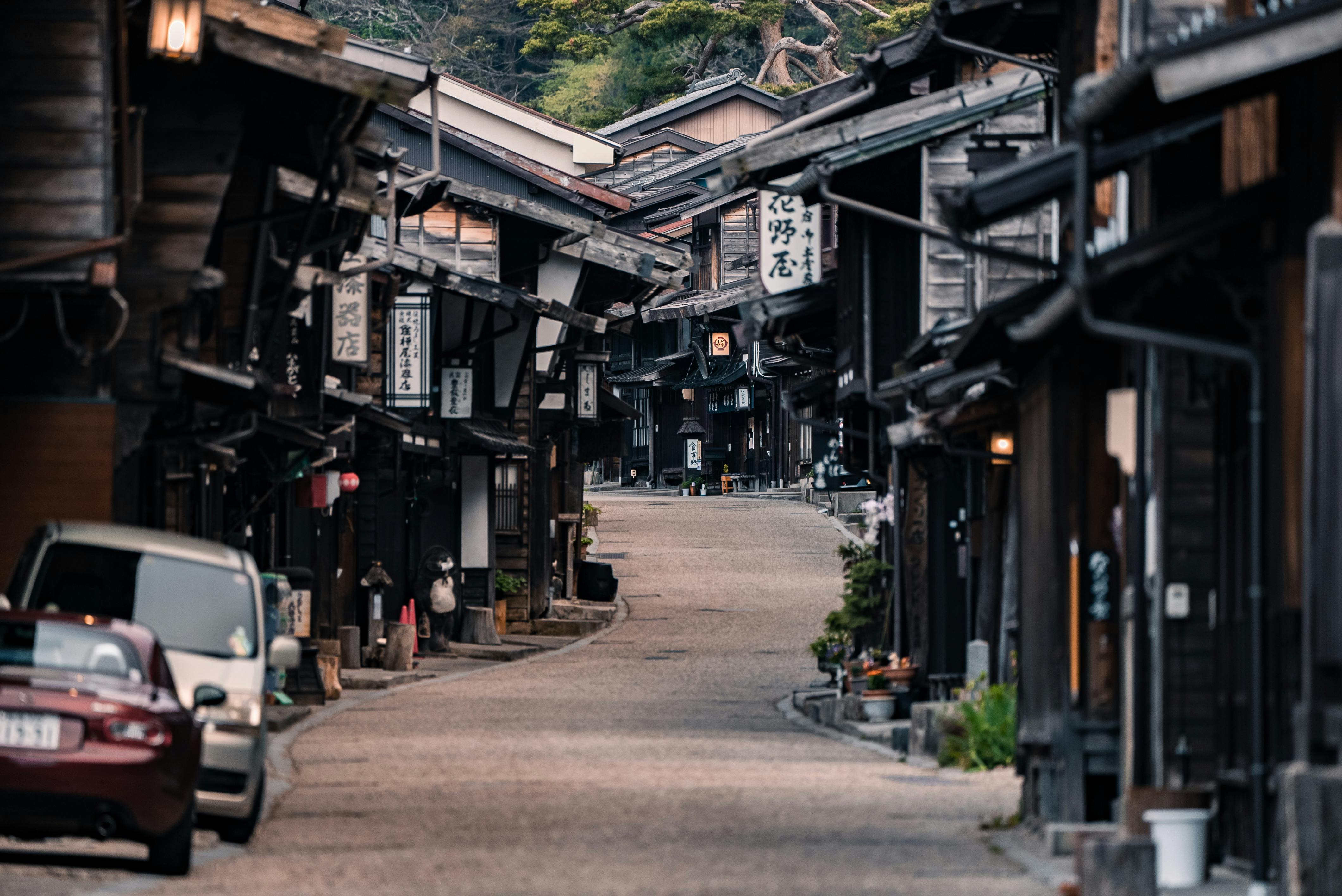
The foot-worn cobblestones still bear the indentations of centuries—of sandaled pilgrims, weary merchants, and samurai traveling the 534-kilometer (331-mile) highway between Kyoto and Edo. It is 7:00 AM in the Kiso Valley, and mist clings to the steep cedar forests that press against the narrow streets of Tsumago-juku. The air smells of woodsmoke and damp moss, of goheimochi grilling somewhere in a shop not yet open. You hear only water—the rush of the Araragi River cascading over granite boulders—and the distant clack of wooden clogs on stone. This is not a museum or a reconstruction. This is the Nakasendo Way, the "Central Mountain Route," where sixty-nine post towns once pulsed with the energy of Japan's busiest inland thoroughfare. Here, in the valley between the Kiso River and the peaks of the Japanese Alps, you walk not just through a landscape but through time itself. Modernity steps aside, and the Edo period (1603–1867) breathes again—not as performance, but as persistent, quiet presence.
Why Kiso Valley Embodies Japan's Preservation Ethos
The Kiso Valley's post towns—Tsumago, Magome, and Narai—serve as living arguments against the march of progress, demonstrating what happens when a community chooses memory over convenience. In the 1960s, Japan's postwar development boom threatened to bulldoze these wooden towns into highway asphalt. But the residents of Tsumago resisted, passing a landmark ordinance in 1968 declaring that "no building shall be sold, rented, or demolished" without approval . By 1971, overhead power lines had vanished underground, and traditional hirairi-style storefronts replaced concrete facades. This grassroots preservation movement—unprecedented in Japan—proved that authenticity could survive modernity. Today, Tsumago remains a living museum: you can sleep on tatami in a 150-year-old inn, bathe in a rotenburo fed by mountain springs, and eat sunkizuke—red turnips fermented with wild pear seeds, a recipe unchanged since the Edo period . Tsumago was the 42nd post station, while Narai, the "Narai of a Thousand Houses," stretched over one kilometer, its cantilevered dashibari architecture solving the problem of narrow street frontage by expanding upper floors outward . These were rest stops that became destinations unto themselves.
The Best Time to Experience the Kiso Valley's Nakasendo Trail
The Kiso Valley reveals its soul most vividly during two windows: April 10–May 5 (cherry blossom season along the lower elevations) and October 20–November 8 (peak autumn foliage). Autumn is the undisputed champion: temperatures range from 8–16°C (46–61°F) in late October, cooling to 4–12°C (39–54°F) by November's first week . The maple and beech forests that line the eight-kilometer trail between Tsumago and Magome explode into crimson and gold, with peak color typically arriving during the last three days of October through November 5. Begin walking by 7:30–8:00 AM to experience the "magic hour" light filtering through the cedars before tour buses disgorge their passengers. Avoid November 2–4, Japan's Culture Day long weekend, when the trail becomes a conga line of hikers. Also sidestep mid-July through August, when temperatures reach 28–32°C (82–90°F) with 75% humidity, and the cicada chorus drowns out the rivers..
Approximate Budget for a 7-Day Nakasendo Walking Trip
This budget assumes a moderate itinerary starting from Nagoya, with three nights in traditional ryokan or minshuku along the trail and four nights in cities. All prices in Japanese Yen (¥). Hiking the full Nakasendo between major towns requires luggage forwarding (¥1,000–¥2,000 per bag).
- Accommodation: Minshuku/ryokan in Tsumago or Magome: ¥9,000–¥18,000 per person per night (includes dinner and breakfast). Narai guesthouses: ¥8,000–¥15,000. Nagoya/Nagano business hotels: ¥6,000–¥10,000 per night.
- Food: Ryokan stays include dinner (kaiseki-style mountain cuisine). Additional meals: lunch ¥1,200–¥2,500 (goheimochi ¥400, soba noodles ¥900–¥1,500, tea house snacks ¥600). Sake tasting at Narai brewery: ¥1,000 for three samples .
- Transportation: From Nagoya: JR Limited Express Shinano to Nakatsugawa (¥2,200, 55 minutes). From Tokyo: Shinkansen to Nagano, then JR Chuo Line to Narai (¥11,000 total). Nakatsugawa–Magome bus: ¥540 one-way , cash only, IC cards not accepted . Local trains between post towns: ¥200–¥600 per ride. Luggage transfer (TA-Q-BIN): ¥1,500–¥2,000 per piece .
- Attractions: Tsumago–Magome hiking trail: free. Tsumago Honjin (former official inn): ¥500. Fukushima Sekisho Museum (barrier station): ¥400, includes samurai costume try-on . Nezame no Toko gorge: ¥300 parking, viewing free. Ontake Shrine: donation-based.
- Miscellaneous: ¥4,000–¥8,000 (Kiso lacquerware shikki chopsticks ¥1,500–¥3,000, hand-drawn goshuin stamps ¥300 each, local sake from Narai brewery bottles ¥1,800–¥3,500).
Total estimated budget for 7 days (excluding international flights, based on moderate ryokan stays and Nagoya base): ¥85,000–¥150,000 ($560–$1,000 USD).
7 Essential Kiso Valley Experiences
- Walk the Tsumago-Magome Trail at Dawn: The eight-kilometer (five-mile) section between these two post towns is the Nakasendo's crown jewel. Begin at Tsumago by 7:00 AM, crossing the Kiso River via a suspension bridge, then ascending through a cathedral of towering cedars. The path passes a 400-year-old tea house, a wayside shrine draped in moss, and the stunning Magome Pass overlook—the famous viewpoint of the Japanese Alps that appears in every guidebook but never disappoints. Allow three to four hours, walking slowly. There are no shops mid-route—carry water and snacks.
- Stay Overnight in a Tsumago Ryokan: Reserve a night at Fujioto or Matsushiroya, family-run inns that have sheltered travelers since the 1800s. You'll sleep on futon laid over tatami, soak in a wooden ofuro fed by natural hot springs, and eat a twelve-course kaiseki dinner featuring locally caught river fish, sansai mountain vegetables, and the tart, pickled sunkizuke that sustained samurai on long journeys . Most ryokan require booking by phone or through Japanese reservation sites; use your hotel concierge if you don't speak Japanese.
- Climb the 247-Meter Momosuke Bridge: This bright vermilion suspension bridge stretches across the Kiso River in Komagane City. Built in 1922 by entrepreneur Fukuzawa Momosuke to carry power lines, it's now a pedestrian bridge offering vertiginous views of the valley and, on clear days, the snow-capped peaks of the Central Alps . Visit at 5:00 PM when the lowering sun lights the red steel against the green forest, then return after dark when lanterns illuminate the span. Ten minutes by bus from Komagane Station .
- Sample Kiso Soba and Sunki-zuke at a Family-Run Restaurant: In Narai, find the elderly couple's restaurant with a giant irori hearth where a iron kettle hangs over glowing coals. Here you'll taste Kiso soba—buckwheat noodles grown in the valley's thin mountain soil, giving them an earthier flavor than city soba. Order them with sunkizuke on the side: red turnip leaves fermented with wild pear or grape skins, resulting in a sour, umami-packed condiment that's been made here since the Edo period . Some shops, like the small grocery where the old storekeeper philosophizes about "calm life away from city headaches," still sell handmade miso in wax paper .
- Explore Narai's Dashibari Architecture: Walk the one-kilometer main street of Narai-juku, once called "Narai of a Thousand Houses" for its density of inns and shops. Notice the dashibari construction: second stories that cantilever outward over the street, maximizing space where lot widths were fixed. These two-story wooden structures, painted in deep brown and black, create a tunnel-like corridor that narrows as you look down its length. Stop at the preserved Nakamura Residence, a former merchant's home with original Edo-period lattice doors, and the Kiso Lacquerware shop where artisans have applied translucent urushi coatings for twelve generations .
- Visit the Fukushima Sekisho Museum in Historical Costume: Kiso-Fukushima was the site of a sekisho (barrier station) controlling movement on the Nakasendo. At this small museum, you can examine tegata (travel permits) and try on authentic kamishimo—the winged shoulder garments and wigs worn by samurai officials . The best part: the staff encourages you to pose for photos in full regalia. Afterwards, soak your tired feet in the town's free public foot bath (ashiyu), fed directly from the Kiso River's hot spring source. The bath steams at 42°C (108°F) year-round.
- Ride the Kiso-Fukushima to Agematsu Local Train: Skip the tour bus and take the JR Chuo Line's local train—a single-car diesel that hugs the Kiso River's western bank. This forty-minute journey passes through tunnels blasted through granite cliffs and emerges onto platforms with no station attendants, where you step directly onto gravel beside rice paddies. Between October 25 and November 10, the train windows frame the autumn foliage of Mount Ontake. Bring ¥1,000 in coins; smaller stations don't have ticket machines that accept large bills or credit cards .
3 Hidden Gems Most Travelers Miss
- Kiso Uma no Sato Park & The Endangered Kiso Pony: Most visitors never venture to the Kaida highlands northwest of the Kiso Valley, but here you'll find Kiso Uma no Sato Park, a breeding center for the critically endangered Kiso horse—one of only eight native Japanese breeds. With fewer than 150 individuals remaining, all descend from a single stallion named Daisan Haruyama . The center houses about forty of these stout, gentle ponies, recognizable by the dorsal stripe running down their backs. Visit in the afternoon (1:00–3:00 PM) when the horses are brought out for exercise; you can pet them and, on weekends, take short led rides (¥1,000). From Kiso-Fukushima Station, take the Ontake-bound bus (45 minutes, ¥1,200).
- Nezame no Toko Gorge at First Light: The "Awakening Women's Gorge" sits just a ten-minute drive from Tsumago, yet sees only a fraction of the foot traffic. Here, the Kiso River has carved through granite, creating white rock formations that resemble a theater's upper seats (toko). The name derives from a legend of women waking to find their village transformed by flood. Come at 6:30 AM, before the tourist boats begin running, and walk the 1.2-kilometer (0.75-mile) path along the river's edge. The turquoise water against the pale granite, framed by overhanging maples, offers better photography than anything in the post towns. A small parking lot (¥300) and basic restrooms available; no entry fee.
- Ontake Shrine's Pilgrim Path (Kiso Side): Everyone mentions Mount Ontake, the 3,067-meter (10,062-foot) active volcano revered as sacred by Shugendo practitioners, but almost no one takes the northern approach from Kiso-Fukushima. While most pilgrims ascend from the Gifu side, the Kiso trail passes through koya (stone huts used by ascetics) and under massive torii gates inscribed with dates from the 1700s. The full climb requires six to eight hours and proper gear (temperatures at summit are 15°C/27°F colder than valley). For a sample, take the bus to the Kurosawa trailhead (¥1,500 from Kiso-Fukushima, one hour) and climb two hours to Nakisawa-no-taki, a waterfall where monks perform cold-water rituals year-round. Check volcanic activity at www.jma.go.jp before attempting.
Cultural & Practical Tips
- Cash is absolutely mandatory: The Kiso Valley's post towns exist in a cash economy. No small shop, tea house, or ryokan accepts credit cards. The only ATMs are at JR Nakatsugawa Station, JR Nagiso Station, and one post office in Tsumago (open weekdays only). Withdraw at least ¥30,000 before arriving .
- Luggage forwarding is your secret weapon: Walking even the gentle Tsumago-Magome trail with a suitcase is miserable. Use TA-Q-BIN (takkyubin) service: any convenience store or your hotel can send bags to your next accommodation for ¥1,500–¥2,000 per piece. Keep a small daypack with water, snacks, a jacket, and your passport. Bags usually arrive same-day if dropped by 9:00 AM.
- The etiquette of entering preserved homes: Many restored machiya remain private residences. Never enter a gate marked kankei-sha igai tachi-iri kinshi (関係者以外立入禁止)—"no unauthorized entry." Sliding doors open outward; slide them gently. Photography of interiors is prohibited unless signs permit. Remove shoes before stepping onto any raised wooden floor.
- Local phrase to know: "Kisoji no tabi wa yukkuri to" (Kee-so-jee no tah-bee wah yook-koo-ree toh)—"The journey on the Kiso Road is slow." Locals use this proverb to remind visitors that rushing defeats the purpose of walking the Nakasendo. Say it when you arrive late at your ryokan, and your host will smile.
- What to pack for autumn hiking: Layering is essential. Morning temperatures at elevation (Tsumago-Magome pass sits at 800 meters/2,600 feet): 4–8°C (39–46°F). Afternoon: 12–16°C (54–61°F). Wear a moisture-wicking base layer, fleece mid-layer, and a windproof shell. Hiking boots with ankle support are non-negotiable—the cobblestones are slick with moss and dew. Bring a headlamp if you plan to finish after 4:30 PM (sunset at 4:45 PM in November).
- Photography etiquette in Tsumago: Tsumago's main street is the most photographed spot in the valley, but residents live upstairs. Do not set up tripods before 8:00 AM or after 6:00 PM. Drone flight is banned over all post towns—violators have been reported to police. For that iconic shot of the empty street, arrive at 6:30 AM and be finished by 7:15 AM when the first delivery truck arrives.
- Trail markers and navigation: The Nakasendo route between Tsumago and Magome is clearly marked with wooden signposts every 200 meters, but the connecting paths to Narai and Kiso-Fukushima are not. Download offline maps on Google Maps or Maps.me before leaving Wi-Fi. Cell service is spotty or nonexistent in the cedar forests. The "Nakasendo Guide" app (free, iOS/Android) includes GPS tracks and works offline.
Conclusion: Travel with Presence, Not Just Photographs
The Kiso Valley does not perform its history for you. The old man selling miso from his grocery store is not a reenactor; he has lived in that building for seventy years, and the wooden floor has curved to the shape of his feet. The cedar forest does not part politely for your selfie stick; it presses close, dripping moisture onto your shoulders, reminding you that this path was first cleared by barefoot monks carrying scrolls, not by tourists carrying iPhones. To walk the Nakasendo is to learn humility—to accept sore calves, uncertain weather, and the possibility that the teahouse you were counting on closed at 3:00 PM. But it also offers a rare gift: the chance to move at the speed of a pilgrim, to measure distance not in kilometers but in cups of tea and pauses at shrines. The post towns will still be here next year, the cedar trees still leaning. The question is whether you will walk through them or truly arrive.