Lake Tazawa: Where Legendary Depths Meet Pagoda Reflections
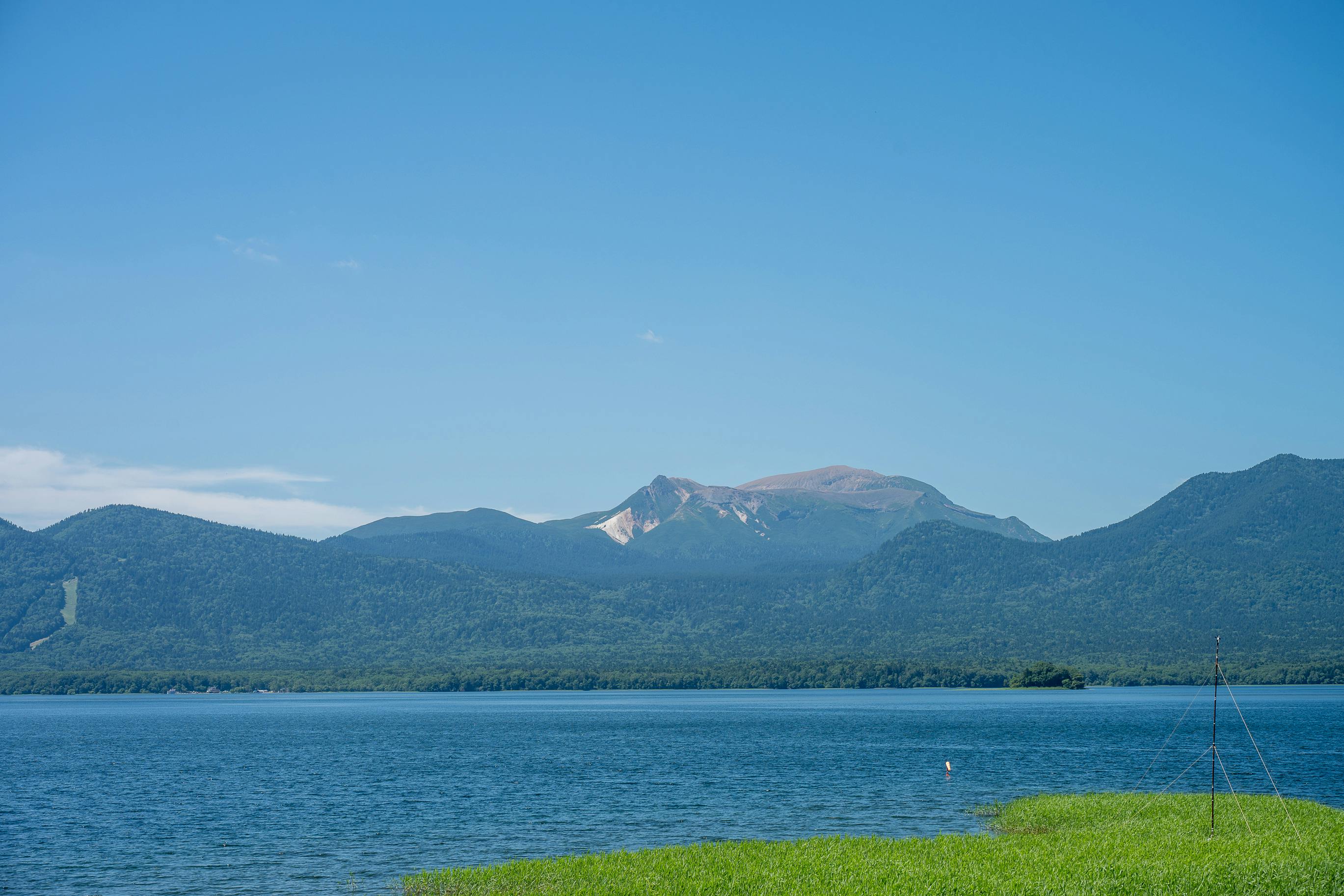
Lake Tazawa: Where Deep Blue Waters Meet Akita Mountain Culture
At 7:15 on an October morning, I pay 500 yen for a small breakfast at Tazawako Station and catch the first bus toward Lake Tazawa. The air smells of wet leaves and coffee. Twenty minutes later, the lake appears between the trees, much bluer than photographs suggest. Lake Tazawa is Japan's deepest lake, and its steep sides make the water look almost ink-dark near the center. The road around it is easy to follow, with small shrines, viewpoints, fishing boats, and a few restaurants along the shore. I spend the morning moving slowly between stops, warming my hands around canned tea whenever the wind picks up. Lake Tazawa is not a place for a packed schedule. Public transport reaches the main sights, but a car gives you more freedom and saves waiting time. The lake works well as a day trip from Kakunodate, though staying nearby reveals a quieter side after the final buses leave.
Why Lake Tazawa Matters
Lake Tazawa has long held an important place in Akita's landscape and local stories. Its unusual depth, nearly 424 meters, keeps the water dark and cool even on bright days. The lake is also linked with Tatsuko, a young woman from local legend who sought eternal beauty and was transformed into a dragon. The golden Tatsuko statue on the western shore is now the area's most recognizable landmark.
The legend appears in several forms, and different villages tell slightly different versions. That variation is part of the appeal. This is not a polished story with one fixed ending. It belongs to the communities around the lake, where farming, hot springs, mountain worship, and seasonal work still shape daily life.
Lake Tazawa also sits close to Nyuto Onsen and the former samurai town of Kakunodate, making it a useful base for exploring eastern Akita. The local food deserves attention too. Try kiritanpo, grilled rice shaped around a stick, along with mountain vegetables and Akita chicken.
The honest drawback is scale. The lake itself is beautiful but has few major attractions, and some visitors may find a full day too long without a car or a hot-spring stay. Rain can also flatten the views. Check the forecast before paying for a long taxi ride.
The Best Time to Experience Lake Tazawa
April 20 to May 31: Daytime temperatures usually range from 12°C to 21°C, or 54°F to 70°F. Spring greenery arrives gradually, and the lakeside is generally quiet. Mountain roads near Nyuto Onsen may still have snow.
June 1 to July 15: Expect about 18°C to 27°C, or 64°F to 81°F. This is a comfortable period for walking and cycling, although rainy days can limit distant mountain views.
July 20 to August 31: Temperatures often reach 24°C to 31°C, or 75°F to 88°F. School holidays bring more domestic visitors, and the lakeside can feel crowded around midday. Start early.
September 15 to November 5: Daytime temperatures fall from roughly 22°C to 11°C, or 72°F to 52°F. October is the strongest month for autumn color, clear air, and comfortable sightseeing. Bring layers for the water's edge.
November 15 to March 31: Temperatures generally sit between -2°C and 7°C, or 28°F to 45°F. Snow can make the circular lake road difficult, and some attractions reduce their hours. The lake remains striking, but winter travel requires flexible plans.
For most travelers, October 1 to October 25 offers the best balance of color, access, and daylight. Visit the eastern shore before 10:00 a.m., then continue toward the western side after lunch.
Approximate Budget for a 7-Day Trip to Lake Tazawa
- Accommodation: ¥48,000 to ¥105,000 for six nights in a simple hotel, guesthouse, or ryokan. A hot-spring inn with two meals can cost ¥20,000 to ¥40,000 per night.
- Food: ¥35,000 to ¥63,000 for breakfasts, casual lunches, dinners, drinks, and several local specialties.
- Transport: ¥18,000 to ¥50,000 for trains, buses, local taxis, and one or two days of rental-car use. A full-week rental costs more.
- Attractions: ¥4,000 to ¥12,000 for boat rides, museums, hot-spring day visits, and small admission fees.
- Miscellaneous: ¥8,000 to ¥18,000 for snacks, souvenirs, lockers, parking, and drinks.
Estimated total: ¥113,000 to ¥248,000 per person for seven days, excluding transport to Akita Prefecture. Taxi rides around the lake are often overpriced, especially when buses are still running. Use the local sightseeing bus for the main loop and reserve a car for the days involving Nyuto Onsen or remote mountain roads.
Essential Lake Tazawa Experiences
- See the Tatsuko Statue: The gold-colored figure stands in the water near the western shore and connects the lake with its best-known legend.
- Take the Lake Tazawa sightseeing boat: The ride gives a useful sense of the lake's scale and usually lasts around 40 minutes. Services may stop during bad weather.
- Visit Gozanoishi Shrine: This small red shrine beside the water is associated with Tatsuko and has a striking setting among the trees.
- Walk the lakeside viewpoints: Stop at Katajiri, Shirahama, and the Tatsuko statue area for different views of the shoreline and mountains.
- Try local Akita food: Order kiritanpo, miso-coated grilled rice, or dishes made with Hinai chicken at a lakeside restaurant.
- Relax at a nearby hot spring: Nyuto Onsen is the most famous choice, while Tazawako Kogen offers easier access from the lake area.
- Cycle a short section of the shore: The road is manageable in parts, but skip cycling if strong wind, rain, or heavy traffic makes the route uncomfortable.
Hidden Gems Most Travelers Miss
- 御座石神社's smaller shoreline paths: Walk beyond the main shrine gate for quieter water views and fewer tour groups.
- Katakuri flowers near Tazawako Kogen: In spring, local woodland paths may show colonies of delicate purple flowers.
- Lake Tazawa Herb Garden: A modest stop for seasonal plants, handmade products, and a break from the main road.
- Yokote Castle Observatory: Farther away but rewarding when paired with a wider Akita itinerary and clear weather.
- Akita Komagatake trailheads: Hikers often focus on the summit routes and miss the lower forest paths near the mountain resorts.
- Tazawako Art Village: A useful rainy-day alternative with craft displays and regional cultural exhibits.
- The lake loop at midday: This is the overrated part of the experience. Bus groups arrive, restaurants fill quickly, and the best atmosphere usually returns after 3:00 p.m.
Cultural & Practical Tips
- Carry cash for buses, small restaurants, shrine offerings, and rural lockers. Card payment is not universal.
- Tourist mistake: assuming every bus runs hourly. Check the return service before leaving Tazawako Station.
- Tourist mistake: wearing only light clothing in autumn. The lake wind feels much colder than the temperature suggests.
- Ask before photographing people at shrines, small festivals, or private hot-spring facilities.
- Remove shoes at ryokan entrances and follow the bathing rules carefully. Towels do not go into the bathwater.
- Do not feed birds or fish around the lake. Some areas have local restrictions and the practice creates problems for wildlife.
- Book accommodation early for October weekends, public holidays, and winter hot-spring trips.
Essential Visitor Information
Location & Access: Lake Tazawa is in Senboku City, Akita Prefecture, Japan. A practical reference point is Tazawako Station, located at 〒014-1201 Akita, Senboku, Tazawako Obonai, with approximate coordinates of 39.7006° N, 140.7297° E. The station is about 25 kilometers from the lake's main sightseeing area. The three easiest options are the Ugo Kotsu bus from Tazawako Station, a rental car from the station, or a taxi for selected stops. Akita Shinkansen trains reach Tazawako Station from Tokyo in about three hours.
Tickets & Booking: Access to the lake and shoreline is free. Sightseeing boat tickets usually cost around ¥1,400 to ¥1,600 for adults, depending on the operator and season. Gozanoishi Shrine has no admission fee. Booking is not normally needed for the lake or shrine, but boat services, rental cars, hot-spring inns, and festival events may require advance arrangements.
Operating Hours: The lake is open at all times. Sightseeing boats generally operate from late April or May through October, commonly between 9:00 a.m. and 4:00 p.m., with weather-related changes. Shrine grounds are accessible during daylight, while nearby museums and shops usually close between 4:00 p.m. and 5:00 p.m.
Visit Duration: Allow at least three hours for the main lake loop. A recommended visit lasts one full day, or two days if you include a hot-spring stay, hiking, and slower meals.
Family Suitability: Lake Tazawa works well for children who enjoy boats, legends, and open scenery. The main lakeside stops are stroller-friendly, but shrine paths, forest trails, and some viewpoints have steps or uneven ground. Toilets are available near major stops, though baby-changing facilities are limited outside the station and larger attractions.
Timing: October mornings are ideal for autumn color and clear water views. In summer, arrive before 9:30 a.m. to avoid heat and tour groups. Winter visits are best planned around a hot-spring stay, since snow can limit the lake loop and boat services.
Highlights: Tatsuko Statue, Gozanoishi Shrine, the sightseeing boat, Shirahama Beach, and Tazawako Kogen are the key stops.
Nearby & Day Trip: Nyuto Onsen, Kakunodate Samurai District, Akita Komagatake, and Tazawako Art Village are the strongest nearby additions. Lake Tazawa is possible as a day trip from Akita City or Kakunodate, but staying one night gives you better access to early morning views and local hot springs.
Conclusion: Travel with Patience, Not Just Scenic Views
Lake Tazawa rewards travelers who leave space in the itinerary. Its deep water and famous statue may draw you in, but the stronger memories often come from a quiet shrine, a bowl of grilled rice, or a cold walk beside the shore. The area is not perfect for rushed sightseeing. Buses are limited, winter access can be difficult, and some rides cost more than expected. Plan around those facts and Lake Tazawa becomes easier to enjoy. Check the final return bus, bring a warm layer, and keep one unplanned hour for the lakeside.
Post a Comment