Kakunodate: Where Samurai Code Meets Weeping Cherry Elegance
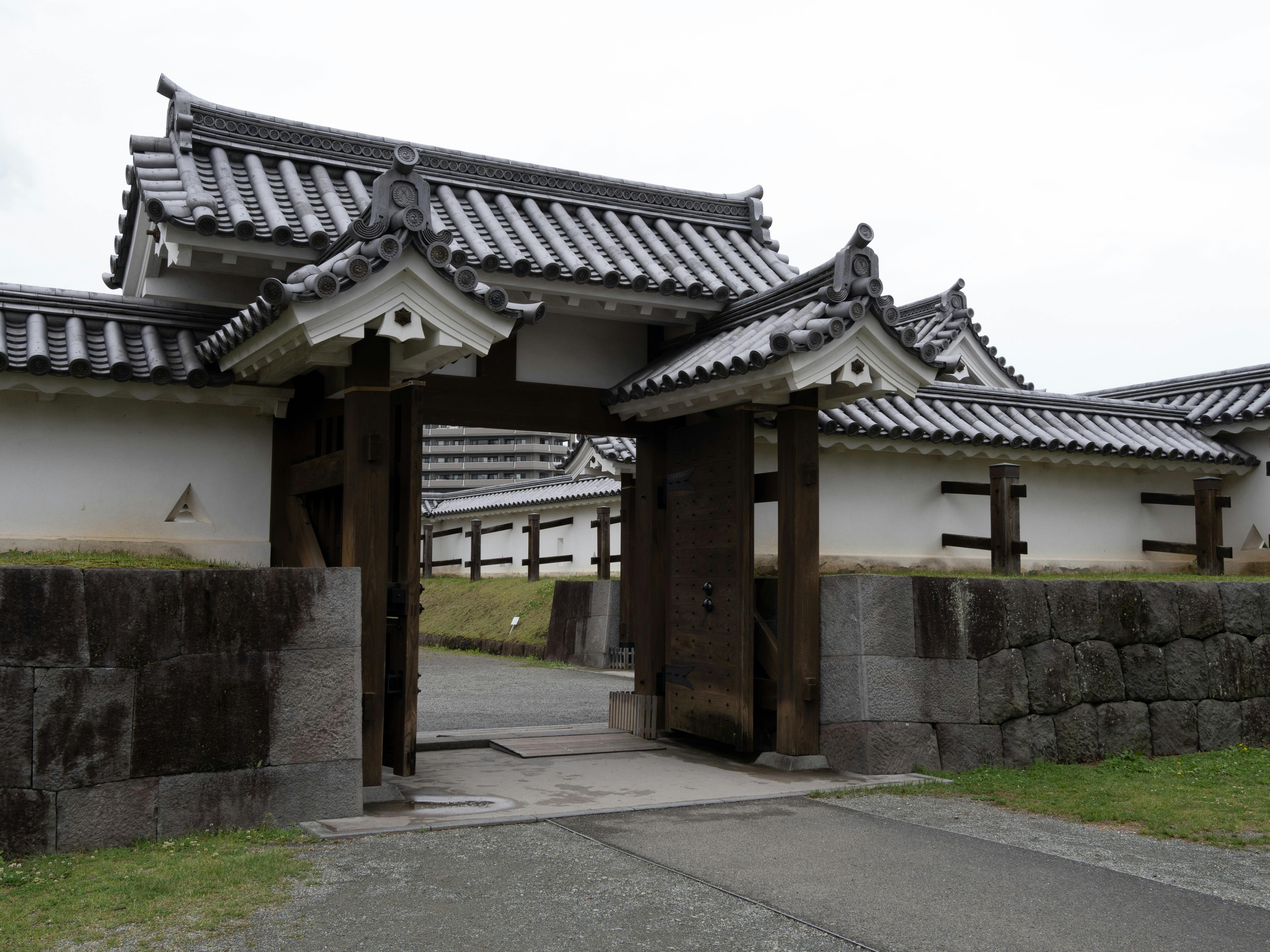
Kakunodate: Where Samurai Streets Meet Akita's Seasonal Beauty
At 8:05 on a cool October morning, I buy a 200-yen bottle of green tea from Kakunodate Station and walk toward the old samurai district. The streets are almost empty. Fallen leaves scrape across the pavement, and the dark wooden gates are still closed. Kakunodate feels different before the tour buses arrive. This former castle town is best known for its samurai residences, weeping cherry trees, and carefully preserved streets, but the town is not a museum frozen in time. People still live behind many of the gates, small shops serve local sweets, and bicycles roll past historic walls. I spend most of the day walking, with a short break for kiritanpo and miso soup near the central shopping street. Kakunodate is easy to visit from Tokyo by the Akita Shinkansen, yet it rewards a slower stay. One night is enough for the highlights. Two nights allow time for nearby hot springs, Lake Tazawa, and a quieter look at the town after visitors leave.
Why Kakunodate Matters
Kakunodate was established in the early seventeenth century as a castle town under the Ashina clan. After the Satake family moved into the area, the town developed into an important political and cultural center in northern Japan. Its layout still reflects that past, with the samurai district to the north and the merchant area closer to the station.
The samurai district is the main reason people come. Thick earthen walls, black wooden fences, broad gateways, and old gardens line several streets. Six residences are open to visitors, including the Aoyagi House and Ishiguro House. Each offers a different view of status, family life, craft, and architecture. Some homes feel formal and grand. Others are much simpler.
Kakunodate is also famous for its weeping cherry trees, many of which were planted during the Edo period. Spring brings large crowds, while autumn adds copper-colored leaves to the old streets and gardens. Local food gives the visit more depth. Try Hinai chicken, kiritanpo, pickled vegetables, and sweets made with regional rice.
The main criticism is that the historic district can feel crowded and commercial during peak blossom season. Souvenir shops appear on nearly every busy route, and some residence admissions seem expensive for a short visit. Come early, walk beyond the central streets, and choose one or two houses rather than paying to enter everything.
The Best Time to Experience Kakunodate
April 20 to May 10: Daytime temperatures usually range from 12°C to 21°C, or 54°F to 70°F. Cherry blossoms may be at their best during this period, but timing changes each year. Expect crowded trains, full hotels, and higher room rates.
May 15 to June 30: Temperatures generally sit between 17°C and 26°C, or 63°F and 79°F. The town is quieter, walking conditions are comfortable, and greenery fills the samurai gardens. Rain showers are possible, so pack a compact umbrella.
July 15 to August 31: Expect about 23°C to 31°C, or 73°F to 88°F. Summer can feel humid, especially on streets without much shade. Start sightseeing before 9:00 a.m. and take a long lunch break during the hottest hours.
October 15 to November 10: Daytime temperatures fall from approximately 18°C to 10°C, or 64°F to 50°F. Autumn color can be excellent around the residences and nearby mountains. Mornings are cold, and daylight fades earlier than many visitors expect.
December 1 to March 20: Temperatures often range from -3°C to 5°C, or 27°F to 41°F. Snow changes the town's appearance, but icy roads and shortened hours make planning harder. Wear waterproof shoes and allow extra time between stops.
The best overall period is May 15 to June 30 or October 15 to November 5. Arrive before 9:00 a.m. for the quietest streets. During blossom season, reserve accommodation several months ahead.
Approximate Budget for a 7-Day Trip to Kakunodate
- Accommodation: ¥49,000 to ¥112,000 for six nights in a business hotel, guesthouse, or traditional inn. Prices rise sharply during cherry blossom season.
- Food: ¥35,000 to ¥63,000 for breakfast, casual lunches, dinners, drinks, snacks, and several local dishes.
- Transport: ¥18,000 to ¥45,000 for the Akita Shinkansen, local trains, buses, and one or two taxi rides. A rental car costs more but helps with Lake Tazawa and hot-spring villages.
- Attractions: ¥4,000 to ¥10,000 for samurai residences, small museums, gardens, and cultural displays.
- Miscellaneous: ¥8,000 to ¥18,000 for souvenirs, lockers, coffee, bicycle hire, and convenience-store purchases.
Estimated total: ¥114,000 to ¥248,000 per person for seven days, excluding international flights. A private taxi tour is usually overpriced for Kakunodate itself. Walk the old district, use local buses for longer trips, and save taxi money for remote hot springs or an evening return.
Essential Kakunodate Experiences
- Walk the Samurai District: Follow Bukeyashiki Street from the northern gate toward the old residences. The strongest details are often the fences, rooflines, and gardens rather than the large buildings.
- Visit Aoyagi House: This large compound contains historic rooms, displays, gardens, and craft exhibits. It is the best choice if you only have time for one residence.
- Enter Ishiguro House: The house offers a more intimate look at samurai family life and remains connected with the same family line.
- See the weeping cherry trees: Visit the old samurai streets in spring or return in autumn for a different mood and fewer crowds.
- Explore the merchant district: Look for traditional shops, miso producers, rice snacks, and small cafés along the streets near the station.
- Try local Akita dishes: Order kiritanpo, Hinai chicken, or inaniwa udon. Portions can be modest, so plan a snack later.
- Visit Kakunodate Festival Exhibition Hall: Large festival floats and local history displays explain the town's annual celebrations. Skip it if you prefer gardens and architecture over cultural exhibits.
Hidden Gems Most Travelers Miss
- Matsumoto Family Residence: A quieter historic home with a simple garden and fewer visitors than the most famous properties.
- Kakunodate Kabazaiku Denshokan: Learn about cherry-bark craft and see finely made boxes, trays, and decorative pieces.
- Ando Jozo Brewery: A long-running maker of miso and soy sauce where the smell of fermented ingredients fills the shop.
- Hirafuku Memorial Art Museum: A small museum dedicated to artists connected with Kakunodate and the Hirafuku family.
- Hinokinai River embankment: A pleasant walking route near the cherry trees, with more room to breathe than the central samurai streets.
- Kakunodate Local History Museum: Useful for understanding the town's layout, clans, festivals, and daily life.
- Aoyagi House gift area: The main residence is worthwhile, but the gift section is overrated and often more expensive than nearby local shops.
Cultural & Practical Tips
- Many historic residences have raised thresholds, narrow passages, and uneven floors. Wear shoes that are easy to remove.
- Tourist mistake: entering private homes or photographing residents through open gates. Historic streets are still residential areas.
- Tourist mistake: arriving at noon during blossom season and expecting immediate restaurant seating. Eat early or reserve ahead.
- Carry cash for small cafés, local buses, admission fees, and traditional shops.
- Keep noise low around the samurai district. The old houses are cultural sites, but they are also part of a living neighborhood.
- Snow can cover sidewalks from December through March. Waterproof shoes are more useful than stylish sneakers.
- Try regional foods before buying large souvenirs. Kiritanpo, miso, rice crackers, and pickles travel well.
Essential Visitor Information
Location & Access: Kakunodate is in Senboku City, Akita Prefecture, Japan. A practical reference point is Kakunodate Station, located at 〒014-0316 Akita, Senboku, Kakunodate-machi, with approximate coordinates of 39.5907° N, 140.5691° E. The station is about 1.5 kilometers from the center of the samurai district. The three easiest transport options are the Akita Shinkansen from Tokyo or Morioka, a local bus from Kakunodate Station, or a rental bicycle or taxi for the short journey into town.
Tickets & Booking: Walking the historic streets is free. Individual samurai residence admission commonly costs between ¥400 and ¥600, while combination tickets for several houses generally cost around ¥1,000. Kakunodate Festival Exhibition Hall usually charges a small admission fee of around ¥300. Booking is not normally needed for daytime sightseeing, but hotels and trains should be reserved during cherry blossom season.
Operating Hours: Many samurai residences and museums generally open from 9:00 a.m. to 5:00 p.m., with final admission around 4:30 p.m. Some sites shorten their hours in winter or close for maintenance. Shops often open later than the residences and may close around 4:00 p.m. or 5:00 p.m.
Visit Duration: Allow at least three hours for the main samurai district. A recommended visit lasts one full day, while two nights allow time for the merchant area, museums, local food, and a nearby hot-spring trip.
Family Suitability: Kakunodate works well for families interested in gardens, traditional houses, and local history. The main streets are fairly easy with a stroller, but indoor residences may have steps, tight spaces, and floors unsuitable for large strollers. Toilets are available near the station and major attractions, though baby-changing facilities are not found everywhere.
Timing: Visit between mid-May and late June for mild weather, or from mid-October to early November for autumn color. Arrive before 9:00 a.m. during blossom season. Late afternoon is quieter, but some houses and museums may already be closing.
Highlights: Bukeyashiki Street, Aoyagi House, Ishiguro House, Hinokinai River embankment, and Kakunodate Festival Exhibition Hall are the key stops.
Nearby & Day Trip: Lake Tazawa, Nyuto Onsen, Tazawako Kogen, and the Kakunodate craft museums are the best nearby additions. Kakunodate is an easy day trip from Morioka or Akita by train, but staying overnight makes the historic district more enjoyable before and after the daytime crowds.
Conclusion: Travel with Context, Not Just Old Streets
Kakunodate is more than a collection of preserved samurai houses. Its streets show how power, craft, family life, farming, and seasonal change shaped a town in northern Japan. The visit feels richer when you notice small details: a handmade fence, a family name on a gate, or the smell of miso from a shop near the station. Peak blossom weekends can be expensive and crowded, so timing matters. Walk early, carry cash, and leave room for a slow local lunch. If you stay one night, would you choose a traditional inn or a simple hotel near the station?
Post a Comment