
Temple of Heaven: Where Sacred Ritual Meets Celestial Architecture
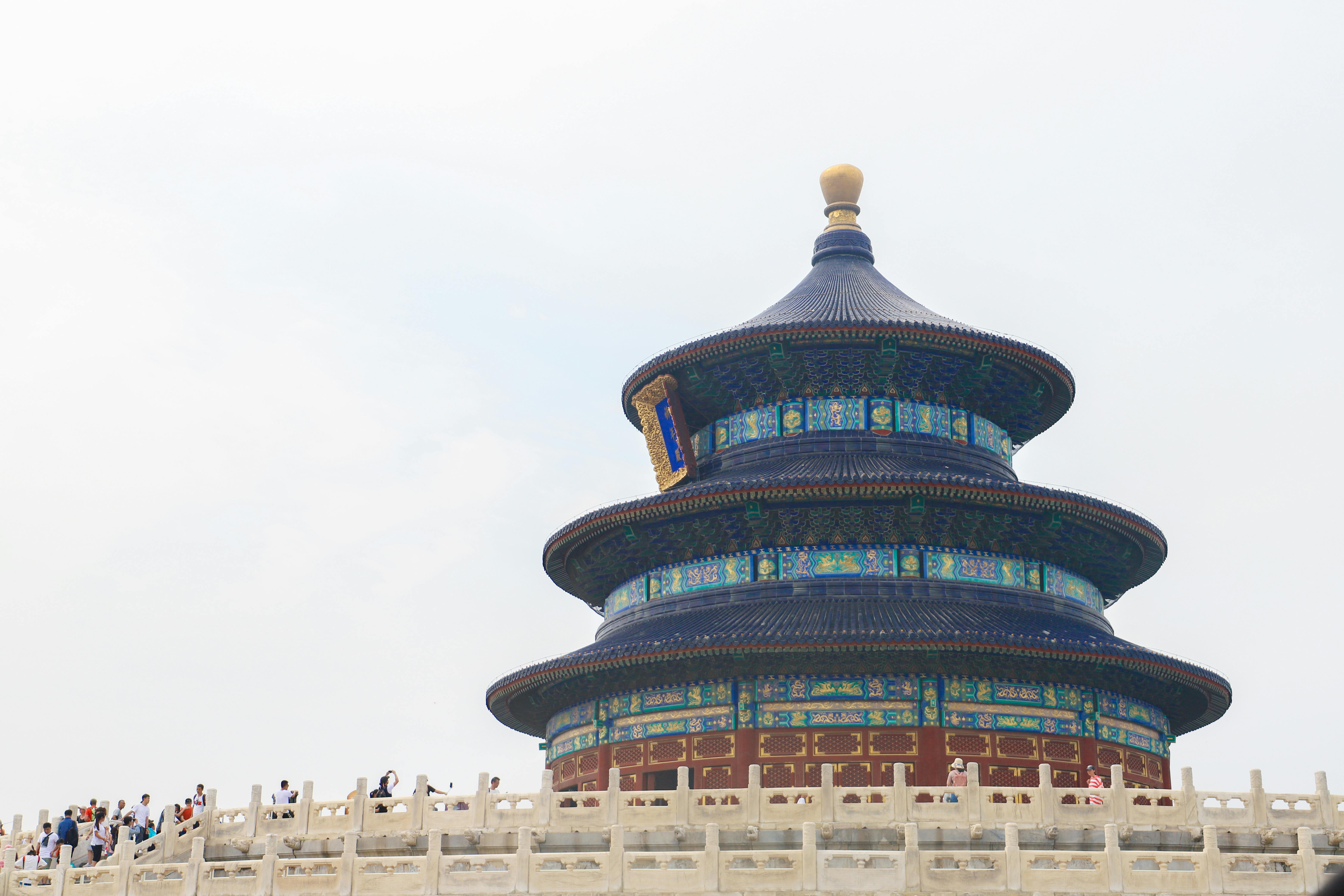
Golden hour bathes the triple-eaved, cobalt-tiled dome of the Hall of Prayer for Good Harvests—38 meters (125 feet) of intricate timber engineering rising without a single nail—as the last rays of sun filter through ancient cypress groves planted during the Ming dynasty. You hear the soft rustle of silk robes from tai chi practitioners moving in synchronized grace across the 267-hectare park, the distant chime of temple bells echoing across the Vermilion Steps, and the whisper of wind through 3,600 precisely aligned wooden components that have withstood six centuries of seasons. This is not merely a temple complex; it is a cosmological masterpiece where emperors once communed with heaven on the winter solstice, a UNESCO World Heritage Site that embodies the ancient Chinese belief in harmony between humanity and the cosmos. Standing on the Circular Mound Altar's central marble slab, you feel the profound intentionality of a space designed to bridge earth and sky—and the enduring responsibility to preserve its spiritual resonance for generations yet to come.
Why the Temple of Heaven Embodies Cosmic Harmony
Constructed between 1406 and 1420 under the Yongle Emperor and expanded by the Qianlong Emperor in 1749, the Temple of Heaven was engineered to solve a singular imperial need: to create a sacred stage where the Son of Heaven could perform precise rituals ensuring agricultural abundance and dynastic legitimacy. Every measurement carries celestial symbolism—the circular northern section representing heaven, the square southern section symbolizing earth; the Hall of Prayer's 28 massive nanmu pillars corresponding to lunar mansions and stellar constellations; the Circular Mound's nine concentric rings of marble echoing the nine levels of heaven. The Hall of Prayer for Good Harvests employs a sophisticated dougong bracket system that distributes seismic forces while supporting its 38-meter height; its blue-glazed tiles—reserved exclusively for heavenly structures—were fired using techniques requiring 13 precise temperature stages. The Imperial Vault of Heaven's famous Echo Wall, with a 61.5-meter diameter and acoustic properties allowing whispers to travel 120 meters, demonstrates advanced understanding of sound physics. This complex fulfilled its purpose so completely that 24 Ming and Qing emperors performed solstice ceremonies here for 494 years, making it the most complete surviving example of China's sacrificial architecture.
The Best Time to Experience the Temple of Heaven
For optimal conditions, target April 15–May 28 or September 18–October 30, when daytime temperatures range 17–25°C (63–77°F) with low humidity and clear skies that accentuate the temple's vivid blue tiles. Arrive at the East Gate between 7:00–8:30 AM to witness local elders practicing calligraphy with water brushes on stone pavements and tai chi groups moving in dawn light—experiences that vanish by mid-morning when tour buses arrive. Avoid July 10–August 25, when temperatures reach 30–36°C (86–97°F) with high humidity and frequent afternoon thunderstorms, and October 1–7 (National Day holiday), when domestic tourism peaks and the park exceeds 50,000 daily visitors. Winter visits (December–February) offer magical frost-dusted cypresses but require preparation for sub-zero temperatures averaging -5°C (23°F). Entry requires separate tickets: park access ¥15 ($2), full complex access ¥35 ($5). Note: the complex closes at 5:30 PM year-round; last entry is 4:30 PM.
Approximate Budget for a 7-Day Trip
Pricing methodology reflects mid-range travel with authentic local experiences, excluding international flights. Costs quoted in Chinese Yuan (CNY/¥) with USD equivalents (¥7.2 ≈ $1 USD).
-
• Accommodation: ¥420–¥880 ($58–$122) per night for a boutique hotel or upscale guesthouse in Dongcheng District, within 20 minutes' walk of the Temple of Heaven
• Food: ¥170 ($24) per day: breakfast ¥28 ($4) for baizi (steamed buns) and sweet soy milk; lunch ¥58 ($8) for hand-pulled noodles or zhajiangmian at a local eatery; dinner ¥84 ($12) for Peking duck sharing platter or vegetarian Buddhist cuisine with jasmine tea
• Transportation: Subway single-ride fares ¥3–¥7 ($0.40–$1); Airport Express ¥25 ($3.50); DiDi ride from airport to city center ¥115–¥170 ($16–$24); 7-day transportation card deposit ¥20 ($3)
• Attractions: Temple of Heaven park entry ¥15 ($2); full complex access ¥35 ($5); Forbidden City adjacent visit ¥60 ($8); Jingshan Park entry ¥2 ($0.30); traditional acrobatics show ¥180 ($25)
• Miscellaneous: Audio guide rental ¥40 ($5.50); traditional tea ceremony experience ¥110 ($15); silk fan souvenir ¥70–¥180 ($10–$25); travel insurance ¥48 ($7)
Total estimated budget: ¥7,000–¥10,200 ($970–$1,420) for one person
6 Essential Temple of Heaven Experiences
- Walk the Vermilion Steps at Sunrise: Enter through the East Gate at 7:15 AM and proceed directly to the Hall of Prayer for Good Harvests. Ascend the three-tiered marble terrace as morning light illuminates the golden phoenix motifs on balustrades; pause on each level to absorb the symmetrical grandeur before crowds arrive.
- Experience the Echo Wall's Acoustics: At the Imperial Vault of Heaven, stand at one end of the 61.5-meter circular wall while a companion whispers at the opposite point. Visit between 9:00–10:00 AM when ambient noise is lowest; the phenomenon works best with soft-spoken voices and minimal wind.
- Stand on the Circular Mound's Central Stone: Position yourself precisely on the heart-shaped marble slab at the center of the three-tiered altar. Speak softly to feel the acoustic amplification designed for imperial prayers; visit during late afternoon when sidelight accentuates the nine concentric rings of carved dragons.
- Observe Local Morning Rituals: Wander the cypress-lined pathways between 7:30–9:00 AM to witness elders practicing tai chi, water calligraphy, and traditional dance. Maintain respectful distance; many practitioners welcome quiet observers who ask permission before photographing.
- Photograph the Hall of Prayer's Interior: Inside the hall (included with full-complex ticket), capture the intricate caisson ceiling with its golden dragon coiling around a pearl. Use a wide-angle lens; flash photography is prohibited, so increase ISO settings for low-light conditions.
- Attend the Sunset Bell Ceremony (Seasonal): During spring and autumn festivals, the temple hosts traditional bell-ringing performances at 4:30 PM near the Divine Kitchen. Check www.visitbeijing.com.cn for schedules; arrive 30 minutes early to secure viewing positions near the bronze bell weighing 2,500 kilograms.
3 Hidden Gems Most Travelers Miss
-
• Seven-Star Stone Group at Dusk: Located in the western grove, this arrangement of seven meteorites (believed to be fallen stars) is rarely crowded. Visit around 4:45 PM when golden light filters through cypress branches; the stones' pitted surfaces create dramatic shadows. Insider tip: Local astronomers occasionally host informal stargazing sessions here—ask at the visitor center for monthly schedules.
• Imperial Fasting Palace Courtyard: This secluded residence where emperors purified before ceremonies features quiet gardens and subtle murals. Access via the inner western passage; visit on weekday afternoons when tour groups focus on main temples. The adjacent stone tablet pavilion houses inscriptions detailing ritual protocols from 1530.
• Traditional Medicine Herb Garden: Tucked behind the Divine Kitchen, this small plot cultivates herbs used in imperial wellness practices. Enter via the service gate (ask staff politely); open Tuesday and Thursday mornings 9:00–11:00 AM. A resident herbalist offers brief demonstrations of traditional preparation techniques—bring small cash for optional donations.
Cultural & Practical Tips
-
• Respectful photography: Tripods require advance permits; handheld photography is permitted in courtyards but prohibited inside exhibition halls. Always ask before photographing practitioners engaged in tai chi or calligraphy.
• Local phrases: Learn "Xièxie" (SHYEH-shyeh = thank you) and "Zhèlǐ zhēn měi" (jurr-lee jen may = this place is beautiful). Pronounce with rising tone on final syllables for clarity.
• Footwear matters: You'll walk 5–8 kilometers on uneven stone pathways and grass; wear supportive, broken-in shoes with non-slip soles, especially after rain.
• Carry your passport: Ticket purchases and audio guide rentals require original passport verification. Keep it secure but accessible in a neck pouch.
• Weather preparedness: Beijing's air quality fluctuates; download the AirVisual app. In spring, carry a light scarf for dust winds; in winter, layer thermal wear beneath a windproof jacket.
• Cultural etiquette: Speak softly in sacred spaces; never touch ritual artifacts or lean on historic railings. When passing through ceremonial doorways, step over thresholds rather than on them—a traditional sign of respect.
• Dining timing: Lunch crowds at nearby Tiantan East Road peak 12:00–1:30 PM; eat at 11:15 AM or 2:15 PM for shorter waits and more attentive service.
Conclusion: Travel with Reverence, Not Just Sightseeing
The Temple of Heaven does not yield its wisdom to hurried footsteps. To truly engage with this sacred landscape, slow your pace—linger where cypress shadows dance on marble; pause to feel the cool stone beneath your palm; listen for the echo of centuries in a quiet courtyard. Your visit becomes an act of cultural stewardship when you choose mindful observation over checklist tourism, when you honor the site's spiritual purpose by respecting its tranquility, when you carry home not just photos but a deeper appreciation for humanity's enduring quest for harmony. This complex has preserved its solemn beauty through dynasties and revolutions because each generation recognized its value beyond spectacle. As you depart beneath the ancient cypresses, let your final intention be this: we are temporary guests in a dialogue between earth and sky. Travel with reverence—not just to see, but to understand; not just to visit, but to honor.