
Yokote Kamakura Festival: Where Snow Shrines Meet Candlelight Prayer
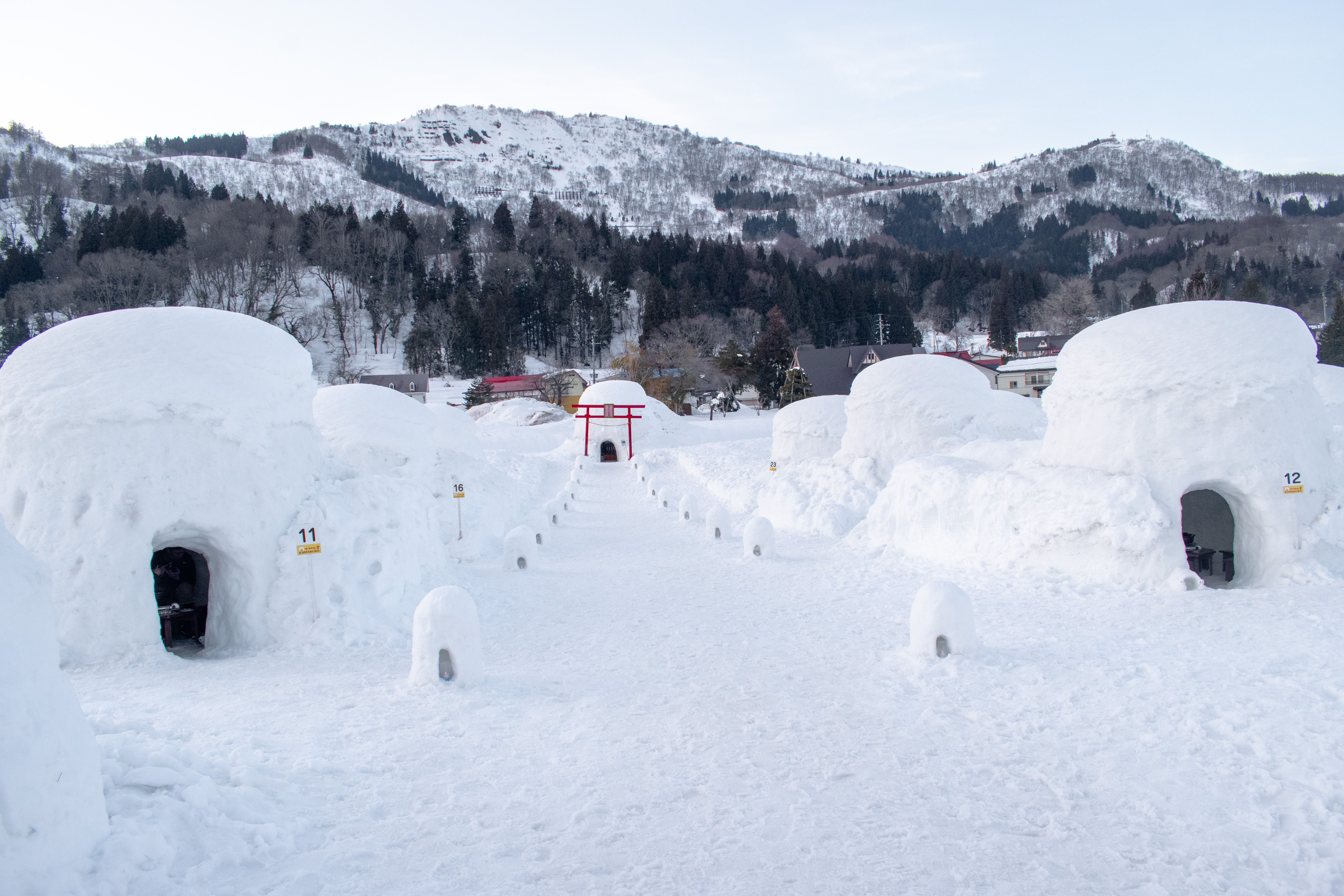
The snow creaks under your boots at 7:00 PM, the temperature dropping to -8°C (18°F) as you walk the frozen streets of Yokote City. Then you see them—hundreds of domed structures, each 2 meters (6.6 feet) tall, carved from the winter's deepest drifts, their hollow interiors glowing with amber candlelight. Children in cotton kimonos kneel inside, their faces illuminated as they chant a sing-song invitation: "Zagozagozo, odema o koi!" (Welcome, please come in!). This is the Yokote Kamakura Festival, a 400-year-old tradition designated an Important Intangible Folk Cultural Property of Japan. Every February 15–16, the rice-farming city of Yokote in Akita Prefecture erects 80 kamakura (snow huts) across 10 locations, each a miniature Shinto shrine honoring Suijin, the water deity who protects rice paddies . The festival's origin: children once built snow caves to hide from the winter snow monsters (yuki-onna), then offered amazake (sweet fermented rice drink) to appease the spirits. Today, the tradition survives as a prayer for abundant water in the coming spring—each kamakura containing an altar to the water god, where locals offer sweet sake and kagami-mochi (rice cakes) as thanks for the winter snowmelt that will irrigate their fields. You are not visiting a festival; you are entering a frozen temple.
Why Yokote Kamakura Embodies Winter's Blessing and Childlike Faith
The kamakura solves an architectural problem: how to build a stable structure from a material that melts. The snow used is not fresh powder but shimobashira ("frost pillars")—snow that has partially melted and refrozen over weeks, forming dense, granular ice. Builders (mostly volunteer firefighters) pack this snow into wooden box forms, let it settle for 3 days at -5°C to -10°C (23°F–14°F), then carve out the interior with hand saws. The walls are 30–40 centimeters (12–16 inches) thick—thicker at the base—and can support 500 kilograms (1,102 pounds) on the roof. Inside, an altar holds kamidana (Shinto shelf) with a small torii gate carved from ice, offerings of mochi and dried squid, and a candle that burns for 6 hours. The children who sit inside—ages 8 to 12—are called kamakura-ko (kamakura children). They volunteer for 2 hours shifts, memorizing the invitation chant and serving amazake to visitors. The ritual trains them in Shinto etiquette: how to bow, how to pour without spilling, how to thank each guest individually. The festival solves the problem of keeping tradition alive in an aging community: every year, 160 children participate, learning the same chants their great-grandparents learned. In 2025, the festival served 12,000 cups of amazake .
The Best Time to Experience Yokote Kamakura Festival
The festival runs on a fixed calendar: February 15–16 annually, snow conditions permitting. Nighttime viewing is the main event: February 15–16 from 6:00 PM to 9:00 PM. Daytime activities (10:00 AM–3:00 PM) include kagura dance performances and snow sculpture contests. Temperatures during the festival average -5°C to -2°C (23°F–28°F) but can drop to -12°C (10°F) with wind chill. The best time for photography is 5:30 PM–6:00 PM (candles lit but sky still blue) and 6:00 PM–6:30 PM (full dark, candles at brightest). You should avoid February 15 from 6:30 PM–7:30 PM when the main kamakura field at the Yokote Riverbed reaches peak crowds (5,000+ people).. Note that the festival requires heavy snowfall; if the previous week's snow depth is below 50 centimeters (20 inches), the festival uses "backup kamakura" made of wood frames with snow sprayed on—still beautiful but not authentic. Check the website 5 days before for the "Kamakura Status" announcement.
Approximate Budget for a 7-Day Trip
This budget assumes a trip from Tokyo to Yokote via shinkansen and local train, staying in Yokote City or nearby Omagari. Prices are in Japanese Yen (¥) and US Dollars ($) at ¥150 to $1. Accommodation requires booking 4–6 months in advance for festival weekend.
- Accommodation: ¥9,000–¥25,000 ($60–$167) per night. Budget: Business Hotel Omagari (¥9,000, 20-min train from Yokote). Mid-range: Hotel Route-Inn Yokote Inter (¥14,000). Luxury: Yokote Plaza Hotel (¥25,000, includes festival shuttle).
- Food: ¥3,500 ($23) per day. Breakfast at konbini (¥600). Lunch: yokote yakisoba (¥1,200, local fried noodle specialty). Dinner: festival amazake (free) plus oden at outdoor stalls (¥1,500 for 5 items).
- Transportation: ¥35,000 ($233) total. Round-trip shinkansen Tokyo to Omagari on Komachi (¥15,000 each way, 3 hours). Local train Omagari to Yokote (¥300 each way, 20 minutes). Rental car for day trips (¥5,000/day).
- Attractions: ¥1,500 ($10) total. Kamakura Festival donation (¥500, recommended). Yokote Castle (free). Kamakura Museum (¥1,000).
- Miscellaneous: ¥3,500 ($23). Miniature kamakura lantern (¥800). Amazake home-brew kit (¥1,200). Snow rabbit souvenir (¥500, handmade by local children).
- Total Estimated Budget for 7 Days: ¥95,000–¥150,000 ($633–$1,000) per person, excluding international flights.
7 Essential Yokote Kamakura Festival Experiences
- Candlelit Kamakura Visit at Yokote Riverbed (free, February 15–16, 6:00 PM–9:00 PM): The main site features 30 kamakura arranged in rows along the frozen river. Each snow hut has a child host. You kneel to enter through the low doorway (1.2 meters/4 feet high), sit on a bamboo mat, and receive a cup of warm amazake (free). The child will ask your name (Onamae wa?) and invite you to pray at the altar. The candle flickers. The snow walls glow orange. The experience lasts 3 minutes. Then you crawl out, brushing snow from your knees, and the next visitor enters.
- Kamakura Museum Hands-On Snow Hut Building (¥1,000, 1:30 PM–2:30 PM, February 15–16): Adjacent to the main riverbed site, the Yokote Kamakura Museum offers 1-hour workshops for tourists. You pack snow into forms using shovels, then carve a mini kamakura (50 cm/20 inches tall). The instructor (a local firefighter) will show you how to shape the entrance arch. You keep your snow hut for 24 hours before it melts; photograph it before leaving. No reservation; arrive early (sign-up starts at 1:00 PM).
- Children's Chant Practice Session (free, February 15, 2:00 PM–3:00 PM): At the Yokote City Community Center, 50 kamakura-ko practice their invitation chant under the supervision of 80-year-old Mrs. Sato, who has trained children for 40 years. You can watch from the back of the hall. The children are nervous; some cry. The chant is in old Yokote dialect, almost incomprehensible even to modern Japanese speakers. Do not laugh. Clap softly at the end. Mrs. Sato will nod at you—that is your acknowledgment.
- Kagura Dance at Kamakura Shrine (free, February 15–16, 4:00 PM–5:00 PM): At the Kamakura Shrine (5-minute walk from the riverbed), a Shinto priest lights the first candle of the festival. Then 12 local teenagers perform Yokote Kagura—a masked dance depicting the legend of the snow princess (Yuki-hime) who spared a poor farmer's family because they shared their mochi with her. The dance includes a moment where the snow princess's white mask falls off, revealing the face of a 16-year-old girl. That is the moment parents weep.
- Night Snow Walk to Yokote Castle (6:30 PM–8:00 PM, free): From the riverbed, follow the lantern-lit path 1 kilometer (0.6 miles) uphill to Yokote Castle (reconstructed 1965). The castle grounds contain 5 small kamakura on the keep's foundation stones. The view from the castle hill overlooks the riverbed—80 glowing domes against the dark snow. The windchill at the castle is -15°C (5°F); wear a balaclava. The path is unlit except for candles in snow lanterns; bring a headlamp.
- Amazake Brewing Tasting at Yokote Sake Brewery (¥1,000, 2:00 PM–4:00 PM daily): At Akita Seishu brewery (10-minute walk from station), the fourth-generation brewmaster offers amazake made from 3-day-old rice koji. The festival's amazake is non-alcoholic (for children), but the brewery version has 8% alcohol—warm, sweet, and potent. You taste 3 varieties: plain, ginger, and yuzu citrus. The brewery also sells "Kamakura Limited" sake (¥1,800/300ml) bottled only for the festival. Cash only.
- Midnight Kamakura Lighting (February 15, 11:00 PM, requires special permission): The Yokote Tourism Association allows 20 visitors to stay after the public hours (10:00 PM) for a private viewing. You walk the empty riverbed with a retired kamakura-ko (now 70 years old) who tells stories of festivals past. The candles gutter low; the children have gone home. At 11:30 PM, you help extinguish the candles by pouring sand on each flame. The silence afterward is absolute. Permission requires emailing the association 2 months in advance (yokote.kanko@gmail.com). The cost: ¥2,000, covering the volunteer guide's thermos of tea.
3 Hidden Gems Most Travelers Miss
- The Abandoned Snow Cave of Yokote's "Old Town" (requires guide): In the hills behind the riverbed, a 1923 snow cave—built before electricity reached Yokote—is still maintained by the Sato family, whose grandfather dug it during a blizzard that killed 12 villagers. The cave is 5 meters (16 feet) deep, 2 meters (6.6 feet) high, and contains a Shinto altar carved directly into the ice wall. The family opens it only during festival week, and only if you knock on their door (the house at 2-3-15 Kamakura-machi) and ask "Mukashi no kamakura o misete kudasai" (Please show me the old kamakura). The grandson (age 55) will lead you behind his house to a wooden door in the hillside. Bring ¥1,000 donation; he will serve you shochu (25% alcohol) heated on a charcoal stove. No English.
- The Kamakura Graveyard of Failed Snow Huts: Behind the Yokote Fire Station, a fenced area contains the collapsed remains of past kamakura—30 to 40 lumps of snow-ice that melted and refroze into abstract shapes. The firefighters leave them as a reminder of impermanence. At dusk, the setting sun turns the graveyard pink and gold. Access: walk behind the fire station (permission not required, but the station chief will wave at you if he sees you—wave back). Best photographed February 14 (the day before the festival) when the graveyard is at its largest.
- Yokote's "Secret Kamakura" at Hachiman Shrine (February 16, 5:00 PM–6:00 PM only): One hour before the main festival ends, a single kamakura appears at Hachiman Shrine (15-minute walk from riverbed). It is built by 4 elderly sisters (ages 72–81) who have constructed their kamakura here for 50 years. Their snow hut is smaller (1.5 meters/5 feet tall) but more detailed: the altar has carved ice flowers, and the candle is a traditional rōsoku (beeswax) with a wick they braid themselves. They serve zenzai (sweet red bean soup with mochi) instead of amazake. The soup is ¥500; the sisters will pat your head if you finish the bowl. No one else knows about this kamakura—it is not listed on any map or website. Look for the red torii gate behind the shrine's main hall.
Cultural & Practical Tips
- Essential Kamakura Phrases: Enter a kamakura saying "O-jama shimasu" (I will intrude). Accept amazake saying "Itadaki-masu" (I humbly receive). When leaving: "Gochisō-sama deshita" (Thank you for the feast). To the child host, say "Sugoi ne, kowakunai?" (Amazing, aren't you scared?). They will blush.
- Kneeling Etiquette: You must kneel to enter the kamakura. Wear waterproof snow pants; the bamboo mat inside is small (60 cm x 60 cm/24"x24") and will get wet from snow melting off your clothes. Do not sit on the ice floor—it will freeze your tailbone in 2 minutes. Women in skirts: wear long underwear; the locals will stare (not disapprovingly, just confused).
- Cold Weather Survival: The real danger is not the -10°C (14°F) air but the wind. The Yokote Riverbed is exposed; the windchill dropped to -18°C (0°F) in 2024. Wear: thermal base layer, fleece mid-layer, down jacket, windproof shell. Three layers on legs: long underwear, fleece pants, snow pants. Two pairs of socks (thin wool + thick wool). Disposable hand warmers inside mittens (not gloves, mittens keep fingers warmer). The festival sells kamakura-chan hand warmers (¥300) shaped like snow huts. Buy three.
- Photography Guidelines for Inside Kamakura: No flash inside—it disturbs the child host and washes out the candle glow. Use ISO 3200–6400, aperture f/2.8 or wider. If your phone lacks manual controls, use Night Mode and brace against the snow wall. Do not ask the child to pose; they are volunteers, not models. The best inside photo is of the child's hands pouring amazake; ask permission first ("Te o satsuei shite mo ii desu ka?").
- Donation Etiquette: The festival is funded entirely by donations. A donation box is at each kamakura's exit (the child will bow as you leave). Standard donation: ¥100–¥500. If you cannot give coins, the child will not react—they are taught never to request money. However, the firefighters who build the kamakura will note your donation status (they stand at the field's edge). Generous donors (¥1,000+) receive a nod of respect. Miserly donors (¥0) receive no nod. The nod matters.
- Transportation After the Festival: The last local train from Yokote to Omagari departs at 9:42 PM. The festival ends at 9:00 PM. You will have 42 minutes to walk back to the station (15 minutes) and buy tickets. If you miss it, taxis cost ¥8,000 to Omagari and take 20 minutes—split with 4 people. The taxi stand is at Yokote Station's east exit; pre-book via your hotel if staying outside Yokote. Do not attempt to walk between cities; the roads are unlit and temperatures drop to -15°C (5°F) after midnight.
Conclusion: Travel With Warmth, Not Just Awe
The snow will melt. By March 1, the Yokote Riverbed will be bare gravel, the 80 kamakura collapsed into brown slush, the children back in school uniforms. That is the point. The festival lasts 48 hours—the same length of time it takes for a single candle to burn down. When you knelt inside that glowing dome, you entered a tradition built on impermanence: snow that must be rebuilt each year, children who age out of their roles, a chant passed from 8-year-olds to 8-year-olds for four centuries. The magic is not in the structure but in the act of building it. So as you brush the snow from your coat and board the train back to Tokyo, carry this: you were not just a tourist. For 3 minutes, you were a guest in a child's frozen shrine. You received warm sake from cold hands. You bowed to a god of water in a building made of water. That is not a memory you capture with a camera. That is a memory that captures you. Let it warm you on the long ride home.