
Aigüestortes National Park Glacial Lakes Meet Pyrenees Granite
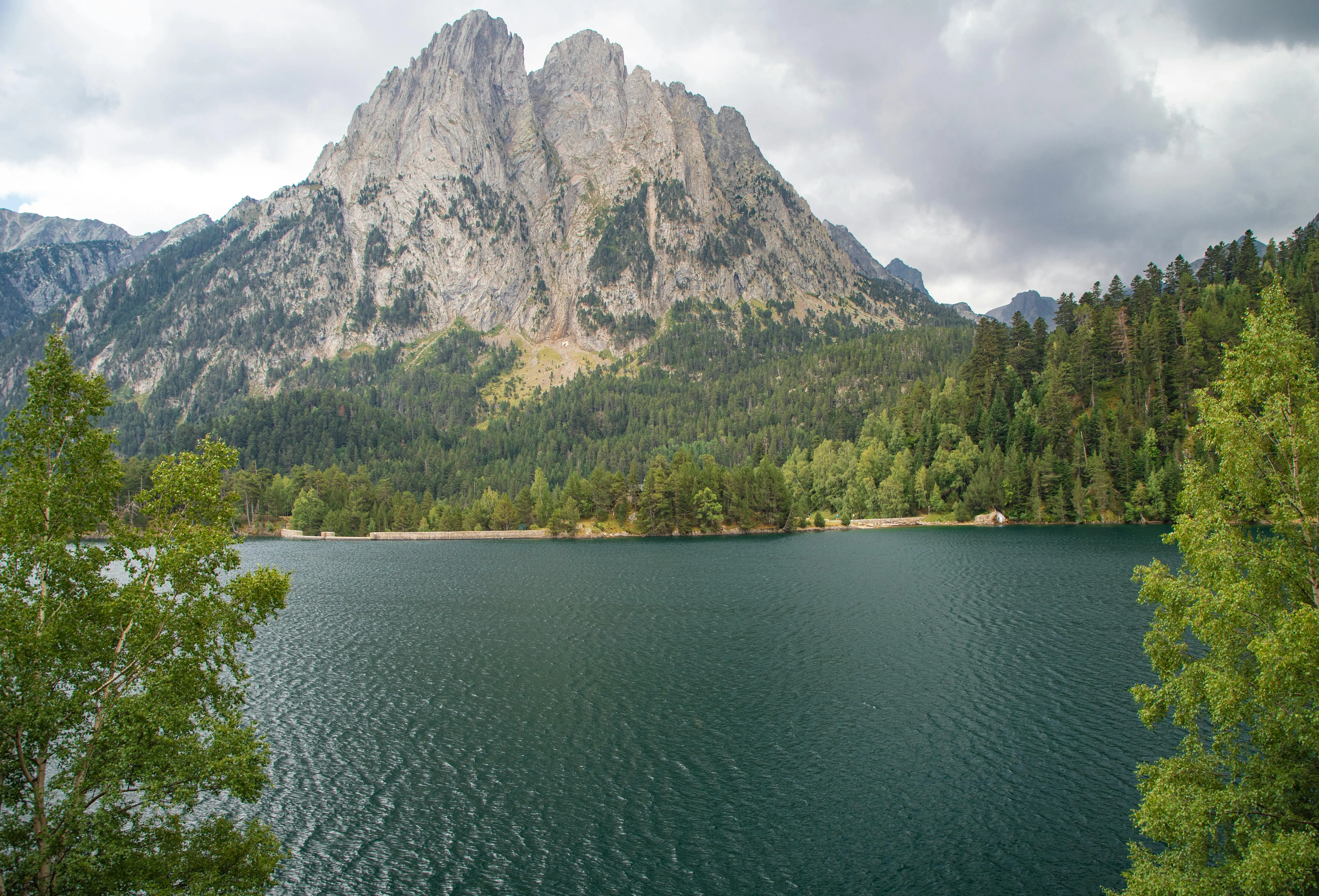
Mist rises from the surface of Estany de Sant Maurici as dawn breaks over the Pyrenees—light catching the serrated ridges of Els Encantats while the water remains glass-still, mirroring 2,746 meters of granite peak. You stand on the wooden boardwalk at 1,940 meters elevation, breathing air scented with pine resin and damp moss, listening to the distant rush of waterfalls feeding the park's 210 glacial lakes. This is Aigüestortes National Park, Catalonia's only national park, established in 1955 and expanded to 14,119 hectares in 1988 to protect the largest concentration of high-mountain lakes in the Iberian Peninsula. The silence here is profound, broken only by the whistle of marmots and the rhythmic splash of trout jumping in alpine tarns. In 2026, as climate change threatens high-altitude ecosystems across Europe, Aigüestortes matters because it preserves a fragile hydrological system where water shapes stone, where biodiversity clings to granite slopes, and where visitors learn that some landscapes demand reverence rather than conquest.
Why Aigüestortes National Park Embodies Pyrenees Conservation
The Aigüestortes National Park solves a critical ecological need: protecting the headwaters of the Noguera Pallaresa and Noguera Ribagorçana rivers within a landscape sculpted by Quaternary glaciers. This 14,119-hectare sanctuary represents the most complete glacial relief system in the Pyrenees, where U-shaped valleys, moraines, and cirques tell a 2.5-million-year story of ice and stone. The park's creation in 1955 addressed the urgent problem of unregulated hydroelectric development that threatened to flood the valley floor; today, it serves as a core zone for brown bear reintroduction, with an estimated 50+ individuals roaming the broader Pyrenees region.
Technical measurements reveal the scale of geological forces: the Estany de Llebreta sits at 2,110 meters elevation, while the highest peak, Comaloforno, rises to 3,029 meters. The park's name—Aigüestortes (twisted waters)—refers to the meandering streams that wind through the valley floor, creating oxbow patterns visible from aerial viewpoints. Conservation efforts, managed by the Generalitat de Catalunya, employ 38 rangers who monitor visitor impact, ensuring that the 300,000 annual visitors do not degrade the fragile alpine meadows where endemic species like the Pyrenean chamois (Rupicapra pyrenaica) graze. The park balances preservation with traditional pastoral use; 12 shepherd huts remain active during summer months, maintaining a cultural landscape that dates to the 11th century.
The Best Time to Experience Aigüestortes National Park
For optimal hiking conditions—when wildflowers blanket the valleys and high mountain passes are free of snow—target June 20–September 25. During these months, daytime temperatures at valley level (1,900 meters) range 16–24°C (61–75°F), while nights cool to 6–12°C (43–54°F). At higher elevations (2,500+ meters), expect temperatures 5–7°C cooler. For photography and solitude, arrive at the Boí entrance by 7:30–8:00 AM, before the 4x4 taxis fill the valley.
The golden hour before sunset—approximately 9:00–10:00 PM in June, 7:45–8:45 PM in September—casts alpenglow on the Encantats peaks, turning granite rose-gold. Visit Tuesday through Thursday to avoid weekend crowds from Barcelona and Lleida; Saturday mornings see visitor numbers exceed 1,500 people, triggering capacity closures at the 4x4 taxi stations. Avoid November 1–May 31 for high-altitude trekking, as snow closes the Refugi d'Estany Llong and many trails become dangerous without crampons. Winter access is limited to snowshoe routes near Boí.
Verify current trail conditions and 4x4 taxi schedules at the official Park website: https://parcsnaturals.gencat.cat/ca/inici or call the Information Center at +34 973 696 714.
Approximate Budget for a 7-Day Trip (2026)
This budget reflects mid-range travel with comfortable accommodations, quality dining, and outdoor experiences—based on 2025 pricing adjusted for Spain's projected 3.2% inflation rate for 2026. Aigüestortes sits in rural Catalonia; costs are moderate, but summer demand drives prices up in Boí and Espot.
Accommodation: €85–€170 per night
- Rural apartamento in Boí: €85–€120 (Apartaments Rurals Boí)
- Mid-range hotel in Espot: €130–€170 (Hotel Espot Ski)
- Mountain refuge (Refugi d'Estany Llong, half-board): €50–€60 per night
Food: €45–€75 per day
- Breakfast: €7–€12 (coffee, pastry, toast at Café del Poble)
- Lunch: €16–€28 (menú del dia: mountain stew, trout, or lamb with wine)
- Dinner: €22–€40 (traditional Catalan: canelons, roast kid, cheese, dessert)
Transportation:
- Rental car (7 days, compact): €260–€340 (essential for accessing both valleys)
- 4x4 taxi into park (mandatory summer): €12–€25 per person round-trip
- Bus Barcelona to Boí (ALSA): €28 one-way, 5 hours 30 minutes
- Fuel for regional exploration (380 km): €55–€65
Attractions & Experiences:
- Park entry: Free
- Guided hiking tour (full day): €50
- Information Center exhibition: Free
- Romanesque church tour (Boí Valley): €15 combined ticket
- Equipment rental (hiking poles, snowshoes): €18–€30
Miscellaneous:
- Local cheese (Formatge de l'Alt Urgell): €14–€22
- Souvenirs and maps: €25–€40
- Travel insurance (7 days, adventure coverage): €35–€55
- Emergency fund: €120 (recommended)
Total for 7 days (mid-range): €1,200–€1,650 per person (excluding international flights)
6 Essential Aigüestortes National Park Experiences
- Hike to Estany de Sant Maurici: This iconic route begins at the Espot entrance (1,940 meters) and follows the valley floor for 4 kilometers round-trip to the lake. The path is well-maintained, gaining 100 meters elevation over 1.5 hours one-way. You'll pass the Cascada de Ratera, where water plunges 20 meters over granite steps, and walk through ancient pine forests. Arrive by 8:00 AM to secure 4x4 taxi access; private vehicles are prohibited June–September. The return offers views of Els Encantats reflecting in mountain pools.
- Complete the Carros de Foc Circuit: For multi-day trekking, this 55-kilometer route connects nine mountain refuges around the park's perimeter. The full circuit takes 5–7 days, gaining 4,000 meters total elevation. Key sections include the climb to Refugi de Colomers (2,200 meters) and the descent into Vall de Boí. Book refuge beds 4 months ahead via Carros de Foc central reservation (+34 973 696 714). This experience connects you to the park's mountaineering history dating back to the 1970s.
- Explore the Vall de Boí Entrance: While Espot gets the fame, the Boí Valley offers dramatic waterfalls and easier access. Take the 4x4 taxi from Boí village to the Prat de Pierró parking area (2,000 meters). From here, hike 2 kilometers to Estany de Llebreta, surrounded by 3,000-meter peaks. The trail involves wooden walkways over wetlands and stone paths through scree slopes. Allow 4–5 hours for the round-trip. Access requires 4x4 taxi reservation; parking fills by 8:30 AM on weekends.
- Stay at Refugi d'Estany Llong: For a high-altitude experience, book a bed at Refugi d'Estany Llong (2,645 meters), the highest refuge in the park. The refuge offers dormitory accommodation and meals (reserve 3 months ahead via +34 973 696 714). From here, you can hike to the Estany de Travessani (2,550 meters) on the park's western boundary. The altitude ensures cool nights even in August; bring a sleeping bag liner. This experience offers solitude impossible in valley-floor hotels.
- Spot Wildlife at Dawn: The park is home to Pyrenean chamois, marmots, and golden eagles. Position yourself at the Prat de Pierró meadows at 7:00 AM with binoculars (10x42 recommended). Marmots whistle warnings from rock piles; chamois graze on steep slopes above the tree line. The golden eagle, with a 2.3-meter wingspan, nests on high cliffs—look for the distinctive gull-wing profile. Maintain a distance of 150+ meters to avoid disturbing feeding or nesting.
- Visit the Information Center in Boí: Before hiking, spend 60 minutes at the Centre d'Informació (open 9:00 AM–5:00 PM). The exhibition explains the glacial formation of the valleys and displays taxidermy of local fauna. Rangers provide daily weather updates and trail safety briefings—crucial for avoiding afternoon thunderstorms in summer. The center's terrace offers coffee with views of the valley entrance. Free entry; donations support conservation projects.
3 Hidden Gems Most Travelers Miss
- Estany de Colomers: While thousands crowd Sant Maurici, the Colomers Lake system on the northern boundary offers similar grandeur with 20% of the visitors. Accessible via the Carros de Foc route or a long day-hike from Espot, this cluster of 17 tarns sits in a granite cirque at 2,200 meters. Hike to the Mirador de Colomers (2,400 meters) for reflections of the peaks. The Refugi de Colomers serves hearty meals; book ahead. This area is overlooked because it requires a full-day commitment, but the solitude is unmatched.
- Cascada de les Granotes: Tucked in the Vall de Boí sector, this waterfall plunges into a limestone cavern, creating a curtain of water you can walk behind. Access requires a 2-hour hike from the Prat de Pierró parking area; the trail is less marked than Sant Maurici's main paths, deterring casual tourists. Bring a waterproof jacket; the spray is intense. Best visited in May or June when snowmelt maximizes flow. The cave's acoustics amplify the roar of water, creating a sensory experience few witness.
- Romanesque Churches of Vall de Boí: Just outside the park boundary, this UNESCO World Heritage Site features nine 11th–12th century churches with original frescoes. The Sant Climent de Taüll church (built 1123) houses replicas of the famous Pantocrator frescoes (originals in Barcelona's MNAC museum). Access requires a 15-minute drive from Boí; entry €12 combined ticket. The churches are overlooked by hikers focused on trails, but they provide crucial cultural context for the region's pastoral history. Visit at 5:00 PM when light illuminates the bell towers.
Cultural & Practical Tips
- 4x4 taxi rules: From June 15 to September 30, private vehicles are prohibited from entering the park valleys between 8:00 AM and 7:00 PM. Park at designated lots in Boí or Espot (€10 per day) and take the 4x4 taxi (€12–€25 round-trip). Arrive by 7:30 AM to guarantee a parking spot; lots fill completely by 8:30 AM on weekends.
- Weather preparedness: Mountain weather changes rapidly; afternoon thunderstorms are common in July and August. Start hikes by 8:00 AM to descend before 3:00 PM. Temperatures drop 1°C for every 100 meters of elevation gain. Pack layers: moisture-wicking base, fleece mid-layer, and waterproof shell even in summer.
- Language essentials: Catalan is the primary language; Spanish is widely understood. Key phrases: Bon dia (BON DEE-ah = good morning), ¿On és el refugi? (ON es el reh-FOO-hi = where is the refuge?), Aigua (AHY-gwah = water), Gràcies (GRAH-see-es = thank you).
- Wildlife etiquette: Feeding wildlife is strictly prohibited and dangerous. Pyrenean chamois may approach hikers seeking salt; maintain distance to prevent habituation. Dogs are allowed on leash in most areas but prohibited in sensitive nesting zones (marked with signs). Clean up all waste; pack out what you pack in.
- Photography guidelines: Drones are prohibited within the National Park boundaries without special research permits (contact parcsnaturals@gencat.cat). Tripods are permitted but cannot obstruct trails. Respect privacy of other hikers; the park is a place of solitude. Best light for lake photography is mid-morning when sun penetrates the valley floor.
- Water safety: Stream water appears pure but may contain livestock bacteria. Filter or boil water from streams if refilling bottles. Carry 2–3 liters per person for full-day hikes; refill stations exist only at refuges. Dehydration risks increase at altitude despite cool temperatures.
- Permit requirements: Day hiking requires no permit. Overnight stays in refuges must be booked in advance. Camping wild is strictly prohibited; fines up to €600 apply. Use designated campsites in Boí or Espot. Fishing requires a regional license (€18 per day, available online at gencat.cat).
Conclusion: Travel with Reverence, Not Just Checklists
Aigüestortes National Park does not exist for your Instagram feed—it stood firm against glaciers for millennia before the first hiker laced up a boot. What it deserves is your reverence: the willingness to walk softly on trails worn by shepherds and smugglers alike, to listen to the wind in the pine forests without needing to capture it on camera, to understand that the silence of the granite peaks is a privilege, not a right. In 2026, as protected spaces worldwide face pressure from overtourism and climate instability, Aigüestortes asks us to be stewards, not just consumers. Hike to Estany de Sant Maurici not to conquer the lake, but to witness the water's persistence. Watch the golden eagle not to tick a box, but to honor its fragile survival. Let the granite walls teach you that endurance is quiet. Travel to Aigüestortes not to leave your mark, but to ensure your presence leaves no trace, preserving this cathedral of stone and water for the next generation of dreamers who need to know that wild places still exist.