
Bari Old Town Medieval Labyrinth Meets Adriatic Soul
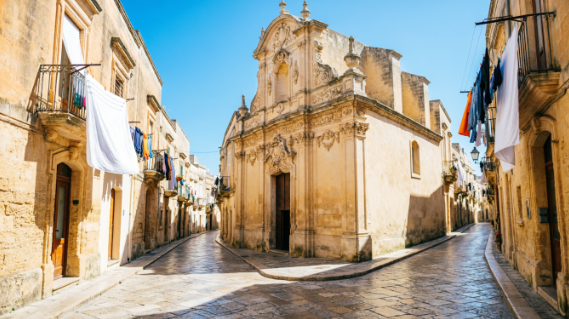
The morning sun in Puglia filters through laundry lines strung between ancient stone buildings, casting dappled shadows on the narrow, cobbled streets of Bari Vecchia. You hear the rhythmic thud of women making fresh orecchiette pasta on wooden boards, the distant chime of bells from the 12th-century Basilica di San Nicola, and the low murmur of fishermen unloading their catch at the tiny harbor just meters away. This is the heart of Bari—a dense, 1-kilometer-square medieval fortress that has stood since the 9th century, its walls built to repel Saracen raids and later fortified by the Normans [[21]]. Enclosed by imposing ramparts and pierced by just three ancient gates, the old town is a living organism where daily life unfolds in a timeless rhythm. In an age of sanitized tourist zones, Bari Vecchia matters now more than ever—it is an authentic, working-class neighborhood where history isn’t displayed behind glass, but lived in every doorway, every kitchen, and every sunlit piazza.
Why Bari Old Town Embodies Living History
Bari Vecchia is not a museum piece; it is a vibrant, breathing community that has continuously inhabited the same compact space for over 1,200 years. Its current form was largely shaped in the 11th and 12th centuries under Norman rule, when the city became a crucial port for Crusaders and pilgrims en route to the Holy Land [[21]]. The district’s dense, maze-like layout—characterized by narrow stradine (alleyways) no wider than 2 meters (6.5 feet)—was a deliberate defensive strategy, designed to confuse invaders and create intimate, communal spaces for its residents. The two spiritual and architectural anchors are the Basilica di San Nicola, built between 1087 and 1197 to house the relics of Saint Nicholas (the inspiration for Santa Claus), and the adjacent Bari Cathedral, dedicated to Saint Sabinus. These structures, built from local limestone, solved a critical problem of their time: they provided a secure, sacred center for a city that was both a military stronghold and a major religious hub. Today, this historic fabric fulfills a modern need—for authenticity in an increasingly homogenized world. The sight of nonnas rolling pasta on their doorsteps or fishermen mending nets by the sea wall isn’t staged; it’s the unbroken thread of a resilient culture that refuses to be gentrified into silence.
The Best Time to Experience Bari Old Town
To experience Bari Vecchia in its most atmospheric and comfortable state, plan your visit for the specific windows of April 20–May 30 or September 10–October 15, 2026. During these periods, Puglia enjoys ideal weather, with daytime temperatures ranging from a pleasant 21–26°C (70–79°F) and clear skies that make the limestone buildings glow warmly [[11]]. The best time of day to explore is in the early morning, between 8:00 AM and 10:30 AM, when the light is soft, the streets are quiet, and you can witness the authentic morning rituals of pasta-making and market preparation before the tour groups arrive. It is essential to avoid the peak summer months of July and August, when temperatures can soar above 33°C (91°F) and the narrow alleyways become uncomfortably hot and crowded [[39]]. For the most current information on local festivals, opening hours, and guided tours,
Approximate Budget for a 7-Day Trip (2026)
This budget is calculated for a solo traveler seeking a comfortable, culturally immersive experience in Bari in 2026, based on current inflation trends and average regional costs for southern Italy.
- Accommodation: €75–€130 per night. Staying in a boutique hotel within the old town walls offers an authentic experience. Options in the modern Murat district are more affordable and still walkable.
- Food: €40 per day. Breakfast (€4): a cappuccino and cornetto at a local bar. Lunch (€15): a plate of fresh orecchiette with tomato and ricotta forte from a street vendor. Dinner (€21): a main course like grilled sardines with a glass of local Nero di Troia wine.
- Transportation: €120 total. A regional train ticket from Bari airport to the city center (€5). Local transport within Bari is primarily on foot; occasional bus rides cost €1.50.
- Attractions: Entry to the Basilica di San Nicola Treasury (€3). Guided walking tour of Bari Vecchia (€18). Visit to the Provincial Archaeological Museum (€5).
- Miscellaneous: €90. This covers a bag of fresh orecchiette to take home (€5), several gelato stops (€3 each), a hands-on pasta-making class (€35), and souvenirs like handmade ceramics.
Total Estimated Cost: €875–€995
6 Essential Bari Old Town Experiences
- Watch Pasta Being Made on Via Arco Basso: Known as “Pasta Street,” this narrow lane is lined with women who hand-roll orecchiette on their doorsteps each morning. Go between 8:00 and 10:00 AM to see the process and buy some fresh to cook later.
- Visit the Basilica di San Nicola: Explore this Romanesque masterpiece, the final resting place of Saint Nicholas. Don’t miss the crypt, where his relics are kept, and the stunning bronze doors cast in 1111.
- Stroll the Castello Svevo Ramparts: Walk along the top of the Swabian Castle’s walls for panoramic views over the old town and the Adriatic Sea. The castle itself houses a contemporary art gallery.
- Dine at a Trattoria in Piazza Mercantile: This lively square is the social heart of Bari Vecchia. Grab a table at a local trattoria and enjoy seafood spaghetti as you watch the world go by.
- Explore the Hidden Courtyards: Wander off the main paths to discover small, hidden courtyards (cortili) where laundry hangs and neighbors chat. These intimate spaces reveal the true soul of the neighborhood.
- Watch the Sunset from Molo San Nicola: Walk out onto this small pier at the end of the old harbor. The view of the Basilica’s facade glowing in the golden hour light is unforgettable.
3 Hidden Gems Most Travelers Miss
- The Church of San Gregorio: Tucked away near the castle, this small 13th-century church has a stunning rose window and a peaceful cloister garden. It’s often locked, but ask at the nearby tourist office for access.
- The Fornaia Bakery on Via dei Perroni: This tiny, family-run bakery has been making traditional bread for generations. Try the panzerotto (fried pizza pocket) fresh from the oven in the late afternoon.
- The View from Torre dell’Orologio: Climb the steps of this clock tower near the cathedral for a bird’s-eye view over the red rooftops of the old town. It’s free and rarely crowded.
Cultural & Practical Tips
- Wear comfortable walking shoes: The streets are steep, cobbled, and uneven. Good footwear is essential for exploring the labyrinth safely.
- Respect the locals’ privacy: When taking photos of people making pasta or in their doorways, always ask permission with a smile and a “Permesso?” (pehr-MEH-soh?).
- Learn a few key phrases: “Dov’è la vecchia Bari?” (DOH-veh lah VEHK-kyah BAH-ree?) for “Where is old Bari?”, and “Un caffè, per favore” (oon kah-FEH).
- Beware of the midday sun in summer: The white stone reflects intense heat. Plan indoor visits (churches, museums) during the hottest part of the day (12:00–4:00 PM).
- Carry cash: Many small vendors, bakeries, and even some restaurants operate on a cash-only basis.
- Tipping is appreciated but not expected: Rounding up the bill or leaving €1–€2 for exceptional service is a kind gesture.
Conclusion: Travel with Respect, Not Just Curiosity
Bari Vecchia is not a backdrop for your vacation; it is someone’s home, workplace, and heritage. In 2026, as we seek travel that is both authentic and ethical, this old town offers a powerful lesson in respectful engagement. Your journey here should be one of humility—not just observing its beauty, but honoring its living culture by supporting local artisans, respecting private spaces, and listening to its stories. By traveling with this mindful respect, you help ensure that Bari Vecchia remains a vibrant community, not a hollowed-out tourist shell. Slow down. Sit on a step and watch the light change on the ancient stone. In that quiet moment of connection, you don’t just visit Bari—you become a temporary, respectful guest in its enduring, beating heart.
Image Description: Sun-drenched labyrinth of Bari old town with narrow cobbled streets, laundry lines, and Baroque church facades under a clear blue sky at mid-morning