
Benicàssim Music Festivals Indie Beats Meet Mediterranean Sands
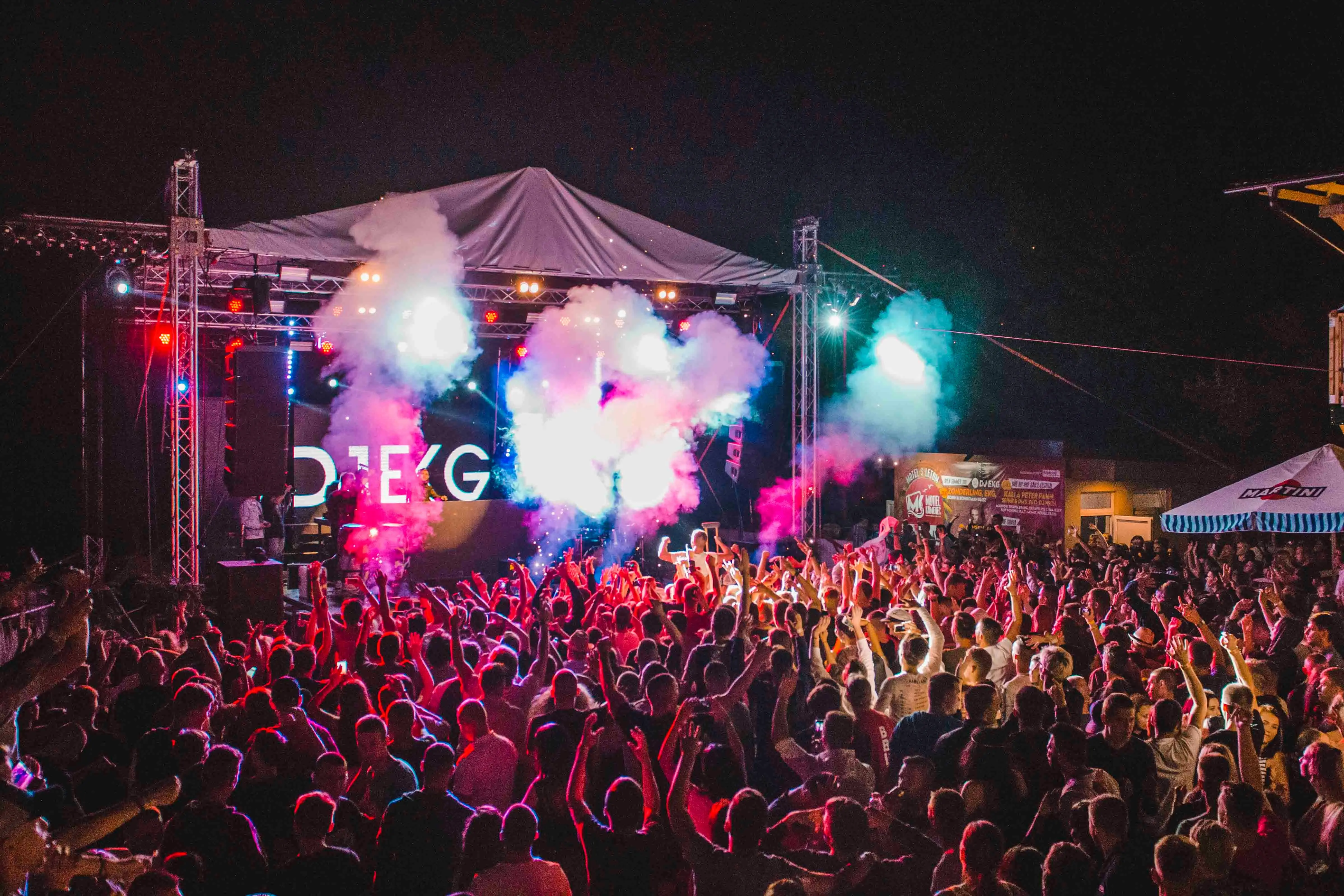
The bass kicks through the sand as dusk settles over the Costa del Azahar—vibrations traveling 50 meters from the main stage to the shoreline while the scent of sunscreen and salt lingers in the warm air. You stand at the Benicàssim music festivals, breathing air charged with anticipation, listening to the roar of 50,000 fans echoing against the foothills of the Desert de les Palmes. This is the Festival Internacional de Benicàssim (FIB), a cultural institution born in 1995 that transformed a quiet fishing village into one of Europe's premier summer destinations. The rhythm here is dual: the pounding kick drum of international headliners and the gentle lap of Mediterranean waves just 200 meters from the ticket turnstiles. In 2026, as festival culture faces scrutiny over sustainability and commercialization, the Benicàssim music festivals matter because they remain a rare example of harmony—where music, nature, and community coexist without sacrificing the wild energy that defines the live experience.
Why Benicàssim Music Festivals Embody Coastal Culture
The Benicàssim music festivals solve a fundamental logistical problem: how to host a massive international event without severing ties to the local environment. Since its inception in 1995, FIB has grown from a niche indie gathering to a 50,000-attendee powerhouse, yet it retains a unique layout where the festival grounds sit directly between the town and the sea. The infrastructure is engineered for resilience: the main stage covers 1,200 square meters, capable of supporting 10-ton sound systems, while the camping zone spans 100,000 square meters of pine forest shade. This design fulfills a need for immersion; unlike urban festivals confined by concrete, here the boundary between party and paradise is porous. The event generates €30 million annually for the local economy, supporting 2,000 seasonal jobs in hospitality and security.
Historical significance extends beyond the lineup; the festival pioneered the "festival resort" model in Spain, encouraging visitors to stay for a week rather than a weekend. The 2024–2025 sustainability upgrade (€2.5 million investment) introduced solar-powered charging stations and a ban on single-use plastics, reducing waste by 40%. Managed by Mare de Música, the organization employs 800 staff during the event to manage crowd flow and safety. This preservation fulfills a need for responsible tourism; in 2026, amidst growing environmental concerns, the Benicàssim music festivals offer a blueprint for how large-scale events can respect their natural surroundings while delivering world-class entertainment.
The Best Time to Experience Benicàssim Music Festivals
For optimal conditions—when the festival is active and the beach is warm enough for swimming—target July 16–19, 2026 (projected FIB dates). During these days, daytime temperatures in Benicàssim range 25–32°C (77–90°F), while evenings cool to 20–24°C (68–75°F), perfect for dancing under the stars without heavy jackets. For photography and atmosphere, arrive at the festival gates by 6:00–7:00 PM, when the sunset light illuminates the stage structures before the headliners take over.
The golden hour before sunset—approximately 8:30–9:30 PM in July—casts warm amber light onto the crowd, creating ideal conditions for capturing the energy of the audience against the darkening sky. Visit during the festival dates to experience the full infrastructure; outside these dates, the town is quiet and many festival-specific venues close. Avoid August 1–20 unless you tolerate temperatures exceeding 35°C (95°F) and peak tourist density; similarly, avoid November through March when the town enters low season and many hotels close for renovation.
Approximate Budget for a 7-Day Trip (2026)
This budget reflects mid-range travel with comfortable accommodations, quality dining, and festival access—based on 2025 pricing adjusted for Spain's projected 3.2% inflation rate for 2026. Benicàssim prices surge during the festival week; booking accommodation 6 months in advance is essential to avoid inflated rates. This itinerary includes 4 days of festival activities and 3 days of beach relaxation.
Accommodation: €150–€350 per night
- 3-star hotel in town center: €150–€200 (Hotel Voramar)
- Festival camping pass (4 days): €120 total (tent rental extra)
- Apartment rental (sea view): €250–€350 (requires 5-night minimum)
Food: €60–€100 per day
- Breakfast: €10–€15 (coffee, pastry, fruit at café)
- Lunch: €20–€35 (beach club: paella, salad, drink)
- Dinner: €30–€50 (festival food or town restaurant: tapas, main, drink)
Transportation:
- Train Valencia to Benicàssim (RENFE): €8 one-way, 45 minutes
- Local bus within Benicàssim: €1.50 per ride
- Rental car (7 days, compact): €300–€380 (for regional exploration)
- Fuel for regional exploration (350 km): €60–€75
Attractions & Experiences:
- FIB Festival Pass (4 days): €220–€280
- Beach club day pass: €20
- Desert de les Palmes hike: Free
- Peñíscola Castle tour: €6
- Kayak rental (half-day): €25
Miscellaneous:
- Festival merchandise (T-shirt, poster): €40–€60
- Sunscreen and hydration pack: €30
- Travel insurance (7 days): €40–€60
- Emergency fund: €150 (recommended)
Total for 7 days (mid-range): €2,100–€3,000 per person (excluding international flights)
6 Essential Benicàssim Music Festivals Experiences
- Watch Headliners at the Main Stage: The Escenario Fib hosts the biggest acts of the week. Arrive by 10:00 PM to secure a spot near the sound tower for optimal audio. The stage is 30 meters wide, ensuring visibility from 100 meters back. Allow 3 hours for the full headline set. The energy peaks at midnight. Photography is permitted without professional lenses. This experience is the core of the Benicàssim music festivals.
- Swim at Playa Voramar: Located 200 meters from the festival entrance. Arrive by 11:00 AM to beat the crowds. The sand is fine and golden, sloping gently into the water. Showers and restrooms are available at the promenade. Best visited midday when the sun is high. Lifeguards are on duty 11:00 AM–7:00 PM in July. No admission fee. This offers a refreshing break from the noise.
- Explore the Independent Stage: The Escenario Fib Club showcases emerging artists in a tented area. Visit at 6:00 PM when the main stage is quiet. The capacity is 2,000 people, creating an intimate atmosphere. You'll discover new bands before they break. Allow 90 minutes. This experience supports the indie culture that founded the festival. Drinks are cheaper here than at the main bars.
- Dine at a Beach Club: Experience the upscale side at La Pausa (Paseo Marítimo 1). Reserve a table for 2:00 PM. Order arròs a banda (rice with fish stock) and grilled prawns (€25). The terrace overlooks the sea, providing ambient sounds of waves. Open 12:00–11:00 PM. Prices average €40 per person without wine. This meal connects you to the coastal lifestyle beyond the festival.
- Hike the Desert de les Palmes: The mountain range behind the town offers panoramic views. Start at the El Bartolo trailhead at 8:00 AM. The peak is 729 meters high; the hike takes 3 hours round-trip. The view encompasses the entire coastline and festival grounds. Best visited in the morning to avoid heat. Wear sturdy boots; the path is rocky. This experience offers silence contrasting the festival noise.
- Visit the Town Center: The Paseo Marítimo connects the beach to the train station. Walk at 5:00 PM. The street is lined with palm trees and modernist villas from the 1920s. Stop at the Palacio de Sobrinos for photos. Allow 60 minutes. This experience reveals the architectural heritage of Benicàssim. Photography permitted without flash. The shops sell local ceramics and crafts.
3 Hidden Gems Most Travelers Miss
- Villa Romana de Benicàssim: While thousands focus on the stage, this 1st-century AD Roman ruin sits near the beach. Access via Carrer de la Villa Romana. Entry €3; open Tuesday–Sunday, 10:00 AM–6:00 PM. The mosaic floors are well-preserved. It is overlooked because it is small compared to the festival. Best visited at 11:00 AM when the light hits the mosaics. This site reveals the ancient history of the coast.
- Playa de Els Terrers: Located 3 kilometers north of the town center. Access via the coastal path or car. The beach is wider and less crowded than Voramar. Facilities are limited; bring water and snacks. It is special because it offers solitude during festival week. Visit at 4:00 PM when the main beaches are packed. No lifeguards on duty; swim with caution. This spot offers a quiet escape from the crowds.
- Peñíscola Castle: Located 15 kilometers south, this medieval fortress was a filming location for Game of Thrones. Access via bus Line 10 (€3, 30 minutes). Entry €6; open 9:00 AM–8:00 PM. The view from the ramparts overlooks the coast. It is overlooked by festival-goers focused on music. Best visited on a rest day. This experience combines history with scenic views. Guided tours available at the entrance.
Cultural & Practical Tips
- Language etiquette: Spanish and Valencian (Catalan) are spoken. Key phrases: Hola (OH-lah = hello), Por favor (por fah-VOR = please), Gracias (GRAH-see-ahs = thank you), ¿Habla inglés? (ah-BLAH een-GLES = do you speak English?). Using local greetings shows respect for the community.
- Festival safety: Pickpockets operate in crowded areas. Keep valuables in zipped pockets or a money belt. Use the festival lockers (€10 per day) for bags. Security checks are strict; no glass or weapons allowed. Emergency number is 112. Police stations are located near the festival entrance. Report lost items immediately to the Information Point.
- Hydration strategy: Temperatures exceed 30°C during the day. Drink 3 liters of water daily. Free water fountains are located at every stage. Avoid excessive alcohol before 8:00 PM. Dehydration risks increase with dancing and sun exposure. Bring a reusable bottle; single-use plastic is banned inside the grounds.
- Transport logistics: Trains from Valencia run hourly. Buy the Combo Pass for unlimited travel during festival week. Taxis are scarce at night; book via app (Cabify/Uber) in advance. Local buses connect the camping zone to the town. Parking is expensive (€25 per day); use public transport if possible.
- Weather considerations: Benicàssim is sunny 300 days per year. However, humidity can be high. Check forecasts at meteocat.gencat.cat before traveling. Summer temperatures exceed 30°C; sun protection is critical. Wear SPF 50+ and hats. Nights are warm; light clothing is sufficient.
- Cashless payments: The festival operates on a cashless wristband system. Top up online before arrival to avoid queues. Cards are accepted in town, but cash is useful for small vendors. ATMs are available near the train station. This system speeds up transactions and reduces theft risk.
- Ear protection: Sound levels reach 100 decibels near the stage. Wear high-fidelity earplugs to prevent hearing damage. They cost €15 at the medical tent. This is critical for long-term hearing health. Many regular attendees wear them without stigma.
Conclusion: Travel with Connection, Not Just Consumption
The Benicàssim music festivals do not exist merely for your playlist—they stand as a celebration of community, art, and the unique marriage of sound and sea. What they deserve is your connection: the willingness to dance without recording every moment, to understand that the music is shared by thousands of strangers becoming friends, to recognize that this coastline is a natural treasure first and a venue second. In 2026, as live events face challenges regarding sustainability, Benicàssim offers a model of balance—demonstrating how joy can coexist with responsibility. Sit on the sand not to check a box, but to feel the vibration of the bass in the ground. Listen to the new band not for status, but to support the future of music. Let the waves teach you that rhythm is natural. Travel to Benicàssim not to consume the lineup, but to be part of the chorus, ensuring your presence adds to the harmony of a place where music and nature have danced together for over thirty years.