
Chamonix Cable Cars : Ascending the Roof of Europe with Grace and Precision
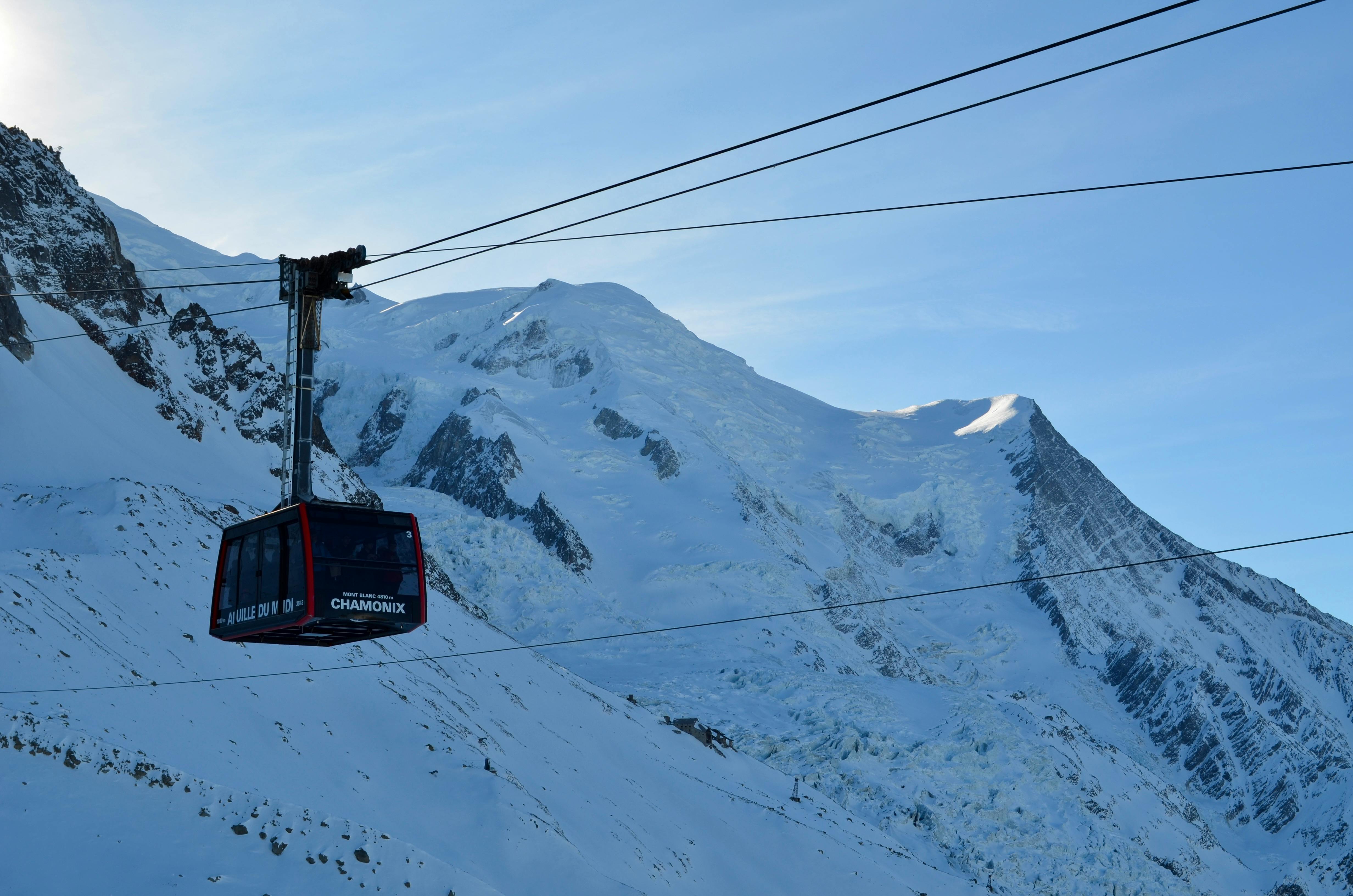
The first ascent begins not with a lurch, but with silence. As the Aiguille du Midi cable car glides from Chamonix valley floor, the world transforms in a single breath: chalets shrink to toy boxes, the Mer de Glace glacier unfolds like crumpled silk, and Mont Blanc's summit emerges from cloud—a pyramid of ice and rock piercing the heavens. Inside the spherical cabin, passengers fall quiet, pressed against glass as the valley drops away 2,800 meters beneath their feet. This is not mere transportation; it's vertical theater engineered with Swiss precision and French elegance. Since the first cable car ascended these slopes in 1955, Chamonix's aerial network has redefined mountain access—not by conquering altitude, but by revealing it with breathtaking intimacy. In 2026, these engineering marvels remain Europe's most spectacular mountain transit system, where every ascent offers not just views, but perspective.
Why Chamonix Cable Cars Represent Engineering Poetry
Chamonix cable cars embody more than technical achievement—they represent a century-long dialogue between human ambition and Alpine grandeur. The valley's aerial network evolved from rudimentary funiculars to today's state-of-the-art systems through necessity: when British alpinists began scaling Mont Blanc in the 1800s, access to high-altitude starting points became essential. The 1955 Aiguille du Midi cable car—then the world's highest vertical ascent—revolutionized mountaineering by transporting climbers directly to 3,842 meters. Today's system comprises three distinct lines: the Aiguille du Midi (Chamonix to 3,842m in 20 minutes), the Brévent-Flégère network accessing hiking trails above the valley, and the Plan de l'Aiguille mid-station connecting to the Mer de Glace train. Unlike theme park rides, these cable cars serve vital community functions—transporting workers, rescuing climbers, and enabling scientific research on glaciers retreating at 40 meters annually. Their true genius lies in minimal environmental impact: slender cables spanning voids without scarring rock faces, stations carved into mountainsides rather than dominating them.
The Best Time to Experience Chamonix Cable Cars
For optimal conditions—stable weather, clear summit views, and manageable queues—ascend between June 10 and July 5 or September 10–25. These windows deliver daytime valley temperatures of 18–24°C (64–75°F) with summit conditions around 0–5°C—cold but not dangerously frigid. Morning departures between 8:00–9:00 AM offer the highest probability of clear skies before afternoon clouds envelop peaks; book the first cabin of the day (8:00 AM) via compagniedumontblanc.fr for unobstructed photography without window glare. Avoid July 15–August 15 when queues exceed 90 minutes and afternoon haze obscures summit views. Winter ascents (December–March) provide dramatic snowscapes but frequent closures due to high winds—check real-time status at montblancnaturalresort.com before traveling. Note that the Aiguille du Midi closes entirely for maintenance during the last two weeks of November.
Approximate Budget for a 7-Day Trip (2026)
Based on 2025 benchmarks adjusted for 4% inflation (per INSEE and Auvergne-Rhône-Alpes Tourism Board projections), here's a realistic mid-range budget for an Alpine immersion:
- Accommodation: €125–€185 per night for a family-run chalet in Les Houches or Chamonix center—essential for early cable car access.
- Food: €95–€120 per day—breakfast at lodging, lunch of tartiflette at mountain refuge (€28–€35), dinner featuring Savoyard specialties (€50–€65).
- Transportation: €40 for a 7-day Mont Blanc Unlimited pass (covers all cable cars, trains to Italy/Switzerland, and valley buses). Geneva Airport transfers: €38 one-way via Mountain Drop-offs.
- Activities: Aiguille du Midi round-trip: €68. Step into the Void glass skywalk: included. Mer de Glace train + ice cave: €34. Guided glacier walk: €92. Allocate €220 total.
- Miscellaneous: €65 for Beaufort cheese from local cooperatives, Chartreuse liqueur, or woolens from Chamonix artisans.
Total Estimated Cost: €1,350–€1,950 for seven days, excluding international flights.
3 Essential Chamonix Cable Car Journeys
- Aiguille du Midi (3,842m): The legendary 20-minute ascent in spherical cabins delivers you to a viewing platform suspended over 1,000m of void. Don't miss the "Step into the Void" glass skywalk and the tunnel through solid rock to the summit terrace.
- Brévent-Flégère Network: Two interconnected cable cars accessing 250km of hiking trails above Chamonix—ride to Planpraz (2,000m) for the Grand Balcon Nord trail with uninterrupted Mont Blanc views.
- Plan de l'Aiguille Mid-Station: The unsung hero of the network—disembark here for alpine meadow walks beneath the Aiguille du Midi's north face, with wildflowers blooming July–August and zero crowds.
3 Hidden Perspectives Most Travelers Miss
- Flégère's Secret Terrace: After ascending Flégère cable car, follow the unmarked path 200m beyond the main platform to a rocky outcrop offering the only perspective where the entire Mont Blanc massif reflects in Lac Cornu below.
- Aiguille du Midi Tunnel Window: Inside the summit tunnel, a discreet window (third archway from the entrance) frames Mont Blanc perfectly without glass reflections—favored by professional photographers at 9:15 AM when sun illuminates the summit.
- Les Grands Montets Alternative Route: Skip crowded main lines—take the 8:15 AM cable car to Les Grands Montets, then hike the 45-minute Chemin des Cristalliers trail for empty viewpoints overlooking the Argentière Glacier.
Cultural & Practical Tips
- Book Precisely: Reserve Aiguille du Midi tickets exactly 30 days ahead at 9:00 AM CET via compagniedumontblanc.fr—slots sell out within hours for summer dates.
- Altitude Preparation: Ascend gradually—spend your first day below 2,500m. Carry water and move slowly at summit stations to avoid altitude sickness (affects 30% of first-time visitors above 3,500m).
- Photography Protocol: Never block cabin windows during ascent/descent. Use lens cloth to eliminate condensation. Best summit shots captured between 9:00–10:30 AM before clouds gather.
- Learn Key Phrases: "Bonjour," "Merci," and "Quel temps en altitude?" (What's the weather at altitude?) show respect—guides share crucial safety insights with polite visitors.
- Environmental Responsibility: Never leave waste—even biodegradable items disrupt fragile alpine ecosystems above 2,500m. Use refillable bottles (water stations at all stations).
Conclusion: Ascend with Reverence, Not Just Ambition
Chamonix cable cars endure not as engineering trophies, but as humble servants to mountain majesty—enabling access without demanding dominance. As a conscious traveler, your ascent carries responsibility: to witness without conquering, to photograph without possessing, to understand that these peaks existed long before cables spanned their voids and will endure long after. Support local guides certified by UIAGM who practice Leave No Trace ethics. Choose operators investing in renewable energy (Compagnie du Mont-Blanc now powers 60% of operations via hydroelectricity). Sit quietly at the summit terrace and absorb the silence between wind gusts—the same silence that greeted Saussure and Balmat centuries ago. By approaching these ascents not as achievements to be checked off but as privileges to be honored, you ensure Chamonix's cable cars continue serving their true purpose: not to bring mountains down to us, but to lift our perspective toward wonder.