
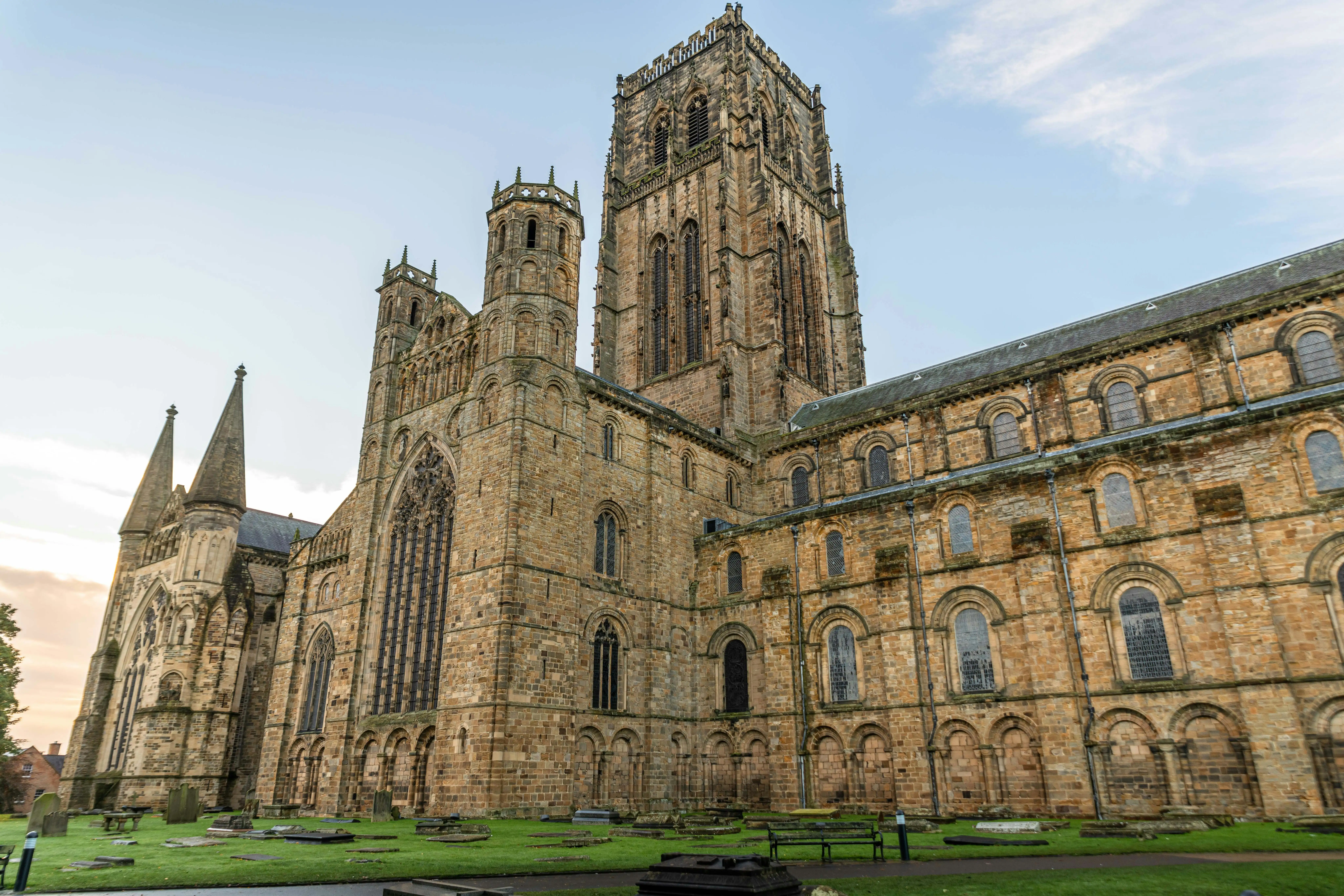
Durham Cathedral Norman Stone Meets Sacred River Wear
5:00 AM breaks over the River Wear—a limestone gorge winding 300 meters around the peninsula heart of Durham, England. The air bites at 6°C (43°F), sharp with the scent of damp sandstone, ancient incense, and the earthy perfume of wet woodland waking from sleep. Dawn light spills over the nave of Durham Cathedral, illuminating the massive cylindrical pillars constructed by Norman masons in 1093. This is not merely a church; it is a fortress of faith rising 66 meters to the central tower, standing sentinel over the city since the Conquest. You hear the rush of water below the Prebends Bridge; a kingfisher darts across the mist, its wings breaking the silence with a single powerful stroke. In 2026, as heritage sites face pressure from climate change and overtourism, Durham Cathedral matters now more than ever. It remains a tactile connection to medieval history—a place where you walk the same flags as Norman bishops, where the past isn't behind glass but exposed to the elements, and where the architecture is preserved against the erosion of time. This is why you visit.
Why Durham Cathedral Embodies Norman Engineering
Durham Cathedral isn't merely a place of worship—it's a masterpiece of structural engineering and theological storytelling that solved the fundamental 11th-century need for ecclesiastical power. Construction began in 1093 under Bishop William de St Calais, continuing until 1133 when the nave was completed. The cathedral utilizes local sandstone, quarried nearby, cut into blocks weighing up to 2 tons each. The ribbed vaulting—innovative for its time—allows the roof to span 23 meters without collapsing, a feat of engineering that required hidden iron chains to counteract outward thrust. In 1986, the site received UNESCO World Heritage status, protecting the peninsula from modern development. Today, the cathedral supports a community of 30 clergy and 100 staff, maintaining 5,000 square meters of floor space. The Shrine of St Cuthbert remains the spiritual heart, drawing pilgrims since 687 AD. When you walk these aisles, you traverse a layered history: Saxon foundations beneath the crypt, Victorian restorations in the choir, and a contemporary commitment to conservation that defines the future of heritage sites.
The Best Time to Experience Durham Cathedral
Durham Cathedral reveals its true character during specific windows, though it operates daily except during major services. The definitive experience occurs between May 18 and June 12. During this window, you'll experience average temperatures of 13–17°C (55–63°F), with daylight stretching until 9:30 PM—ample time for evening photography after closing. The spring light filters beautifully through the clerestory windows, creating dramatic contrasts between shadow and illumination on the stone. The tourist hordes of July haven't yet descended. For those seeking quieter contemplation, weekday mornings (8:00–9:30 AM) offer a more intimate atmosphere with significantly fewer tour groups in the nave.
Autumn—specifically September 20–October 10—provides a second peak experience, with temperatures cooling to 8–12°C (46–54°F) and the peninsula trees turning gold. This is when you'll witness the harvest festival decorations. However, avoid August 24–31 unless you enjoy navigating crowds: this UK Bank Holiday period sees visitor numbers swell to 4,000 daily, with timed slots booking out weeks in advance and accommodation prices inflating by 45%. Winter services limit tourist access significantly. For real-time opening hours and service schedules, verify current information at www.durhamcathedral.co.uk before your visit. Always book timed entry tickets at least 7 days in advance during peak season; walk-up availability is rare.
Approximate Budget for a 7-Day Trip (2026)
Durham accommodates various budgets, though 2026 prices reflect post-pandemic tourism recovery and 3.5% UK inflation. The following breakdown assumes mid-range travel with comfortable accommodations, local dining, and comprehensive exploration including multiple heritage site visits. Prices are listed in British pounds (£), the local currency.
- Accommodation: £110–£180 per night for a double room in a traditional Georgian guesthouse or boutique hotel in Durham city center. Luxury properties like The Dun Cow command premium rates (£220–£350), while YHA hostels offer better value (£45–£65 per bed).
- Food: £50–£70 per day. Breakfast (£12–£16) typically includes Yorkshire black pudding, local bacon, and free-range eggs. Lunch (£15–£20) at city pubs: Durham lamb stew, or a pork pie with salad. Dinner (£30–£40) featuring regional specialties: venison stew, fresh river trout, or sticky toffee pudding.
- Transportation: London King's Cross to Durham train: £75–£110 return via LNER (3 hours). Local bus day pass: £5.50 (Go North East routes). Taxi from station to Cathedral: £10. Car rental not recommended due to congestion charges and limited parking.
- Attractions: Durham Cathedral entry: Free (donations encouraged). Tower tour: £10. Ushaw College entry: £12.50. Durham Castle tour: £10. Guided city walk: £15.
- Miscellaneous: Ordnance Survey Explorer Map OL31: £11.95. Local wool scarf: £40–£80. Cathedral guidebook: £12.99. Travel insurance: £35–£50 for the week.
Total estimated cost for 7 days: £1,450–£2,000 per person (based on double occupancy)
7 Essential Durham Cathedral Experiences
- Climb the Central Tower: Book the 10:00 AM slot for the tower climb. Ascend 325 narrow spiral steps inside the stone turret. The air grows cooler as you rise; the sound of the city fades. At the top, 66 meters above the nave, the view encompasses the County Durham plains. The wind is strong here; hold onto the railings. You can see the layout of the medieval city streets below. Allow 45 minutes for the climb and descent. It is physically demanding but offers the definitive perspective.
- Stand before the Shrine of St Cuthbert: Enter the Feretory at 11:00 AM when the light hits the marble. The shrine marks the resting place of the saint since 995 AD. Look for the details in the lower panels: pilgrims, kings, and angels. The light filtering through creates a colored haze on the stone floor. Stand quietly for 10 minutes. The shrine survived the Reformation and WWII blitz. This is the spiritual heart of the cathedral. Photography is permitted without flash.
- Explore the Undercroft Museum: Descend into the crypt beneath the Quire. This space houses Roman foundations from the 4th century fortress. The temperature is constant at 12°C (54°F). View the Anglo-Saxon carvings and medieval coins found during excavations. The vaulted ceilings are original 12th-century stone. Audio guides are included with entry. Allow 40 minutes to read the displays. It contextualizes the Cathedral within Durham's military history.
- Attend Choral Evensong: Return at 5:30 PM for the daily service. The choir of 20 voices fills the nave with polyphonic sound. The acoustics amplify the organ notes for 8 seconds. You do not need to be religious to attend; seating is free. The candlelight flickers against the stone pillars. The service lasts 45 minutes. It is a sensory immersion into centuries of tradition. Remain silent during the prayers.
- Walk the Cloisters: Enter the square Cloisters off the South Transept. Built in 1300, it features a wooden vaulted ceiling unsupported by central columns. The stone benches where monks once sat remain in place. The acoustics are intimate compared to the nave. Allow 20 minutes. It is often quieter than the main cathedral. Look for the carved grotesques in the capitals.
- Touch the Galilee Chapel: Located at the West End, this chapel stands apart from the main building. Built in 1175, it houses the tomb of the Venerable Bede. The light here is cooler, more subdued. It offers a contrast to the colorful East Window. A memorial to WWI soldiers is displayed below. Stand close to see the leadwork details. Allow 30 minutes for detailed photography.
- Walk the Peninsula at Dusk: Exit the cathedral at 7:00 PM. Walk the perimeter of the building on the Palace Green. The stone glows orange under the floodlights. The shadows of the buttresses stretch across the grass. You can hear the bats hunting insects near the towers. The city noise diminishes. It is the best time for exterior photography. The Prebends Bridge frames the West Front perfectly. Allow 30 minutes for a full circuit.
3 Hidden Gems Most Travelers Miss
- Cosin's Library: While most visitors focus on the Cathedral, this 17th-century library sits nearby on Palace Green. Access: Enter via the University website, ask for access (often open 2:00–4:00 PM). It is overlooked because it lacks signage, but the original wooden bookcases remain intact. Best visited: Weekday afternoons when the university is quiet. No photography inside. It offers a glimpse into the intellectual life of the clergy.
- Ushaw College: Located 5 kilometers west, this seminary dates to 1808. Access: Guided tours available at 2:00 PM daily (£12.50). It is overlooked because it operates independently from the Cathedral. The chapels feature Gothic revival architecture similar to the Cathedral. Insider tip: Ask about the catacombs used during the Reformation. The garden is enclosed and peaceful. It provides context for the Cathedral's Catholic history.
- The Old Fulling Mill: Beneath the Cathedral lies a vaulted room used for wool processing since 1100. Access: Booking required for lunch (+44 191 386 3511, £15). It is overlooked because it functions as a private function room. The stone walls are 1 meter thick. It's special because you dine where monks once worked. Best visited: Tuesday–Thursday when tourist groups are fewer. The menu features historic recipes. A unique culinary heritage experience.
Cultural & Practical Tips
- Dress Code Strictly Enforced: Shoulders and knees must be covered inside the cathedral. This is a working church, not just a museum. Remove hats upon entry. Security may deny entry for inappropriate clothing. Carry a scarf in summer to cover bare shoulders. Respect the sanctity of the space.
- Photography Guidelines: Flash photography is prohibited to protect the medieval glass. Tripods require prior permission from the media office. Handheld shots are permitted in the nave. Do not use selfie sticks. Respect worshippers during services; no photography at all during Evensong. Silence your phone completely.
- Booking Strategy: Timed entry slots sell out during summer. Book online at least 7 days in advance. Arrive 15 minutes before your slot to pass through security. Late arrival may result in denied entry without refund. Print your ticket or save it to your phone wallet.
- Learn these Local Terms: "Peninsula" (the land around the Cathedral), "Ginnel" (alleyway), and "Reyt" (right/correct). Locals appreciate the correct terminology. When asking for directions, say "the Cathedral" rather than "the church." It shows respect for Durham's specific heritage.
- Weather Preparation: Durham is windy around the stone structures. Even on sunny days, carry a windproof layer. The stone floors are cold in winter; wear thick socks. The building is unheated in some areas to preserve artifacts. Dress in layers even in summer.
- Accessibility Information: The nave is wheelchair accessible via the South Door. However, the Tower and Crypt have stairs only. Virtual tours are available online for those unable to climb. Contact the visitor team at +44 191 386 4266 for specific access queries before traveling.
- Support Conservation: Consider donating to the "Durham Cathedral Preservation Fund" upon exit. Maintenance costs £2 million annually. Purchase guidebooks from the shop rather than online to support the local revenue stream. Membership offers free entry for a year.
Conclusion: Travel with Reverence, Not Just Sightseeing
Durham Cathedral in 2026 asks something different of you than mere tourism. This cathedral—stone, sacred, resilient—has witnessed centuries of prayers, coronations, and restorations. But it also sustains a living community of worshippers, conservators, and musicians who keep the tradition alive. To travel here responsibly means understanding that you're not just visiting a monument but entering a sanctuary maintained by strict preservation protocols. Walk softly on these flagstones; they've carried kings, bishops, and pilgrims for generations. Choose the quiet morning visit over the crowded afternoon. Listen to the choir's harmony, not just the guide's facts. Donate to the conservation fund, not just the gift shop. Let Durham Cathedral change you, not just entertain you. In an age of mass tourism and digital detachment, this is how we ensure that 2026's visitors don't become the generation that loved this place to death. The Cathedral will still be here in 2126—if we treat it not as a backdrop to consume but as a legacy to protect.