
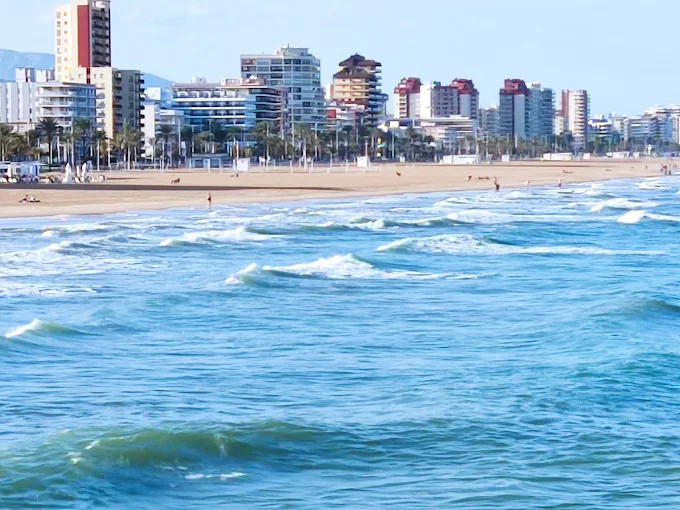
Gandía Beaches Golden Sands Meet Ducal History
The sun crests the dunes as dawn breaks over the Mediterranean—light catching the fine grains of sand that stretch 11 kilometers along the Costa de Valencia while the waves lap gently against the shore. You stand on the boardwalk of Gandía beaches, breathing air scented with salt and pine resin, listening to the distant cry of gulls circling the lighthouse that has guided sailors since 1857. This is not merely a resort town; it is a coastal sanctuary where the leisure of modern sunbathers merges with the legacy of the Dukes of Gandía, including the infamous Borgia family. The light here is specific—a sharp, luminous quality that illuminates the Sierra de Vernisa mountains to the west and the azure waters to the east. In 2026, as coastal overtourism threatens to sanitize Mediterranean charm, the Gandía beaches matter because they remain a rare example of sustainable leisure—where history, nature, and community coexist without sacrificing the wild beauty that defined this corner of Spain long before the first sunbather arrived.
Why Gandía Beaches Embody Coastal Heritage
The Gandía beaches solve a fundamental social need: the desire for a coastal space that balances mass tourism with environmental integrity. Unlike many Mediterranean resorts that segregate visitors by hotel class, Gandía offers a continuous public shoreline where locals, international expats, and families mingle freely. This inclusivity dates back to the 1960s tourism boom, yet the town retains the cultural depth of a medieval duchy. Today, the 11 kilometers of coastline are divided into distinct zones: the urban Playa de Gandía (5 kilometers) with its promenade and services, and the natural Playa de l'Ahuir (4 kilometers), protected by dunes and pine forests. Technical management of this shoreline is handled by the Ajuntament de Gandía, which maintains water quality through daily filtration systems that keep bacterial levels well below EU standards, earning over 20 Blue Flag awards annually.
Historical significance is etched into the skyline: the Ducal Palace of the Borjas, built in the 14th century, overlooks the town from just 2 kilometers inland, reminding visitors that this coast once served the most powerful family in Renaissance Europe. The beaches are protected by the Parc Natural de la Marjal, a wetland system that filters runoff before it reaches the sea, creating a buffer against erosion. Conservation efforts, including the 2022 dune restoration project (€350,000 investment), ensure that native vegetation like sea daffodils persists between the sand and the street. This preservation fulfills a need for authentic connection; in 2026, amidst homogenized resort towns, the Gandía beaches offer a landscape where cultural heritage is as visible as the horizon line.
The Best Time to Experience Gandía Beaches
For optimal conditions—when the water is warm but the crowds have not yet congested the boardwalks—target May 20–June 25 or September 10–October 15. During these windows, daytime temperatures in Gandía range 22–28°C (72–82°F), while evenings cool to 16–20°C (61–68°F), perfect for seaside dining without heavy jackets. For photography and atmosphere, arrive at the Playa de l'Ahuir by 7:30–8:00 AM, when the light is soft and the beach is empty save for early swimmers.
The golden hour before sunset—approximately 8:45–9:45 PM in June, 7:15–8:15 PM in September—casts dramatic shadows across the dunes, creating ideal conditions for capturing the contrast between vegetation and sea. Visit Tuesday through Thursday to avoid weekend day-trippers from Valencia; Saturday afternoons see visitor numbers swell to 15,000+ people, creating bottlenecks on the promenade. Avoid August 1–20 unless you tolerate temperatures exceeding 30°C (86°F) and peak pricing (up 60%); similarly, avoid November through March when many beach clubs close for the low season and lifeguard services are reduced.
Approximate Budget for a 7-Day Trip (2026)
This budget reflects mid-range travel with comfortable accommodations, quality dining, and beach activities—based on 2025 pricing adjusted for Spain's projected 3.2% inflation rate for 2026. Gandía is a premium destination; costs run 30–40% higher than neighboring towns due to high demand and limited supply during summer.
Accommodation: €110–€220 per night
- 3-star hotel near beach: €110–€150 (Hotel Bayren)
- Boutique hotel in Old Town: €180–€220 (Hotel Palau dels Borja)
- Apartment rental (self-catering): €130–€190 (requires 3-night minimum)
Food: €50–€85 per day
- Breakfast: €8–€14 (coffee, pastry, fresh juice at beach café)
- Lunch: €18–€30 (menú del día: fresh fish, paella, or meat with wine)
- Dinner: €25–€45 (seafood restaurant: grilled prawns, rice, dessert)
Transportation:
- Train Valencia to Gandía (RENFE): €5.50 one-way, 1 hour 15 minutes
- Local bus within Gandía: €1.50 per ride
- Rental car (7 days, compact): €260–€330 (for coastal day trips)
- Fuel for regional exploration (300 km): €50–€60
Attractions & Experiences:
- Beach chair rental (daily): €12–€20
- Ducal Palace entry: €6
- Monastery of Sant Jeroni entry: €4
- Boat rental (half-day): €120
- Guided Historical tour: €15
Miscellaneous:
- Local wine (Utiel-Requena DO, bottle): €10–€20
- Souvenirs and art prints: €35–€70
- Travel insurance (7 days): €35–€55
- Emergency fund: €100 (recommended)
Total for 7 days (mid-range): €1,700–€2,300 per person (excluding international flights)
6 Essential Gandía Beaches Experiences
- Sunbathe at Playa de l'Ahuir: This is the most natural beach, stretching 4 kilometers along the coast. Arrive by 9:00 AM to secure a spot near the dunes. The sand is fine and golden, backed by pine forests. Showers and restrooms are available at the access points. This beach is less developed than the urban zone; expect fewer amenities. Best visited mid-morning when the sun is high. Lifeguards are on duty 11:00 AM–7:00 PM in summer. No admission fee.
- Walk the Passeig Marítim at Sunset: The promenade connects the port to the southern boundary over 5 kilometers. Begin at the Lighthouse at 8:00 PM. The path is lined with palm trees and modernist benches. Stop at the Escullera (breakwater) to watch waves crash against the rocks. The light reflects off the white buildings, creating a luminous effect. Allow 1 hour; street performers often play jazz near the marina. This experience is free and essential for understanding the town's layout.
- Visit the Ducal Palace: Located in the Old Town, 2 kilometers from the beach. Open Tuesday–Sunday, 10:00 AM–7:00 PM. Entry €6; includes audio guide. The collection features Renaissance art and Borgia family history. The courtyard offers views of the church tower. Allow 60 minutes. This experience connects the sand to the aristocratic history that defined the town. Photography permitted without flash.
- Dine on All i Pebre: This local eel dish is a specialty of the Albufera region nearby. Reserve a table at Restaurant Riu (Carrer del Mar 25). Order the all i pebre (€22) and grilled fish (€28). The terrace overlooks the port, providing ambient sounds of boats. Open 1:00–4:00 PM and 8:00–11:00 PM. Prices average €40 per person without wine. This meal connects you to the culinary traditions of the Valencia coast.
- Swim at Playa de Gandía: Located in the town center, this beach is lively and family-oriented. Access via the promenade. The water is shallow and calm, ideal for children. Facilities include showers, playgrounds, and beach volleyball courts. Best visited at 11:00 AM when the water warms up. Lifeguards are on duty in summer. This experience offers convenience away from the natural reserve.
- Explore the Port: The marina houses 400 berths and is the hub of maritime activity. Walk the docks at 5:00 PM. Watch the fishing boats unload the morning catch. The scent of diesel and salt defines the atmosphere. Allow 45 minutes. This experience reveals the working side of the coast. Photography allowed; respect working fishermen.
3 Hidden Gems Most Travelers Miss
- Monastery of Sant Jeroni de Cotalba: Located 10 kilometers inland in Alfauir. Access via car or bus (Line 2, 20 minutes). Entry €4; open 10:00 AM–6:00 PM. This 14th-century monastery features Gothic cloisters and was a residence of the Borgia family. It is overlooked because it requires travel from the coast. Best visited at 3:00 PM when the light hits the stone. This site offers a quiet contrast to the beach noise.
- Bullring of Gandía: Located near the town center, this 19th-century plaza is still active. Access via Carrer de la Barraca. Entry €10 during bullfights (summer season). It is special because it maintains a controversial but deep-rooted tradition. Visit during a novillada (junior bullfight) to see local culture. Check schedules at plazadetorosgandia.com. This experience reveals the traditional festive side of the region.
- Marjal de Gandía Wetlands: Located behind the dunes, this natural park is a birdwatching haven. Access via the path near Playa de l'Ahuir. Entry free; open daylight hours. The trails are boardwalked to protect vegetation. It is overlooked by tourists focused on the sea. Best visited in the morning for bird activity. This experience connects you to the ecological system protecting the coast. Bring binoculars.
Cultural & Practical Tips
- Language etiquette: Valencian (Catalan) and Spanish are spoken. Key phrases: Hola (OH-lah = hello), Per favor (per fah-VOR = please), Gràcies (GRAH-see-es = thank you), Parla anglès? (PAR-lah ang-LES = do you speak English?). Using Valencian greetings shows respect for local identity.
- Beach safety: Lifeguards fly flags indicating conditions: Green (safe), Yellow (caution), Red (no swimming). Heed the warnings; currents can be strong near the port. Jellyfish appear occasionally in August; check daily notices at lifeguard towers. Do not swim within 200 meters of the harbor entrance due to boat traffic.
- Photography guidelines: Drone use requires permission from the town council (email turisme@gandia.org 14 days ahead)—generally denied in summer. Tripods are permitted on the promenade but not on crowded sand. Respect privacy; many beachgoers value anonymity. Best light for photography is early morning or late evening.
- Transport logistics: The train from Valencia (Xàtiva line) runs hourly. Buy the Combo Pass for unlimited travel. Trains are crowded on Sundays; arrive early. Taxis are available at the station rank. Local buses connect the far beaches. Parking is expensive (€20 per day); use public transport if possible.
- Nudity zones: Nudism is permitted only at designated areas (southern end of l'Ahuir). Elsewhere, toplessness is tolerated but full nudity is fined (€150). Respect the zones to avoid conflicts with police. This policy balances freedom with public order. Signs mark the boundaries clearly.
- Weather considerations: Gandía is sunny 300 days per year. However, the Llevant wind can create rough seas. Check forecasts at meteocat.gencat.cat before traveling. Summer temperatures exceed 30°C; sun protection is critical. Wear SPF 50+ and hats. Winter nights can drop to 10°C; layer clothing.
- Dining schedules: Lunch runs 1:30–3:30 PM; dinner doesn't begin until 8:30 PM. Many restaurants close between 4:00–8:00 PM; plan accordingly. For authentic cuisine, try all i pebre (eel stew) or paella. Reservations recommended for weekends. Tipping 5–10% is appreciated for good service.
Conclusion: Travel with Respect, Not Just Consumption
The Gandía beaches do not exist merely for your tan—they have witnessed centuries of fishermen, dukes, and activists who shaped this town into a beacon of coastal living. What they deserve is your respect: the willingness to walk softly on the dunes without disturbing the vegetation, to understand that the inclusivity you enjoy was fought for by generations of locals, to recognize that this coastline is a shared resource rather than a private playground. In 2026, as coastal ecosystems face pressure from climate change and overcrowding, Gandía offers a model of balance—demonstrating how tourism can coexist with community. Sit on the promenade not to check a box, but to watch the light change on the Ducal Palace. Eat the local fish not for Instagram, but to support the fishermen who sustain the ecosystem. Let the waves teach you that rhythm is more important than speed. Travel to Gandía not to consume the view, but to honor it, ensuring your footprint is as light as the sand that has welcomed dreamers for over a hundred years.