
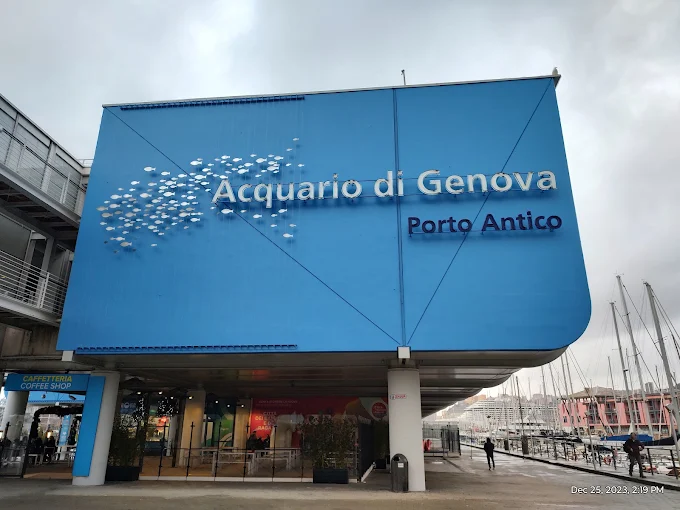
Genoa Aquarium Ocean Depths Meet Urban Wonder
The late sun glints off the harbor waters—casting shimmering reflections across the sleek glass façade of the Genoa Aquarium, where shadows of sharks glide silently behind curved panels. You hear the soft murmur of children marveling at jellyfish, the distant cry of gulls over Porto Antico, and the gentle hum of filtration systems that sustain entire ecosystems under one roof. Opened in 1992 for the Columbian Expo, this architectural marvel by Renzo Piano transformed a derelict dock into Europe’s largest aquarium, housing over 12,000 marine animals from 600 species across 70 tanks holding 4.5 million liters of seawater. From the haunting ballet of moon jellyfish to the playful antics of bottlenose dolphins, the aquarium doesn’t just display ocean life—it tells urgent stories of conservation, climate change, and human responsibility. In 2026, as rising seas threaten coastal cities like Genoa itself, this institution stands not as entertainment, but as a living classroom—a bridge between urban life and the fragile blue heart of our planet.
Why Genoa Aquarium Embodies Marine Stewardship
The Genoa Aquarium isn’t merely an attraction—it’s a pioneering model of scientific engagement and architectural innovation. Designed by Pritzker Prize-winning architect Renzo Piano as the centerpiece of Genoa’s 1992 Expo, it was conceived not just to showcase marine life, but to foster public understanding of oceanic ecosystems at a time when environmental awareness was still emerging. The structure itself—a series of interconnected glass cylinders echoing ship hulls—sits on reclaimed land in the historic Old Port, symbolizing the city’s maritime rebirth. Its crown jewel is the 1.5-million-liter cetacean tank, one of Europe’s few facilities dedicated to bottlenose dolphins, designed with veterinary oversight to prioritize animal welfare over spectacle. The aquarium also pioneered immersive exhibits: the Antarctic Ice Tank replicates sub-zero conditions for penguins, while the Amazon Rainforest biome houses piranhas, caimans, and anacondas in a humid, mist-filled environment. Crucially, it functions as a research hub—partnering with universities on coral restoration, plastic pollution studies, and sustainable aquaculture. In 2026, its mission has evolved beyond display: every ticket funds conservation programs, and interactive displays challenge visitors to reduce single-use plastics and protect biodiversity.
The Best Time to Experience Genoa Aquarium
To enjoy optimal viewing conditions and manageable crowds, target the precise window of May 18–June 12, 2026. During these weeks, daytime temperatures range from a comfortable 18–24°C (64–75°F)—ideal for combining an aquarium visit with harbor walks [[24], [27]]. Mornings between 9:00–10:30 AM offer calm tanks (animals are most active after feeding) and fewer school groups. Alternatively, September 10–24, 2026 provides similar conditions with softer light and post-summer tranquility. Avoid visiting during peak periods: all of July and August, when heat and humidity make indoor spaces crowded, and Italian holidays like Ferragosto (August 15), when wait times exceed 90 minutes [[29]]. For the most immersive experience, book the “Behind the Scenes” tour (€15 extra)—offered at 11:00 AM and 3:00 PM—and witness how staff prepare food for sharks or monitor water quality in real time. Always verify opening hours via the official website (acquariodigenova.it).
Approximate Budget for a 7-Day Trip (2026)
This budget reflects mid-range 2025 pricing adjusted for Italy’s projected 2026 inflation rate of 1.5% [[37]], offering a realistic estimate for a solo traveler based in Genoa’s historic center.
- Accommodation: €770–€1,050 total (€110–€150 per night) for a boutique hotel or private apartment near Via Garibaldi—central and within walking distance of the aquarium.
- Food: €490 total (€70 per day). Breakfast at a café (€4 for cappuccino and focaccia); lunch of trofie al pesto (€14); dinner at a family-run trattoria (€45 for seafood risotto, grilled octopus, and house Vermentino wine).
- Transportation: €65 total. Includes train from Milan or Florence (€25 round-trip); local bus pass (€15 for 7 days); and occasional taxi for luggage (€25).
- Attractions: €85 total. Genoa Aquarium entry (€32); Behind-the-Scenes tour (€15); Galata Maritime Museum (€14); guided historic port walk (€20); and gelato from Gelateria Profumo (€4).
- Miscellaneous: €90 total. A high-quality print of marine life (€25); locally made pesto kit (€20); leather journal from Libreria Feltrinelli (€30); and espresso at Caffè degli Specchi (€4).
Total Estimated Budget: €1,500–€1,790
6 Essential Genoa Aquarium Experiences
- Watch the Dolphin Feeding at 10:00 AM: Arrive early to witness trainers interact with bottlenose dolphins during their morning session. Educational commentary explains their social behavior and the aquarium’s ethical care standards.
- Walk Through the Jellyfish Tunnel: Step into a darkened corridor surrounded by pulsating moon jellyfish. Their bioluminescent glow against black water creates a meditative, otherworldly atmosphere.
- Explore the Amazon Rainforest Biome: Enter a humid, mist-filled greenhouse where piranhas dart below your feet and caimans bask under UV lamps—a stark reminder of freshwater ecosystem fragility.
- Attend the Conservation Talk at 2:00 PM: Held daily in the main hall, marine biologists discuss coral bleaching, microplastics, and how visitors can help—turning awe into action.
- Visit the Open Sea Tank: Stand before the 1.5-million-liter cylindrical tank—the largest in Europe—where sharks, rays, and schools of fish move in hypnotic synchrony around a simulated reef.
- Take the Behind-the-Scenes Tour: Book ahead to see filtration systems, food prep labs, and quarantine areas. It’s a rare glimpse into the science that keeps this underwater world alive.
3 Hidden Gems Most Travelers Miss
- Biosphere Greenhouse: Just steps from the aquarium, this transparent sphere houses a tropical rainforest ecosystem. Free with aquarium ticket, it’s often overlooked despite its immersive trails and bird calls.
- Museo del Mare Children’s Lab: Inside the Galata Maritime Museum, this interactive zone lets kids pilot virtual ships and dissect squid—ideal for families seeking hands-on learning.
- Caffè degli Specchi: Established in 1850, this historic café on Piazza De Ferrari serves espresso under frescoed ceilings. Locals gather here after aquarium visits—a perfect reflective pause.
Cultural & Practical Tips
- Book tickets online—at least 3 days ahead: Same-day entry often sells out in summer. Reserve timed slots via acquariodigenova.it to skip lines.
- Allow 3–4 hours minimum: Rushing defeats the purpose. Focus on key exhibits rather than trying to see everything.
- Respect animal welfare guidelines: Never tap on glass or use flash photography—it stresses marine life. Follow staff instructions during feeding sessions.
- Learn key phrases: “Dov’è l’acquario?” (doh-VEH lah-kwah-RYO?) for directions; “Grazie mille” (GRAHT-see-eh MEE-leh) for sincere thanks.
- Carry cash for small vendors: Many harbor kiosks don’t accept cards. Tipping isn’t expected, but rounding up is appreciated.
Conclusion: Travel with Curiosity, Not Just Cameras
In 2026, the Genoa Aquarium invites more than observation—it calls for engagement. Your €32 ticket funds coral restoration and anti-plastic campaigns; choosing the Behind-the-Scenes tour supports scientific literacy; discussing what you’ve learned with your children plants seeds of stewardship. Slow down: watch how a seahorse curls its tail, listen to the hush of a thousand visitors awed by a shark’s grace, reflect on your own role in the ocean’s future. By traveling with curiosity—prioritizing understanding over Instagram—you help ensure this aquarium remains not just a showcase, but a catalyst for change. Let your visit be a promise: that wonder, when paired with responsibility, can heal the blue heart of our world.