
Girona Jewish Quarter Medieval Stone Meets Catalan Memory
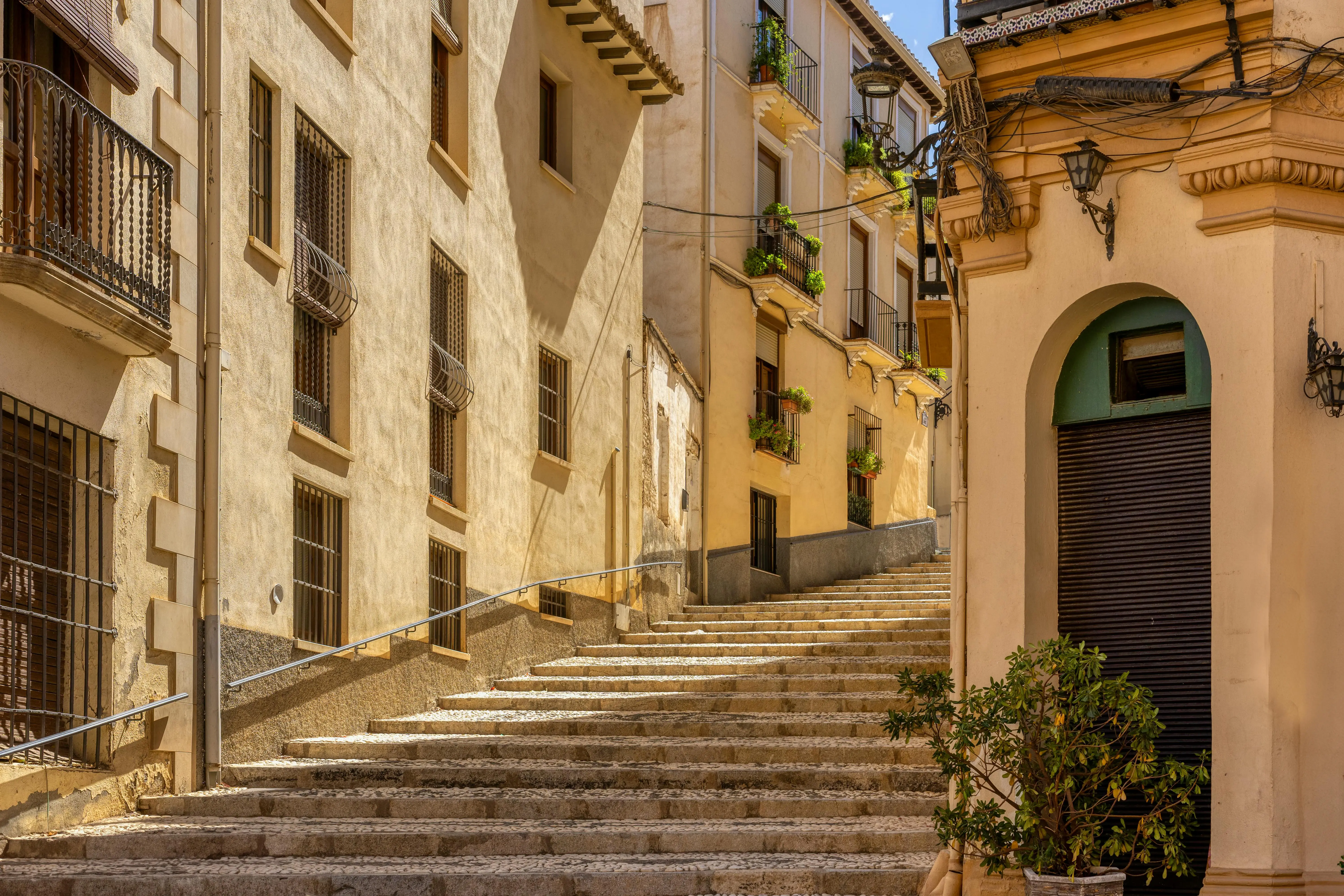
Twilight settles over the Call as lanterns flicker to life—casting long shadows across sandstone paving stones worn smooth by eight centuries of footsteps. You stand at the entrance of Carrer de la Força, breathing air scented with jasmine and old paper, listening to the silence that hangs heavy in streets barely 2 meters wide. This is the Girona Jewish Quarter, one of Europe's most preserved medieval neighborhoods, where 400 years of Jewish life flourished before the expulsion decree of 1492 shattered the community. The walls here speak in whispers; every archway and courtyard holds the memory of scholars, merchants, and mystics who walked this labyrinth while cathedrals rose nearby. In 2026, as global heritage sites face the dual threats of overtourism and cultural erasure, the Girona Jewish Quarter matters because it stands as a testament to coexistence and loss—demanding visitors walk not just as tourists, but as witnesses to a history that refuses to be forgotten.
Why Girona Jewish Quarter Embodies Medieval Coexistence
The Girona Jewish Quarter solves a fundamental historical puzzle: how a vibrant minority community thrived within the confines of a Christian kingdom for four centuries. This 4-hectare enclave, known as El Call, reached its peak population in the 13th century with approximately 300 Jewish families living in dense, multi-story stone houses. The quarter's layout reflects a specific social need: protection and privacy. Streets were designed narrow—not merely due to space constraints, but to create shade during hot Catalan summers and to limit access during periods of persecution. The architecture utilizes local sandstone and limestone, with buildings rising 3–4 stories high, connected by internal courtyards that shielded domestic life from the public eye.
Historical significance centers on the Bonastruc ça Porta Center, named after Rabbi Moshe ben Nahman (Nahmanides), who founded a renowned school of Kabbalah here in 1267. The quarter survived the 1391 pogroms that destroyed many other Catalan Jewish communities, only to fall victim to the 1492 Alhambra Decree issued by Ferdinand and Isabella. Today, the Patronat Call de Girona manages preservation efforts, maintaining 15 original medieval structures within the zone. Technical conservation involves laser scanning of facades to monitor erosion and humidity control in underground mikvehs (ritual baths). This preservation fulfills a need for tangible connection to Sephardic heritage; in 2026, amidst rising global intolerance, walking these stones offers a physical reminder of the intellectual and cultural contributions lost to expulsion.
The Best Time to Experience Girona Jewish Quarter
For optimal conditions—when the stone streets are cool and crowds are manageable—target April 15–June 10 or September 15–October 20. During these windows, daytime temperatures in Girona range 18–25°C (64–77°F), while evenings cool to 10–15°C (50–59°F), perfect for evening walks without heavy coats. For photography and atmosphere, arrive at the Cathedral steps by 8:00–9:00 AM, when morning light illuminates the facade before tour groups arrive.
The golden hour before sunset—approximately 8:30–9:30 PM in June, 7:00–8:00 PM in October—casts warm amber light onto the sandstone walls, creating ideal conditions for capturing the texture of medieval masonry. Visit Tuesday through Thursday to avoid weekend crowds from Barcelona; Saturday afternoons see visitor numbers exceed 3,000 people in the old town, creating bottlenecks in the narrowest alleys. Avoid August 1–20 unless you tolerate temperatures exceeding 32°C (90°F) and high humidity; similarly, avoid December 24–January 6 when many museums close for holidays or operate on reduced hours.
.
Approximate Budget for a 7-Day Trip (2026)
This budget reflects mid-range travel with comfortable accommodations, quality dining, and cultural experiences—based on 2025 pricing adjusted for Spain's projected 3.2% inflation rate for 2026. Girona is slightly cheaper than Barcelona, but prices rise during the Temps de Flors festival in May. This itinerary includes day trips to the Costa Brava.
Accommodation: €90–€180 per night
- 3-star hotel in Old Town: €90–€130 (Hotel Historic)
- Boutique hotel near Cathedral: €150–€180 (Hotel Carlemany)
- Rural apartment (self-catering): €100–€140 (requires 3-night minimum)
Food: €45–€75 per day
- Breakfast: €7–€12 (coffee, pastry, toast at local café)
- Lunch: €16–€28 (menú del día: Catalan sausage, fish, or meat with wine)
- Dinner: €25–€40 (traditional restaurant: steak, wine, dessert)
Transportation:
- Train Barcelona to Girona (RENFE): €18 one-way, 38 minutes
- Local bus within Girona: €1.50 per ride
- Rental car (7 days, compact): €260–€330 (for coastal day trips)
- Fuel for regional exploration (350 km): €55–€65
Attractions & Experiences:
- Jewish History Museum entry: €6
- Girona Cathedral entry: €8
- Arab Baths entry: €3
- Guided Jewish Quarter tour: €15
- Costa Brava boat trip: €45
Miscellaneous:
- Local wine (Empordà DO, bottle): €12–€25
- Souvenirs and art prints: €30–€60
- Travel insurance (7 days): €35–€55
- Emergency fund: €100 (recommended)
Total for 7 days (mid-range): €1,300–€1,750 per person (excluding international flights)
6 Essential Girona Jewish Quarter Experiences
- Walk the Carrer de la Força: This main artery cuts through the heart of the Girona Jewish Quarter. Begin at the Cathedral steps and walk south toward Plaça del Oli. The street is paved with original 14th-century stones; listen to the sound of your footsteps echoing off the walls. Look for the mezuzah marks on doorframes—faint indentations where scrolls once rested. Allow 30 minutes; best visited at 9:00 AM when light filters through the narrow canyon. Photography is permitted; respect residents' privacy.
- Visit the Bonastruc ça Porta Center: Located at Carrer de la Força 8, this building houses the Jewish History Museum. Open Tuesday–Saturday, 10:00 AM–6:00 PM. Entry €6; includes audio guide in five languages. The exhibition details daily life, persecution, and intellectual achievements. The courtyard features a reconstructed mikveh. Allow 60 minutes. This experience provides crucial context for the streets you walk. Guides are available at 11:00 AM and 4:00 PM for deeper insight.
- Explore the Cathedral Nave: The Girona Cathedral boasts the widest Gothic nave in the world (23 meters wide). Climb the 90 stone steps to the entrance. Inside, the Baroque altarpiece contrasts with the minimalist Gothic structure. Entry €8; open 10:00 AM–6:30 PM. The view from the steps overlooks the red-tiled roofs of the Jewish Quarter. Best visited at 5:00 PM when light hits the facade. Photography permitted without flash. This landmark dominates the skyline you navigate from below.
- Dine on Catalan Jewish Cuisine: Experience the culinary legacy at Restaurant El Call (Carrer de Sant Llorenç 5). Reserve a table for 9:00 PM. Order chigri (chickpeas with meat) or pan d'espècies (spice bread), recipes preserved from the 15th century. The interior features exposed stone walls and vaulted ceilings. Prices average €35 per person without wine. This meal connects you to the flavors that survived the expulsion. Wine pairing: Garnacha from Empordà (€18 per bottle).
- Discover the Arab Baths: Although named "Arab," these 12th-century baths were used by Jews and Christians alike. Located at Carrer de la Fontana d'Or 1. Entry €3; open 10:00 AM–7:00 PM. The central pool is surrounded by horseshoe arches supported by double columns. The acoustics amplify the sound of water flowing. Allow 45 minutes. This site illustrates the shared hydraulic engineering of medieval Girona. Best visited midday when light penetrates the clerestory windows.
- Attend the Temps de Flors (May): If visiting in May, this festival transforms the quarter into a floral exhibition. Over 90 installations decorate courtyards and streets. Dates vary annually (usually second week of May). Entry to most installations is free. Crowds are significant; arrive by 8:00 AM. This event highlights the community's effort to beautify the historic space. It is a unique convergence of nature and heritage. Check dates at tempsdeflors.cat.
3 Hidden Gems Most Travelers Miss
- El Mirador de la Muralla: While thousands walk the streets below, this viewpoint on the medieval wall offers panoramic views of the quarter's layout. Access via Carrer de la Muralla. Open 10:00 AM–8:00 PM (summer). Entry €5. The vantage point reveals how the Jewish Quarter was physically separated from the Christian city by walls. It is overlooked because it requires a climb. Best visited at sunset when the stone glows. Bring water; shade is limited. This perspective contextualizes the isolation the community faced.
- Casa de l'Ardiaca (Archdeacon's House): Located near the Cathedral, this building features a courtyard with a turtle pond and hanging swallows' nests. Entry free; open 9:00 AM–7:00 PM. The architecture blends Roman, medieval, and modernist elements. It is special because it shows the layering of history beyond the Jewish period. Visit at 12:00 PM when light hits the courtyard. No photography inside the museum section. This site offers a quiet respite from the busy streets. It is often missed by focused heritage tourists.
- Synagogue Ruins at Carrer de la Llibertat: Recent archaeological excavations revealed foundations of a medieval synagogue beneath modern buildings. Access is limited; join a specialized tour via the Visitor Center (€12, Saturdays at 11:00 AM). The site includes ritual bath remnants and pottery shards. It is overlooked because it is not always open to the public. Booking 2 weeks ahead is essential. This experience offers a tangible connection to worship spaces lost in 1492. Wear sturdy shoes; the ground is uneven.
Cultural & Practical Tips
- Language etiquette: Catalan is the primary language; Spanish is widely understood. Key phrases: Bon dia (BON DEE-ah = good morning), Si us plau (see oos PLAW = please), Gràcies (GRAH-see-es = thank you), Parla anglès? (PAR-lah ang-LES = do you speak English?). Using Catalan greetings shows respect for local identity.
- Photography guidelines: Flash photography is prohibited inside museums and the Cathedral. Tripods require written permission from the city council (email turisme@girona.cat 7 days ahead). Respect residents' privacy; many homes in the quarter are private residences, not shops. Do not photograph people without permission. Best light for street photography is early morning or late evening.
- Footwear imperative: Girona streets are paved with irregular cobblestones and smooth sandstone. Heels and smooth-soled shoes are dangerous. Wear sneakers or flats with grip. The incline toward the Cathedral is steep; comfortable walking shoes are non-negotiable for enjoying the quarter. Rain makes the stones slippery; exercise caution in wet weather.
- Accessibility considerations: The Jewish Quarter is challenging for wheelchairs due to steps and narrow streets. The Museum has a ramp, but many alleys are inaccessible. Electric scooters are prohibited in the oldest zones. Inform tour guides of mobility issues in advance; they can adjust routes. Taxis can drop off near Plaça del Oli, but not deeper into the Call.
- Weather considerations: Girona can be windy, especially the Tramuntana. The stone streets channel wind, making it feel colder. Bring a windbreaker even in summer. Summer temperatures exceed 30°C; the narrow streets provide shade but can feel stuffy. Check forecasts at meteocat.gencat.cat before traveling. Winter nights can drop to 5°C; layer clothing.
- Dining schedules: Lunch runs 1:30–3:30 PM; dinner doesn't begin until 8:30 PM. Many restaurants close between 4:00–8:00 PM; plan accordingly. For authentic Empordà cuisine, try suquet de peix (fish stew) or botifarra (sausage). Reservations recommended for weekends. Tipping 5–10% is appreciated for good service. Water is safe to drink from taps.
- Security checks: Bag checks are common at major attractions. Large backpacks must be checked in cloakrooms (free). Scanners detect metal; remove belts and keys to speed up process. Prohibited items include food, drinks, and sharp objects. Allow 15 minutes extra for security during peak times. This ensures safety for the invaluable artworks and structures inside.
Conclusion: Travel with Memory, Not Just Checklists
The Girona Jewish Quarter does not exist merely for your Instagram feed—it stands as a silent witness to centuries of faith, persecution, and resilience. What it deserves is your memory: the willingness to walk slowly down cobblestone streets without rushing to the next landmark, to understand that the silence here is not empty but filled with echoes of a community erased, to recognize that this neighborhood is a home first and a heritage site second. In 2026, as historical narratives are increasingly contested, Girona offers a model of preservation—demonstrating how cities can honor painful pasts without sanitizing them. Sit on the Cathedral steps not to check a box, but to contemplate the view the scholars once shared. Eat the spiced bread not for novelty, but to taste a recipe that survived expulsion. Let the stone walls teach you that endurance is quiet. Travel to Girona not to consume history, but to honor it, ensuring your visit respects the memory of those who walked these paths before you and whose legacy remains etched in every archway.