
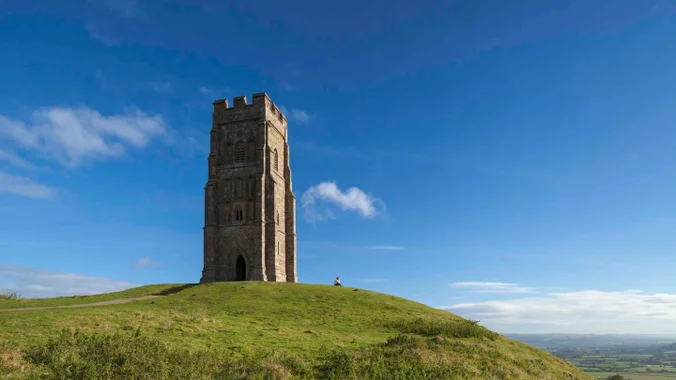
Glastonbury Tor Ancient Myth Meets Somerset Mist
Mist clings to the grassy slopes as dawn breaks over the Somerset Levels—silver light filtering through the skeletal windows of St Michael's Tower while the scent of damp earth and wild thyme fills the air. You stand at the base of the Glastonbury Tor, 158 meters (518 feet) of limestone rising abruptly from the flatlands, while the distant chime of church bells echoes from the town below. Construction of the tower began in the 14th century following an earthquake in 1275 that destroyed the original church; unlike other ruins left to decay, this structure remains a beacon for pilgrims, pagans, and historians alike. As you trace the cold stone of the battlements, looking out over a landscape steeped in Arthurian legend and spiritual seeking, you realize this place matters now more than ever: in a fragmented world, the Glastonbury Tor stands as a testament to enduring belief, a physical anchor for myths that continue to shape cultural identity in 2026.
Why Glastonbury Tor Embodies Spiritual Heritage
The Glastonbury Tor is not merely a hill; it is a layered archive of human devotion carved into the landscape. Archaeological evidence suggests activity here dates back to the Neolithic period, with the site later becoming a focal point for Celtic Christianity and medieval pilgrimage. The tower itself, built around 1334 by Abbot Adam of Sodbury, stands 11 meters (36 feet) tall and serves as the only remaining structure of a church dedicated to St Michael. This structure solved a spiritual need for a high-place sanctuary, visible for miles across the flooded levels that once surrounded the island-like tor. Technical analysis of the seven terraces winding around the hill suggests they may be man-made lynchets, possibly created for pilgrimage processions or agricultural use during the medieval period.
Today, it fulfills a cultural need for connection to the numinous in an secular age. Managed by the National Trust since 1933, the site hosts over 400,000 annual visitors who walk the paths worn smooth by centuries of footsteps. The geology consists of Blue Lias stone, capped with Pennard Sandstone, creating a distinct silhouette against the sky. When you walk the terraces, you traverse a space where monks chanted, where Glastonbury Festival-goers seek sunrise solace, and where legends of King Arthur's Avalon converge with historical fact. The Glastonbury Tor represents a continuous narrative of faith and folklore, preserved by the very organization that now maintains the grass against the encroaching scrub of the Somerset countryside.
The Best Time to Experience Glastonbury Tor
To witness the Glastonbury Tor in optimal atmospheric conditions, plan your visit between May 15 and June 25. During this window, temperatures average 14-19°C (57-66°F), and daylight extends until 9:15 PM, providing ample time for sunset vigils. The best light for photography occurs between 5:30-7:30 AM when morning mist lifts off the Levels, and 7:00-9:00 PM for golden hour illumination on the tower. Visiting early also allows you to climb before tour buses arrive from Bath and Bristol, typically between 10:00 AM and 2:00 PM.
Autumn offers a secondary window—specifically September 10 to October 15—when summer crowds dissipate and the grass turns russet and gold. Temperatures remain mild at 12-17°C (54-63°F), though daylight hours shorten rapidly. Avoid June 20 to June 22 (Summer Solstice) if you seek solitude, as visitor numbers swell to 10,000+ for sunrise celebrations. Winter months (November-February) offer solitude but challenging conditions; mud makes the climb slippery, and sunset occurs as early as 4:05 PM in December. For current path conditions and closure notices, verify information at www.nationaltrust.org.uk/glastonbury-tor or contact the visitor center at +44 (0)1458 831154.
Approximate Budget for a 7-Day Trip (2026)
Exploring the Glastonbury Tor and the wider Somerset countryside requires moderate budgeting, as rural southern England commands premium prices during peak season. The following budget reflects mid-range travel for one person in 2026, accounting for approximately 4.2% UK inflation (ONS data, January 2026). Prices assume a base in Glastonbury town center for optimal access to the tor and surrounding spiritual sites.
- Accommodation: £90-£150 per night for a boutique inn or B&B in Glastonbury town center (6 nights = £540-£900). Budget options: £50-£70 for hostels in Street or camping at Wookey Hole.
- Food: £50-70 per day total • Breakfast: £10-15 (Full English at The Abbey Hotel) • Lunch: £15-20 (Ploughman's lunch at The George & Pilgrims) • Dinner: £25-35 (Three-course meal at The King Arthur or Zorba's)
- Transportation: • Train London Paddington to Castle Cary + Bus 376: £70-120 return • Local bus (Route 376): £4.50 day pass • Car rental (recommended): £65/day plus fuel £1.58/liter • Parking at Glastonbury: £6/day (March-October)
- Attractions: • Glastonbury Abbey Entry: £13 • Chalice Well Trust Donation: £5 • Somerset Rural Life Museum: £8 • Free: Tor climb, town exploration, public footpaths
- Miscellaneous: • Ordnance Survey Explorer Map 141: £10.99 • Local crystal souvenirs: £25 • Travel insurance: £40-60 for week • Waterproof gear rental: £20
Total estimated cost: £1,350-£1,650 for 7 days (excluding international flights)
5 Essential Glastonbury Tor Experiences
- Climb the Tor at Sunrise: Arrive at the base by 5:00 AM during May-August. The path is steep and uneven; wear sturdy boots with ankle support. The climb takes 20 minutes and gains 158 meters (518 feet) in elevation. The view from the top encompasses the Somerset Levels and Brecon Beacons on clear days. Bring a windbreaker; exposure at the summit creates wind chill 5°C below town temperatures. Stay for 30 minutes after sunrise to watch the mist burn off.
- Walk the Seven Terraces: Follow the spiral path winding around the hillside rather than the direct zig-zag. The terraces are approximately 1 meter (3 feet) high and may be ancient agricultural features. Walking the full circuit takes 45 minutes and offers varying perspectives of the tower. The grass is often wet; watch your footing on the inner edges. This experience connects you to the historical procession routes used by medieval pilgrims ascending the hill.
- Explore Glastonbury Abbey Ruins: Located 1 kilometer from the tor base, this site houses the alleged graves of Arthur and Guinevere. Entry is £13. Spend 90 minutes examining the abbot's kitchen and lady chapel. Open 9:00 AM-5:00 PM daily. The staff provide free talks on the fire of 1184 and the dissolution in 1539. This context enriches your tor visit, linking the hilltop spirituality to the monastic power below.
- Visit the Chalice Well: Walk to the foot of the tor to access this spiritual garden (£5 donation). The iron-rich water flows red from the spring, legend says mixed with Christ's blood. Spend 60 minutes in the meditation garden. Open 10:00 AM-5:00 PM daily. The sound of water flowing over stones provides a calming contrast to the windy summit. Purchase a glass vial of water as a tangible souvenir of the site.
- Attend Evensong at St John's: Reserve a seat at the parish church in the town center. The choir performs at 5:30 PM on Sundays. The acoustic resonance of the 15th-century roof against the stone walls creates a physical sensation of sound. No ticket is required, but a donation is customary. Silence is strictly enforced during the service. This experience connects you to the living Christian tradition that coexists with pagan spirituality.
3 Hidden Gems Most Travelers Miss
- Beckery Chapel Ruins: While crowds cluster at the tor, this small chapel 1 kilometer west remains surprisingly quiet. Access via the footpath from Beckery Road (parking at ST495395). The site dates to the 14th century and was associated with St Bridget. Visit between 4:00-6:00 PM for golden light on the stone walls. No facilities exist—bring water and a headlamp for the return. The National Trust notes this area has high archaeological potential but limited excavation, making it a site of quiet mystery.
- Wearyall Hill Thorn Tree: Contact the Glastonbury Order of Druids (+44 (0)1458 831154) for access to the site of the original Holy Thorn. The current tree is a replacement planted in 2010 after vandalism. Access is restricted to the hilltop path; do not climb the fence. The view from here rivals the tor but with fewer people. Best visited May-June when the thorn blooms twice annually. This site offers a tangible connection to the Joseph of Arimathea legend without the commercialization of the town center.
- The White Spring Temple: Located near the Chalice Well, this modern temple offers a contrast to ancient ruins. Access is free; open 10:00 AM-5:00 PM daily. The interior features white stone and water channels designed for contemplation. Visit during weekday mornings when the space is empty. The acoustics amplify whispering, creating an intimate atmosphere. This site demonstrates how modern spirituality adapts ancient traditions, offering a clean, quiet space for reflection away from the muddy tor paths.
Cultural & Practical Tips
- Respect spiritual practices: You may encounter drumming, meditation, or rituals on the summit. Observe quietly; do not interrupt. The tor is a working spiritual site for many, not just a tourist viewpoint. Keep noise levels low, especially near the tower walls.
- Understand path conditions: The climb involves steep, uneven grass and stone steps. Check www.nationaltrust.org.uk for mud warnings. Never attempt the climb in icy conditions without crampons. If paths are wet, wear shoes with deep tread. The National Trust closes the top during severe weather for safety.
- Leave no trace: Remove all litter, including ritual offerings like crystals or ribbons. The Trust collects 5 tonnes of waste annually from the summit. Do not remove stones or plants—this violates the Wildlife and Countryside Act 1981. Photograph offerings in situ instead of taking them.
- Learn local terminology: "Avalon" (mythical island); "Lynchet" (agricultural terrace); "Vigil" (night watch). Using these terms shows respect for local heritage and helps guides assist you better during tours.
- Photography guidelines: Tripods are permitted on the grass but restricted inside the tower ruins during busy periods. Drone use requires written permission from the National Trust and Civil Aviation Authority—apply 6 weeks in advance. Respect other visitors; do not block pathways for extended shoots during peak hours (10:00 AM-2:00 PM).
- Weather preparedness: The summit is exposed; wind chill is common even in summer. Pack waterproof layers; Somerset showers are sudden. Wear sturdy shoes with ankle support—grass becomes slippery when wet. Sun protection is essential; reflection from green grass increases UV exposure by 15%.
- Accessibility considerations: The tor climb is not wheelchair accessible due to steep gradients. Alternative viewing exists from the town center and Abbey grounds. The Abbey site is partially accessible. Request an accessibility map at the ticket office upon arrival.
Conclusion: Travel with Reverence, Not Just Sightseeing
The Glastonbury Tor does not exist merely to be climbed—it exists to be felt as a nexus of earth and sky. When you stand on this summit in 2026, you are not observing a static monument; you are entering a space where myth and history converge over 158 meters of stone. The monks who built the tower are gone, but their vision remains embedded in the landscape. The pilgrims who walked the terraces are gone, but their paths remain worn into the grass. This is not heritage frozen in amber—it is heritage living, breathing, enduring.
So slow down. Sit on the grassy banks for ten minutes without your phone. Listen to the wind that once carried the sounds of chanting and now carries the cries of buzzards. Buy your lunch from a café whose owners pay rates that support the local community. Donate to the National Trust rather than purchasing mass-produced souvenirs. Leave only footprints on ancient grass, take only memories of mist and stone, carry home only the profound understanding that some things—faith, legend, natural beauty—cannot be rushed, cannot be owned, can only be honored. The tor will still rise above the levels in 2126 if we choose stewardship over exploitation today.