
Hadrian's Wall Roman Engineering Meets Northumberland Wilderness
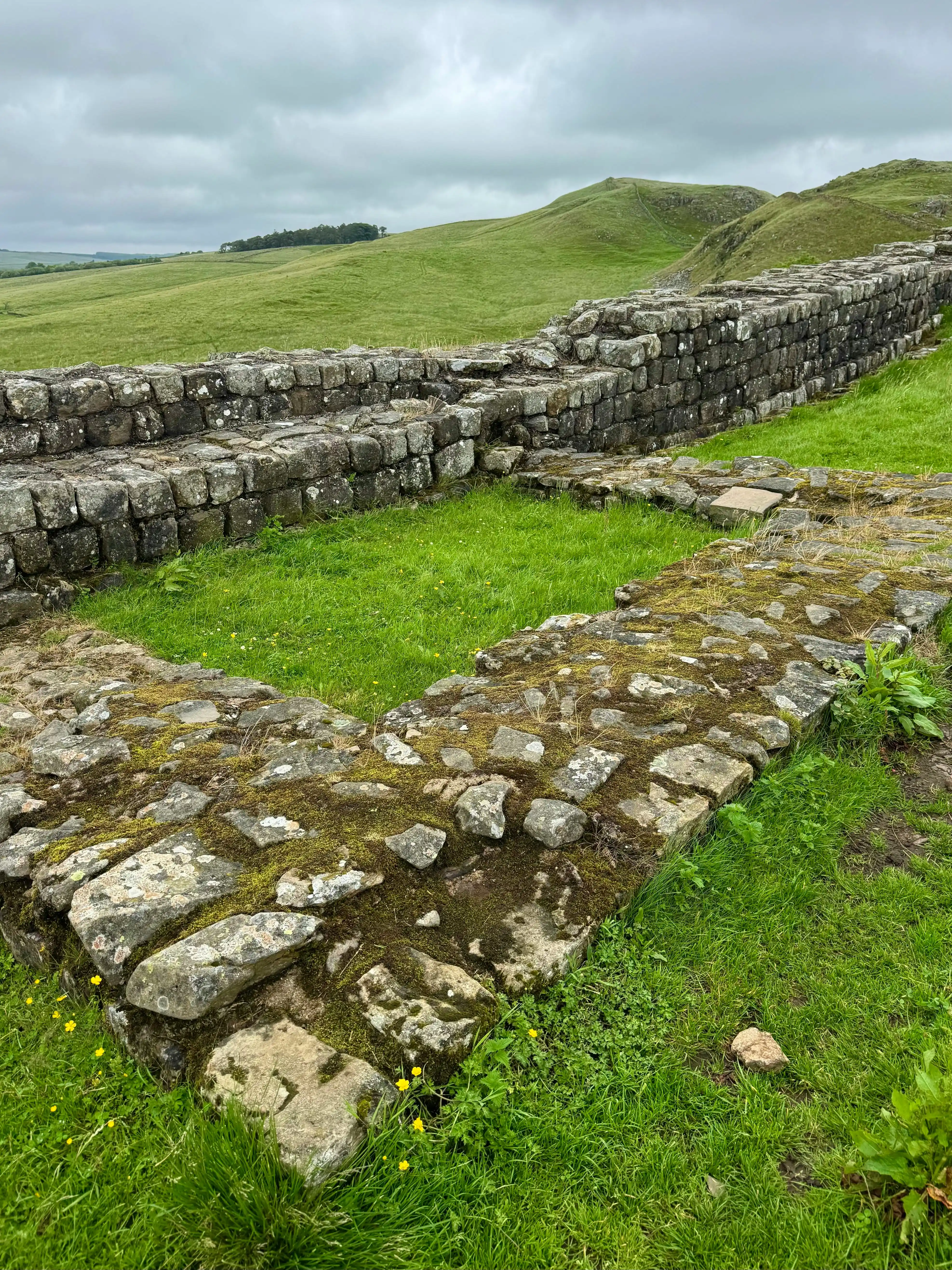
The wind howls across the crags like a legionnaire's horn—sharp, persistent, carrying the scent of peat and ancient rain. You stand atop Winshields Crags at 345 meters, the highest point on the wall, looking west where the stone ribbon dissolves into the mist. It is 73 miles (117 kilometers) of gritstone and turf, built starting in 122 AD under Emperor Hadrian's orders to define the edge of an empire. Below, the hexagonal stones of Housesteads Fort lock together without mortar, defying gravity and time alike. This is not a static ruin preserved in amber; it is a living landscape where sheep graze between milecastles and modern hikers trace the footsteps of 15,000 Roman soldiers. In 2026, as digital distractions fragment our attention, Hadrian's Wall matters now more than ever: it demands physical engagement with history, forcing you to walk the distance, feel the weather, and understand the sheer human effort required to hold a border against the wild.
Why Hadrian's Wall Embodies Military Precision and Frontier Life
Hadrian's Wall represents the most sophisticated border control system of the ancient world, solving the critical problem of managing movement across a volatile frontier. Construction began in 122 AD and took approximately six years to complete, utilizing local sandstone and turf depending on the geological substrate. The wall originally stood 4.5 meters (15 feet) high and 3 meters (10 feet) wide, narrowing to 2.5 meters in later sections to conserve materials. This engineering feat fulfilled a dual need: defense against northern tribes and regulation of trade through controlled gateways at every milecastle.
Beyond the stone barrier itself, the Vallum—a massive ditch and mound system running south of the wall—created a military zone 150 meters wide, restricting civilian access to the frontier strip. Sixteen major forts, such as Vindolanda and Housesteads, housed auxiliary units from across the empire, including Batavians from the Netherlands and Thracians from Bulgaria. Archaeological finds here, including the Vindolanda Writing Tablets dated to 90–120 AD, provide intimate details of soldier life: requests for beer, complaints about cold weather, and birthday invitations. This density of information solves the historical need to understand the human element behind imperial machinery. When you walk the foundation stones, you traverse a complex ecosystem of barracks, hospitals, and bathhouses that sustained a population comparable to a modern town, proving that borders are not just lines on a map but lived realities.
The Best Time to Experience Hadrian's Wall
For optimal walking conditions and visibility, target May 15–June 12 or September 5–October 15. During these windows, daytime temperatures average 14°C (57°F) in late spring and 13°C (55°F) in early autumn, providing comfortable conditions for hiking the 84-mile National Trail without midsummer heat stress. The ideal start time is 8:00–9:00 AM, when morning light illuminates the stone textures and before tour buses arrive at major forts. Morning mist often clears by 10:30 AM, revealing panoramic views across the Tyne Valley.
Specifically, visit Housesteads Fort between 9:30 AM and 11:30 AM when the sun strikes the granary foundations perfectly for photography. The Roman Army Museum is best experienced at 2:00 PM when indoor exhibits provide shelter from afternoon wind gusts. Avoid August Bank Holiday weekend (last weekend of August 2026), when visitor numbers spike to 5,000 daily at popular sites, creating congestion on narrow paths. Also avoid December 20–January 5, as some facilities reduce hours and daylight shrinks to 7 hours, limiting hiking safety. Rain is frequent; however, the wall looks most dramatic under stormy skies. Verify site opening times at english-heritage.org.uk before travel, as conservation work occasionally closes sections.
Approximate Budget for a 7-Day Trip (2026)
Exploring Hadrian's Wall requires budget allocation for transportation along the linear site, as public transport is limited. Prices reflect 2026 rates with approximately 4% inflation adjustment from 2025 data. Accommodation costs vary between Hexham (town base) and B&Bs along the wall path.
Accommodation: £90–£160 per night
• Budget B&B (Hexham outskirts): £65–£85 per night double room
• Mid-range Hotel (Hexham center): £110–£150 per night
• Luxury (Country House near Wall): £200–£300 per night
Food: £35–£55 per day
• Breakfast: £7–£12 (Full English at café: £10.50; pastry + coffee: £6)
• Lunch: £10–£15 (Pub sandwich: £8.50; hot meal: £14)
• Dinner: £18–£28 (Pub meal: £22; fine dining: £40+)
Transportation:
• London to Hexham (Train): £95–£140 return (advance booking)
• AD122 Bus (Wall route): £10 day ticket (unlimited hops)
• Car rental (compact): £40 per day + fuel (£1.50 per liter)
Attractions:
• Housesteads Fort (English Heritage): £12 adult
• Vindolanda (Independent): £16 adult
• Roman Army Museum: £9 adult
• National Trail Access: Free
Miscellaneous:
• Guidebook and map: £15
• Souvenirs (replica coins): £10–£20
• Parking (if driving): £5 per day (free for members)
• Rain gear (essential): £30
Total for 7 days (mid-range): £1,200–£1,600 per couple
Total for 7 days (budget): £800–£1,050 per couple
7 Essential Hadrian's Wall Experiences
- Walk the Wall at Housesteads Fort: Enter the site at 9:30 AM to explore the most complete Roman fort in Britain. Walk the 200-meter stretch of wall adjacent to the fort where the original facing stones remain visible. Stand in the latrine block to understand the communal sanitation system used by 800 soldiers. The view north from the ramparts reveals the steep drop into No Man's Land. Allow 90 minutes minimum; the audio guide provides crucial context for the ruins.
- Examine the Vindolanda Writing Tablets: Visit the museum at Vindolanda Fort to see the actual wooden tablets dated to 100 AD. These handwritten letters reveal personal requests for socks and beer, humanizing the soldiers. The site includes reconstructed buildings you can enter. Arrive at 10:00 AM when volunteer guides begin demonstrations of Roman writing techniques. The smell of wood smoke from the reconstructed hearths adds sensory depth to the visual experience.
- Visit the Sycamore Gap Site: Though the famous tree fell in 2023, the location remains iconic. Stand in the dip where the wall dives between hills, framed by the remaining stump. The best light occurs at 7:00 PM in summer when the sun sets behind the western ridge. It is a place of memory now; respect the fencing protecting the root system. Photograph the wall snaking up the opposite slope without the tree distraction.
- Hike Winshields Crags Summit: Trek the 3-kilometer section to the highest point on the wall. The path is boggy; wear waterproof boots with ankle support. At the summit, 345 meters above sea level, the view spans 30 kilometers across Northumberland. The wind is relentless here; secure loose clothing. This section offers the most dramatic photography opportunities of the wall silhouette against the sky.
- Explore the Roman Army Museum: Located at Greenhead, this museum uses interactive displays to simulate soldier life. The 3D film show runs every 30 minutes; catch the 11:00 AM screening. The exhibition explains the weaponry and tactics used to defend the frontier. It provides necessary context before walking the actual sites. Allow 60 minutes; the café offers views over the Tipalt Valley.
- Walk Chesters Roman Fort: Visit the best-preserved Roman cavalry fort in Britain. The bathhouse is exceptionally intact, featuring heated rooms and cold plunge pools. Walk down to the River Tyne where the bridge abutments remain visible in the water. The site is less crowded than Housesteads; visit at 2:00 PM for solitude. The grassy parade ground shows where horses were trained daily.
- Watch Sunset at Birdoswald: End your day at Birdoswald Fort where the wall stretches over 200 meters continuously. The sunset illuminates the stone in golden hues around 8:30 PM in June. The visitor center closes at 5:00 PM, but the exterior grounds remain accessible. Stand on the edge where the wall stops abruptly at the Irthing Gorge. It is a poignant moment to reflect on the empire's limit.
3 Hidden Gems Most Travelers Miss
- Carrawburgh Mithraeum (Brocolitia): Located off the B6318, this temple dedicated to the god Mithras sits in a hollow near the wall. Access: Follow signs from Carrawburgh farm; walk 400 meters downhill. Open dawn to dusk (free). Why overlooked: It is unstaffed and requires a walk from the road. What makes it special: The altar stones remain in situ, creating a spiritual atmosphere absent from reconstructed sites. Insider tip: Visit at twilight when the hollow feels secluded and ancient; bring a flashlight for the return walk.
- Great Chesters Aqueduct: Near Aesica Fort, the remains of the aqueduct that supplied water to the fort are visible as earthworks. Access: Park at Aesica car park; follow the footpath north for 600 meters. Why overlooked: It looks like a grassy mound to untrained eyes. What makes it special: It demonstrates the hydraulic engineering required to sustain 500 soldiers in a dry landscape. Insider tip: Look for the stone channels visible after heavy rain when water flows through the ancient course.
- Walltown Crags Quarry: Just west of Great Chesters, this disused quarry exposes the geological foundation of the wall. Access: Follow the National Trail west from Walltown car park for 1 kilometer. Why overlooked: Most walkers pass by without stopping. What makes it special: You see the whinstone rock the Romans quarried to build the wall face. Insider tip: The quarry offers a unique perspective on the labor intensity; imagine 15,000 men extracting stone by hand.
Cultural & Practical Tips
- Code of conduct: Never remove stones from the wall. It is illegal under the Ancient Monuments and Archaeological Areas Act 1979. Rangers monitor popular spots; fines can reach £5,000. Respect the landscape; stay on designated paths to prevent erosion of the archaeological turf.
- Footwear requirements: The National Trail is muddy year-round. Wear waterproof walking boots with deep tread; trainers become slippery on wet stone. The terrain includes stiles and uneven ground; trekking poles are recommended for stability on steep crags.
- Weather preparedness: Northumberland weather changes rapidly. Carry layers even in summer; temperatures can drop 6°C when wind picks up on exposed crags. Rain jackets are essential; umbrellas are useless in high winds. Check the Met Office forecast specifically for Hexham or Haltwhistle.
- Local phrases: Geordie dialect is common in nearby towns. "Canny" = good/nice (e.g., "That's a canny view"); "Hadaway" = go away/hurry up. Pronunciation is distinct; listen rather than mimic. Staff appreciate polite greetings; "Good morning" is preferred over casual slang in formal sites.
- Photography guidelines: Photography is permitted outdoors without restriction. Inside museums, flash photography is prohibited to protect artifacts. Drones are prohibited over scheduled monuments without specific license from Historic England. Respect other visitors; do not block paths for extended shots.
- Transportation reality: The AD122 bus runs hourly in summer but reduces to 4 times daily in winter. Missing the last bus (5:00 PM) means a costly taxi ride. Plan your hike segments to match bus stops. Driving offers flexibility but parking fills by 10:00 AM at Housesteads.
- Seasonal considerations: Livestock grazing occurs on the wall path May–September; keep dogs on leads. Lambing season (April) restricts access to certain fields. Winter visits offer solitude but shorter daylight; carry a headlamp if hiking late. Check English Heritage alerts for path closures due to erosion repair.
Conclusion: Travel with Reverence, Not Just Checklists
Hadrian's Wall resists the impulse to be conquered. You cannot "complete" this frontier by snapping a photo at Sycamore Gap and departing. This landscape demands something deeper than checklist tourism: it asks for your physical effort as you climb the crags, your imagination as you reconstruct the forts, your respect as you walk ground where soldiers died far from home. In 2026, when travel often feels like consumption, the wall offers an alternative: contemplation. When you pay the entry fee, you contribute directly to the conservation of stones that have stood for 1,900 years.
Travel here with reverence. Speak softly in the bathhouses; listen to the wind between the stones. Notice the hands that built this—the legionnaires who quarried rock without power tools. Let the wall work on you slowly, like the weathering of sandstone. In an age of digital saturation, Hadrian's Wall provides something countercultural: the profound weight of endurance, the understanding that you are merely a temporary guest in a story that began in 122 AD and will continue long after you depart. That is a souvenir no gift shop can sell.