
Isle of Wight Beaches Chalk Cliffs Meet Turquoise Tides
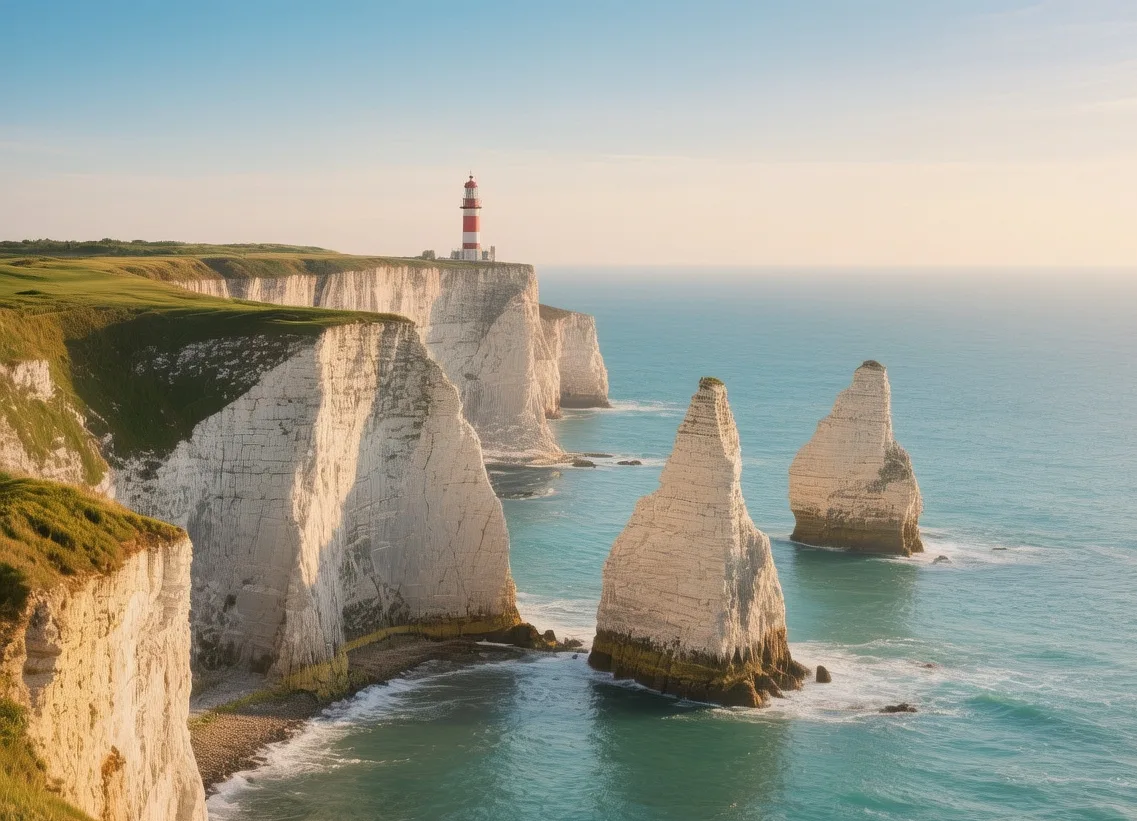
The waves lap—a gentle, rhythmic hush against the golden sand—as you stand on the shore at 7:15 AM, watching the sun ignite the Needles chalk stacks in the distance. The air smells of salt spray and wild thyme; the silence hums with the weight of 125 million years of geological history carved into the coastline. Stretching 104 kilometers around the island's perimeter, the Isle of Wight beaches offer some of England's most diverse coastal landscapes, from sweeping sandy bays to dramatic shingle shores and hidden coves accessible only at low tide. You stand where Victorian holidaymakers once promenaded, where dinosaur fossils erode from the cliffs, and where modern families seek refuge from the mainland's pace. The sand, warmed by the Gulf Stream, stretches for miles along the southern coast, while the northern shores present a rugged contrast of chalk and flint. In 2026, as coastal erosion threatens historic shorelines globally, visiting the Isle of Wight beaches means engaging with a fragile paradise that balances natural beauty with conservation. This place matters now because it remains one of Britain's most accessible island escapes, challenging visitors to slow down and witness the timeless dance between land and sea.
Why Isle of Wight Beaches Embodies Coastal Natural Heritage
The Isle of Wight beaches solve the geological puzzle of creating England's most diverse coastal landscape within a compact 384-square-kilometer island—a feat achieved through 125 million years of sedimentary deposition and erosion. The island's southern coast features the famous Compton Bay and Shanklin Sands, where golden sand stretches for 3 kilometers, backed by 60-meter-high sandstone cliffs that glow amber in the sunlight. Engineering-wise, the island's unique position in the English Channel creates a microclimate that is 2°C warmer than the mainland, allowing Mediterranean flora to thrive alongside traditional British coastal vegetation. The western coastline showcases the iconic Needles chalk formation, three stacks of white limestone rising 30 meters from the sea, formed when the land bridge to the mainland eroded approximately 8,000 years ago. The eastern shores present a different character entirely, with pebble beaches and sheltered bays like Bembridge offering safe anchorage for boats. Today, the Isle of Wight Council manages 50 kilometers of coastline through the Coastal Protection Program, balancing public access with erosion control measures that combat the loss of up to 1 meter of cliff per year in vulnerable areas. This unique status ensures the Isle of Wight beaches remain not merely a tourist destination but a protected natural heritage site, blending geological significance with recreational access in a manner few coastal regions sustain.
The Best Time to Experience Isle of Wight Beaches
For optimal weather and manageable crowds, plan your visit between May 18–June 12 or September 10–October 15, when temperatures range from 16–23°C (61–73°F) and daylight extends until 9:00 PM. Arrive precisely at 8:00 AM when the tide is low to explore the maximum beach area; the morning light illuminates the sand beautifully without the glare of midday sun. Evening visits during summer offer a romantic atmosphere as the sun sets over the Solent, though facilities begin closing after 6:00 PM. Avoid August 25–September 2 when the Bank Holiday weekend brings peak congestion, pushing parking queues beyond 45 minutes despite the paid lots. Winter months (December–February) offer dramatic storm watching but temperatures drop to 3–9°C (37–48°F), and many beach facilities close for the season. For tide times and beach conditions, verify the calendar at isleofwight.com before booking, as high tides can render some beaches inaccessible. Tuesday and Wednesday mornings typically see the lowest visitor volume, allowing for quieter contemplation on the sands.
Approximate Budget for a 7-Day Trip (2026)
The Isle of Wight remains a moderate destination, but staying near the beaches provides immediate access without excessive transport costs. These 2026 estimates assume a moderate travel style, accounting for approximately 3-4% annual inflation in UK hospitality and attraction pricing.
- Accommodation: £90–£220 per night for a double room in Ryde, Sandown, Shanklin, or Ventnor; budget B&Bs from £60/night in nearby Newport
- Food: £45–75 per day—breakfast £8–12 (café pastry or full English), lunch £12–20 (pub meal or fish and chips), dinner £25–43 (mid-range restaurant with wine); traditional cream tea £16
- Transportation: £35.00 daily average for car rental and fuel; Ferry from Portsmouth to Fishbourne £45 return (car and driver); Local bus day pass £8
- Attractions: Isle of Wight beaches free, The Needles Landmark £12.00, Dinosaur Isle £11.00, Osborne House £28.00, Steam Railway £18.00
- Miscellaneous: Souvenir guidebook £12, beach postcards £5, windproof jacket (essential) £40, travel insurance £50 for week
Total for 7 days: £1,150–1,700 per person (excluding international flights)
7 Essential Isle of Wight Beach Experiences
- Compton Bay Walk: Traverse the 3-kilometer golden sand beach backed by cliffs. Open dawn–dusk; the view of the chalk cliffs is stunning. The sand is soft underfoot; listen for the waves crashing against the shore while seagulls circle overhead.
- Shanklin Old Village Exploration: Wander the thatched cottages above the beach. Open 24 hours; the lane is cobbled and charming. The scent of roses fills the air in summer; sit in the tea gardens to enjoy the view of the bay.
- Needles Battery Visit: Climb to the clifftop viewpoint for panoramic views. Open 10:00 AM–5:00 PM; the chalk stacks rise 30 meters from the sea. The wind is constant here; watch the chairlift descend to the beach below.
- Sandown Dinosaur Hunt: Search for fossils on the beach at low tide. Check tide times; the cliffs erode regularly exposing bones. The sand is golden; bring a small trowel and brush for careful excavation.
- Ventnor Beach Relaxation: Enjoy the sheltered south-facing beach. Open dawn–dusk; the microclimate is noticeably warmer. The pebble beach is unique; the sound of waves on shingle is rhythmic and soothing.
- Ryde Esplanade Stroll: Walk the Victorian seafront promenade. Open 24 hours; the pier extends 500 meters into the sea. The view encompasses the Solent; watch the ferries cross to Portsmouth.
- Sunrise Photography: Capture the dawn light on the beaches. Best light occurs at 5:30 AM in summer; the sand glows amber. Use the cliffs to frame the shot without obstructing other early morning walkers.
3 Hidden Gems Most Travelers Miss
- Compton Chine: This steep coastal gorge leads to a secluded beach accessible only by foot. Access via the South West Coast Path; open during daylight hours. Most tourists stay at the main beaches, missing this dramatic 60-meter descent through woodland to a quiet shingle shore.
- Yaverland Fossil Beds: Located between Sandown and Bembridge, this beach yields dinosaur bones. Access via the coastal path; best visited at low tide. The clay cliffs erode regularly; bring a geological hammer and eye protection for safe fossil hunting.
- St. Catherine's Lighthouse Beach: The southernmost point of the island offers wild, windswept beaches. Access via the coastal path from Niton; open 24 hours. The view encompasses the English Channel; it provides solitude away from the busy tourist beaches.
Cultural & Practical Tips
- Tide awareness: The Isle of Wight experiences significant tidal ranges of up to 4 meters; always check tide times before visiting beaches. Some beaches become completely submerged at high tide, trapping unwary visitors.
- Photography rules: Photography is permitted on all public beaches for personal use without flash. Drones require permission from the Maritime and Coastguard Agency due to shipping lanes in the Solent.
- Weather preparedness: The island is exposed to sea winds; carry a windproof jacket (£40 from outdoor stores) and secure your hat. Rain makes cliff paths slippery—wear shoes with good grip.
- Local phrases: Learn "Mind the gap" (watch the step), "Cheers" (thanks), and "Queue here" (wait in line); locals appreciate visitors who respect pedestrian flow on the narrow coastal paths.
- Parking logistics: Paid parking is available at major beaches; arrive by 9:00 AM to secure a space during peak season. The lots are 200 meters from the beach; allow 5 minutes to walk.
- Accessibility: Some beaches offer wheelchair access via ramps; contact visitors@isleofwight.com 48 hours ahead to arrange assistance for specific locations.
- Respectful behavior: Do not remove fossils from protected sites without permission; the cliffs are Sites of Special Scientific Interest. Keep dogs on leads near nesting areas; this is important bird habitat.
Conclusion: Travel with Reverence, Not Just Checklists
The Isle of Wight beaches demand more than a snapshot beside the waves—it invites you to contemplate the weight of geological time resting on that golden sand. When you walk the shores in 2026, tracing the same beaches worn by Victorian holidaymakers for generations, you're not just ticking a sightseeing box; you're witnessing the delicate balance between natural erosion and heritage preservation. As overtourism pressures coastal landscapes, visiting mindfully means respecting the fragility of this island paradise, understanding that behind the scenic views, conservationists work tirelessly to protect the cliffs and wildlife. Walk slowly across the sand, noticing how the light changes on the water; listen to the waves not as background noise but as the voice of the channel. Leave only footprints on the beach, take only memories of coastal grandeur, and carry forward the understanding that places like this endure because each generation chooses to protect them—not as backdrops, but as living testaments to nature, time, and the enduring human connection to the edge of the sea.