
Loch Ness Mythical Depths Meet Highland Stone
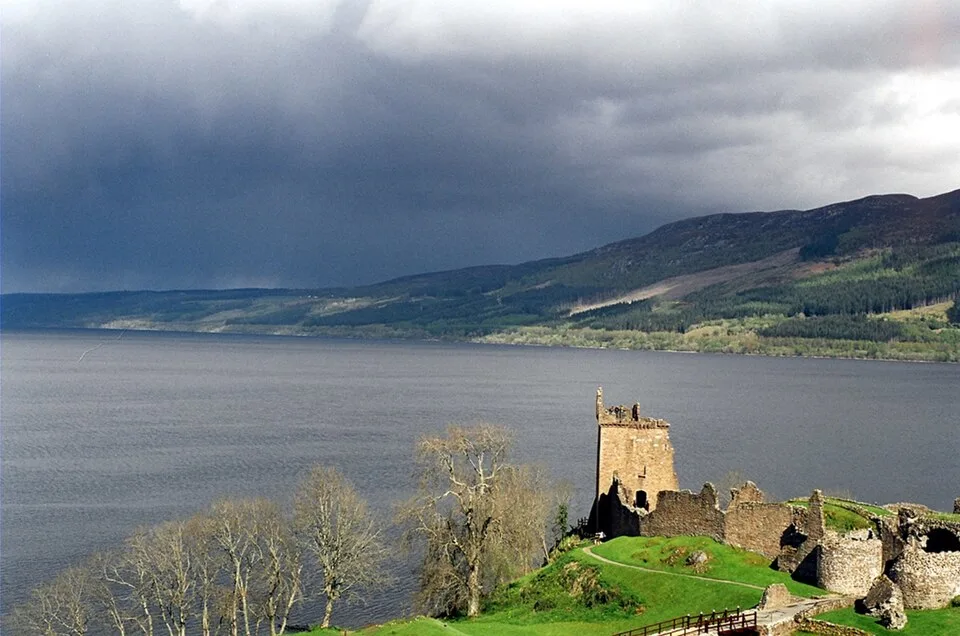
5:00 AM breaks over the Great Glen—a geological fault line slicing 100 kilometers through the heart of the Scottish Highlands. The air bites at 6°C (43°F), sharp with the scent of damp peat, pine resin, and the earthy perfume of bracken waking from sleep. Dawn light spills over the surface of Loch Ness, illuminating the dark waters that have filled this glacial basin since the Ice Age retreated 10,000 years ago. This is not merely a lake; it is a sanctuary of silence stretching 37 kilometers in length, standing sentinel over the clans since the Jacobite risings. You hear the call of a golden plover; the mist lifts 200 meters from the water, exposing the ruins of Urquhart Castle on the western shore. In 2026, as global tourism accelerates, Loch Ness matters now more than ever. It remains a tactile connection to wilderness—a place where you walk the same shores as Vikings, where the past isn't behind glass but embedded in the stone, and where the rhythm of life follows the seasons rather than the clock. This is why you visit.
Why Loch Ness Embodies Highland Mystery
Loch Ness isn't merely a body of water—it's a geological scar left by glaciers that carved the land 20,000 years ago. Holding more water than all the lakes in England and Wales combined, it reaches depths of 230 meters (755 feet), making it the second-deepest loch in Scotland. These waters solved a fundamental human need: a barrier against invasion that protected clan territories for centuries. The legend of the monster, documented since Saint Columba's encounter in 565 AD, fulfills a modern craving for wonder in an age of scientific explanation. The engineering of the Caledonian Canal, completed in 1822, connected these natural waterways to create a 97-kilometer shipping route, bypassing the dangerous Pentland Firth. Today, the region supports a population of 230,000 people who maintain traditional practices like crofting and whisky distillation. The water quality is monitored strictly; pH levels range from 6.5 to 7.5, supporting species like the Arctic char, a glacial relict found in only 15 Scottish lochs. When you walk these shores, you traverse a layered history: Pictish symbol stones on the banks, Victorian steamers on the water, and a contemporary commitment to rewilding that defines the future of conservation. The landscape doesn't care about your schedule; it demands you adapt to its weather.
The Best Time to Experience Loch Ness
Loch Ness reveals its true character during specific windows, though it is accessible year-round. The definitive experience occurs between May 18 and June 12. During this window, you'll experience average temperatures of 12–16°C (54–61°F), with daylight stretching until 10:00 PM—ample time for evening photography after dinner. The midge season hasn't yet peaked, and the rhododendrons burst into bloom along the western shores. The light is crisp; shadows from the mountains create dramatic conditions between 8:00–9:30 AM. For those seeking quieter contemplation, weekday mornings (7:00–9:00 AM) offer a more intimate atmosphere with significantly fewer tour buses on the A82.
Autumn—specifically September 15–October 5—provides a second peak experience, with temperatures cooling to 7–11°C (45–52°F) and the bracken turning russet and gold. This is when you'll witness the red deer rutting season on the hillsides. However, avoid August 5–19 unless you enjoy navigating crowds: this period includes the Edinburgh Festival spill-over, with accommodation prices inflating by 50% and roads congested. Winter (December–February) brings its own magic but limited services—some ferries cease operation, and daylight shrinks to 8:30 AM–3:45 PM. For real-time weather and road conditions, verify current information at www.visitinvernesslochness.com before your visit. Always check the midge forecast; conditions can change hourly.
Approximate Budget for a 7-Day Trip (2026)
The Highlands accommodate various budgets, though 2026 prices reflect post-pandemic tourism recovery and 4% UK inflation. The following breakdown assumes mid-range travel with comfortable accommodations, local dining, and comprehensive exploration including car rental for remote access. Prices are listed in British pounds (£), the local currency.
- Accommodation: £130–£220 per night for a double room in a traditional Highland guesthouse or boutique hotel in Fort William or Inverness. Luxury lodges command premium rates (£350–£600), while bothies offer better value (£30–£50 per night).
- Food: £55–£80 per day. Breakfast (£15–£20) typically includes black pudding, local smoked salmon, and free-range eggs. Lunch (£18–£25) at village pubs: Cullen skink, or a venison burger with chips. Dinner (£35–£50) featuring regional specialties: Highland beef stew, fresh Atlantic lobster, or cranachan.
- Transportation: Inverness Airport car rental: £70–£100 per day plus £15 daily parking. Fuel for seven days: £120–£150. Citylink bus pass: £65 return from Glasgow. Train (West Highland Line): £85 return.
- Attractions: Loch Ness Cruise: £25. Urquhart Castle entry: £16. Eilean Donan Castle: £15. Whisky distillery tour: £30. Boat hire (kayak): £45 per day.
- Miscellaneous: Ordnance Survey Explorer Map: £12.95. Local wool sweater: £80–£150. Midge repellent: £15. Travel insurance: £45–£60 for the week.
Total estimated cost for seven days: £1,900–£2,700 per person (based on double occupancy)
Seven Essential Loch Ness Experiences
- Sail Loch Ness at Dawn: Arrive at Drumnadrochit pier at 7:00 AM. The water is still as glass; the mist clings to the surface. Board a traditional wooden boat for a 90-minute cruise. The depth drops to 230 meters nearby. Look for the ruins of Urquhart Castle on the western shore. The silence is profound—no engines, no chatter. Allow 2 hours for the experience including the visitor center.
- Walk the South Shore: Follow the B862 road from Fort Augustus at 9:00 AM. The path winds through ancient oak woodlands. The trees are 400 years old, their branches draped in moss. The view across the water to the mountains is definitive. Wear waterproof boots; the path is boggy. Allow 4 hours for a 12-kilometer hike. It is a tangible connection to the Highlands.
- Visit Urquhart Castle: Enter the island fortress at 10:30 AM. The bridge connects the islet to the mainland across the loch. The stone walls are 3 meters thick. Stand in the banqueting hall where clans once gathered. The acoustics amplify the wind. Photography is permitted without flash. Allow 90 minutes for the tour and photos.
- Drink Whisky by the Water: End your morning at a distillery like Glenmorangie (open 10:00 AM–5:00 PM). Order a dram of 12-year-old single malt (£12). The warehouse smells of oak and peat. Speak to the distiller about the water source. The river flows directly into the loch. This is the traditional end to a Highland exploration.
- Kayak the Northern Arm: Launch from the Inverness shore at 1:00 PM. The water is clear enough to see the bottom. Paddle toward the wooded islands. The pine trees are native Scots pine, rare in the region. The wind is strong here; wear a life jacket. Allow 3 hours for the paddle. It is physically demanding but offers the definitive perspective.
- Watch the Sunset from Dores: Return to the beach at 7:00 PM (summer closing varies). The stone shore glows orange under the evening light. The shadows of the mountains stretch across the loch. You can hear the Jacobite steam train whistle. The city noise diminishes. It is the best time for exterior photography. The monument frames the water perfectly. Allow 30 minutes for a full circuit.
- Dine at a Highland Inn: End your visit at the courtyard restaurant (open 12:00 PM–9:00 PM). Order a steak pie (£22) in the stone-walled room. The building dates to 1800 but blends with the surroundings. Speak to the staff about the estate's farming operations. The fireplace crackles even in summer. This is the traditional end to a Loch Ness exploration.
Three Hidden Gems Most Travelers Miss
- Abriachan Forest: While most visitors focus on the water, this community woodland sits 5 kilometers east. Access: Take the B851 from Inverness (open dawn to dusk). It is overlooked because it requires a drive, but the viewpoint over the loch is the definitive photograph. Best visited: Late afternoon when the light hits the water. No facilities; bring food. It offers a perspective on true wilderness.
- Cherry Trees at Invermoriston: Located at the western end, these trees bloom in May. Access: Park at the village center. Open during daylight hours. It's overlooked because it lacks signage, but the blossoms against the dark water are stunning. Insider tip: Look for the old bridge nearby. Benches available for rest. It provides context for the valley's agriculture.
- The Falls of Foyers: Beneath the cliffs lies a powerful waterfall from 1890. Access: Follow the signposts from the B862 (£5 parking). It is overlooked because it functions as a hydro site. The water drops 100 meters vertically. It's special because you see the industrial history of the Highlands. Best visited: Tuesday–Thursday when groups are fewer. A unique socio-economic heritage experience.
Cultural & Practical Tips
- Respect the Right to Roam: The Land Reform (Scotland) Act 2003 grants access to most land. Do not camp in enclosed fields. Stay away from buildings. This is not just etiquette; it is law. Leave no trace; take all litter home. Keep dogs under control.
- Midge Protection: The Highland midge is active from May to September. Wear long sleeves and trousers. Use Smidge repellent. Avoid still, damp days. The bites are itchy and can last for weeks. Check the midge forecast daily.
- Driving Etiquette: Single-track roads are common. Use passing places on the left. Do not block the road for photos. This is safety; emergency vehicles need access. Speed limits are strictly enforced. Fuel up in towns; stations are sparse.
- Learn these Local Terms: "Loch" (lake), "Glen" (valley), and "Ben" (mountain). Locals appreciate the correct terminology. When asking for directions, say "the Glen" rather than "the valley." It shows respect for Scottish heritage.
- Weather Preparation: The Highlands are wet. Even on sunny days, carry waterproof layers. The temperature drops 1°C for every 100 meters of elevation. Dress in layers. Check the forecast; rain is common.
- Accessibility Information: Some loch sides are wheelchair accessible via paths. However, many are rough terrain. Virtual tours are available online. Contact the visitor team at +44 1463 234000 for specific access queries before traveling.
- Support Conservation: Consider donating to the "John Muir Trust" upon exit. Maintenance costs £2 million annually. Purchase guidebooks from the shop rather than online to support the local revenue stream. Membership offers free entry to other sites.
Conclusion: Travel with Stewardship, Not Just Sightseeing
Loch Ness in 2026 asks something different of you than mere tourism. This landscape—water, stone, resilient—has witnessed centuries of clans, clearances, and conservation. But it also sustains a fragile ecosystem of freshwater species and historic masonry threatened by climate change. To travel here responsibly means understanding that you're not just visiting a monument but entering a sanctuary maintained by strict preservation protocols. Walk softly on these shores; they've carried warriors, poets, and farmers for generations. Choose the quiet morning visit over the crowded afternoon. Listen to the wind in the glens, not just the guide's facts. Donate to the conservation fund, not just the gift shop. Let Loch Ness change you, not just entertain you. In an age of mass tourism and digital detachment, this is how we ensure that 2026's visitors don't become the generation that loved this place to death. The loch will still be here in 2126—if we treat it not as a backdrop to consume but as a legacy to protect.