
Nantes Machines de l'Île in 2026: Where Mechanical Dreams Meet Atlantic Imagination
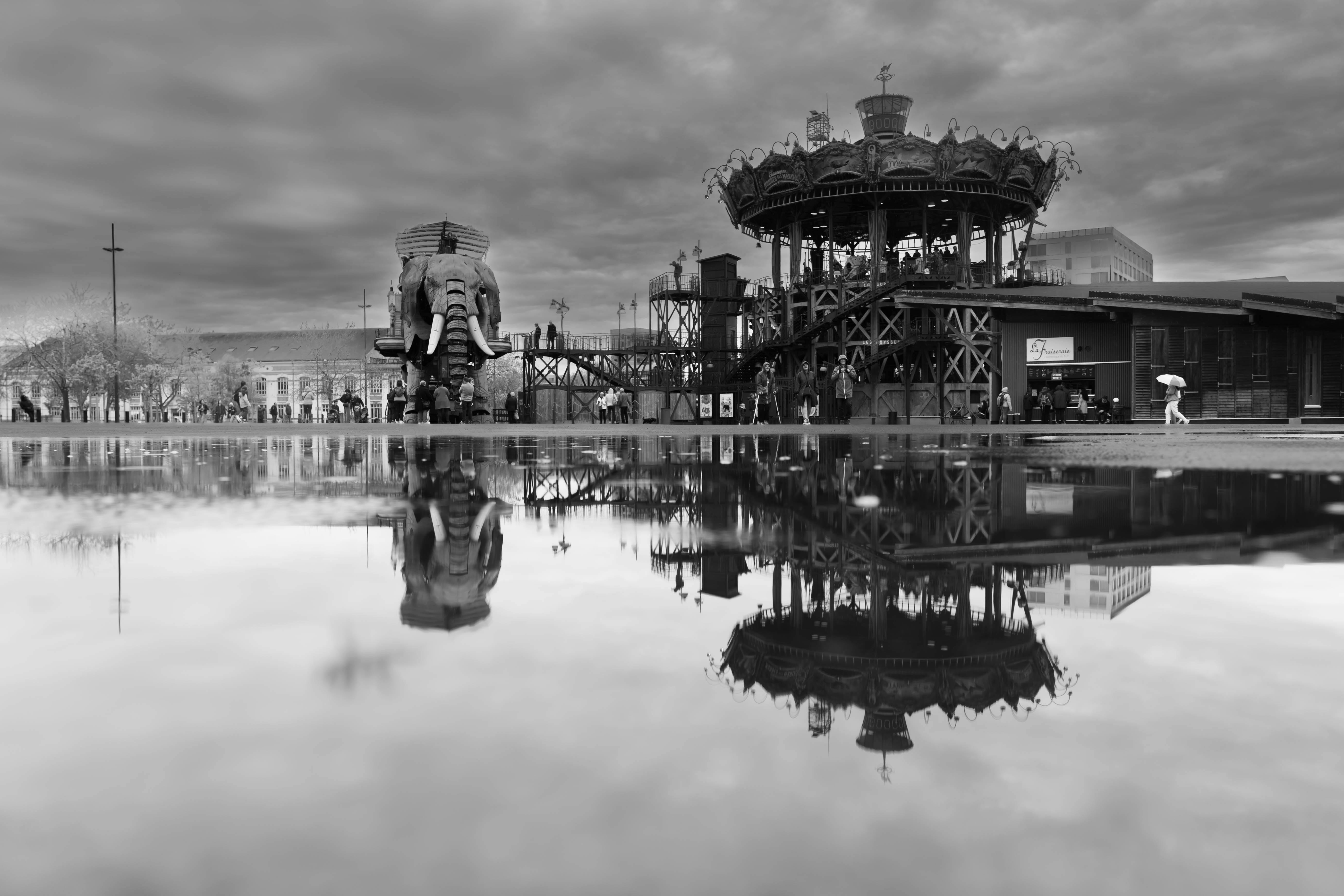
The ground trembles before you see it—subtle vibrations through cobblestones that grow into rhythmic thuds, each step echoing Jules Verne’s childhood footsteps through these very streets. Then it emerges: the Great Elephant, a 12-meter-tall mechanical pachyderm crafted from 48 tons of steel and wood, trumpeting as steam hisses from its trunk while children laugh from its howdah. Around you, the former shipyards of Nantes Island pulse with impossible life—a carousel of marine creatures spins with crabs that pinch and herons that preen, while workshops reveal artisans welding dragon wings for the upcoming Air Tree installation. This isn’t steampunk fantasy but living artistry—born from post-industrial reinvention and fueled by the literary imagination of Nantes’ most famous son. In 2026, Machines de l'Île remains Europe’s most audacious fusion of engineering and poetry, where every gear turn whispers that cities can heal through creativity rather than concrete.
Why Nantes Machines de l'Île Embodies Industrial Renaissance
Machines de l'Île represents more than whimsical attraction—it embodies a radical urban philosophy born from necessity. When Nantes’ historic shipyards closed in 1987, leaving 40 hectares of derelict industrial land along the Loire River, the city faced a choice: corporate redevelopment or cultural resurrection. Inspired by Jules Verne’s visionary novels (written during his Nantes youth) and Leonardo da Vinci’s mechanical sketches, artists François Delarozière and Pierre Orefice proposed something unprecedented: transform the wasteland into a living laboratory where art, engineering, and ecology converge. Since opening in 2007, this €25 million project has become a global model for post-industrial regeneration—employing 120 artisans in on-site workshops, attracting 1.2 million visitors annually, and spawning sister projects worldwide. The Great Elephant alone required 3,000 hours of engineering to achieve its fluid gait, while the Marine Worlds Carousel features 42 unique creatures operating through 1,200 meters of hydraulic tubing. Unlike static museums, Machines de l'Île evolves constantly—the 2026 Air Tree installation will add 40-meter-high branches with flying creatures, completing the trilogy of earth, sea, and sky that defines this extraordinary urban ecosystem.
The Best Time to Experience Nantes Machines de l'Île
For optimal conditions—comfortable workshop temperatures, manageable crowds, and full operational capacity—visit between May 20 and June 15 or September 12–28. Daytime temperatures average 17–23°C (63–73°F), ideal for exploring both indoor workshops and outdoor installations without summer’s humidity affecting mechanical operations. Mornings between 10:00 AM–12:00 PM offer the most magical encounters: the Great Elephant departs for its 40-minute city walk at 11:00 AM daily (except Tuesdays), allowing close observation of its intricate mechanics before crowds gather. September provides a second excellent window: departing summer tourists restore local atmosphere, autumn light gilds the Loire River backdrop, and workshops prepare new creatures for winter exhibitions. Avoid July 15–August 20 when temperatures exceed 28°C (82°F), causing occasional mechanical delays due to thermal expansion in metal components, and queues exceed 90 minutes for elephant rides. Note that Machines de l'Île closes entirely on January 1, May 1, and December 25—verify current schedules at lesmachines-nantes.fr before travel.
Approximate Budget for a 7-Day Trip (2026)
Based on 2025 benchmarks adjusted for 4% inflation (per INSEE and Pays de la Loire Tourism Board projections), a realistic mid-range itinerary requires €1,650–€2,150 per person excluding international flights. Accommodation ranges from €95–€140 nightly for family-run guesthouses in the Île de Nantes district or boutique hotels near Place Royale—essential for walking access to Machines de l'Île. Daily food costs average €85–€100: breakfast at local boulangeries (€6), lunch of rillettes and fouées (puff pastry) at Marché de Talensac (€18–€24), and dinners featuring fresh Loire Valley fish with Muscadet wine (€42–€52). Transportation is straightforward: Nantes’ efficient tram system connects the airport to Machines de l'Île in 25 minutes. Park admission requires strategic planning—individual experiences are priced separately, making multi-attraction passes essential for value.
- Accommodation: €95–€140 per night for a family-run guesthouse in Île de Nantes or boutique hotel near Place Royale—essential for walking access to Machines de l'Île and evening strolls along the Loire.
- Food: €85–€100 per day—breakfast at boulangerie (€6), lunch of rillettes and fouées at Marché de Talensac (€20–€26), dinner featuring sandre fish with Muscadet wine (€45–€55).
- Transportation: €22 for a 7-day TAN Pass (covers all trams/buses). Tram line 1 from Nantes Airport to Machines de l'Île: 25 minutes (€2 one-way). Walking is optimal for island exploration.
- Attractions: Great Elephant ride: €12. Marine Worlds Carousel: €9. Heron Tree workshop tour: €14. Air Tree preview access (2026): €16. Allocate €95 total for related sites (Château des Ducs de Bretagne).
- Miscellaneous: €60 for artisanal souvenirs from Machines boutique (mechanical creature models), local Muscadet wine, or donations to the Artisan Training Program.
Total Estimated Cost: €1,650–€2,150 for seven days, excluding international flights.
5 Essential Nantes Machines de l'Île Experiences
- Great Elephant City Walk: Climb aboard the 12-meter mechanical pachyderm for its 40-minute journey through Nantes streets—departures at 11:00 AM and 3:00 PM daily (except Tuesdays). Feel the deck sway as it trumpets and sprays water, offering unique perspectives of the city from 5 meters above street level.
- Marine Worlds Carousel: Ride fantastical sea creatures on this three-level carousel—choose the giant crab that pinches gently or the heron that dips its beak into water below. Best experienced at 2:00 PM when afternoon light filters through the glass roof, illuminating the 1,200 meters of hydraulic tubing.
- Heron Tree Workshop Tour: Witness artisans crafting the 2026 Air Tree installation in the Galerie des Machines—observe welders shaping dragon wings and engineers testing flight mechanisms. Tours run hourly 10:00 AM–4:00 PM; book the 11:00 AM session for live demonstrations.
- Loire River Promenade: Stroll the Quai des Antilles at dusk to see Machines de l'Île illuminated against the river—a perspective Jules Verne himself might have imagined. The 1.5-kilometer path connects all installations with benches positioned for optimal viewing.
- Artisan Demonstration Hour: At 4:00 PM daily, master builders showcase techniques in the central workshop—watch blacksmiths forge gears or carpenters shape wooden joints using methods unchanged since the shipyard era.
3 Hidden Gems Most Travelers Miss
- Atelier des Secrets: Behind the main workshop, an unmarked door (look for the brass elephant knocker) leads to a private studio where apprentices restore vintage mechanical parts—request access politely at 10:30 AM Tuesday/Thursday for demonstrations of 19th-century engineering techniques.
- Pointe de la Jonelière: A 15-minute walk east along the Loire reveals this secluded viewpoint where the Great Elephant pauses during its city walk—locals gather here at 11:25 AM to photograph it against the river with minimal crowds.
- Librairie des Machines: Hidden in a vaulted cellar beneath the carousel (entrance near ticket office), this specialized bookstore sells rare Jules Verne editions and mechanical blueprints—open 1:00–5:00 PM Wednesday afternoons; ask about their "Engineer's Notebook" series detailing creature construction.
Cultural & Practical Tips
- Booking Strategy: Reserve Great Elephant rides exactly 30 days ahead at 9:00 AM CET via lesmachines-nantes.fr—weekend slots sell out within hours. Print QR codes; mobile tickets often fail in the industrial signal zone.
- Workshop Etiquette: Never touch active machinery or tools in demonstration areas—many pieces are works-in-progress for the 2026 Air Tree. Photography permitted without flash; tripods prohibited during operational hours.
- Learn Key Phrases: "Bonjour," "Merci," and "Comment fonctionne l'éléphant?" (How does the elephant work?) show respect—artisans often share technical insights with curious visitors during demonstration hours.
- Comfort Preparation: Wear grippy-soled shoes—the workshop floors are polished smooth from decades of use and become slippery near hydraulic stations. Bring layers; indoor temperatures remain constant at 18°C (64°F) year-round for machinery preservation.
- Accessibility Considerations: All installations feature wheelchair-friendly pathways, but the Great Elephant’s howdah requires climbing 7 steps—staff provide alternative viewing platforms with live video feeds upon request.
Conclusion: Travel with Mechanical Reverence, Not Just Wonder
Machines de l'Île endures not as attraction to be consumed, but as testament to urban healing through imagination. As a conscious traveler, your presence should honor this legacy: support the Artisan Training Program through official donations, engage with builders not as performers but as knowledge-keepers, and understand that every gear turn represents decades of post-industrial reinvention. Sit quietly on the Quai des Antilles bench at dusk and watch the Great Elephant return to its stable—the same riverbank where shipwrights once launched vessels that carried dreams across oceans. By approaching Machines de l'Île not as spectacle but as sanctuary of human ingenuity, you help ensure these mechanical creatures continue inspiring not just wonder, but wisdom—for those who recognize that cities thrive not through erasure, but through the courageous act of rebuilding beauty from what was broken.