
Nuraghe Su Nuraxi Bronze Age Towers Meet Sardinian Silence
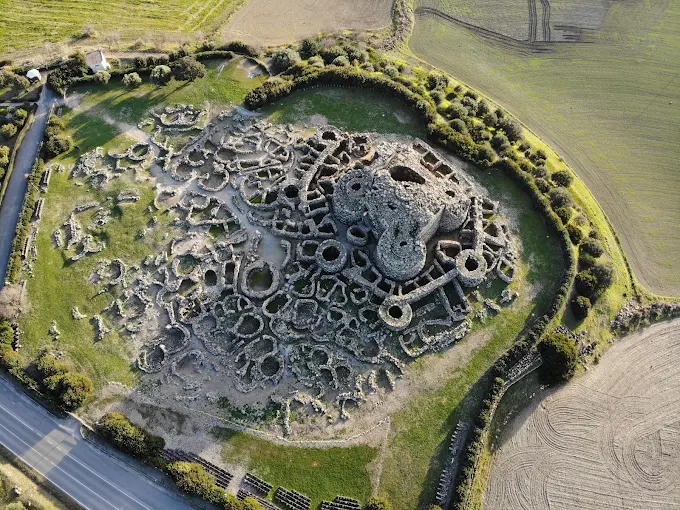
The late afternoon sun casts long shadows across the undulating hills of central Sardinia, warming the ancient basalt stones of Su Nuraxi di Barumini. You hear the soft rustle of the wind through the Mediterranean scrub, the distant call of a shepherd’s bell, and the profound silence that hangs over this 3,500-year-old fortress. This is the most iconic and best-preserved example of a nuraghe—a unique type of megalithic tower built by the mysterious Nuragic civilization between 1900 and 730 BC [[52]]. Rising 18 meters (59 feet) high, its central tower is surrounded by four smaller bastions, all connected by a labyrinth of corridors and chambers, creating a defensive complex that once housed an entire community. In an age of digital noise and fleeting trends, Su Nuraxi matters now more than ever—it is a portal to Europe’s most enigmatic prehistoric culture, where time slows down and the only agenda is to wonder.
Why Nuraghe Su Nuraxi Embodies Prehistoric Ingenuity
Su Nuraxi is not just an archaeological site; it is a masterpiece of Bronze Age engineering and social organization. Built around 1500 BC, the central tower was later expanded into a complex fortress with a surrounding village of over 200 huts, demonstrating the Nuragic people’s advanced understanding of dry-stone construction and communal planning. The structure’s genius lies in its corbelled vaulting—a technique where each layer of stone is slightly offset inward until the walls meet at the top, creating a stable, dome-like chamber without mortar. This method “solved” a critical problem of its time: how to build tall, durable structures using only the island’s abundant basalt. The site’s strategic location on a hilltop provided defense against invaders and control over fertile agricultural land. Today, it fulfills a modern need—for a direct connection to a prehistoric world that valued community, resilience, and harmony with the land. As the first Sardinian site to be designated a UNESCO World Heritage site in 1997, Su Nuraxi stands as a powerful symbol of the island’s deep, independent spirit.
The Best Time to Experience Nuraghe Su Nuraxi
To experience Su Nuraxi in its most atmospheric and comfortable state, plan your visit for the specific windows of April 15–May 25 or September 10–October 20, 2026. During these periods, the weather in central Sardinia is ideal, with daytime temperatures ranging from a pleasant 20–25°C (68–77°F), and the intense summer crowds have yet to arrive or have already departed [[11]]. The best time of day to visit is in the late afternoon, between 4:00 PM and 6:00 PM, when the setting sun bathes the ancient stones in a warm, golden light and the site is quieter. It is strongly advised to avoid the peak summer months of July and August, when temperatures can soar above 34°C (93°F) and the open site offers little shade, making exploration uncomfortable [[71]]. For the most current information on opening hours, guided tours, and special events, always consult the official website: fondazionebanu.it.
Approximate Budget for a 7-Day Trip (2026)
This budget is calculated for a solo traveler seeking a comfortable, culturally rich experience in central Sardinia in 2026, based on current inflation trends and average regional costs.
- Accommodation: €80–€130 per night. Staying in a guesthouse in Barumini offers easy access to the site. Options in Cagliari or Oristano are more varied but require a car.
- Food: €40 per day. Breakfast (€4): a cappuccino and cornetto at a local bar. Lunch (€15): a plate of culurgiones (Sardinian ravioli) at a trattoria near the site. Dinner (€21): a main course like roasted lamb with a glass of local Monica wine.
- Transportation: €150 total. A rental car for the week is essential for exploring the region (€40/day). Occasional taxi rides from the nearest train station (€20).
- Attractions: Entry to Su Nuraxi and the museum (€10). Guided tour of the site (€15). Visit to the Civic Museum in Barumini (€5).
- Miscellaneous: €90. This covers a bottle of local wine (€15), several gelato stops (€3 each), a cooking class featuring Sardinian recipes (€40), and souvenirs like a replica of a Nuragic bronze figurine.
Total Estimated Cost: €855–€975
6 Essential Nuraghe Su Nuraxi Experiences
- Take a Guided Tour at Sunset: Book a guided tour to understand the complex layout and history of the site. The late afternoon light creates dramatic shadows that highlight the stonework, and the guide will explain the theories behind the Nuragic civilization’s mysterious rituals.
- Explore the Central Tower: Climb the narrow staircase inside the 18-meter (59-foot) central tower. From the top, you’ll have a panoramic view of the surrounding countryside—a strategic vantage point that once allowed the Nuragic people to spot approaching threats.
- Walk Through the Ancient Village: Wander the reconstructed huts of the surrounding settlement. Each hut had a specific function—some were homes, others were workshops or meeting places—offering a glimpse into daily life 3,500 years ago.
- Visit the On-Site Museum: The museum houses artifacts found during excavations, including bronze figurines, pottery, and tools. These objects provide crucial context for understanding the Nuragic people’s sophisticated culture.
- Attend a Cultural Event: During the summer, the site hosts concerts and reenactments in the ancient village. Check the foundation’s website for the schedule of the Festival Internazionale di Su Nuraxi.
- Picnic in the Surrounding Countryside: Bring a simple lunch and find a quiet spot in the rolling hills. There’s no more powerful way to connect with this ancient place than to sit in its peaceful embrace.
3 Hidden Gems Most Travelers Miss
- Nuraghe Arrubiu: Located near Orroli, this is the largest nuraghe in Sardinia, with five towers and a complex network of corridors. It’s less crowded than Su Nuraxi and equally impressive—perfect for those seeking solitude.
- The Sacred Well of Santa Cristina: Near Paulilatino, this perfectly preserved Nuragic well temple is aligned with the moon’s cycle. The acoustics inside are so precise that a drop of water creates a musical note—a testament to their astronomical knowledge.
- The View from Monte Arci: This extinct volcano, visible from Su Nuraxi, was the source of the obsidian used by the Nuragic people for tools and trade. A short hike to its summit offers a panoramic vista of the entire region.
Cultural & Practical Tips
- Wear sturdy walking shoes: The site involves uneven terrain and steep steps. Good footwear is essential for safety.
- Bring plenty of water: There is very little shade at the site. Carry at least 1 liter of water, especially in the warmer months.
- Learn a few key phrases: “Dov’è Su Nuraxi?” (DOH-veh soo noo-RAH-shee?) for “Where is Su Nuraxi?”, and “Un caffè, per favore” (oon kah-FEH).
- Respect the silence: This is a sacred, ancient site. Keep your voice low to preserve the atmosphere for everyone.
- Combine your visit with other sites: Pair your trip with a visit to the Giara di Gesturi plateau or the beaches of Costa Verde for a full Sardinian experience.
- Tipping is appreciated but not expected: A small tip of €2–€5 for your guide is a kind gesture for an insightful tour.
Conclusion: Travel with Wonder, Not Just Curiosity
Su Nuraxi is not a ruin to be photographed and left behind; it is a silent teacher of time, resilience, and human ingenuity. In 2026, as we seek travel experiences that are both profound and grounding, this ancient fortress offers a rare gift: the chance to stand where a lost civilization once thrived and feel the weight of millennia in the cool stone. Your journey here should be one of wonder—not just seeing the towers, but imagining the lives that unfolded within them, listening to the wind that has blown across these hills for 3,500 years, and letting the vast Sardinian sky put your own life into perspective. By traveling with this mindful respect, you honor the legacy of the Nuragic people and help ensure their story endures. Slow down. Sit on a stone and watch the light change. In that quiet moment of communion with antiquity, you don’t just visit Su Nuraxi—you become part of its timeless, echoing story.