
Neptune's Grotto Subterranean Majesty Meets Mediterranean Light
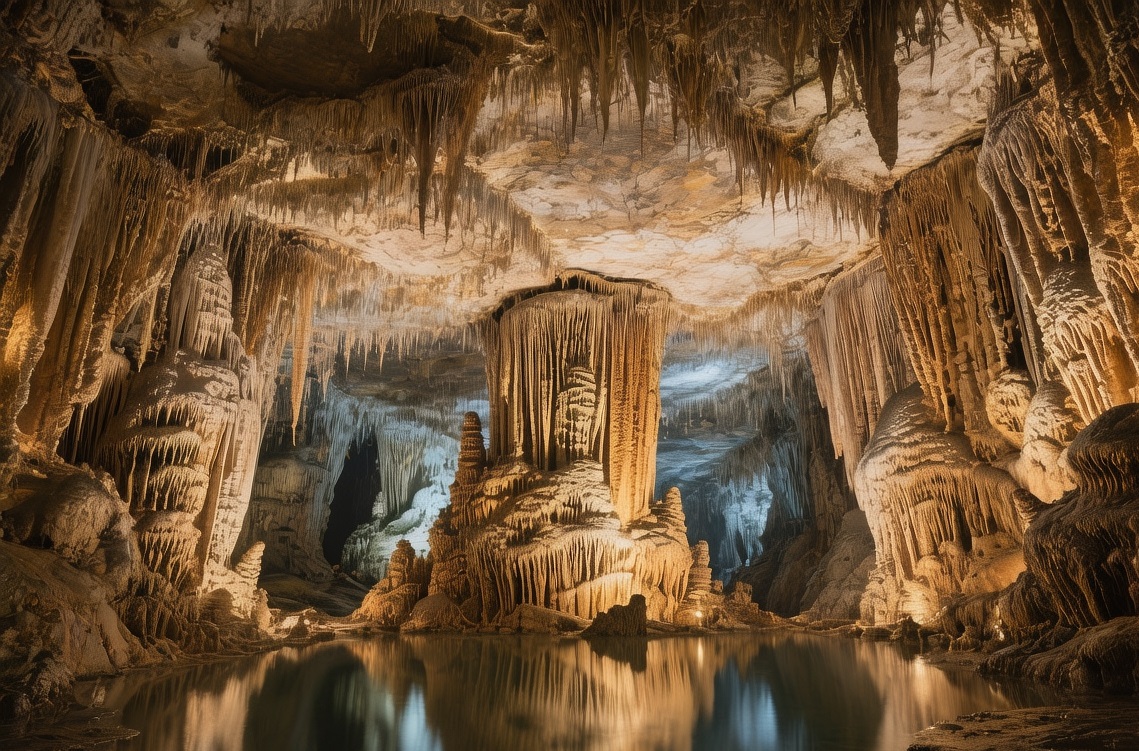
The midday sun streams through the collapsed roof of Neptune’s Grotto, casting a golden spotlight on the turquoise water below. You hear the gentle lap of waves against ancient rock formations, the distant echo of a classical concert rehearsal, and the soft drip of mineral-rich water from towering stalactites that have been growing for over 100,000 years. This is one of the most spectacular sea caves in the Mediterranean—a cathedral of stone carved by the relentless action of the sea over millennia. Located at the base of Capo Caccia, just outside Alghero in Sardinia, the grotto stretches 4,000 meters (2.5 miles) into the earth, with its main chamber rising 30 meters (98 feet) high and featuring a saltwater lake so clear you can see every ripple on its surface [[53]]. In an age of digital saturation and fleeting experiences, Neptune’s Grotto matters now more than ever—it is a place where nature’s raw power and artistic beauty converge in perfect, echoing harmony.
Why Neptune's Grotto Embodies Natural Artistry
Neptune’s Grotto is not merely a cave; it is a masterpiece of geological artistry shaped by time and tide. Formed over hundreds of thousands of years, the grotto was created when seawater infiltrated the limestone cliffs of Capo Caccia, slowly dissolving the rock to create vast chambers adorned with stalactites and stalagmites. The cave’s most famous feature—the “Organ Pipes,” a series of tall, thin stalagmites that resemble musical instruments—was formed by the slow deposition of calcium carbonate from dripping water. The grotto was first discovered by local fishermen in the 18th century but gained fame in 1838 when French explorer Louis de Launay documented its wonders [[53]]. This natural marvel “solved” a fundamental human need: the desire to find awe in the hidden corners of the earth. Today, it fulfills a modern longing—for a direct encounter with the sublime, where light, water, and stone create a sensory experience that feels both primordial and sacred. Its use as a concert venue since the 1950s only enhances its magic, proving that even human art finds its perfect home in nature’s design.
The Best Time to Experience Neptune's Grotto
To experience the grotto in its most atmospheric and comfortable state, plan your visit for the specific windows of May 15–June 20 or September 10–October 5, 2026. During these periods, the weather is ideal, with daytime temperatures ranging from a pleasant 22–27°C (72–81°F), and the sea is calm enough for easy boat access [[11]]. The best time of day to visit is in the mid-morning, between 10:00 AM and 12:00 PM, when the sun is high enough to illuminate the main chamber through the natural skylight, creating a dramatic play of light on the water. It is essential to avoid the peak summer period of July 20–August 25, when boat tours are fully booked weeks in advance, the grotto becomes crowded, and the heat makes the climb back up challenging [[72]]. For the most current information on tour schedules, ticket prices, and concert dates, always consult the official website: grottadinettuno.com.
Approximate Budget for a 7-Day Trip (2026)
This budget is calculated for a solo traveler seeking a comfortable, adventure-focused experience in northwestern Sardinia in 2026, based on current inflation trends and average regional costs.
- Accommodation: €90–€160 per night. Staying in a boutique hotel in Alghero’s historic center offers easy access to the grotto. Options near Lido San Giovanni are more affordable.
- Food: €45 per day. Breakfast (€5): a cappuccino and cornetto at a local bar. Lunch (€16): a plate of seafood fregola at a trattoria near the harbor. Dinner (€24): a main course like grilled lobster with a glass of local Vermentino wine.
- Transportation: €150 total. A rental car for the week is essential for exploring the Riviera del Corallo (€45/day). Boat transfer to the grotto (€13 round-trip).
- Attractions: Entry to Neptune’s Grotto (€13 including boat). Guided walking tour of Alghero’s Catalan Quarter (€20). Visit to the Coral Museum (€5).
- Miscellaneous: €100. This covers a piece of red coral jewelry (€30), several gelato stops (€4 each), a guided snorkeling tour (€40), and souvenirs like a bottle of myrtle liqueur.
Total Estimated Cost: €975–€1,095
6 Essential Neptune's Grotto Experiences
- Take the Boat Tour at Mid-Morning: Depart from Alghero’s port on a small boat that navigates the dramatic coastline before entering the grotto through its sea entrance. The 30-minute ride offers stunning views of Capo Caccia’s cliffs.
- Walk the Escala del Cabirol: For the adventurous, hike down the 654-step staircase carved into the cliff face. The descent offers panoramic views, and you can return by boat—a perfect combination of effort and reward.
- Attend a Classical Concert: During summer, the grotto hosts concerts in its main chamber. The natural acoustics and ethereal lighting create an unforgettable experience—book tickets well in advance.
- Photograph the Organ Pipes: Capture the iconic stalagmite formation that resembles a pipe organ. The best shots are taken from the viewing platform with the turquoise lake in the foreground.
- Explore the Saltwater Lake: Walk around the edge of the main lake, where the water is so clear it reflects the stalactites above like a mirror. The air is cool and humid, a refreshing contrast to the Sardinian sun.
- Combine Your Visit with Capo Caccia: After your tour, hike along the coastal path for breathtaking views of the Mediterranean and the grotto’s entrance from above.
3 Hidden Gems Most Travelers Miss
- Grotta di Nettuno’s Secret Chamber: Ask your guide about the “Sala delle Rane” (Frog Room), a smaller, less-visited chamber where rare amphibians live. It’s not on the standard route but can be accessed on private tours.
- The View from Punta Giglio: A short drive from Alghero, this scenic viewpoint offers a panoramic vista of Capo Caccia and the grotto’s location. It’s a perfect spot for a quiet picnic away from the crowds.
- Cala Burantino Beach: Just north of Capo Caccia, this secluded cove has white sand and turquoise water. It’s accessible only by foot or boat, making it a peaceful retreat after your grotto visit.
Cultural & Practical Tips
- Wear non-slip shoes: The paths inside the grotto can be wet and slippery. Sturdy footwear is essential for safety.
- Bring a light jacket: The temperature inside the cave is a constant 16–18°C (61–64°F)—a sharp contrast to the summer heat outside.
- Learn a few key phrases: “Dov’è la Grotta di Nettuno?” (DOH-veh lah GROHT-tah dee net-TOO-noh?) for “Where is Neptune’s Grotto?”, and “Un caffè, per favore” (oon kah-FEH).
- Book tickets online: To avoid long lines, purchase your tickets in advance through the official website, especially during the shoulder seasons.
- Respect the silence: While photography is allowed, keep your voice low to preserve the grotto’s serene atmosphere and respect other visitors.
- Tipping is appreciated but not expected: A small tip of €2–€5 for your guide is a kind gesture for an insightful tour.
Conclusion: Travel with Awe, Not Just a Lens
Neptune’s Grotto is not a backdrop for your vacation photos; it is a living cathedral of stone and water that demands your full presence. In 2026, as we seek travel experiences that are both awe-inspiring and meaningful, this subterranean wonder offers a rare gift: the chance to stand in the presence of something truly ancient and magnificent. Your journey here should be one of awe—not just capturing the view, but feeling the cool humidity on your skin, listening to the echo of drops in the silence, and letting the scale of geological time put your own life into perspective. By traveling with this mindful respect, you honor the spirit of the place and help ensure its fragile beauty endures. Slow down. Sit on the edge of the lake and watch the light dance on the water. In that quiet moment of communion with earth and sea, you don’t just visit Neptune’s Grotto—you become part of its timeless, echoing story.