
Océanopolis Brest Ocean Science Meets Breton Innovation
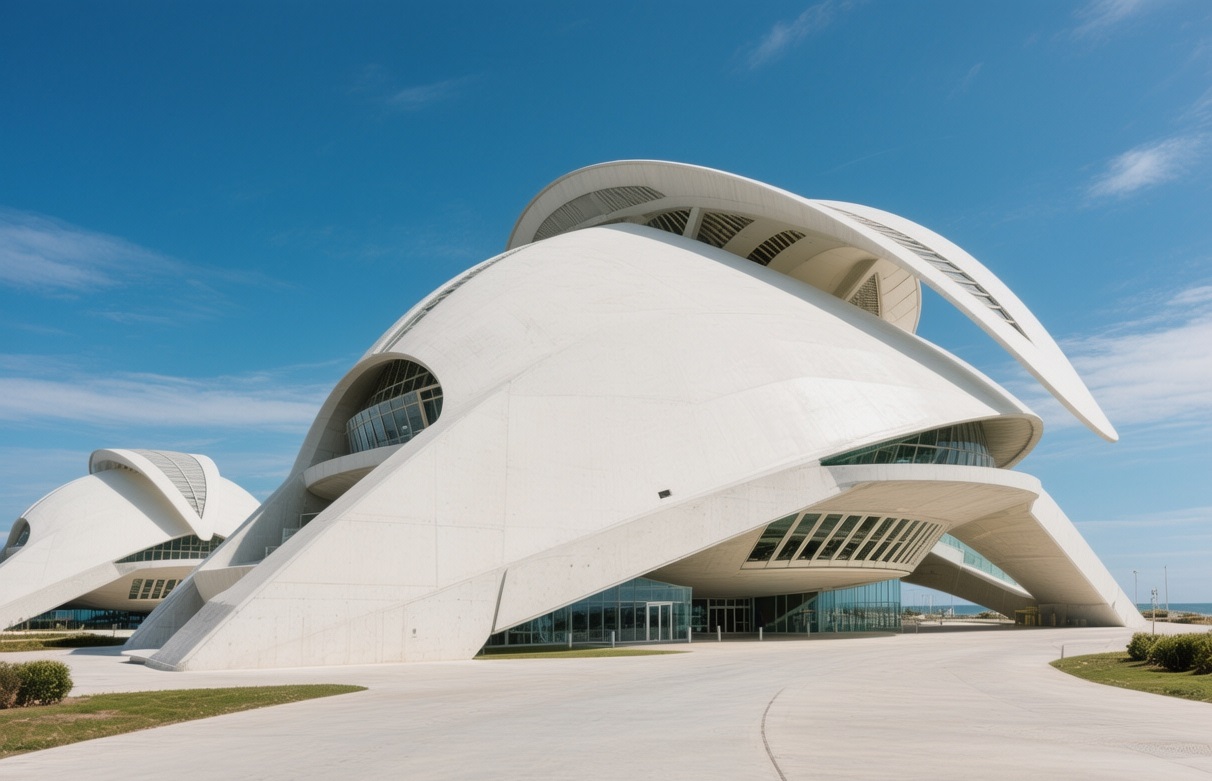
The transformation begins before you enter. As dawn breaks over the Penfeld River, Océanopolis Brest emerges from morning mist like a ship of glass and steel sailing through scientific discovery. Through massive curved windows, the first light illuminates swirling schools of mackerel in the Atlantic tank, while harbor seals bask on artificial rocks beneath the Polar Dome's icy glow. The air carries the briny perfume of seawater mingling with the faint ozone scent of filtration systems, while children's gasps echo through the cavernous halls as they press palms against glass watching sharks glide past. This isn't entertainment for entertainment's sake but living science—where 10,000 marine animals from three oceanic ecosystems coexist in Europe's most ambitious oceanographic park. In 2026, Océanopolis remains France's most revolutionary marine center—not as spectacle, but as sanctuary where conservation, education, and wonder converge.
Why Océanopolis Brest Embodies Oceanographic Innovation
Océanopolis Brest represents more than impressive exhibits—it embodies Brittany's pioneering commitment to marine science through architectural ingenuity and ecological responsibility. Opened in 1990 on the site of Brest's historic naval arsenal, this 8,000-square-meter complex was conceived not as theme park but as "oceanographic city" where visitors journey through three distinct ecosystems: the Polar Dome (Antarctic/Arctic), the Tropical Lagoon, and the Atlantic Pavilion. Its genius lies in technical sophistication: the Polar Dome maintains -2°C temperatures year-round using seawater cooling systems, the Tropical Lagoon replicates coral reef conditions with precise salinity and lighting controls, and the Atlantic Pavilion houses Europe's largest shark tank (2 million liters) with current systems mimicking natural ocean flows. Unlike commercial aquariums, Océanopolis maintains raw authenticity through active research partnerships—its scientists have pioneered sea turtle rehabilitation protocols adopted globally, and its breeding programs for endangered species like European eels contribute directly to conservation efforts. With 450,000 annual visitors and UNESCO patronage for marine education, Océanopolis proves that scientific rigor and public engagement can coexist without compromise.
The Best Time to Experience Océanopolis Brest
For optimal conditions—manageable crowds, animal activity, and authentic educational programming—visit between May 15 and June 10 or September 12–28. Daytime temperatures average 15–21°C (59–70°F), creating ideal conditions for exploring both indoor exhibits and outdoor harbor areas without summer's intensity. Mornings between 9:30–11:30 AM offer the most engaging experience: animals are most active after feeding, educational demonstrations occur hourly, and crowds remain manageable before school groups arrive. September provides a second excellent opportunity: departing summer tourists restore contemplative atmosphere, autumn light enhances underwater photography, and special "Behind-the-Scenes" tours become available as staff prepare for winter research projects. Avoid July 15–August 20 when temperatures exceed 24°C (75°F), queues exceed 90 minutes for popular exhibits, and many interactive sessions become overcrowded. Note that Océanopolis closes entirely on January 1, May 1, and December 25—verify current schedules at oceanopolis.com before travel.
Approximate Budget for a 7-Day Trip (2026)
Based on 2025 benchmarks adjusted for 4% inflation (per INSEE and Bretagne Tourism Board projections), a realistic mid-range budget for a Brest-focused itinerary requires €1,450–€1,950 per person excluding international flights. Accommodation ranges from €90–€135 nightly for family-run guesthouses in Recouvrance district or boutique hotels near Place de la Liberté—essential for experiencing maritime atmosphere after day-trippers depart. Daily food costs average €85–€100: breakfast at local crêperies (€7), lunch of fresh seafood at harbor taverns (€24–€30), and dinners featuring locally caught fish with Muscadet wine (€45–€55). Transportation is straightforward: Brest's compact size makes walking optimal, though regional trains connect to coastal sites like Pointe du Raz.
- Accommodation: €90–€135 per night for a family-run guesthouse in Recouvrance or boutique hotel near Place de la Liberté—essential for experiencing maritime atmosphere after day-trippers depart.
- Food: €85–€100 per day—breakfast at crêperie (€7), lunch of fresh mussels and cider at harbor tavern (€26–€32), dinner featuring grilled sea bass with Muscadet wine (€48–€58).
- Transportation: €28 for a 7-day Bibus pass (covers all trams/buses). Train from Paris Montparnasse to Brest (4h30, €70–€100 one-way via SNCF Connect). Walking is optimal for Océanopolis exploration.
- Attractions: Océanopolis entry: €24. Behind-the-scenes tour: €12. National Maritime Museum: €8. Boat tour of Brest harbor: €18. Allocate €110 total.
- Miscellaneous: €60 for artisanal Breton honey, locally woven woolens, or donations to the Marine Conservation Fund.
Total Estimated Cost: €1,450–€1,950 for seven days, excluding international flights.
5 Essential Océanopolis Brest Experiences
- Polar Dome Immersion: Visit the Antarctic/Arctic exhibit at 10:00 AM when harbor seals are most active—watch feeding demonstrations and observe how the -2°C environment is maintained using innovative seawater cooling systems.
- Tropical Lagoon Dive Show: Attend the 11:30 AM diver presentation in the coral reef tank—observe how staff maintain precise salinity and lighting conditions while cleaning coral and feeding 2,000 tropical fish.
- Atlantic Pavilion Shark Encounter: Experience Europe's largest shark tank at 2:00 PM when sand tiger sharks patrol the 2-million-liter habitat—learn about Océanopolis' breeding program for endangered European eels during the educational talk.
- Behind-the-Scenes Tour: Book the 3:30 PM exclusive access (reserve 30 days ahead)—visit the life support control room, food preparation areas, and veterinary facilities rarely seen by general visitors.
- Ocean Conservation Lab: Participate in the 4:30 PM interactive session where scientists demonstrate sea turtle rehabilitation techniques and discuss their global conservation partnerships.
3 Hidden Gems Most Travelers Miss
- Research Observation Deck: Accessible only during Behind-the-Scenes tours, this elevated platform offers views into the working laboratories where scientists study marine biodiversity—request specific focus on their European eel breeding program.
- Harbor Seal Nursery: Located in the Polar Dome's restricted section, this quiet area houses rescued seal pups undergoing rehabilitation—visible only during 10:00 AM feeding sessions when staff provide detailed explanations.
- Ocean Classroom: Hidden behind the main entrance, this educational space hosts small-group workshops on marine plastic pollution—check the daily schedule upon arrival for impromptu sessions led by conservation specialists.
Cultural & Practical Tips
- Booking Strategy: Reserve Behind-the-Scenes tours exactly 30 days ahead at 9:00 AM CET via oceanopolis.com—these limited-capacity experiences sell out within hours during peak season.
- Educational Engagement: Arrive 15 minutes early for scheduled demonstrations—staff reward curious questions with deeper insights into marine biology and conservation challenges.
- Learn Key Phrases: "Demat" (hello in Breton), "Trugarez," and "Pegoul eus ar mor?" (Where is the ocean?) show respect in this proudly maritime community.
- Photography Protocol: Never use flash photography—it disorients marine animals and damages sensitive coral. Best underwater shots captured between 10:00–11:30 AM when natural light filters through skylights.
- Sustainability Practice: Carry reusable water bottles—Océanopolis provides free filtered seawater stations throughout the complex as part of their zero single-use plastic initiative.
Conclusion: Travel with Oceanic Reverence, Not Just Curiosity
Océanopolis Brest endures not as attraction to be consumed, but as testament to humanity's capacity for ocean stewardship through science and education. As a conscious traveler, your presence should honor this mission: engage with staff not as entertainers but as knowledge-keepers, support conservation efforts through official donation channels, and understand that every exhibit represents decades of research into preserving marine biodiversity. Sit quietly in the Atlantic Pavilion at dusk and watch sharks glide through their habitat—the same waters that connect us all across continents. By approaching Océanopolis not as spectacle but as sanctuary of learning, you help ensure these exhibits continue not just fascinating, but educating—for those who recognize that true ocean wisdom resides not in conquering nature, but in learning to protect its fragile, interconnected web of life.