
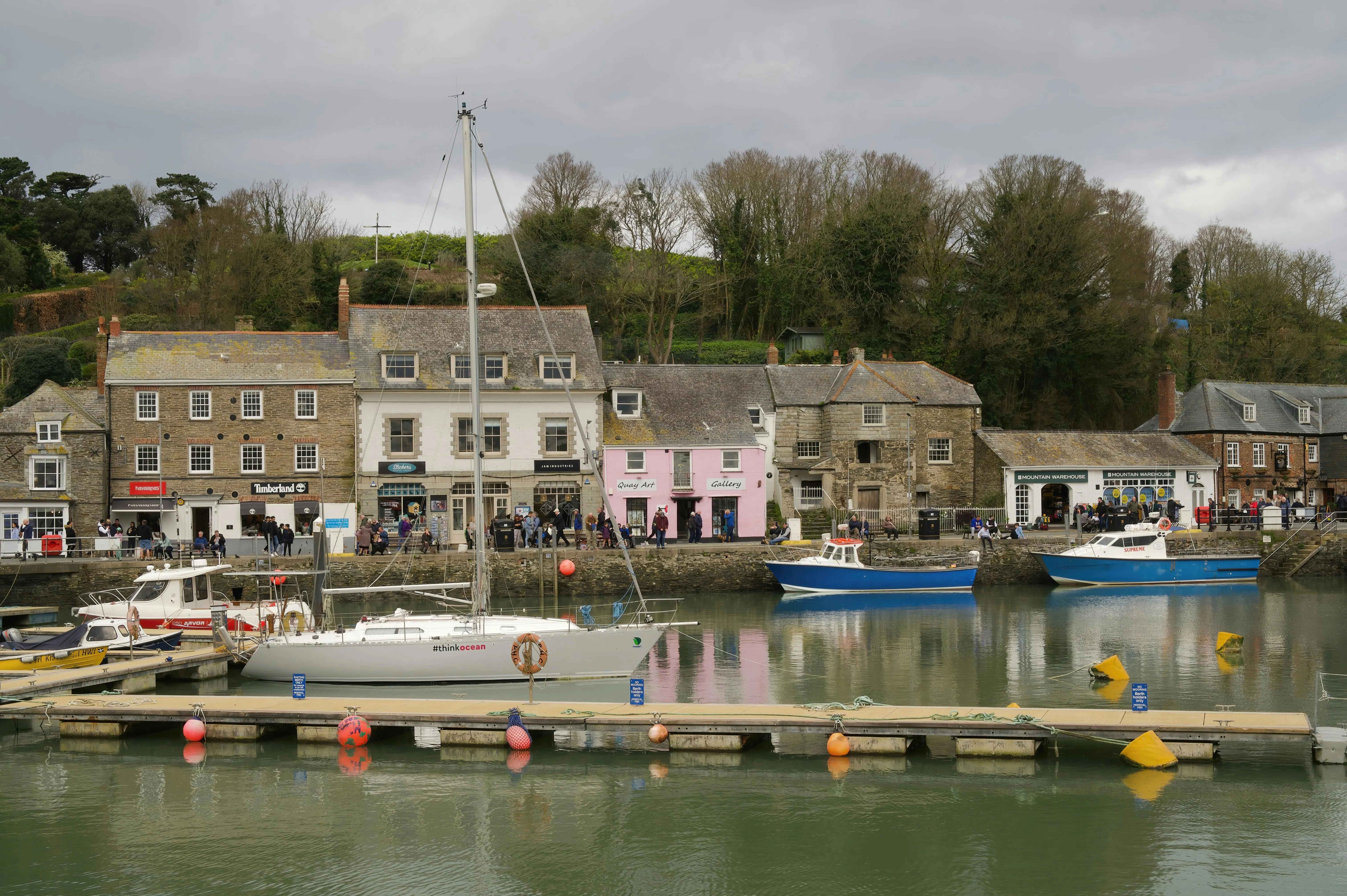
Padstow Harbor Working Quays Meet Culinary Heritage
Halyards clink against masts as the tide recedes—revealing the muddy estuary floor that has sustained this port since Norman times. You stand on the granite quay of Padstow harbor, the scent of frying garlic and salt spray mixing in the air, while fishing boats bob gently in the 6-meter (20-foot) tidal range. Established as a trading port in the 14th century, this bustling hub transformed dramatically in the 1970s when chef Rick Stein opened his first seafood restaurant, turning a declining fishing village into a global culinary destination. As you watch the sun dip behind St. George's Church, illuminating the colorful hulls of crabbers and pleasure craft, you realize this place matters now more than ever: in an era of homogenized tourism, Padstow harbor remains a living ecosystem where traditional industry coexists with modern gastronomy, demanding respect for both the fishermen and the foodies who define its identity in 2026.
Why Padstow Harbor Embodies Maritime Evolution
The Padstow harbor is not merely a docking station; it is a forensic record of Cornwall's economic shift from extraction to experience. Historically, the port solved a logistical problem for tin and copper miners in the 1800s, exporting ore to Wales and importing coal. Today, it fulfills a cultural need for authentic connection to food sources. The harbor basin measures 150 meters (492 feet) across, protected by a breakwater built in 1834 to withstand Atlantic swells. Technical engineering includes tidal gates that manage the significant flow of the Camel Estuary, ensuring boats remain afloat even at low water. This infrastructure supports over 40 commercial fishing vessels that land 500 tonnes of crab and lobster annually.
Culturally, the site balances heritage with hospitality. Managed by the Padstow Harbour Commission, established in 1836, the quay hosts over 1 million visitors annually who walk the same cobbles as Victorian merchants. The architecture showcases Georgian townhouses alongside modern seafood sheds, creating a layered narrative of commerce. When you walk the South Quay, you traverse a space where smugglers once hid brandy and where Michelin-starred chefs now source ingredients. The Padstow harbor represents a continuous thread of adaptation, preserved by the very organization that now maintains the moorings against the erosive power of the estuary currents and the pressures of overtourism.
The Best Time to Experience Padstow Harbor
To witness Padstow harbor in optimal atmospheric conditions, plan your visit between May 18 and June 12. During this window, temperatures average 14-19°C (57-66°F), and daylight extends until 9:15 PM, maximizing time for harbor walks and dining. The best light for photography occurs between 7:30-9:30 AM when morning mist lifts off the water, and 6:00-8:00 PM for golden hour illumination on the quay. Visiting early also allows you to explore before tour coaches arrive from Newquay, typically between 11:00 AM and 3:00 PM.
Autumn offers a secondary window—specifically September 10 to October 15—when summer crowds dissipate and the seafood is peak fresh. Temperatures remain mild at 12-17°C (54-63°F), though daylight hours shorten rapidly. Avoid July 25 to August 25 when school holidays and the Padstow Regatta push visitor numbers above 5,000 daily, creating congestion on the narrow streets and limited parking. Winter months (November-February) offer solitude but challenging conditions; some restaurants close for maintenance, and sunset occurs as early as 4:05 PM in December. For current tide times and event schedules, verify information at https://padstow-harbour.co.uk/ or contact the visitor center at +44 (0)1841 532474.
Approximate Budget for a 7-Day Trip (2026)
Exploring Padstow harbor and the wider North Cornwall coast requires moderate budgeting, as the region commands premium prices during peak season. The following budget reflects mid-range travel for one person in 2026, accounting for approximately 4.5% UK inflation (ONS data, January 2026). Prices assume a base in Padstow town center or Rock for optimal access to the harbor and ferry.
- Accommodation: £100-£180 per night for a boutique hotel or B&B in Padstow town center (6 nights = £600-£1,080). Budget options: £60-£80 for hostels in Wadebridge or camping at Trevose Golf Club.
- Food: £60-80 per day total • Breakfast: £12-16 (Full English at The Cornish Bakery) • Lunch: £20-30 (Fish and chips at Rick Stein's) • Dinner: £30-45 (Seafood platter at The Seafood Restaurant or The Old Sailors)
- Transportation: • Train London Paddington to Bodmin Parkway + Bus 594: £80-140 return • Local bus (Route 594): £4.50 day pass • Car rental (recommended): £65/day plus fuel £1.58/liter • Parking at Padstow: £10/day (March-October)
- Attractions: • National Lobster Hatchery: £12.50 • Prideaux Place Entry: £15 • Camel Trail Bike Hire: £20/day • Free: Harbor walks, beach access, churchyard
- Miscellaneous: • Ordnance Survey Explorer Map 113: £10.99 • Local artisan souvenirs: £30 • Travel insurance: £45-65 for week • Waterproof gear rental: £20
Total estimated cost: £1,550-£1,950 for 7 days (excluding international flights)
5 Essential Padstow Harbor Experiences
- Walk the South Quay at Low Tide: Arrive 2 hours before low tide to see the harbor floor exposed. The smell of seaweed and salt is strongest now. Walk the 400-meter (1,312-foot) quay to observe fishing boats being maintained. Wear sturdy shoes; surfaces are slippery with algae. This experience connects you to the working industry that predates the tourism boom.
- Dine at The Seafood Restaurant: Book a table 3 months in advance for dinner. The menu changes daily based on catches. Spend 90 minutes enjoying the signature fish stew. The view overlooks the harbor entrance. Open 12:00 PM-10:00 PM daily. This context enriches your visit, showing the culinary standard that transformed the town.
- Cycle the Camel Trail: Hire a bike from the station near the harbor (£20). Ride the 18-kilometer (11-mile) path to Wadebridge. The route follows a disused railway line, flat and scenic. The scent of eucalyptus lines the path. Return before dusk when lights are minimal. This experience connects the harbor to the wider inland landscape of the Camel Valley.
- Visit St. George's Church: Walk to the 15th-century church overlooking the quay. Entry is free; open 9:00 AM-5:00 PM. Spend 30 minutes examining the nave and tower. The view from the churchyard offers the best panorama of the harbor. This experience provides historical depth, showing the spiritual heart of the fishing community.
- Take the Ferry to Rock: Board the passenger ferry from the harbor steps (£3.50 return). The journey takes 5 minutes across the estuary. The view from the water offers the best perspective of the town's skyline. Departures every 20 minutes during peak times. This experience demonstrates the maritime connectivity that defines the local lifestyle.
3 Hidden Gems Most Travelers Miss
- The National Lobster Hatchery: While crowds cluster at the restaurants, this conservation center 500 meters east remains surprisingly quiet. Access via the road toward St. George's Hill (parking at SW925785). The facility breeds lobsters for release into the wild. Visit between 2:00-4:00 PM when feeding occurs. No facilities exist nearby—bring water. The Marine Conservation Society notes this site demonstrates the sustainable fishing practices protecting the harbor's future.
- Prideaux Place: Located 2 kilometers east, grid reference SW935775, lies an Elizabethan manor house. Access via the public footpath from the town center. The gardens offer a secluded view over the estuary. Visit during weekday mornings when the site is empty. No facilities exist—bring snacks. This spot demonstrates the aristocratic history of the area, offering a raw view of the landscape before the harbor became commercial.
- Little Petherick Creek: Contact the Padstow Harbour Commission (+44 (0)1841 532474) for access updates to this tributary creek. The site features quiet moorings and a historic inn. Access is restricted to footpath only; no vehicles. The space offers a tangible connection to the quieter side of the estuary. This site reveals the acoustic properties of the water, showing how the tide moves without the noise of the main harbor.
Cultural & Practical Tips
- Respect the working harbor: Do not climb on boats or interfere with fishing gear. The Harbour Commission reports 5-10 incidents annually due to visitors straying into work zones. Keep children supervised at all times. Stay on marked paths to protect equipment.
- Understand tide schedules: The tidal range at Padstow averages 6-7 meters. Check www.uktides.co.uk before visiting. Never walk on exposed mudflats; they are dangerous. If trapped by incoming tide, call HM Coastguard immediately at 999.
- Leave no trace: Remove all litter, including biodegradable items. The Town Council collects 12 tonnes of waste annually from the quay. Do not remove shells or rocks—this violates the Wildlife and Countryside Act 1981. Photograph specimens in situ instead.
- Learn local terminology: "Quay" (landing place); "Estuary" (river mouth); "Crabber" (fishing boat). Using these terms shows respect for maritime heritage and helps guides assist you better during tours.
- Photography guidelines: Tripods are permitted on the quay but restricted during busy periods. Drone use requires written permission from the Harbour Commission and Civil Aviation Authority—apply 6 weeks in advance. Respect other visitors; do not block pathways for extended shoots during peak hours (11:00 AM-3:00 PM).
- Weather preparedness: The harbor is exposed; wind chill is common even in summer. Pack waterproof layers; Cornwall showers are sudden. Wear sturdy shoes with grippy soles—granite becomes slippery when wet. Sun protection is essential; reflection from water increases UV exposure by 25%.
- Accessibility considerations: The quay is wheelchair accessible but steep in sections. Alternative viewing exists from the cafe terrace. The Church has step access. Request an accessibility map at the visitor center upon arrival.
Conclusion: Travel with Respect, Not Just Consumption
The Padstow harbor does not exist merely to be photographed—it exists to be understood as a living port. When you walk this quay in 2026, you are not observing a static theme park; you are entering a space where fishermen still mend nets and chefs still source locally. The merchants who traded tin are gone, but their warehouses remain embedded in the streets. The sailors who braved the Atlantic are gone, but their boats still bob in the tide. This is not heritage frozen in amber—it is heritage living, breathing, enduring.
So slow down. Sit on the harbor wall for ten minutes without your phone. Listen to the wind that once carried the sounds of sailing ships and now carries the chatter of diners. Buy your lunch from a café whose owners pay rates that support the local community. Donate to the Lobster Hatchery rather than purchasing plastic souvenirs. Leave only footprints on granite stone, take only memories of salt and stew, carry home only the profound understanding that some things—industry, community, natural beauty—cannot be rushed, cannot be owned, can only be honored. The harbor will still thrive in 2126 if we choose stewardship over exploitation today.