
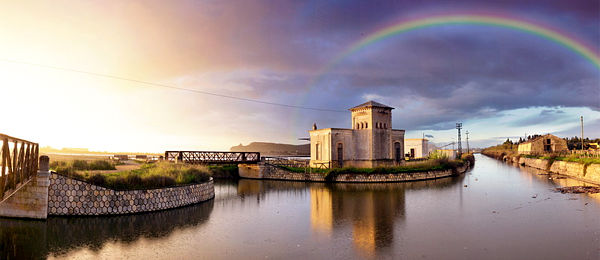
Pink Flamingos, Sardinia Rosy Wings Meet Mediterranean Wetlands
The late afternoon sun casts a golden glow over the shallow lagoons of Molentargius Natural Park, turning the water into a mirror that reflects the sky and the elegant silhouettes of hundreds of pink flamingos. You hear the soft splash of webbed feet in the brackish water, the distant call of a heron from the reed beds, and the gentle rustle of the wind through the salt-tolerant vegetation. This is one of Europe’s most accessible and reliable places to witness these iconic birds in their natural habitat—just minutes from the bustling city of Cagliari. The park, covering over 1,400 hectares (3,460 acres), was once a saltworks where flamingos have nested since the 1970s, drawn by the abundance of brine shrimp that give their feathers their signature pink hue [[54]]. In an age of shrinking wild spaces, this urban oasis matters now more than ever—it is a testament to successful conservation and a reminder that nature can thrive even on the edge of a metropolis.
Why Pink Flamingos, Sardinia Embodies Urban Conservation
The presence of pink flamingos in Sardinia is not a natural accident; it is the result of a remarkable conservation success story. The Molentargius-Saline Regional Park was established in 1999 to protect the wetlands that had formed around abandoned salt pans dating back to Phoenician times. When the industrial salt production ceased in the 1980s, the shallow, saline pools became an ideal breeding ground for the greater flamingo (Phoenicopterus roseus). The birds, which migrate from North Africa each spring, found abundant food in the form of brine shrimp and blue-green algae—organisms rich in carotenoids that metabolize into the pink pigment in their feathers. This ecological niche “solved” a critical problem: how to create a safe haven for a species vulnerable to habitat loss. Today, the park hosts a resident colony of over 1,000 flamingos, with numbers swelling to 5,000 during migration seasons [[54]]. This thriving ecosystem fulfills a modern need—for a place where urban dwellers and visitors can experience wildlife without venturing into remote wilderness, proving that coexistence is not only possible but beautiful.
The Best Time to Experience Pink Flamingos, Sardinia
To witness the flamingos in their most active and numerous state, plan your visit for the specific windows of April 15–June 10 or September 15–October 20, 2026. During these periods, the weather is ideal, with daytime temperatures ranging from a pleasant 20–25°C (68–77°F), and the birds are either nesting or preparing for migration [[11]]. The best time of day to visit is in the late afternoon, between 4:30 PM and 7:00 PM, when the flamingos are most active, feeding and socializing in the golden light—a perfect time for photography. It is essential to avoid the peak summer months of July and August, when the heat can drive the birds to less accessible parts of the lagoon, and the intense sun flattens the very colors that make them so magical [[73]]. For the most current information on bird sightings, guided tours, and park regulations, always consult the official website: parcodimolentargius.it.
Approximate Budget for a 7-Day Trip (2026)
This budget is calculated for a solo traveler seeking a comfortable, nature-focused experience in southern Sardinia in 2026, based on current inflation trends and average regional costs.
- Accommodation: €80–€130 per night. Staying in a guesthouse in Cagliari’s Marina district offers easy access to the park. Options in the Castello quarter are more historic but require a short bus ride.
- Food: €40 per day. Breakfast (€4): a cappuccino and cornetto at a local bar. Lunch (€15): a plate of seafood pasta at a trattoria near the park entrance. Dinner (€21): a main course like grilled sea bass with a glass of local Vermentino wine.
- Transportation: €100 total. A regional train ticket from Cagliari Elmas Airport to the city center (€2). A weekly public transport pass (€15). Local buses to the park cost €1.50 each way.
- Attractions: Entry to Molentargius Park and guided birdwatching tour (€10). Visit to the National Archaeological Museum (€6). Bike rental for park exploration (€15/day).
- Miscellaneous: €90. This covers a pair of binoculars (€25), several gelato stops (€3 each), a cooking class featuring Sardinian recipes (€40), and souvenirs like a flamingo-themed ceramic.
Total Estimated Cost: €855–€975
6 Essential Pink Flamingos, Sardinia Experiences
- Take a Guided Birdwatching Tour at Sunset: Join a park ranger for a 2-hour walk along the designated trails. Learn about the flamingos’ life cycle, feeding habits, and the park’s conservation efforts while watching them in the golden hour light.
- Rent a Bike to Explore the Trails: Cycle along the 8-kilometer (5-mile) network of flat, well-maintained paths that wind through the lagoons. The elevated viewpoints offer panoramic vistas of the entire wetland ecosystem.
- Photograph the Flamingos in Golden Light: Bring a telephoto lens to capture the birds without disturbing them. The best shots are taken from the observation hides near the main lagoon, especially during the late afternoon.
- Visit the Salt Museum (Museo del Sale): Housed in a restored saltworks building, this small museum details the history of salt production and its role in creating the flamingos’ habitat.
- Combine Your Visit with Poetto Beach: After your park visit, head to Cagliari’s famous 8-kilometer beach for a swim. The contrast between the wild wetlands and the urban coastline is striking.
- Attend a Nature Photography Workshop: During the spring and autumn migrations, local photographers offer workshops on capturing wildlife in the park’s unique light.
3 Hidden Gems Most Travelers Miss
- The Santa Gilla Lagoon: Just west of Molentargius, this larger, less-visited wetland is a haven for herons, egrets, and migratory ducks. It’s a favorite spot for serious birders but rarely crowded.
- The View from Monte Urpinu: This hilltop park in Cagliari offers a panoramic vista that includes both the city and the flamingo lagoons in the distance. It’s a perfect spot for a quiet moment of reflection.
- The Secret Hide at Sa Manna ‘e Perda: Ask a park ranger about this lesser-known observation point, which offers an unobstructed view of the nesting area without the crowds of the main hides.
Cultural & Practical Tips
- Bring binoculars and a camera with a zoom lens: The birds are sensitive to noise and movement. Observing from a distance ensures you don’t disturb them.
- Wear neutral-colored clothing: Bright colors can startle the birds. Dress in greens, browns, or greys for a more respectful wildlife experience.
- Learn a few key phrases: “Dov’è il parco dei fenicotteri?” (DOH-veh eel PAHR-koh deh-ee feh-nee-kot-TEH-ree?) for “Where is the flamingo park?”, and “Un caffè, per favore” (oon kah-FEH).
- Stay on marked trails: The wetland ecosystem is fragile. Straying off the path can damage vegetation and disturb nesting birds.
- Respect the silence: Keep your voice low and avoid sudden movements. The park is a sanctuary, not a theme park.
- Tipping is appreciated but not expected: A small tip of €2–€5 for your guide is a kind gesture for an insightful tour.
Conclusion: Travel with Reverence, Not Just a Lens
The pink flamingos of Sardinia are not just a photo opportunity; they are a living symbol of hope and resilience in an increasingly urbanized world. In 2026, as we seek travel experiences that are both beautiful and meaningful, Molentargius offers a powerful lesson in coexistence—showing us that nature can flourish alongside human life if given the chance. Your journey here should be one of reverence—not just capturing their image, but understanding their story, respecting their space, and appreciating the delicate balance that allows them to thrive. By traveling with this mindful attention, you support the park’s conservation efforts and help ensure that future generations can witness this rosy miracle. Slow down. Sit quietly at the water’s edge and watch the light change on their wings. In that peaceful moment of communion with nature, you don’t just see the flamingos—you become part of their enduring, graceful story.